

Do you often feel moody, tired, and have trouble focusing? Limbic ADHD is a mix of trouble with attention and mood swings that affects many people.
Limbic system involvement makes mood and motivation hard to manage, unlike regular ADHD. Medical Expert. This leads to feeling down, irritable, and losing interest in things.
We’ll look into how Limbic ADHD messes with your focus and mood. We’ll also dive into the latest studies on this complex issue. For more on dealing with Limbic ADHD, check out our article on Limbic ADHD.
Key Takeaways
- Limbic ADHD is a subtype of ADHD with mood and emotional issues.
- It’s linked to an overactive limbic system, causing low energy and irritability.
- Limbic ADHD impacts not just focus, but also mood and motivation.
- New research shows how attention and mood issues are connected in Limbic ADHD.
- Handling Limbic ADHD needs a full approach that tackles both focus and mood problems.
Understanding Limbic ADHD and the Brain’s Emotional Network
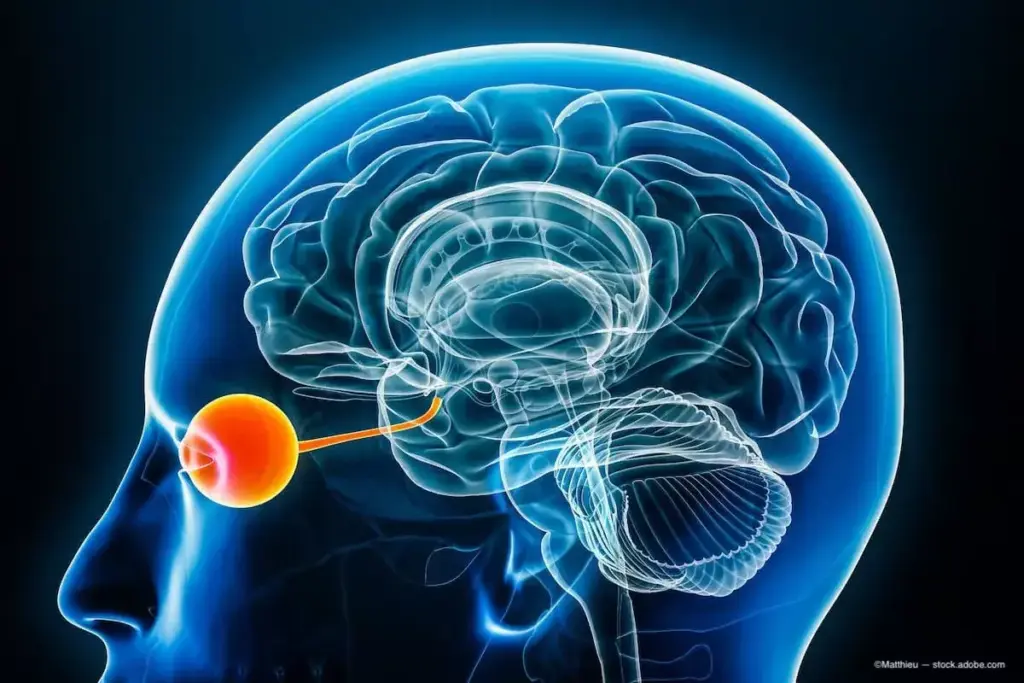
To understand limbic ADHD, we need to explore the brain’s emotional network. The limbic system is key in managing emotions, motivation, and memory. These areas are affected in people with ADHD.
The limbic system greatly influences how we pay attention and react to emotions. It includes parts like the amygdala, hippocampus, and orbitofrontal cortex. These parts help us process emotions and control our emotional responses.
The Role of the Limbic System in Attention and Emotion
The limbic system is closely tied to attention. In those with ADHD Limbic, it can be too active. This leads to being more emotionally sensitive and impulsive. It also makes it hard to focus on tasks, unless they’re very interesting.
Studies reveal that the limbic system is not just for emotions but also for motivation. The orbitofrontal cortex, for example, is important for deciding what’s emotionally important and making choices.
Structural Differences in the ADHD Brain
Research has found that the brains of people with ADHD are different. The amygdala and hippocampus, important for emotions and memory, are not the same as in non-ADHD brains. These differences are linked to more severe symptoms, like trouble controlling emotions and paying attention.
Also, how these parts of the brain connect to other areas, like the prefrontal cortex, is different in ADHD. This changed connection affects how we manage emotions and focus. It’s part of why Limbic ADD symptoms are so complex.
Knowing about these brain differences is key for creating better treatments. Treatments should help with both the attention problems and the emotional issues caused by limbic system hyperactivity.
Limbic System Hyperactivity and Its Impact on Daily Functioning

Limbic system hyperactivity is a key part of Limbic ADHD. It greatly affects how people function daily. It can cause emotional issues and trouble with staying focused.
We will look at how the limbic system’s hyperactivity affects daily life. This includes emotional control, motivation, and staying focused.
The Neurobiological Basis of Attention Disruption
The hyperactive limbic system in Limbic ADHD causes big problems with attention. This happens because of how the limbic system works with other brain parts that handle attention.
- The amygdala is key in handling emotions. Its hyperactivity can make people more easily distracted from their work.
- The hippocampus helps form memories. When it doesn’t work right, it’s hard to keep focused on tasks.
- The prefrontal cortex handles executive functions. It gets affected by the hyperactive limbic system, making it hard to manage and finish tasks.
Emotional Dysregulation and Motivation Challenges
Emotional issues are a big part of Limbic ADHD because of the limbic system’s hyperactivity. This can cause mood swings, irritability, and a big reaction to emotional things.
It’s also hard to stay motivated because of the limbic system’s problems. This makes it tough to start or keep going on tasks.
- Emotional dysregulation can cause intense emotional episodes. This makes it hard to keep up relationships or do daily tasks.
- Motivation challenges can lead to putting things off, not being interested in things, and having trouble reaching goals.
It’s important to understand the brain’s role in these symptoms. By knowing how the limbic system works with other brain parts, we can find better ways to manage Limbic ADHD.
Conclusion: Approaches for Managing Limbic ADHD
Managing limbic ADHD needs a detailed treatment plan. It should tackle ADHD and emotional issues together. Even though limbic ADHD isn’t officially recognized, using ADHD and emotional strategies can help.
We suggest a mix of medication, therapy, and lifestyle changes to tackle limbic system hyperactivity. Therapy like cognitive-behavioral therapy (CBT) helps people cope and manage their feelings better. Making lifestyle changes, like exercising regularly and managing stress, is also key.
Getting professional help is vital for the right diagnosis and treatment. A healthcare expert can create a treatment plan tailored to your needs. This way, you can manage your symptoms better and live a happier life.
FAQ
What is limbic ADHD?
Limbic ADHD is a type of Attention Deficit Hyperactivity Disorder. It shows symptoms like low mood and loss of interest in activities. These are linked to too much activity in the limbic system.
How does the limbic system affect attention and emotion regulation?
The limbic system is key for emotions, motivation, and memory. In limbic ADHD, too much activity here can mess with attention and emotions. This leads to symptoms like inattention and trouble with emotions and motivation.
Is limbic ADHD a formally recognized condition?
No, limbic ADHD isn’t listed in the standard diagnostic manuals. But it’s a term for ADHD symptoms tied to emotional issues and too much activity in the limbic system.
What are the symptoms of limbic ADHD?
Symptoms include low mood, irritability, and losing interest in things. There’s also trouble with attention, emotional issues, and motivation problems. These are all linked to too much activity in the limbic system.
How does limbic system hyperactivity affect daily life?
Too much activity in the limbic system can mess with daily life. It can cause problems with attention, emotions, and motivation. This can make it hard to do well at work or in relationships, so getting help is important.
What is the neurobiological basis of limbic ADHD?
The brain’s structure plays a big role in limbic ADHD. Studies show that differences in the ADHD brain, like in the limbic system, lead to symptoms of limbic ADHD.
How is limbic ADHD managed?
Managing limbic ADHD needs a treatment plan that covers ADHD and emotional issues. This might include medicines, therapy, and lifestyle changes. Each plan is made for the person’s specific needs.
Why is seeking professional help important for limbic ADHD?
Getting help from a professional is key for diagnosing and treating limbic ADHD. They can create a treatment plan that helps manage symptoms and improve daily life and well-being.
References
National Center for Biotechnology Information. Evidence-Based Medical Guidance. Retrieved from https://www.ncbi.nlm.nih.gov/pmc/articles/PMC10829648/



 Departments
 Related Videos
 Our Doctors
 News
News