
At Liv Hospital, we specialize in patient-centered cardiac care. We offer advanced diagnostics and treatments for heart conditions, like aortic valve stenosis.
Aortic valve stenosis happens when the aortic valve area narrows. This can greatly affect blood flow. Studies show that moderate aortic stenosis is a serious condition that needs watching and sometimes treatment.
We will look into what moderate stenosis is, its impact on heart health, and the newest ways to manage and treat it.
Key Takeaways
- Moderate aortic stenosis is a significant condition that requires monitoring.
- Aortic valve stenosis can impact blood flow and overall heart health.
- Advanced diagnostics and evidence-based treatments are available.
- Liv Hospital provides patient-centered cardiac care.
- Latest research informs the management and treatment of aortic stenosis.
Understanding Aortic Valve Stenosis

It’s key to know about aortic valve stenosis to diagnose and treat it. This condition happens when the aortic valve gets narrower. This blocks blood flow from the heart to the rest of the body.
The Function of a Healthy Aortic Valve
A healthy aortic valve lets blood flow freely from the heart to the aorta. It opens and closes with each heartbeat. This ensures blood is pumped well to the body’s organs.
The Stenosis Spectrum: From Mild to Severe
Aortic stenosis can vary from mild to severe. Mild aortic stenosis might not show symptoms. But severe aortic stenosis can cause heart failure if not treated. The valve gets narrower, making it hard for the heart to pump blood.
What Is Aortostenosis?
Aortostenosis is another name for aortic stenosis. It’s when the aortic valve opening narrows. This blocks blood flow from the left ventricle to the aorta. It can be present at birth or develop over time.
| Stage of Stenosis | Characteristics | Symptoms |
|---|---|---|
| Mild | Minimal narrowing, normal blood flow | Often asymptomatic |
| Moderate | Noticeable narrowing, some obstruction | May include fatigue, shortness of breath |
| Severe | Significant narrowing, substantial obstruction | Can include chest pain, fainting, heart failure |
Studies show aortic stenosis gets worse over time. If not treated, it can lead to serious problems. Knowing the stages and symptoms is vital for early treatment and management.
What Is Moderate Stenosis?
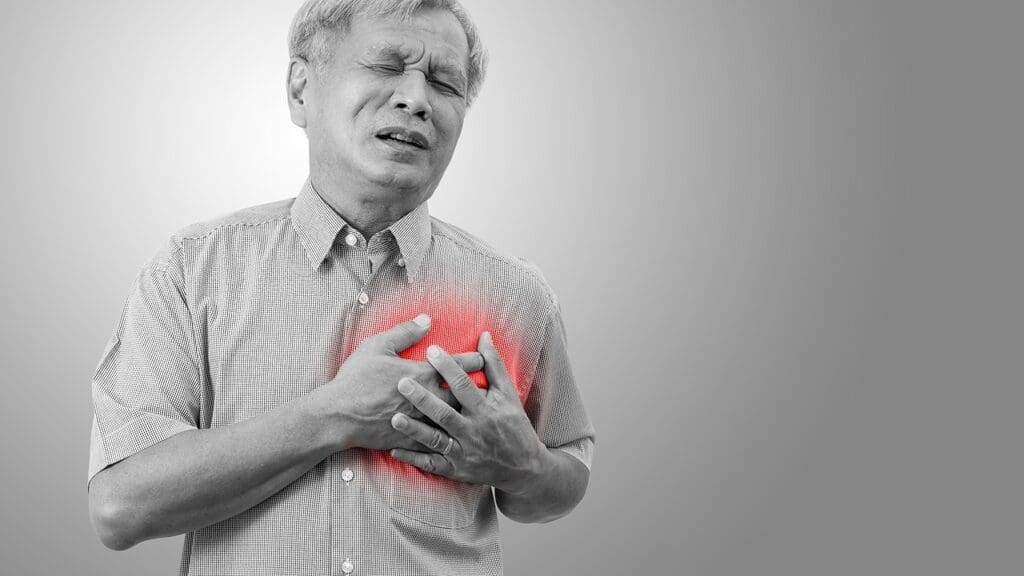
‘Moderate stenosis’ means the aortic valve is narrowed, affecting heart health. It’s when the valve opening gets smaller, blocking blood flow from the heart. This is known as moderate aortic stenosis.
Clinical Definition of Moderate Stenosis
Doctors say moderate aortic stenosis is when the valve area is between 1.0 and 1.5 cm. This means blood flow is reduced. Medical texts say, “A valve area in this range shows moderate stenosis. It needs careful watching and might need treatment.”
“A valve area within this range indicates a moderate level of stenosis, necessitating careful monitoring and potentially intervention.”
How Moderate Stenosis Affects Blood Flow
Moderate stenosis makes it harder for blood to flow. The heart has to work harder, leading to symptoms like shortness of breath and chest pain. How the heart reacts can differ from person to person.
Telling mild from moderate stenosis is key for treatment. Mild stenosis might not bother daily life much. But, moderate stenosis needs closer watch and might need treatment to stop it from getting worse.
Knowing the difference helps doctors create better treatment plans. This ensures the best care for those with moderate aortic stenosis.
Causes and Risk Factors of Aortic Valve Stenosis
It’s important to know the causes and risk factors of aortic valve stenosis. This helps in early diagnosis and treatment. Aortic valve stenosis is a complex condition with many factors at play.
Age-Related Calcification
Age is a big factor in aortic valve stenosis. As we get older, calcium builds up on the valve. This can cause the valve to narrow, leading to stenosis. Older adults are more likely to experience this.
Congenital Heart Defects
Certain heart defects at birth can increase the risk of aortic stenosis. For example, a bicuspid aortic valve can lead to stenosis later in life.
Other Contributing Factors
Other factors include rheumatic fever, high blood pressure, and high cholesterol. Lifestyle choices like smoking and not being active can also contribute.
| Risk Factor | Description | Impact on Aortic Valve Stenosis |
|---|---|---|
| Age-Related Calcification | Calcium deposits on valve leaflets due to aging | Increases risk with age |
| Congenital Heart Defects | Abnormalities in heart structure at birth | Higher risk of stenosis |
| Rheumatic Fever | Inflammatory disease caused by untreated strep throat | Can damage the aortic valve |
Understanding these causes and risk factors helps doctors identify and treat those at risk. This approach is key to managing aortic valve stenosis effectively.
Symptoms and Signs of Moderate to Severe Aortic Stenosis
It’s important to know the symptoms of moderate to severe aortic stenosis. This helps in managing and treating the condition. Recognizing signs of worsening disease is key.
Common Symptoms to Watch For
People with this condition may feel chest pain (angina), shortness of breath (dyspnea), and fatigue. These symptoms happen because the aortic valve narrows. This blocks blood flow, straining the heart.
Some may also feel dizziness or fainting spells (syncope). This is a sign of less blood to the brain.
When Symptoms May Not Be Present
Many with aortic stenosis don’t show symptoms until it’s severe. A study in the Journal of the American Heart Association (JAHA) found this to be true for many.
The Danger of Asymptomatic Progression
Not having symptoms doesn’t mean the condition is mild. Asymptomatic patients can suddenly get worse. This can lead to serious problems if not treated quickly. Regular check-ups with doctors are vital for these patients.
Understanding Mild to Moderate Aortic Stenosis
It’s important to know about mild to moderate aortic stenosis to manage it well. We’ll look at how it progresses and why early detection and monitoring are key.
What Is Mild Aortic Stenosis?
Mild aortic stenosis means the aortic valve opening is slightly narrowed. This can slow blood flow from the heart. Even though it’s not severe, it can cause symptoms and problems if not treated.
Key characteristics of mild aortic stenosis include:
- Minimal symptoms, often not noticeable
- Slight narrowing of the aortic valve
- Potential for progression to more severe forms
The Transition to Moderate Valve Stenosis
When mild aortic stenosis turns into moderate stenosis, the valve narrows more. This can cause more symptoms and problems. It’s important to watch it closely during this time.
Progression Rates and Risk Assessment
How fast mild aortic stenosis turns into moderate or severe stenosis varies. Age, valve shape, and heart health play big roles.
| Risk Factor | Influence on Progression |
|---|---|
| Age | Increased age can accelerate progression |
| Valve Anatomy | Calcification and congenital defects can impact progression |
| Heart Health | Pre-existing heart conditions can affect progression rates |
Knowing these factors and keeping a close eye on the condition helps doctors give better care. This way, they can manage mild to moderate aortic stenosis well.
Diagnosis of Moderate Stenosis
We use a multi-faceted approach to diagnose moderate stenosis. This includes physical exams and advanced imaging technologies. This method helps healthcare providers accurately assess aortic stenosis and plan treatment.
Physical Examination Findings
A physical exam is key in diagnosing moderate aortic stenosis. A healthcare provider may find a heart murmur, often a systolic ejection murmur. The murmur’s intensity and details give clues about the condition’s severity.
Imaging and Other Diagnostic Tests
Imaging tests, like echocardiography, are vital in diagnosing aortic stenosis. Echocardiography lets providers check the aortic valve’s structure and function. It also measures the valve’s opening and blood flow.
What Does Moderate Aortic Valve Stenosis Mean on Reports?
Reports on moderate aortic valve stenosis show specific echocardiographic values. These include a valve area of 1.0 to 1.5 cm², a mean pressure gradient of 20 to 40 mmHg, and a peak aortic jet velocity of 3.0 to 4.0 m/s.
| Echocardiographic Parameter | Value for Moderate Aortic Stenosis |
|---|---|
| Valve Area | 1.0 – 1.5 cm² |
| Mean Pressure Gradient | 20 – 40 mmHg |
| Peak Aortic Jet Velocity | 3.0 – 4.0 m/s |
Can Aortic Stenosis Be Reversed?
Many researchers and doctors are interested in reversing aortic stenosis. Whether it can be reversed depends on several factors. These include the cause and the stage of the disease.
Current Scientific Understanding
Right now, experts agree that medical therapy can help manage symptoms. But, there’s no proven way to reverse aortic stenosis. Studies show that the disease can be slowed, but not stopped or reversed. Early treatment and proper care are key to better life quality for patients.
Limitations of Medical Therapy
Medical therapy is important for managing aortic stenosis symptoms. But, it has its limits. Current treatments aim to ease symptoms and slow disease growth, not reverse it. The success of medical therapy varies based on the disease’s severity and cause.
Research on Reversing Aortic Valve Stenosis
New treatments are being researched to possibly reverse or stop aortic valve stenosis. Studies are looking into new drugs and less invasive procedures. For example, a study in the Journal of the American Heart Association (JAHA) showed promising results for new therapies.
These new findings are hopeful, but more research is needed. As we learn more about aortic stenosis, better treatment options will become available.
Treatment Options for Aortic Stenosis
There are many ways to treat aortic stenosis, from medicine to surgery. The right choice depends on how bad the stenosis is, the patient’s health, and other things.
Medical Management Approaches
For mild or no symptoms, doctors might start with medicine. They watch the condition with tests and manage symptoms or related issues like high blood pressure. Medicines help with symptoms but don’t fix the stenosis itself.
Surgical Valve Replacement
For severe cases, open-heart surgery is often the best choice. It replaces the bad valve with a new one. This method is top-notch for younger patients or those at low risk for surgery.
Transcatheter Aortic Valve Replacement (TAVR)
TAVR is a less invasive option for those at higher risk for surgery. It uses a catheter to put in a new valve. It’s shown to improve life for the right patients.
Heart Stenosis Treatment Decision-Making
Choosing the right treatment is a team effort. Doctors and surgeons work together, considering symptoms, stenosis severity, health, and what the patient wants.
| Treatment Option | Description | Suitability |
|---|---|---|
| Medical Management | Monitoring and managing symptoms | Mild or asymptomatic stenosis |
| Surgical Valve Replacement | Replacing the valve through open-heart surgery | Severe stenosis, younger patients, or low surgical risk |
| TAVR | Minimally invasive valve replacement | Intermediate to high surgical risk patients |
A study using the National Readmission Database shows treatment choice depends on many factors.
“The treatment options for aortic stenosis include medical management, surgical aortic valve replacement, and transcatheter aortic valve replacement (TAVR), with the choice depending on the patient’s condition and other factors.”
Living with Mild to Moderate Stenosis
People with mild to moderate aortic stenosis can live active lives. They just need to make some lifestyle changes and keep an eye on their health. It’s all about following doctor’s advice and staying committed to your health.
Lifestyle Modifications
Healthy choices are key for those with mild to moderate aortic stenosis. Eating well, staying active, and not smoking are important. A diet full of fruits, veggies, and whole grains helps keep weight in check and lowers heart disease risk.
Exercising, like walking or swimming, boosts heart health. But, always talk to a doctor before starting any new workout. They’ll make sure it’s safe for you.
Monitoring Requirements
Keeping an eye on your condition is essential. This means regular echocardiograms and visits to the cardiologist. These check-ups help track how the condition is doing.
| Monitoring Activity | Frequency | Purpose |
|---|---|---|
| Echocardiogram | Every 6-12 months | Assess valve function and stenosis progression |
| Cardiologist Follow-up | Every 6-12 months | Evaluate overall heart health and adjust treatment plan as needed |
When to Seek Emergency Care
Knowing when to get emergency help is important. Signs like chest pain, trouble breathing, or fainting mean you need to go to the hospital right away. Always be ready to seek help if you notice these symptoms.
Managing Comorbidities
It’s also important to manage other health issues like high blood pressure, diabetes, or high cholesterol. Your doctor may suggest medication, lifestyle changes, or other treatments to help.
“The key to living with mild to moderate aortic stenosis is a proactive approach to health management, including regular monitoring and healthy lifestyle choices.”
Conclusion
Aortic stenosis is a serious heart condition where the aortic valve opening narrows. Moderate stenosis is a critical stage, not too severe but serious. It’s important to know the causes, symptoms, and treatments to keep our hearts healthy.
Age-related calcification and congenital heart defects are main causes of aortic valve stenosis. Spotting symptoms like chest pain, shortness of breath, and fainting is key for early treatment. Tests like echocardiography and cardiac catheterization help figure out how severe it is.
While medicine can’t reverse aortic stenosis, there are treatments like surgery and TAVR. For those with mild to moderate stenosis, making lifestyle changes and staying under doctor’s watch is vital.
Understanding aortic stenosis and working with doctors helps us make better care choices. This improves our heart health and quality of life.
What is moderate aortic stenosis?
Moderate aortic stenosis is when the aortic valve gets narrower. This blocks blood flow from the heart to the body. It’s when the valve area is between 1.0 and 1.5 cm².
Can aortic stenosis be reversed?
Right now, there’s no proven way to reverse aortic stenosis. But, scientists are working hard to find new treatments. We talk about what we know and what’s being researched.
What are the symptoms of moderate to severe aortic stenosis?
Symptoms include chest pain, shortness of breath, and feeling very tired. Some people might not notice symptoms until it’s too late. It’s very important to watch for these signs and see a doctor if you notice them.
How is moderate stenosis diagnosed?
Doctors use physical exams, imaging tests like echocardiography, and other tests to diagnose it. We explain how to understand your test results and what they mean for your stenosis.
What are the treatment options for aortic stenosis?
Treatments include managing symptoms with medicine, replacing the valve surgically, or using Transcatheter Aortic Valve Replacement (TAVR). The right treatment depends on how severe the stenosis is and your overall health.
How can I live with mild to moderate stenosis?
To manage mild to moderate stenosis, make lifestyle changes, get regular check-ups, and take care of any other health issues. We give tips on when to go to the emergency room and how to keep your heart healthy.
What is the difference between mild and moderate aortic stenosis?
Mild stenosis has a valve area over 1.5 cm², while moderate stenosis is between 1.0 and 1.5 cm². Knowing the difference helps doctors choose the best treatment for you.
Can mild aortic stenosis progress to moderate stenosis?
Yes, mild stenosis can turn into moderate over time. We discuss why it’s important to watch how it progresses and the risks involved.
What are the risk factors for developing aortic stenosis?
Risk factors include age-related buildup, heart defects at birth, and other factors. Knowing these can help spot who’s at higher risk of getting aortic stenosis.
Is aortostenosis the same as aortic stenosis?
Yes, aortostenosis is another name for aortic stenosis. Both mean the aortic valve is narrowing, which can block blood flow from the heart.
How does moderate stenosis affect blood flow?
Moderate stenosis can really slow down blood flow. This puts extra pressure on the heart and can cause symptoms like shortness of breath and tiredness.
References
-
- American Heart Association (Managing Aortic Stenosis Symptoms) : https://www.heart.org/en/health-topics/heart-valve-problems-and-disease/heart-valve-disease-risks-signs-and-symptoms/managing-aortic-stenosis-symptoms
- JACC (Journal of the American College of Cardiology) : https://www.jacc.org/doi/j.10.1016/j.jcmg.2022.12.013
- PMC – PubMed Central : https://pmc.ncbi.nlm.nih.gov/articles/PMC8201468
- AAFP (American Academy of Family Physicians) : https://www.aafp.org/pubs/afp/issues/2016/0301/p371.html