

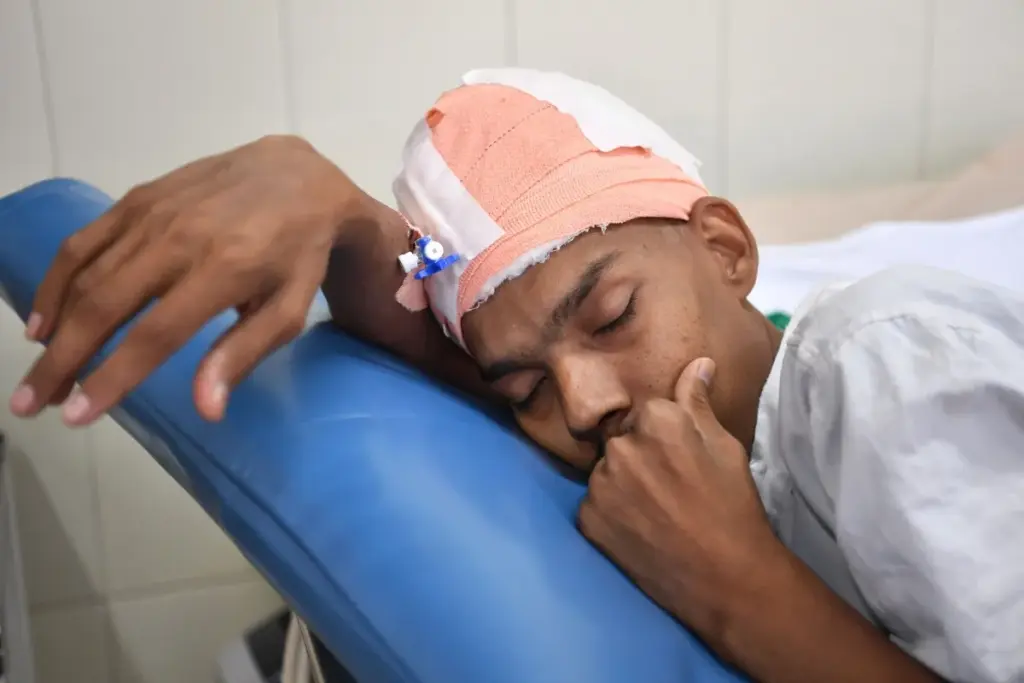
We look into how hydrocephalus symptoms in adults show up. It’s not just a medical issue but also affects a person’s life and relationships. Knowing this helps in giving better care. What is NPH brain disorder? Discover how it affects personality and learn amazing, successful ways to manage this vital neurological condition.
Key Takeaways
- Hydrocephalus can significantly affect an adult’s personality and behavior.
- Understanding the condition’s personal and social implications is key.
- Comprehensive care involves addressing both medical and social aspects.
- Normal Pressure Hydrocephalus (NPH) is a condition that affects adults.
- Recognizing the symptoms is key to managing the condition effectively.
Understanding Hydrocephalus and Its Effects on the Brain
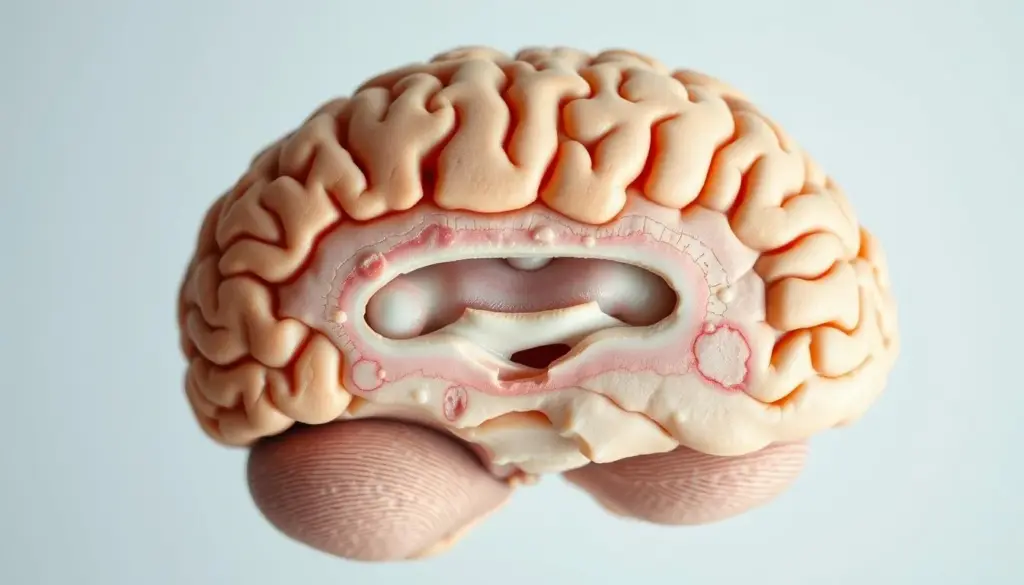
Hydrocephalus is a brain condition where too much cerebrospinal fluid (CSF) builds up. This can cause high pressure in the brain and damage. It’s important to understand what it is and how it affects the brain.
To really get hydrocephalus, we need to look at its definition and basic pathophysiology. It happens when CSF production and absorption don’t match. This leads to more CSF in the brain’s ventricles. The extra fluid can make the ventricles bigger, which can harm the brain.
Definition and Basic Pathophysiology
Hydrocephalus is when too much CSF builds up in the brain’s ventricles. Normally, CSF is made and absorbed at the same rate. But, if this balance is broken, hydrocephalus can occur. This can happen for many reasons, like blockages or problems with absorption.
The way CSF works is key to understanding hydrocephalus. CSF is made in the ventricles and moves through the brain before being absorbed. If this process is disrupted, hydrocephalus can happen.
Different Types of Hydrocephalus
Hydrocephalus can be different based on its cause and how it affects the brain. The main types are:
- Communicating Hydrocephalus: This happens when CSF can’t be absorbed properly. It’s often caused by things like meningitis or bleeding in the brain.
- Non-Communicating (Obstructive) Hydrocephalus: This is when there’s a blockage in the brain’s ventricles. This blockage stops CSF from flowing.
- Normal Pressure Hydrocephalus (NPH): A type of communicating hydrocephalus, NPH has normal CSF pressure but enlarged ventricles.
- Congenital Hydrocephalus: This is present at birth. It’s often caused by genetic issues or infections during pregnancy.
- Acquired Hydrocephalus: This develops later in life. It can be caused by injury, infection, or other conditions.
|
Type of Hydrocephalus |
Causes |
Characteristics |
|---|---|---|
|
Communicating |
Impaired CSF absorption |
CSF flows between ventricles |
|
Non-Communicating |
Obstruction within ventricles |
CSF flow blocked |
|
Normal Pressure Hydrocephalus (NPH) |
Unknown, possibly impaired CSF dynamics |
Normal pressure, ventricular enlargement |
What is NPH Brain Disorder?
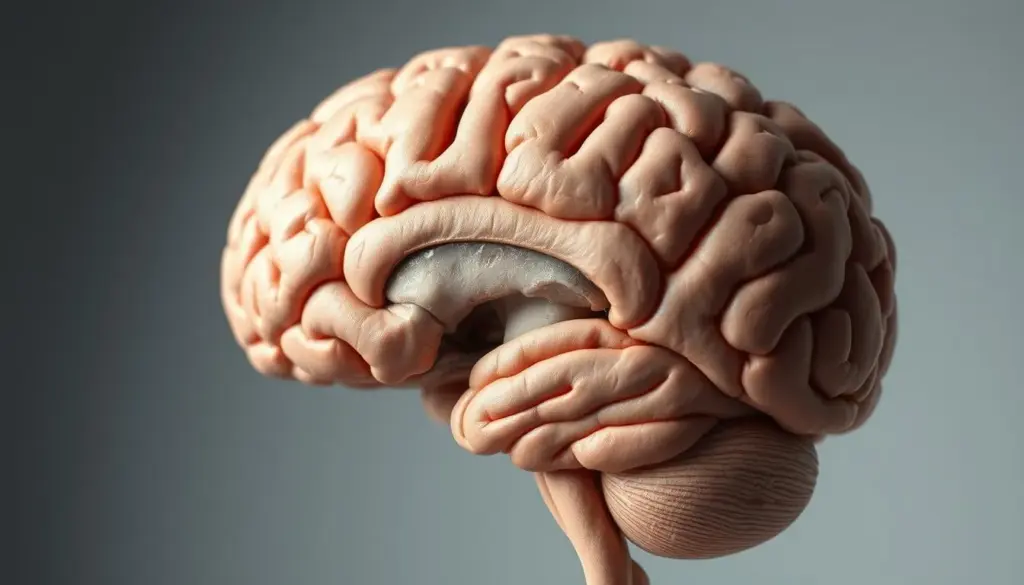
Normal Pressure Hydrocephalus (NPH) is a brain disorder. It involves the buildup of cerebrospinal fluid (CSF) in the brain’s ventricles. This buildup causes pressure on the brain.
Even though it’s called “normal pressure,” NPH actually has periods of high pressure. This can affect how the brain works.
Defining Normal Pressure Hydrocephalus
NPH is a neurological disorder. It happens when cerebrospinal fluid (CSF) builds up in the brain’s ventricles. This buildup increases pressure on the brain.
The symptoms of NPH can vary. They often include problems walking, memory loss, and trouble controlling urine. These symptoms can really change a person’s life.
How NPH Differs from Other Forms of Hydrocephalus
NPH is different from other hydrocephalus types. It has a unique way of working and showing symptoms. NPH usually has normal CSF pressure when tested, which is why it’s named that way.
The table below shows how NPH is different from other hydrocephalus types:
|
Characteristics |
NPH |
Communicating Hydrocephalus |
Non-Communicating Hydrocephalus |
|---|---|---|---|
|
CSF Flow Obstruction |
No obvious obstruction |
No obstruction between ventricles and subarachnoid space |
Obstruction within the ventricular system |
|
Pressure Profile |
Normal pressure with periodic increases |
Often elevated pressure |
Elevated pressure |
|
Common Symptoms |
Gait disturbance, dementia, urinary incontinence |
Varying symptoms, often related to increased ICP |
Headache, nausea, vomiting due to increased ICP |
Knowing these differences is key for diagnosing and treating NPH correctly.
The Prevalence and Demographics of NPH
Knowing about NPH’s prevalence and demographics is key for early diagnosis and treatment. NPH is a type of hydrocephalus where cerebrospinal fluid builds up in the brain’s ventricles. This causes pressure on the brain.
Age Groups Most Commonly Affected
NPH mainly hits the elderly. Research shows it’s more common with age, often diagnosed in those over 60. It’s less common in younger people, and when it does happen in kids or young adults, it’s usually a different type of hydrocephalus.
The rise in NPH with age is important for diagnosis and treatment. As more people get older, NPH will likely become more common. It’s vital to spread awareness among doctors and the public.
Statistical Insights on NPH Occurrence
Studies on NPH’s occurrence vary, but they all agree it’s common in the elderly. It’s estimated that 0.5% to 2.9% of people aged 65 and up have NPH.
|
Age Group |
Estimated Prevalence of NPH |
|---|---|
|
65-69 years |
0.2% |
|
70-74 years |
0.5% |
|
75-79 years |
1.1% |
|
80 years and older |
2.9% |
The table shows NPH’s estimated prevalence in different age groups. These numbers highlight the need to consider NPH when diagnosing dementia, gait issues, and urinary incontinence in the elderly.
Grasping NPH’s demographics and prevalence is essential for spotting risk factors and improving diagnosis. By knowing which age groups are most affected and the statistics, doctors can better manage NPH and improve patient care.
Causes and Risk Factors for Developing NPH
Normal Pressure Hydrocephalus (NPH) can be caused by several factors. These factors make some people more likely to get NPH. Knowing these can help find and treat the condition early.
Primary Causes of Normal Pressure Hydrocephalus
NPH happens when the brain can’t absorb cerebrospinal fluid (CSF) well. The main causes are:
- Previous Brain Injury or Surgery: Damage to the brain or past surgeries can cause NPH.
- Infections and Inflammatory Conditions: Meningitis and other infections can lead to NPH.
- Bleeding in the Brain: Bleeding in the brain, like subarachnoid hemorrhage, raises NPH risk.
These causes can change how the brain works and look. This leads to NPH symptoms.
Risk Factors That Increase Susceptibility
Some things make getting NPH more likely. These include:
|
Risk Factor |
Description |
|---|---|
|
Age |
NPH often affects people over 60. |
|
Family History |
Having a family history of NPH or other brain issues raises risk. |
|
Previous Stroke or Brain Injury |
Those who had a stroke or brain injury are at higher risk. |
Knowing these risk factors helps doctors find and help people at risk early.
The Classic Triad of NPH Symptoms
Normal Pressure Hydrocephalus (NPH) is diagnosed by a classic triad of symptoms. These symptoms are key for doctors to spot.
The triad includes gait problems, urinary incontinence, and cognitive issues. These symptoms are typical of NPH and greatly affect a patient’s life quality.
Gait Disturbances and Walking Difficulties
Gait issues in NPH patients often look like a magnetic gait. This makes it seem like their feet are stuck to the floor. Or, they might walk with a broad-based gait and short steps. This raises the risk of falls.
Urinary Incontinence Issues
Urinary incontinence is a key symptom. It shows as an inability to control urination, causing involuntary urine loss. This symptom is very distressing for patients.
Cognitive Impairment Patterns
Cognitive issues in NPH can vary from mild decline to severe dementia. These problems can affect memory, attention, and executive function. Other cognitive areas can also be impacted.
|
Symptom |
Prevalence Range |
Common Characteristics |
|---|---|---|
|
Gait Disturbances |
80-90% |
Magnetic gait, broad-based gait, short steps |
|
Urinary Incontinence |
70-80% |
Involuntary urine loss, urgency |
|
Cognitive Impairments |
50-70% |
Memory loss, attention deficits, executive dysfunction |
In conclusion, the classic triad of NPH symptoms is vital for diagnosis. Knowing these symptoms is key for accurate diagnosis and treatment of NPH.
Cognitive Changes in NPH Patients
Cognitive changes are a key feature of Normal Pressure Hydrocephalus (NPH). They greatly impact patients’ lives. These changes can affect many areas of thinking.
Memory and Attention Deficits
Memory and attention decline are common in NPH patients. Memory deficits can be mild or severe. They make it hard to remember recent things or learn new stuff.
Attention problems add to the challenge. Patients may find it hard to stay focused or keep their attention for long.
Research links these memory and attention issues to NPH’s effects. It points to problems with cerebrospinal fluid (CSF) and possible brain damage.
Executive Function Impairments
NPH patients also face challenges with executive function. This includes skills like planning, making decisions, solving problems, and controlling impulses. These issues can make everyday tasks hard.
These problems are thought to come from changes in the brain’s structure. This affects areas important for thinking and decision-making. Knowing this helps in finding ways to help NPH patients.
By understanding and addressing these cognitive changes, doctors can give better care. This improves patients’ lives and helps them stay independent.
Common Personality Traits in Adults with Hydrocephalus
Adults with hydrocephalus often show unique personality traits. These changes come from how the condition affects the brain. It can be tough for those affected and their caregivers.
Apathy and Diminished Initiative
One common trait is apathy. This means a lack of interest in activities and less initiative. It can make people less motivated to do things they used to enjoy.
Research links apathy in hydrocephalus to brain issues. Early treatment for apathy is key to better living for these patients.
Emotional Blunting and Mood Changes
Emotional blunting is another trait seen in adults with hydrocephalus. It makes it hard to connect with others because they seem less responsive or caring.
Mood swings, like getting easily irritated or feeling depressed, are common too. These changes can be hard for caregivers, who need to find new ways to communicate and support.
Impulsivity and Disinhibition
Some adults with hydrocephalus act impulsively and without thinking. This can lead to behaviors that are not like them or not right for social situations. It’s because the condition affects the brain’s part that controls impulses.
Handling impulsivity and disinhibition needs a full plan. This includes therapy and support from caregivers.
|
Personality Trait |
Description |
Potential Impact |
|---|---|---|
|
Apathy |
Lack of interest and motivation |
Reduced social interaction, decreased productivity |
|
Emotional Blunting |
Reduced emotional response |
Difficulties in interpersonal relationships |
|
Impulsivity |
Acting on impulse without consideration |
Socially inappropriate behavior, possible risk-taking |
Behavioral Changes Associated with NPH
Behavioral changes are common in NPH, affecting daily life. These changes can be tough for patients and their caregivers. They impact the quality of life greatly.
Social Withdrawal and Isolation
Social withdrawal and isolation are big issues for NPH patients. As the condition worsens, they may pull back from social events. This leads to feelings of loneliness and disconnection from loved ones.
This withdrawal is due to several factors. These include cognitive decline, gait problems, and urinary incontinence. These issues can make socializing embarrassing or hard.
Irritability and Frustration Tolerance
NPH patients often get irritable and have less patience. These changes are hard for both patients and caregivers. They can cause mood swings and outbursts.
The reasons for irritability in NPH are complex. They include physical discomfort, cognitive changes, and emotional shifts.
Changes in Personal Interests and Hobbies
NPH also leads to changes in personal interests and hobbies. Patients may lose interest in things they used to love. This worries caregivers a lot.
This change is linked to cognitive and emotional changes caused by NPH. It’s also affected by the condition’s overall impact on quality of life.
It’s key to understand these behavioral changes to care for NPH patients well. Recognizing signs and symptoms helps caregivers find ways to manage these changes. This improves the patient’s quality of life.
How Personality Changes Progress Through NPH Stages
Understanding how personality changes in NPH patients progress is key to good care. Looking at the different stages of Normal Pressure Hydrocephalus shows that changes in personality are a big part of the condition’s effect on patients.
Early Stage Personality Alterations
In the early stages of NPH, patients might show small changes in personality. These can include increased apathy or mild irritability. These changes are important for catching the condition early and starting treatment.
Some patients might become more shy or less interested in things they used to love. These early signs can show the neurological changes happening in NPH.
Mid-Stage Behavioral Changes
When NPH moves to its mid-stage, personality changes get more obvious. Patients might act more impulsively or without thinking, showing behaviors that are not like them.
Also, mid-stage NPH patients might see a bigger drop in thinking skills. This can affect their personality and actions even more. Family and caregivers are very important in helping manage these changes and supporting the patient.
End Stages of Normal Pressure Hydrocephalus and Personality
In the end stages of NPH, personality changes can be very deep. Patients might feel their emotions more strongly or have big mood swings. The late stage of the condition needs full care and support to handle both physical and mental symptoms.
Creating a supportive environment and using care plans that fit each patient is very important. This helps improve the life quality of those in the end stages of NPH.
Distinguishing NPH-Related Personality Changes from Other Conditions
It’s important to tell Normal Pressure Hydrocephalus (NPH) apart from other brain diseases. NPH can look like other conditions, so knowing its signs is key.
NPH vs. Alzheimer’s Disease Personality Changes
NPH and Alzheimer’s can both cause memory loss and thinking problems. But, their symptoms start and get worse in different ways. NPH often starts with walking issues, while Alzheimer’s first shows up as memory loss.
Urinary incontinence is a big clue for NPH, not seen early in Alzheimer’s. NPH also affects how we plan and make decisions, unlike Alzheimer’s, which mainly hurts memory.
NPH vs. Depression and Anxiety Disorders
Changes in personality in NPH can look like depression or anxiety. Apathy in NPH is deep and not just feeling sad, unlike depression.
Anxiety can be in both NPH and anxiety disorders. But, NPH anxiety is often tied to physical problems, not just feeling anxious all the time.
|
Condition |
Primary Symptoms |
Differentiating Features |
|---|---|---|
|
NPH |
Gait disturbance, urinary incontinence, cognitive decline |
Presence of gait disturbance early in the disease course |
|
Alzheimer’s Disease |
Memory loss, cognitive decline |
Memory storage deficits as primary early symptom |
|
Depression |
Sad mood, loss of interest, changes in appetite or sleep |
Presence of sad mood, not just apathy |
|
Anxiety Disorders |
Excessive worry, fear, anxiety |
Pervasive anxiety not directly tied to physical symptoms |
Diagnostic Approaches for NPH
Diagnosing Normal Pressure Hydrocephalus (NPH) needs a detailed approach. It uses many diagnostic methods. Getting the right diagnosis is key to tell NPH apart from other diseases like Alzheimer’s or Parkinson’s.
Neuroimaging Techniques
Neuroimaging is key in diagnosing NPH. Tools like Magnetic Resonance Imaging (MRI) and Computed Tomography (CT) scans help see the brain’s ventricles. They check for any oddities.
MRI is great for looking at the ventricles’ size and shape. It also spots other brain issues. It can show signs of NPH, like ventricular enlargement without much brain shrinkage.
Clinical Assessments and Neuropsychological Testing
Clinical checks are vital for patients thought to have NPH. These include:
- Gait analysis to check mobility and balance
- Cognitive tests for memory, attention, and thinking skills
- Urinary continence assessments
Neuropsychological tests give a closer look at thinking skills. They help tell NPH apart from other brain diseases.
Lumbar Puncture and CSF Dynamics Testing
Lumbar puncture, or spinal tap, checks the cerebrospinal fluid (CSF) pressure and makeup. In NPH, the CSF pressure is usually normal. But, it can help some patients feel better temporarily.
CSF dynamics testing, like infusion tests, gives more info on CSF flow and absorption. It helps in diagnosing NPH.
|
Diagnostic Method |
Purpose |
Key Findings in NPH |
|---|---|---|
|
MRI/CT Scan |
Assess ventricular size and brain structure |
Ventricular enlargement without significant cortical atrophy |
|
Clinical Assessments |
Evaluate symptoms and functional status |
Gait disturbances, cognitive impairment, urinary incontinence |
|
Lumbar Puncture |
Assess CSF pressure and composition |
Normal CSF pressure, temporary symptom improvement |
Treatment Options for NPH and Effects on Personality
Understanding NPH treatment is key. It helps with physical symptoms and improves personality and well-being. The main treatment is surgery.
Shunt Surgery and Personality Improvement
Shunt surgery is the main treatment for NPH. It involves a shunt system to drain excess fluid from the brain. This fluid is then absorbed elsewhere in the body.
Studies show shunt surgery improves symptoms like gait problems and cognitive issues. It also helps with personality and behavior in some patients.
Clinical evidence shows a decrease in apathy and an increase in initiative and emotions after surgery. But, results vary, and some may not see big changes in personality.
Alternative Treatment Approaches
While shunt surgery is the main treatment, other options exist. These include physical therapy for gait and balance, cognitive rehabilitation for memory, and medications for symptoms like incontinence.
Lifestyle changes and supportive care are also important. They help manage NPH symptoms and improve quality of life. This includes making the living space safe and managing incontinence.
It’s vital for NPH patients to work with their healthcare team. They should consider both physical and personality aspects when choosing a treatment plan.
Supporting Someone with NPH-Related Personality Changes
NPH patients often see big changes in their personality. It’s key for caregivers to adjust their support. These changes can be tough for both the patient and their loved ones.
Communication Strategies for Caregivers
Good communication is key when helping someone with NPH. Caregivers should use methods that help them understand and feel understood. For example, speaking clearly and simply can help avoid confusion.
- Speak clearly and at a moderate pace.
- Use non-verbal cues like gestures and facial expressions.
- Encourage the patient to express their feelings and concerns.
Creating a Supportive Environment
It’s important to make the patient’s living space safe and comfy. For instance, removing things that could cause falls and adding handrails can help a lot.
|
Environmental Adjustment |
Benefit |
|---|---|
|
Removing tripping hazards |
Reduces the risk of falls |
|
Installing handrails |
Provides support and balance |
|
Improving lighting |
Enhances visibility and reduces eye strain |
By knowing what NPH patients need and making these changes, caregivers can make a big difference. This not only makes the patient’s life better but also helps caregivers deal with the challenges of NPH.
Coping with Personality Changes as an NPH Patient
Coping with NPH’s personality changes needs a full plan. This includes knowing yourself and getting support. As NPH gets worse, patients face emotional and behavior changes. These can be hard to handle.
Self-Awareness and Adaptation Strategies
Knowing yourself is key in dealing with NPH’s effects. Patients can adjust better when they understand their condition. Keeping a journal helps track mood and behavior changes.
Adaptation strategies include:
- Setting realistic goals and expectations
- Doing things that keep your mind and body healthy
- Getting help from family, friends, and doctors
It’s vital for patients to stay in touch with their healthcare team. They should report any changes or worries. This teamwork helps manage the condition better.
|
Adaptation Strategy |
Description |
Benefits |
|---|---|---|
|
Journaling |
Tracking symptoms and mood changes |
Improved self-awareness, better symptom management |
|
Support Groups |
Connecting with others who have NPH |
Emotional support, shared experiences, practical advice |
|
Mindfulness Activities |
Engaging in meditation, yoga, or other mindfulness practices |
Reduced stress, improved mental well-being |
Support Groups and Resources
Support groups are essential for NPH patients. They offer a place to share, get emotional support, and advice from others facing similar issues.
Patients can find support through:
- Local NPH support groups
- Online forums and communities
- Healthcare providers and social workers
By using these resources and strategies, NPH patients can manage their condition’s effects. This improves their life quality.
Recent Advances in Understanding NPH and Personality Effects
New research has shed light on NPH and its impact on personality. It shows that NPH affects more than just symptoms. It changes how people act and feel.
New Research Findings
Studies have found that NPH can alter personality. People with NPH may seem less emotional, more impulsive, or less interested in things. This is due to how NPH changes the brain.
The condition causes fluid buildup in the brain. This increases pressure and damages brain areas. This damage can lead to personality changes.
Emerging Treatment Approaches
New treatments for NPH are being developed. Improving shunt surgery is one area of focus. It has helped many patients feel better.
Other treatments, like medicine and cognitive therapy, are also being tested. They aim to meet the complex needs of NPH patients.
Conclusion
Understanding Normal Pressure Hydrocephalus (NPH) is key to helping those affected. We’ve looked into NPH’s definition, symptoms, and how it affects thinking and behavior. This knowledge is vital for giving the best care possible.
NPH is a complex condition with a classic set of symptoms. These include problems walking, trouble controlling urine, and issues with thinking. These symptoms can change a person’s personality, causing them to seem less interested, emotionally flat, or more impulsive.
In summary, NPH needs a careful approach to diagnosis and treatment. We’ve covered the main points of NPH to stress the importance of catching it early and treating it right. This shows the need for more research and awareness to help patients better. It’s all about finding a better way to manage NPH.
FAQ
What is Normal Pressure Hydrocephalus (NPH)?
Normal Pressure Hydrocephalus (NPH) is a brain disorder. It happens when cerebrospinal fluid (CSF) builds up in the brain’s ventricles. This causes pressure on the brain. It mainly affects adults, often the elderly.
What are the symptoms of NPH?
Symptoms of NPH include trouble walking, not being able to control urine, and problems with thinking. These symptoms can make daily life hard.
How is NPH diagnosed?
Doctors use neuroimaging, clinical checks, and CSF tests to diagnose NPH. These tests help find out if it’s NPH or something else.
What are the treatment options for NPH?
The main treatment is shunt surgery. It helps drain extra CSF from the brain. Other treatments might also be used, based on the patient’s situation.
Can shunt surgery improve NPH symptoms and personality changes?
Yes, shunt surgery can help with NPH symptoms like walking problems, urine control issues, and thinking issues. It can also help with personality changes, like feeling less emotional or apathetic.
How can caregivers support individuals with NPH-related personality changes?
Caregivers can help by talking well, making a supportive place, and helping the person understand and adapt.
What are the common personality traits observed in adults with hydrocephalus?
Adults with hydrocephalus, like NPH, might seem less interested, less emotional, or act impulsively. These traits can come from the condition’s effect on the brain.
How do NPH-related personality changes differ from those associated with Alzheimer’s disease?
NPH and Alzheimer’s disease have different effects. NPH causes more walking and urine problems. Alzheimer’s mainly affects memory and thinking.
What are the recent advances in understanding NPH and its effects on personality?
New studies have helped us understand NPH better, including its impact on personality. Early diagnosis and treatment are key. New treatments and shunt technologies are being looked into to manage symptoms and personality changes.
Can NPH patients cope with personality changes?
Yes, NPH patients can manage personality changes by being aware, adapting, and getting support. It’s important to help them find ways to cope.
What is the prognosis for NPH patients?
The outlook for NPH patients depends on how bad their symptoms are, how well they respond to treatment, and their overall health. With the right treatment, many can see big improvements in their symptoms and life quality.
References
National Center for Biotechnology Information. Evidence-Based Medical Insight. Retrieved from https://pmc.ncbi.nlm.nih.gov/articles/PMC2851080/

























