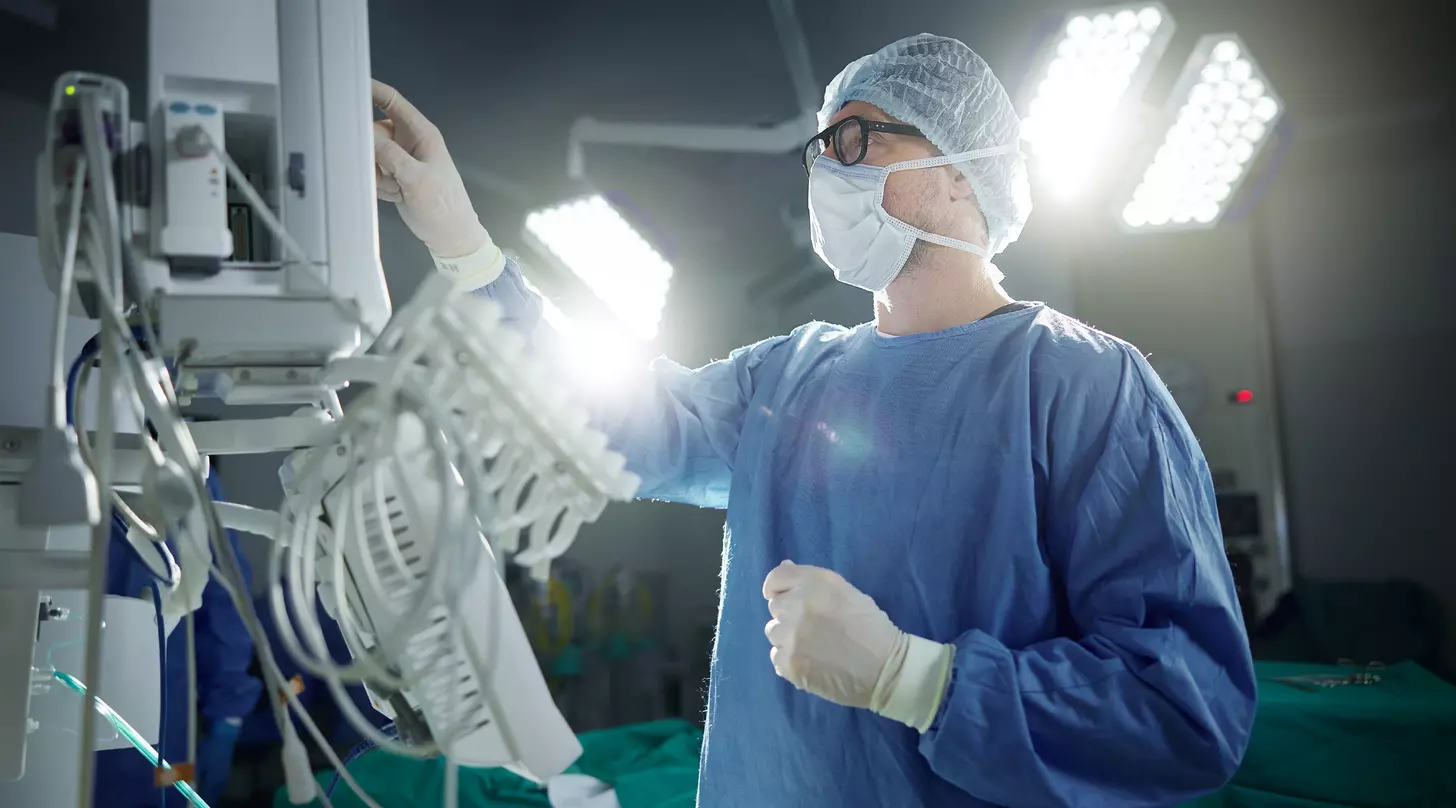
Orthopaedic surgery is key in helping people move better and feel less pain. It deals with the musculoskeletal system, fixing problems and preventing new ones.
Orthopaedic surgery uses surgery and other methods to treat many issues. Knowing about orthopaedic procedures helps patients choose the right treatment. This way, they can make smart choices about their health.
Key Takeaways
- Orthopaedic surgery is a medical specialty focused on the musculoskeletal system.
- It includes both surgical and non-surgical treatments for various conditions.
- The scope of orthopaedic surgery ranges from treating injuries to managing degenerative diseases.
- Understanding orthopaedic procedureshelps patients make informed decisions.
- Liv Hospital is a trusted provider of modern orthopaedic services.
The Definition and Scope of Orthopaedic Surgery
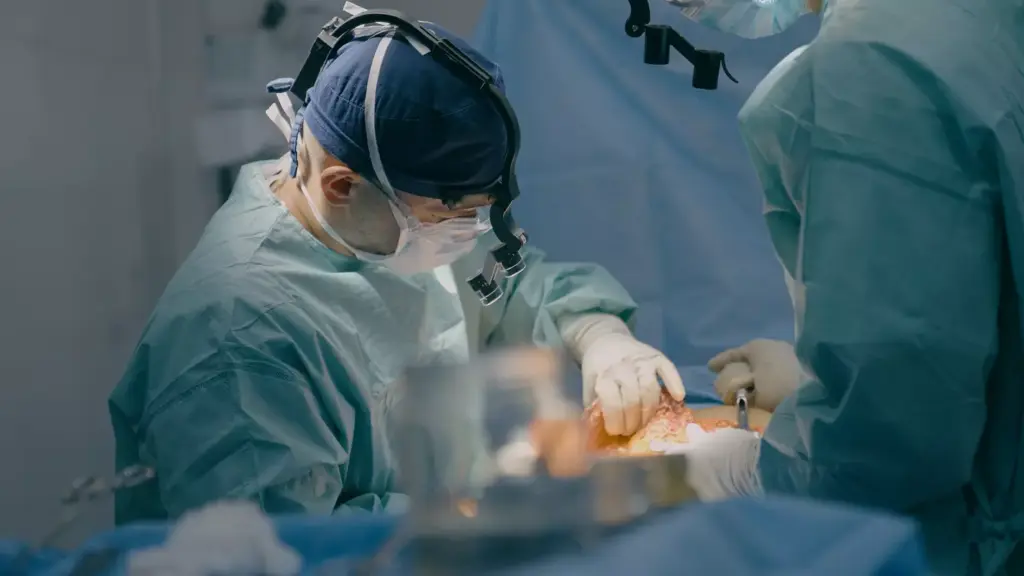
Orthopaedic surgery is a key part of medical care. It deals with fixing problems in the musculoskeletal system. This system includes bones, joints, muscles, and soft tissues. It helps us move and keeps our body’s shape.
The musculoskeletal system is essential for daily life. Any problems can really affect how well we live. Orthopaedic surgeons help fix these issues with surgery or other treatments.
The Musculoskeletal System: What Orthopaedic Surgeons Treat
The musculoskeletal system has many parts, each with its own problems. Orthopaedic surgeons fix bone issues like fractures and osteoporosis. They also treat joint diseases like arthritis and soft tissue injuries like sprains and tendonitis.
By knowing the musculoskeletal system well, orthopaedic surgeons can give the right treatment. This helps restore function and reduce pain.
Global Terminology: Orthopaedic vs. Orthopedic and Other Variations
Many people get confused between “orthopaedic” and “orthopedic.” Both mean the same thing, but the spelling changes based on where you are. “Orthopaedic” is used in British English, and “orthopedic” in American English. Other spellings like “orhopedic,” “aurthopadic,” and “orthopaeidc” are not correct.
It’s important to be clear about these terms in healthcare. Knowing about these differences helps make sure people get the right care. This is true no matter what term is used.
The Historical Evolution of Orthopaedic Medicine
Orthopaedic surgery has a rich history of medical progress. It has seen many changes, thanks to pioneers and new ideas. These changes have greatly helped patients.
Etymology and Origins of the Orthopedic Medical Term
Nicolas Andry created the term “orthopaedic” in 1741. It comes from Greek words ‘orthos’ and ‘paideia’. ‘Orthos’ means straight or correct, and ‘paideia’ means education or raising children. Andry’s work focused on fixing deformities in kids. The term’s roots show the field’s early focus on children’s orthopaedics.
“The orthopaedic surgeon must be a master of the art of healing, with a deep understanding of the human body and its many complexities.”
Major Milestones in Orthopaedic Development
Orthopaedic surgery has seen many key moments. New surgical methods, like anesthesia and antisepsis, made treatments better. Wilhelm Conrad Röntgen’s discovery of X-rays in 1895 changed how doctors diagnose and treat bone and joint problems.
- The introduction of arthroscopy, enabling minimally invasive diagnostics and treatment.
- Advances in joint replacement surgery, improving the quality of life for patients with degenerative joint diseases.
- The use of biologics and regenerative medicine, opening new ways to fix and heal tissues.
These milestones show how orthopaedic surgery keeps getting better. It’s all thanks to new ideas and a dedication to better patient care. As we keep moving forward, our goal is to help patients all over the world.
What Is Orthopaedic Surgery: Education and Training Requirements
Becoming an orthopaedic surgeon is a long and challenging journey. It involves many stages of education and training. This path requires dedication, hard work, and a big investment in education.
Medical School and Residency Path
First, you need to finish medical school, which takes four years. Here, you learn a lot about medicine and healthcare. Then, you must do a residency in orthopaedic surgery, lasting five years or more.
These residency programs give you practical experience and specialized training. You work under the guidance of experienced surgeons.
If you want to know more about orthopaedic residency programs, check out the Canadian Medical Association’s document on orthopedic surgery (orthopedic surgery guidelines).
Fellowships and Board Certification
After residency, many surgeons do fellowship programs for one to two years. These programs offer advanced training in areas like sports medicine or joint reconstruction. Getting board certified in orthopaedic surgery is also key.
Board certification shows a surgeon’s knowledge, skills, and experience. To get certified, you must pass a tough exam by the American Board of Orthopaedic Surgery (ABOS). This ensures surgeons use the latest techniques and best practices.
Common Conditions Treated by Orthopaedic Surgeons
Orthopaedic surgery helps many people with musculoskeletal issues. It improves their life quality. Surgeons treat a wide range of bone, joint, muscle, and tissue problems.
Traumatic Injuries and Fractures
Orthopaedic surgeons fix many injuries from accidents or sports. Prompt and effective treatment is key to avoid lasting damage. They use surgery and other methods to fix these problems.
Degenerative Joint Diseases
Orthopaedic surgeons also deal with joint diseases like osteoarthritis. These diseases wear down joint cartilage, causing pain and stiffness. Early intervention can help manage symptoms. Treatment includes medicine, physical therapy, and sometimes surgery.
Congenital and Developmental Disorders
Orthopaedic surgeons treat musculoskeletal disorders from birth or development. Issues like clubfoot and scoliosis need special care. Early diagnosis and treatment are essential to prevent complications.
Sports-Related Injuries
Sports injuries are common in athletes. Orthopaedic surgeons treat many injuries, like sprains and stress fractures. Advanced surgical techniques help athletes recover faster.
Orthopaedic surgeons are key in fixing these issues. They help patients regain function, reduce pain, and improve their life quality.
Orthopaedic Surgery Specializations and Subspecialties
Orthopaedic surgery is a complex field with many specializations. These specializations help orthopaedic surgeons focus on specific areas of musculoskeletal health. This targeted expertise improves patient care and outcomes.
Sports Medicine and Arthroscopy
Sports medicine deals with injuries and conditions related to sports. Orthopaedic surgeons in this field help athletes improve performance and prevent injuries. They use arthroscopy, a minimally invasive technique, to diagnose and treat joint problems.
Joint Reconstruction and Replacement
Joint reconstruction and replacement aim to restore damaged or arthritic joints. Orthopaedic surgeons use advanced techniques and prosthetics to repair or replace joints. This significantly improves patients’ quality of life.
Spine Surgery
Spine surgery focuses on spine disorders and injuries. Orthopaedic surgeons in this field treat conditions like herniated discs and scoliosis. They use both surgery and non-surgical treatments to relieve pain and restore spinal function.
Pediatric Orthopaedics
Pediatric orthopaedics deals with musculoskeletal disorders in children. Orthopaedic surgeons in this field correct deformities and manage growth. They work with other healthcare professionals to provide complete care for young patients.
The diversity in orthopaedic surgery specializations shows the field’s complexity and richness. By focusing on specific areas, surgeons can offer specialized care that meets patients’ unique needs.
| Subspecialty | Focus Area | Common Procedures |
|---|---|---|
| Sports Medicine | Sports-related injuries, joint health | Arthroscopy, ligament reconstruction |
| Joint Reconstruction | Damaged or arthritic joints | Joint replacement, osteotomy |
| Spine Surgery | Spinal disorders, injuries | Spinal fusion, disc replacement |
| Pediatric Orthopaedics | Musculoskeletal disorders in children | Congenital deformity correction, growth modulation |
Common Orthopaedic Surgical Procedures
Orthopaedic surgery deals with many techniques to fix musculoskeletal problems. These surgeries help reduce pain, improve function, and enhance life quality for those with musculoskeletal disorders.
Arthroscopy: Minimally Invasive Diagnostics and Treatment
Arthroscopy is a small surgery that lets doctors see and fix joint issues. A tiny camera, called an arthroscope, is put into the joint. This way, they can see the joint on a screen and fix it without harming much around it.
This surgery is used for many issues like torn menisci, ligament injuries, and osteoarthritis. It has smaller cuts, less pain, and faster healing than open surgery.
Joint Replacement Surgery
Joint replacement surgery, or arthroplasty, replaces a bad or arthritic joint with an artificial one. We use implants made of metal, ceramic, or plastic to make the joint work like before.
This surgery is often done on hips, knees, and shoulders. It’s chosen when other treatments don’t help with pain and function.
| Joint | Common Indications | Implant Materials |
|---|---|---|
| Hip | Osteoarthritis, Fractures | Metal, Ceramic |
| Knee | Osteoarthritis, Rheumatoid Arthritis | Metal, Plastic |
| Shoulder | Osteoarthritis, Rotator Cuff Tears | Metal, Ceramic |
Fracture Repair and Trauma Surgery
Fracture repair makes broken bones stable and straight for healing. We use casting, pinning, and plating to fix fractures. For complex trauma, surgery is needed to fix the musculoskeletal system.
Trauma surgery needs a team effort from orthopaedic surgeons and others. The goal is to stabilize the patient, fix damaged tissues, and get function back.
Soft Tissue Repairs
Soft tissue repairs fix injuries or conditions in muscles, tendons, and ligaments. We use different surgical methods to repair or rebuild damaged tissues. Often, we use small cuts to reduce recovery time.
These repairs are common for issues like torn rotator cuffs, Achilles tendon ruptures, and ligament injuries. The surgery choice depends on the condition, its severity, and the patient’s health.
Non-Surgical Orthopaedic Treatments and Approaches
We use many non-surgical treatments for orthopaedic care. These help with pain, improve function, and enhance life quality. They’re for various orthopaedic conditions.
Physical Therapy and Rehabilitation
Physical therapy is key in non-surgical orthopaedic care. It includes exercises and techniques for each patient. The goal is to regain strength, flexibility, and function.
Rehabilitation helps patients recover from injuries or surgery. It also manages chronic conditions. Physical therapists work with specialists to create treatment plans.
These plans might include manual therapy, exercises, and education on posture and body mechanics.
Medications and Therapeutic Injections
Medications are vital for pain and inflammation management. We use NSAIDs, corticosteroids, and analgesics. Therapeutic injections, like corticosteroids and hyaluronic acid, target specific conditions.
These injections are given directly to the affected area. They reduce inflammation and pain. The right choice depends on the patient’s condition and health.
Bracing and Assistive Devices
Bracing and assistive devices support and stabilize limbs or joints. They reduce pain and improve function. Orthotics, like shoe inserts, redistribute pressure and ease discomfort.
Devices like canes, walkers, and crutches offer support for mobility issues. They’re customized for each patient’s needs.
The table below summarizes the non-surgical orthopaedic treatments discussed:
| Treatment | Description | Benefits |
|---|---|---|
| Physical Therapy | Exercises and techniques to restore strength and function | Improves mobility, reduces pain |
| Medications | NSAIDs, corticosteroids, analgesics to manage pain and inflammation | Reduces pain, inflammation |
| Therapeutic Injections | Corticosteroid, hyaluronic acid injections for targeted relief | Provides targeted pain relief |
| Bracing and Assistive Devices | Orthotics, canes, walkers to support and stabilize affected areas | Reduces pain, improves stability |
The Orthopedic Department in Hospital Settings
Hospital orthopedic departments lead in advanced orthopedic care. They use the latest technology and expertise. These departments help patients with musculoskeletal issues, from injuries to degenerative conditions.
Structure and Organization
An orthopedic department has a team of experts. This team includes orthopedic surgeons, nurses, and physical therapists. Together, they diagnose and treat musculoskeletal conditions effectively.
These departments have different specialties. For example, sports medicine and joint reconstruction. This helps tailor treatment to each patient’s needs.
Collaboration with Other Medical Specialties
Orthopedic departments work with other specialties. They team up with rheumatology for arthritis care. And with physical medicine for recovery.
This teamwork ensures patients get full care. It covers their orthopedic needs and more.
Research and Educational Roles
Orthopedic departments also do research and education. They are involved in clinical trials and new techniques. They train future orthopedic surgeons.
Research improves treatment and care. It focuses on new technologies and better patient outcomes. Educational programs help healthcare professionals grow.
By focusing on research and education, orthopedic departments advance orthopedic medicine. They improve patient care and contribute to the field.
Technology and Innovation in Modern Orthopaedic Surgery
Technology is changing orthopaedic surgery for the better. It’s making surgeries more precise and recovery times shorter. These changes are thanks to new technologies that are making a big difference.
Robotic-Assisted Surgery and Computer Navigation
Robotic-assisted surgery is a big leap forward in orthopaedics. It lets surgeons do complex tasks with great accuracy. This reduces the chance of problems and makes patients do better.
Computer navigation systems add to this by giving feedback in real time. This helps surgeons stick to their plan closely.
Key benefits of robotic-assisted surgery include:
- Enhanced precision and accuracy
- Reduced risk of complications
- Improved patient outcomes
- Minimally invasive procedures
3D Printing and Custom Implants
3D printing has changed how we make custom implants and prosthetics. It lets us create implants that fit each patient perfectly. This leads to better results, faster recovery, and a better life for patients.
The advantages of 3D printing in orthopaedics are multifaceted:
- Personalized treatment plans
- Enhanced implant fit and function
- Reduced surgery time
- Improved patient satisfaction
Biologics and Regenerative Medicine
Biologics and regenerative medicine are new areas in orthopaedics. They use the body’s healing powers to fix or replace damaged tissues. This includes using stem cells and other materials to help healing.
The benefits of biologics and regenerative medicine are:
- Enhanced tissue repair
- Reduced need for surgery
- Shorter healing times
- Potential for less invasive treatments
As we keep using these new technologies, orthopaedic surgery will keep getting better. The future looks bright, with more ways to treat complex problems.
Conclusion: The Future of Orthopaedic Surgery
The field of orthopaedic surgery is changing fast. This is thanks to ongoing research and new technologies. These changes will keep making patient care better and outcomes more positive.
New tools like robotic-assisted surgery and 3D printing are changing treatment methods. We’re moving towards more personalized and less invasive treatments. This means patients can recover faster and feel happier with their care.
Looking ahead, we’ll see more innovation in joint reconstruction and sports medicine. Our goal is to keep improving orthopaedic care. We’re excited to use new technologies to help patients get the best care possible.
What is orthopaedic surgery?
Orthopaedic surgery treats problems with the musculoskeletal system. This includes bones, joints, muscles, and soft tissues.
What is the difference between orthopaedic and orthopedic?
“Orthopaedic” and “orthopedic” are the same medical field. The difference is in spelling. “Orthopaedic” is used in British English, while “orthopedic” is in American English.
What kind of conditions do orthopaedic surgeons treat?
Orthopaedic surgeons handle many conditions. These include injuries, diseases, birth defects, and sports injuries.
What is the role of an orthopaedic department in a hospital?
An orthopaedic department in a hospital deals with musculoskeletal issues. They offer surgery and non-surgery treatments. They also work with other specialties.
What are some common orthopaedic surgical procedures?
Common surgeries include arthroscopy, joint replacements, fracture repairs, and soft tissue repairs.
Are there non-surgical treatments available in orthopaedic care?
Yes, non-surgical treatments are key in orthopaedic care. They include physical therapy, medicines, injections, bracing, and assistive devices.
How do orthopaedic surgeons stay current with advancements in their field?
Surgeons stay updated through education, conferences, and research. They also use new technologies and techniques.
What is the significance of board certification for orthopaedic surgeons?
Board certification shows a surgeon has met high standards. It means they have the right education, training, and expertise.
What are some of the latest technologies being used in orthopaedic surgery?
New technologies include robotic surgery, 3D printing for implants, and biologics. These advancements improve care and expand treatment options.
Can orthopaedic surgeons specialize in specific areas?
Yes, surgeons can specialize in areas like sports medicine, joint reconstruction, spine surgery, and pediatric orthopaedics. Each area needs specific skills and knowledge.
References
- Royal College of Surgeons of England. (n.d.). Orthopaedic Surgery: media background briefings and statistics. Retrieved October 16, 2025, from https://www.rcseng.ac.uk/news-and-events/media-centre/media-background-briefings-and-statistics/orthopedic-surgery Royal College of Surgeons
- Wikipedia. (n.d.). Orthopedic surgery. In Wikipedia. Retrieved October 16, 2025, from https://en.wikipedia.org/wiki/Orthopedic_surgery Wikipedia
- URMC / University of Rochester Medical Center. (n.d.). Orthopaedics [Encyclopedia entry]. Retrieved October 16, 2025, from https://www.urmc.rochester.edu/encyclopedia/content?contenttypeid=85&contentid=p00909
- Gehrig, L. M. B. (2011). Orthopedic surgery [Abstract]. American Journal of Surgery. https://pubmed.ncbi.nlm.nih.gov/21871990/ PubMed