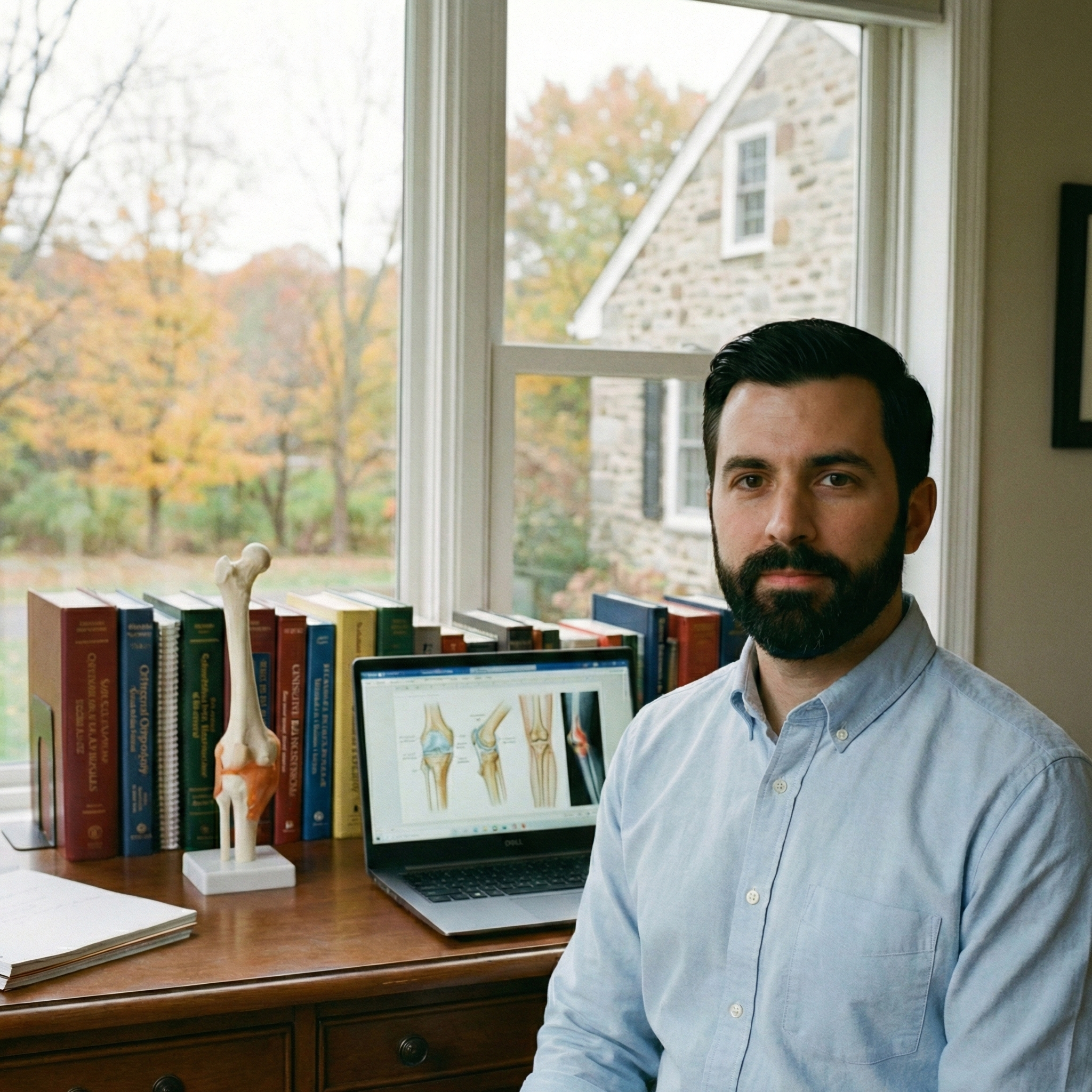
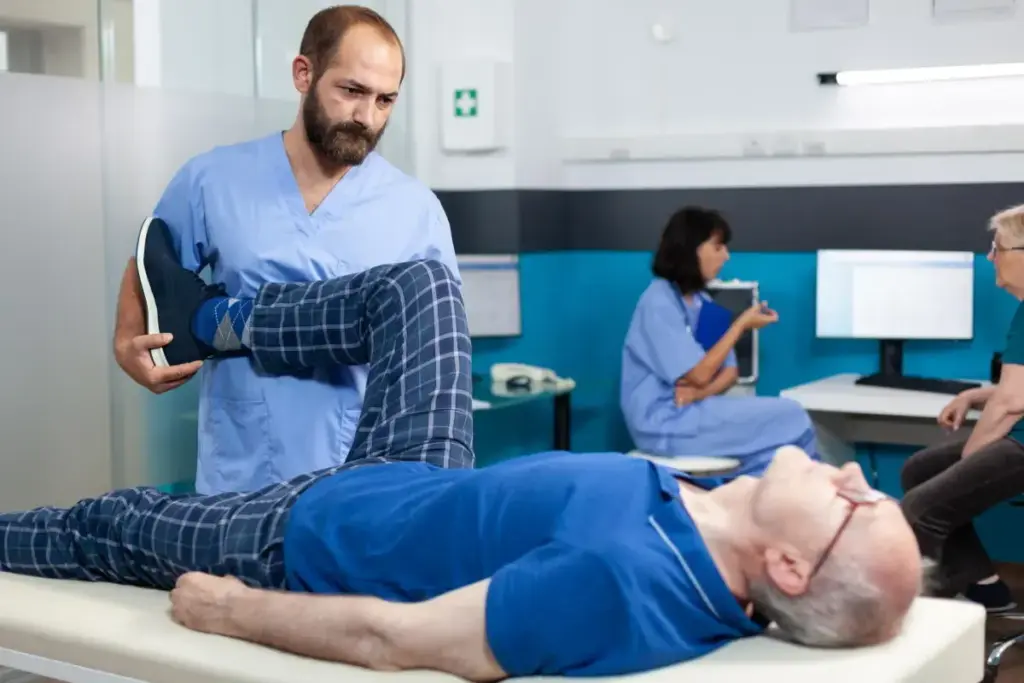
Orthopedic conditions affect millions worldwide. They impact the musculoskeletal system, which includes bones, joints, and muscles. These conditions can cause a lot of pain and limit how well you can move.
Discover what is orthopedic medicine and learn amazing facts about powerful treatments that restore your health and mobility quickly.
Discover what is orthopedic medicine and learn amazing facts about powerful treatments that restore your health and mobility quickly.
Examples of orthopedic conditions include osteoarthritis, fractures, and other musculoskeletal disorders. We will look at these conditions in detail. We will talk about their causes, symptoms, and how to treat them.
Key Takeaways
- Orthopedic conditions affect the musculoskeletal system.
- Common examples include osteoarthritis and fractures.
- These conditions can significantly impact quality of life.
- Understanding orthopedic conditions is key for effective management.
- Treatment options vary based on the condition and its severity.
Understanding Orthopedics: Definition and Scope
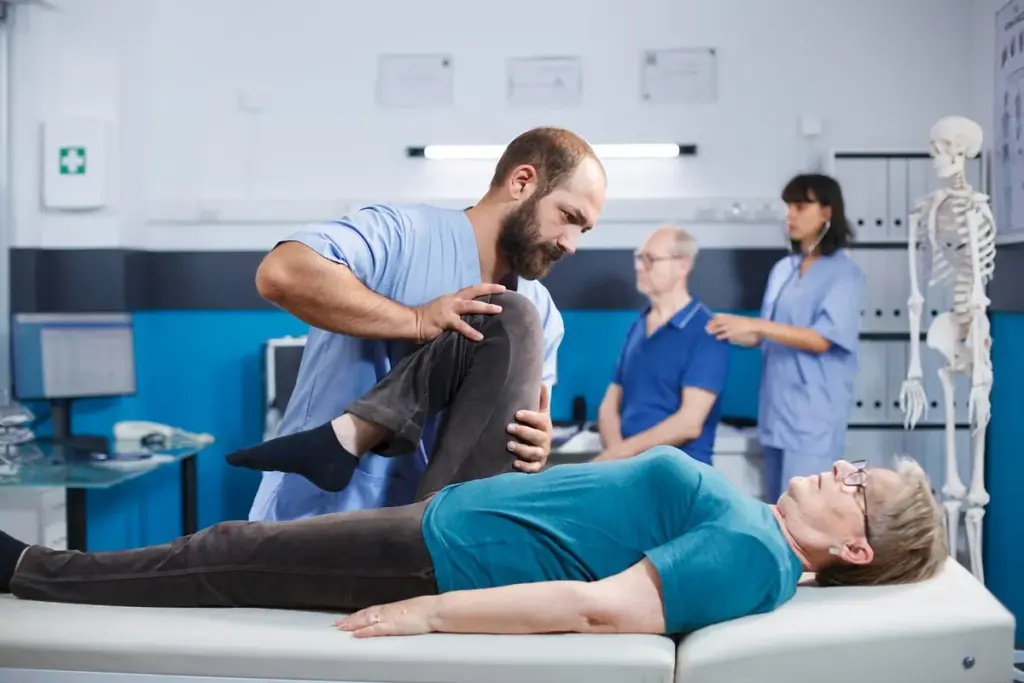
Orthopedics is a branch of medicine that deals with the prevention, diagnosis, and treatment of disorders and injuries affecting the musculoskeletal system.
Orthopedics is key in healthcare, tackling many conditions that affect bones, joints, muscles, and soft tissues. The term “orthopedic” comes from Greek words “orthos,” meaning straight or correct, and “paideia,” meaning upbringing or education of children. It has grown to care for musculoskeletal disorders in all ages.
The Medical Definition of Orthopedics
The medical definition of orthopedics includes diagnosing, treating, and preventing musculoskeletal disorders. This includes fractures, osteoarthritis, tendonitis, and spinal deformities. Orthopedic care is given by orthopedic surgeons and other specialists.
Key aspects of orthopedics include:
- Diagnosis of musculoskeletal conditions using imaging technologies and physical examinations
- Treatment options ranging from conservative management to surgical interventions
- Prevention strategies to reduce the risk of musculoskeletal injuries and disorders
History and Evolution of Orthopedic Practice
The history of orthopedics started in the 18th century, focusing on correcting skeletal deformities in children. The field has changed a lot, thanks to new medical technology, surgical techniques, and understanding of musculoskeletal health.
The evolution of orthopedics has been marked by several key developments:
- The introduction of X-rays, which revolutionized diagnostic capabilities
- The development of arthroscopy, allowing for minimally invasive surgical procedures
- Advances in prosthetic materials and surgical techniques, leading to improved outcomes in joint replacement surgery
Orthopedics keeps evolving, focusing more on preventive care, minimally invasive treatments, and personalized medicine. This ensures patients get the best care for their specific conditions.
What is Orthopedic Medicine and Who Does It Help?
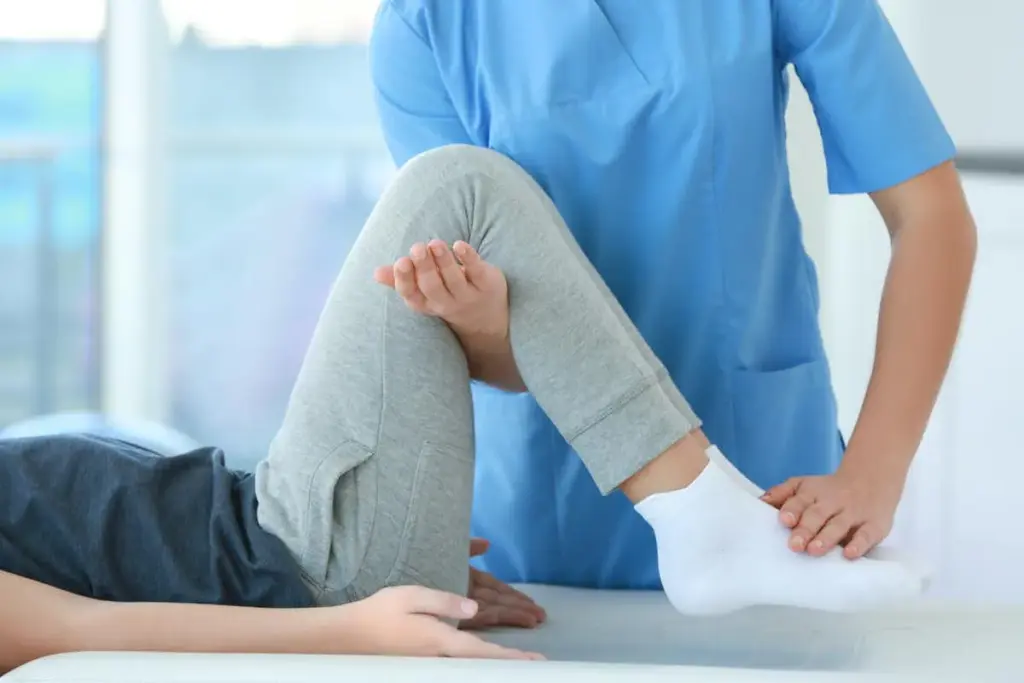
Orthopedic medicine is a special field that deals with musculoskeletal problems. It addresses both acute injuries and chronic conditions. It keeps our bones, joints, muscles, and soft tissues healthy and working right.
The Focus of Orthopedic Specialty
Orthopedic specialists focus on diagnosing and treating musculoskeletal issues. They handle everything from sports injuries to serious diseases. They use both non-surgical and surgical methods to help patients get better and move freely again.
Key areas of focus include:
- Treating acute injuries such as fractures and sprains
- Managing chronic conditions like osteoarthritis and tendonitis
- Performing surgical interventions, including joint replacements and arthroscopic procedures
- Providing rehabilitation guidance to ensure optimal recovery
Patient Demographics and Common Reasons for Seeking Orthopedic Care
Orthopedic medicine helps people of all ages. It’s for kids with growth problems and older adults with degenerative diseases. People seek orthopedic care for ongoing pain, limited movement, and injuries that make daily tasks hard.
|
Age Group |
Common Orthopedic Issues |
|---|---|
|
Children and Adolescents |
Growth-related issues, sports injuries, scoliosis |
|
Adults |
Sports injuries, tendonitis, osteoarthritis |
|
Older Adults |
Osteoarthritis, osteoporosis, degenerative disc disease |
Difference Between Orthopedics and Other Medical Specialties
Orthopedics is different from other specialties like rheumatology and physical medicine. Orthopedic doctors are surgeons who do operations. Rheumatologists treat diseases without surgery. Physical medicine and rehabilitation (PM&R) specialists help with chronic pain and musculoskeletal issues without surgery.
It’s important for patients to know the differences. Orthopedic medicine offers both non-surgical and surgical treatments. This way, it provides complete care for many musculoskeletal problems.
Common Orthopedic Conditions of the Spine
Spinal conditions like herniated discs, scoliosis, and spinal stenosis can cause a lot of pain. They can make everyday activities hard. It’s important to know about their symptoms, how they are diagnosed, and treatment options.
Herniated Discs and Bulging Discs
A herniated disc happens when the soft center of the disc leaks out. This can irritate nerves, leading to pain, numbness, or weakness in the back or legs. Bulging discs occur when the disc bulges out without a tear, which can also compress nerves.
Symptoms include back pain, pain that radiates down the legs, and numbness or tingling. Doctors use MRI or CT scans to diagnose these conditions.
Scoliosis and Spinal Curvature Disorders
Scoliosis is a condition where the spine curves abnormally. This can happen in different parts of the spine. It can be caused by genetics, neurological conditions, or developmental issues.
It’s important to catch scoliosis early. If not treated, it can lead to serious deformity and health problems. Treatment can range from observation and bracing to surgery, depending on the severity.
Spinal Stenosis and Compression Issues
Spinal stenosis is when the spinal canal narrows, putting pressure on the spinal cord and nerves. This can cause pain, numbness, or weakness in the back, legs, or arms. Compression from herniated discs or bone spurs can also cause similar symptoms.
For spinal stenosis, treatment often starts with physical therapy and pain management. In severe cases, surgery may be needed to relieve pressure on the spinal cord and nerves.
Orthopedic Conditions Affecting the Upper Extremities
It’s important to know about orthopedic conditions that affect the upper body. The upper extremities include the shoulder, elbow, wrist, and hand. These areas can get hurt and affect daily life and overall health.
Shoulder Conditions
Shoulder problems are common in the upper body. Issues like shoulder impingement, rotator cuff tears, and adhesive capsulitis (frozen shoulder) can happen. Shoulder impingement is when the rotator cuff tendons get irritated or inflamed, often from repetitive motion or overhead activities.
Rotator cuff tears happen when the muscles or tendons around the shoulder joint get damaged. This can be from injury or wear and tear over time. Symptoms include pain, limited mobility, and weakness.
Orthopedic treatment for these issues might include physical therapy, medications to reduce inflammation, or sometimes orthopedic surgery to fix damaged tissues.
Elbow Conditions
The elbow can also face many orthopedic problems. Tennis elbow (lateral epicondylitis) is a common one. It causes pain on the outer elbow, often from overuse or repetitive strain on the forearm muscles and tendons.
Other elbow issues include golfer’s elbow (medial epicondylitis) and elbow fractures. Treatment usually starts with rest, ice, and physical therapy. For severe cases, orthopedic treatment might include corticosteroid injections or surgery to fix damaged tendons or bones.
Wrist and Hand Conditions
The wrist and hand are complex and can be affected by several conditions. Carpal tunnel syndrome, wrist fractures, and trigger finger are examples. Carpal tunnel syndrome happens when the median nerve gets compressed, causing numbness, tingling, and pain in the hand and wrist.
|
Condition |
Symptoms |
Treatment Options |
|---|---|---|
|
Carpal Tunnel Syndrome |
Numbness, tingling, pain in hand and wrist |
Wrist splints, physical therapy, surgery |
|
Tennis Elbow |
Pain on outer elbow |
Rest, ice, physical therapy, corticosteroid injections |
|
Shoulder Impingement |
Pain, limited mobility, weakness in shoulder |
Physical therapy, medications, orthopedic surgery |
Knowing about these conditions and their treatments is key to managing symptoms and improving function. By getting the right orthopedic treatment, people can reduce pain and enhance their quality of life.
Lower Extremity Orthopedic Conditions
Orthopedic conditions in the lower body, like the hip, knee, foot, and ankle, are common. They need proper medical care. These issues can really hurt your ability to move and enjoy life.
We’ll look at the different orthopedic issues in the lower body. We’ll talk about how to diagnose, treat, and manage them. Knowing about these conditions helps both patients and doctors to act quickly and effectively.
Hip Conditions
Hip problems are a big issue as people get older. Hip osteoarthritis is very common. It happens when the hip joint wears out, causing pain and making it hard to move.
Other hip issues include hip fractures and hip dysplasia. It’s important to use X-rays and MRI to figure out the right treatment.
Knee Conditions
The knee is also prone to many orthopedic problems. Knee ligament injuries, like ACL tears, are common, mainly in athletes. These injuries might need physical therapy and sometimes surgery.
Knee osteoarthritis is another big problem. It causes knee pain and stiffness. Treatment can range from medicine and physical therapy to surgery like knee replacement.
Foot and Ankle Conditions
Foot and ankle issues can make everyday tasks hard. Ankle fractures and plantar fasciitis are common and need the right treatment.
How to treat foot and ankle problems depends on the issue. Treatment might include rest, physical therapy, or surgery.
|
Condition |
Common Symptoms |
Typical Treatments |
|---|---|---|
|
Hip Osteoarthritis |
Pain, stiffness, reduced mobility |
Medications, physical therapy, hip replacement surgery |
|
Knee Ligament Injuries |
Pain, instability, swelling |
Physical therapy, bracing, surgical repair |
|
Ankle Fractures |
Pain, swelling, inability to bear weight |
Immobilization, pain management, surgical fixation |
In conclusion, lower body orthopedic issues include many problems in the hip, knee, foot, and ankle. It’s important to understand these conditions and their treatments. This helps manage them well and improves patient results.
Arthritis: A Major Orthopedic Concern
Arthritis affects millions worldwide, causing various symptoms. It’s important to know its types and treatments for effective management.
Osteoarthritis: The Wear-and-Tear Condition
Osteoarthritis (OA) is the most common arthritis. It happens when cartilage in joints breaks down. This leads to pain, stiffness, and less mobility. Risk factors include age, obesity, and previous joint injuries.
OA affects over 32.5 million adults in the U.S. alone. Management includes lifestyle changes, physical therapy, and medication to ease symptoms.
Rheumatoid Arthritis: An Autoimmune Orthopedic Challenge
Rheumatoid arthritis (RA) is an autoimmune disease. It makes the immune system attack the lining of joints. This causes inflammation, pain, and can damage joints severely. Early diagnosis and treatment are key to prevent damage.
Other Forms of Arthritis Affecting the Musculoskeletal System
There are other arthritis types like psoriatic arthritis, gout, and lupus. Each has its own challenges and needs specific treatments.
|
Type of Arthritis |
Characteristics |
Common Treatments |
|---|---|---|
|
Osteoarthritis |
Wear-and-tear, cartilage breakdown |
Lifestyle changes, physical therapy, NSAIDs |
|
Rheumatoid Arthritis |
Autoimmune, joint inflammation |
DMARDs, biologics, corticosteroids |
|
Psoriatic Arthritis |
Associated with psoriasis, joint inflammation |
DMARDs, biologics, NSAIDs |
Treatment Approaches for Different Types of Arthritis
Effective treatment depends on accurate diagnosis and a tailored plan. It may include medicines, lifestyle changes, and alternative therapies.
“The goal of arthritis treatment is to reduce symptoms, improve function, and enhance quality of life. A multidisciplinary approach is often necessary to achieve these objectives.”
As we learn more about arthritis, a personalized care approach is key. It helps manage this complex condition effectively.
Orthopedic Conditions in Older Adults
As people get older, they face more orthopedic issues. These can really affect their life quality. It’s important to know about these conditions and how to handle them.
Age-Related Orthopedic Changes
With age, our bones and muscles change. Our bones get weaker, muscles shrink, and joints can wear out. These changes can cause problems like osteoporosis, osteoarthritis, and sarcopenia.
Osteoporosis makes bones break easily. It’s a big worry for older adults, but it’s more common in postmenopausal women.
Fall Prevention and Bone Health Maintenance
Stopping falls is key for older adults. Falls can cause serious injuries, like broken bones. To prevent falls, you can:
- Exercise to get stronger and balance better
- Make your home safe by removing things that can trip you
- Manage medicines that might make you dizzy
- Use canes or walkers to help you walk
Keeping bones healthy is also important. Eating foods rich in calcium and vitamin D helps. Also, don’t smoke and drink too much alcohol.
|
Strategy |
Description |
Benefit |
|---|---|---|
|
Regular Exercise |
Improves strength and balance |
Reduces risk of falls |
|
Dietary Changes |
Increases calcium and vitamin D intake |
Enhances bone health |
|
Home Safety |
Removes tripping hazards |
Prevents falls |
Managing Mobility and Independence
Dealing with orthopedic issues is important for staying mobile and independent. You can use physical therapy, assistive devices, or sometimes surgery.
Knowing about orthopedic problems in older adults and how to manage them helps them live better. They can keep their independence and quality of life.
When to See an Orthopedic Specialist
Knowing when to see an orthopedic specialist is key for good musculoskeletal health. These experts can handle many issues with bones, joints, muscles, and soft tissues.
Warning Signs of Serious Orthopedic Conditions
Some symptoms mean you need to see an orthopedic specialist right away. These include:
- Severe pain that doesn’t get better with rest
- Swelling, bruising, or deformity around a joint or bone
- Instability or weakness in a limb
- Numbness, tingling, or loss of sensation in a limb
- Recent trauma or injury to a bone or joint
If you notice any of these signs, seeing an orthopedic specialist is important. They can figure out what’s wrong and suggest the right treatment.
Differentiating Between Minor Aches and Serious Problems
Telling minor aches from serious problems can be tough. But here are some tips:
- If pain lasts more than a few days or gets worse
- If you have trouble moving a joint or limb
- If pain makes it hard to do daily activities or sleep
When these happen, talking to an orthopedic specialist is a good idea. They can find out why you’re feeling this way and suggest the best treatment.
Preparing for Your Orthopedic Appointment
To get the most from your visit to an orthopedic specialist, being ready is important. Here’s how:
- Bring any important medical records, like past diagnoses and treatments
- Write down your symptoms, when they started, and what makes them better or worse
- Remember any medicines you’re taking
- Make a list of questions for your specialist
Being well-prepared helps make your appointment useful. You’ll get the best care for your needs.
Diagnostic Procedures in Orthopedics
Orthopedic diagnosis uses many procedures to find musculoskeletal disorders. Finding the right diagnosis is key to good treatment. It lets doctors create plans that fix the main problem.
Imaging Technologies
Imaging is key in orthopedic diagnosis. We use different imaging tools to see the musculoskeletal system. These include:
- X-rays: Good for checking bone fractures, wear and tear, and bone alignment.
- Magnetic Resonance Imaging (MRI): Shows detailed images of soft tissues like tendons, ligaments, and cartilage, plus bones.
- Computed Tomography (CT) scans: Gives a detailed look at bones and is used for complex fractures or spinal issues.
- Ultrasound: Helps check soft tissue injuries, like tendonitis or ligament sprains.
Physical Examinations and Functional Tests
Physical exams and functional tests are very important. They help us understand a patient’s condition and find the cause of their symptoms. We might do tests like checking range of motion, strength, and feeling with our hands.
Laboratory Tests for Orthopedic Conditions
Laboratory tests give us important info for diagnosing orthopedic conditions. We might do blood tests to look for signs of inflammation or disease. For example, tests for rheumatoid factor or anti-CCP antibodies can help spot rheumatoid arthritis.
In summary, diagnosing orthopedic conditions needs a mix of imaging, physical exams, and lab tests. By using these tools, we can find musculoskeletal disorders accurately. Then, we can make good treatment plans.
Non-Surgical Treatments for Orthopedic Conditions
Non-surgical treatments are key in orthopedic care. They offer effective solutions without surgery. Orthopedic problems can really affect your life, so it’s important to explore all treatment options.
Physical Therapy and Rehabilitation
Physical therapy is vital for managing orthopedic conditions. It includes exercises and techniques to boost mobility and strength. Our physical therapists create personalized plans to meet each patient’s needs and goals.
- Customized Exercise Programs: Made just for the individual’s condition and abilities.
- Pain Management: Uses manual therapy and other methods to lessen pain.
- Functional Training: Helps patients get back to their daily activities and sports.
Medications and Injections
Medications and injections are key in non-surgical orthopedic care. They help manage pain, reduce inflammation, and improve joint function.
Commonly Used Medications:
- Nonsteroidal anti-inflammatory drugs (NSAIDs) to reduce pain and inflammation.
- Corticosteroid injections to ease inflamed joints or soft tissues.
- Hyaluronic acid injections to enhance joint lubrication.
“The right medication or injection can significantly improve a patient’s quality of life by reducing pain and improving mobility.”
— Orthopedic Specialist
Alternative and Complementary Therapies
Along with traditional treatments, alternative and complementary therapies can offer extra benefits. These include acupuncture, chiropractic care, and massage therapy.
- Acupuncture: Uses fine needles in specific body points to stimulate healing and pain relief.
- Chiropractic Care: Focuses on spinal manipulation and adjustments to improve alignment and reduce musculoskeletal pressure.
- Massage Therapy: Helps reduce muscle tension, improve circulation, and promote relaxation.
By combining these non-surgical treatments in a care plan, we can effectively address many orthopedic conditions. This improves patient outcomes and satisfaction.
Orthopedic Surgical Interventions
Orthopedic surgery is a wide range of procedures aimed at fixing musculoskeletal issues. These surgeries are considered when other treatments don’t work or are not enough.
Joint Replacement Surgery
Joint replacement surgery, or arthroplasty, replaces a damaged joint with an artificial one. It’s often done on hips, knees, and shoulders. The main goal is to ease pain, improve joint function, and better the patient’s life.
Benefits of Joint Replacement Surgery:
- Significant pain reduction
- Improved mobility and function
- Enhanced quality of life
|
Joint |
Common Conditions Treated |
Surgical Outcomes |
|---|---|---|
|
Hip |
Osteoarthritis, Rheumatoid Arthritis |
Pain relief, Improved mobility |
|
Knee |
Osteoarthritis, Meniscal tears |
Pain reduction, Enhanced function |
|
Shoulder |
Osteoarthritis, Rotator cuff tears |
Improved range of motion, Reduced pain |
Arthroscopic Procedures
Arthroscopy is a minimally invasive method for diagnosing and treating joint issues. It uses a small camera and tools through tiny cuts. It’s often used for knees, shoulders, and wrists.
Advantages of Arthroscopic Surgery:
- Smaller incisions, resulting in less tissue damage
- Quicker recovery times
- Reduced risk of complications
Spinal Surgery Options
Spinal surgery treats spine problems like herniated discs and scoliosis. It includes both simple and complex surgeries.
Types of Spinal Surgery:
- Discectomy: Removal of a herniated disc
- Spinal fusion: Joining two or more vertebrae together
- Laminectomy: Removing part of the vertebra to relieve pressure
Choosing orthopedic surgery is a big decision. Our specialists focus on personalized care. They make sure each patient gets the right treatment for their needs.
Recovery and Rehabilitation After Orthopedic Treatment
After orthopedic treatment, a good recovery plan is key. It helps patients get back to their normal life. Every patient is different, so a plan that fits them best is important.
Post-Surgery Recovery Timeline
The time it takes to recover from surgery varies. It depends on the surgery and the patient. In the first few weeks, patients might feel pain, swelling, and have trouble moving.
It’s important to follow a care plan. This includes managing pain, taking care of the wound, and slowly getting back to moving.
Typical Recovery Timeline:
|
Recovery Phase |
Duration |
Key Activities |
|---|---|---|
|
Immediate Post-Surgery |
1-2 weeks |
Pain management, wound care |
|
Early Rehabilitation |
2-6 weeks |
Gradual mobilization, physical therapy |
|
Advanced Rehabilitation |
6-12 weeks |
Strengthening exercises, functional training |
Rehabilitation Exercises and Protocols
Rehab exercises are vital for recovery. They help regain strength, flexibility, and function. We create a plan that starts with simple moves and gets more challenging.
Sample Rehabilitation Exercises:
- Range of motion exercises
- Strengthening exercises using resistance bands or weights
- Balance and coordination training
- Functional activities such as walking or climbing stairs
Long-term Management Strategies
Long-term care is important to keep the benefits of treatment. This includes ongoing therapy, making lifestyle changes, and regular check-ups.
Key Long-term Strategies:
- Maintaining a healthy weight to reduce joint stress
- Engaging in regular exercise to improve strength and flexibility
- Using proper techniques for lifting and bending to prevent injury
- Managing chronic conditions such as arthritis through medication and lifestyle changes
Conclusion: Living Well with Orthopedic Conditions
Living well with orthopedic conditions means getting the right diagnosis and treatment. We’ve looked at what orthopedic care is and the common conditions and treatments. This helps people understand their options better.
Orthopedic conditions can really affect someone’s life. Managing them well involves medical care, lifestyle changes, and sometimes surgery. Knowing about these conditions and treatments helps people make good choices for their health.
It’s key to get professional help for orthopedic problems. Orthopedic specialists are vital in diagnosing and treating these issues. They guide patients through their treatment, aiming for the best results.
FAQ
What is an orthopedic condition?
An orthopedic condition is any medical issue affecting the musculoskeletal system. This includes bones, joints, muscles, and soft tissues.
What does orthopedic mean?
Orthopedic means the branch of medicine that deals with musculoskeletal disorders and injuries. It includes diagnosis, treatment, and prevention.
What are common orthopedic conditions?
Common conditions include arthritis, fractures, sprains, strains, and tendinitis. Degenerative joint diseases are also common.
When should I see an orthopedic specialist?
See an orthopedic specialist if you have persistent pain or limited mobility. Also, if you experience significant discomfort in your bones, joints, or muscles.
What is the difference between orthopedics and other medical specialties?
Orthopedics focuses on musculoskeletal disorders and injuries. It’s different from other specialties because of its specific focus.
What diagnostic procedures are used in orthopedics?
Orthopedics uses X-rays, MRI, and CT scans for diagnosis. Physical examinations, functional tests, and lab tests are also used.
What are the treatment options for orthopedic conditions?
Treatment options include physical therapy, medications, and alternative therapies. Surgical interventions like joint replacement are also available.
How can I manage my orthopedic condition?
Managing your condition involves medical treatment, lifestyle changes, and rehabilitation exercises. These help maintain mobility and reduce pain.
What is the role of physical therapy in orthopedic care?
Physical therapy helps patients regain strength and improve mobility. It reduces pain through targeted exercises and rehabilitation protocols.
Can orthopedic conditions be prevented?
Some conditions can’t be prevented, but many can be mitigated or prevented. Maintaining a healthy weight, exercising regularly, and practicing good posture help.
What is orthopedic surgery?
Orthopedic surgery repairs or replaces damaged musculoskeletal tissues. Procedures include joint replacement, osteotomy, or arthroscopy.
How long does recovery take after orthopedic surgery?
Recovery time varies based on the procedure, individual health, and rehabilitation effectiveness. It depends on several factors.
World Health Organization. Evidence-Based Medical Insight. Retrieved from
https://www.who.int/news-room/fact-sheets/detail/musculoskeletal-conditions[2



 Departments
 Related Videos
 Our Doctors
 News
News