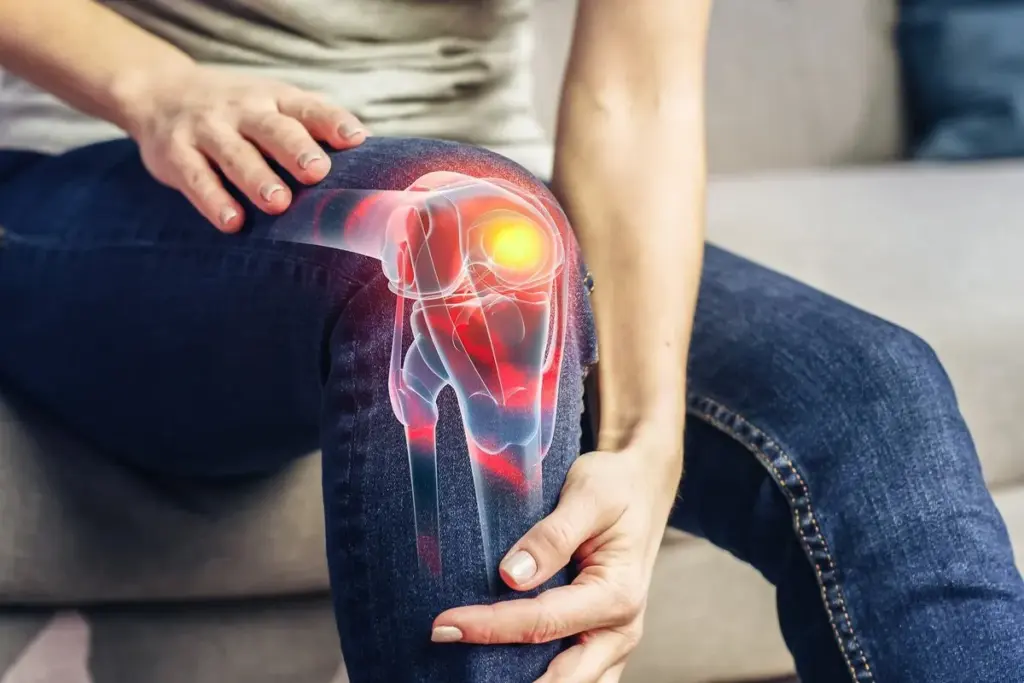
Nearly 50% of adults face musculoskeletal disorders each year. This affects their daily lives a lot. Orthopedic physical therapy can change their lives, helping them after surgery, injury, or illness.
Orthopedic rehabilitation is key in the recovery process. It aims to restore function and mobility. A skilled physical therapist (PT) helps patients regain strength and get back to their normal activities.
This article will explore ortho therapy. We’ll look at its benefits and what to expect from orthopedic therapy sessions.
Key Takeaways
- Orthopedic physical therapy is a vital component of recovery from musculoskeletal disorders.
- A skilled physical therapist can help patients regain strength and mobility.
- Orthopedic rehabilitation focuses on restoring function and mobility.
- Ortho therapy can be life-changing for those recovering from surgery, injury, or illness.
- Grasping the fundamentals of orthopedic therapy can empower individuals to make informed decisions about their care.
Understanding Ortho Therapy and What is Orthopedics
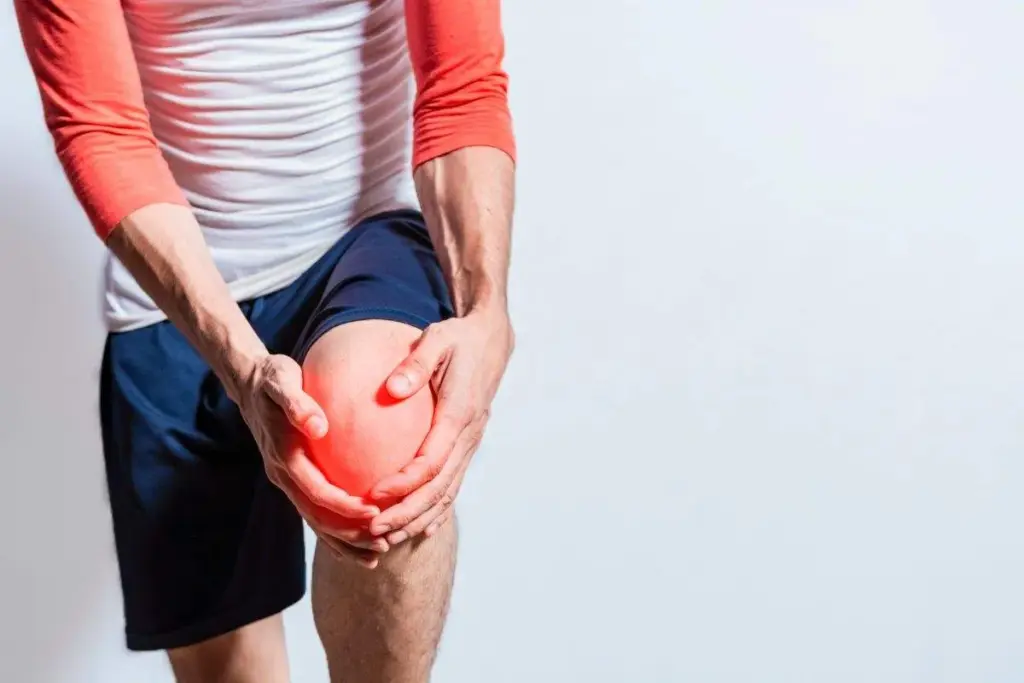
Ortho therapy is all about orthopedics, a field that deals with bones and muscles. It’s about fixing problems in these areas. Ortho therapy, or physical therapy for bones and muscles, is key in this field.
Definition and Scope of Orthopedic Therapy
Orthopedic physical therapy takes care of your bones, muscles, and more. A orthopedic physical therapist helps fix problems in these areas. They work to make you feel better and move better.
This therapy covers many issues, from sudden injuries to long-term problems. It’s a complex field that needs a lot of knowledge.
The Relationship Between Orthopedics and Physical Therapy
“Orthopedics” and “physical therapy” go hand in hand. Physical therapy is a big part of orthopedic care. It helps people get better from injuries or conditions.
An orthopedic physical therapist uses special techniques to help patients. They might use exercises, manual therapy, or other methods. The goal is to help you move better and do things you love again.
Ortho PT is all about giving you the best care for your bones and muscles. It’s a big part of fixing problems in these areas.
The History and Evolution of Orthopedic Therapy

Orthopedic therapy has changed a lot over the years. It started with simple methods and now includes advanced rehabilitation techniques. This shows how much medical science has grown and our knowledge of the body’s muscles and bones.
The word “orthopedic” comes from the 18th century. It combines “orthos” (meaning straight) and “paideia” (meaning upbringing). At first, it was about fixing deformities in kids. Now, it helps people of all ages with musculoskeletal problems.
Origins of Orthopedic Medicine
Orthopedic medicine has roots in ancient times. Early forms of orthopedic therapy were seen in ancient Egypt and Greece. They used basic methods and tools back then.
As medicine got better, so did orthopedic treatments. New tools and a better understanding of bones and muscles have helped a lot.
Development of Modern Orthopedic Rehabilitation Techniques
Today, orthopedic rehab focuses on proven methods. Manual therapy, therapeutic exercise programs, and modalities and assistive devices are key. Experts say, “When you see a PT, you’re seeing a doctor with a clinical doctorate after three years of graduate school.”
Orthopedic therapy keeps getting better with new research and technology. This helps make treatments more effective and tailored to each person. As we learn more, we can help patients live better lives.
Types of Orthopedic Therapy Specializations
Ortho physical therapy has many specializations to meet different patient needs. These specializations help physical therapists focus on specific groups and conditions. This makes orthopedic and sports physical therapy more effective.
Sports Orthopedic Physical Therapy
Sports orthopedic physical therapy helps athletes and sports enthusiasts. It involves understanding sports mechanics, common injuries, and how to get athletes back in action.
Key components of sports orthopedic physical therapy include:
- Injury prevention strategies
- Personalized rehabilitation programs
- Performance enhancement techniques
Post-Surgical Rehabilitation
Post-surgical rehabilitation is key in orthopedic therapy. It helps patients recover from surgeries like joint replacements and ligament repairs. Physical therapists work with surgeons to help patients regain strength and mobility.
|
Surgery Type |
Rehabilitation Goals |
Typical Outcomes |
|---|---|---|
|
Joint Replacement |
Restore range of motion, strengthen surrounding muscles |
Improved mobility, reduced pain |
|
Ligament Repair |
Regain stability, improve proprioception |
Enhanced joint stability, return to activity |
Geriatric Orthopedic Care
Geriatric orthopedic care focuses on older adults with orthopedic issues. It deals with age-related problems like osteoporosis and arthritis. Physical therapists create plans to improve function and quality of life.
The goals of geriatric orthopedic care include:
- Maintaining independence
- Managing chronic conditions
- Improving balance and reducing fall risk
Common Conditions Treated with Ortho PT
Orthopedic physical therapy helps many people with musculoskeletal issues. It’s a flexible treatment that meets the needs of different patients. This includes those with various musculoskeletal disorders.
Joint and Bone Disorders
Many people get help for joint and bone problems with orthopedic physical therapy. These include:
Arthritis and Joint Degeneration
Arthritis causes joint inflammation and degeneration. Ortho PT helps manage symptoms and improve joint mobility. It also makes life better for those with arthritis.
Fractures and Dislocations
Fractures and dislocations need careful treatment for healing and function. Orthopedic physical therapists are key in the recovery process. They help patients regain strength and mobility.
|
Condition |
Treatment Goals |
Ortho PT Interventions |
|---|---|---|
|
Arthritis |
Reduce pain, improve joint mobility |
Manual therapy, therapeutic exercises |
|
Fractures/Dislocations |
Restore function, strength, and mobility |
Rehabilitation exercises, pain management |
Soft Tissue Injuries
Soft tissue injuries, like sprains and strains, are common. They can make daily activities and sports hard. Ortho PT treats these injuries.
Sprains, Strains, and Tears
Sprains, strains, and tears damage ligaments, muscles, or tendons. Ortho PT aims to reduce pain and promote healing. It also helps restore function.
Tendinitis and Bursitis
Tendinitis and bursitis are inflammatory conditions. Ortho PT helps manage inflammation and pain. It also improves mobility.
Spine and Posture Problems
Spine and posture issues, like scoliosis, can be managed with orthopedic physical therapy. Ortho PT aims to improve posture and reduce pain. It also enhances spinal mobility.
In conclusion, orthopedic physical therapy treats many musculoskeletal conditions. This includes joint and bone disorders, soft tissue injuries, and spine and posture problems. By tailoring treatment plans, orthopedic physical therapists help patients recover and improve their quality of life.
Orthopedic Therapy Techniques and Approaches
Orthopedic physical therapists use many methods to treat musculoskeletal disorders. They aim to restore function, reduce pain, and improve life quality for patients.
These techniques vary and are tailored to each patient’s needs. They fall into several key areas.
Manual Therapy Methods
Manual therapy uses hands-on techniques to diagnose and treat musculoskeletal disorders. It includes joint mobilization, soft tissue mobilization, and manipulation. These methods help reduce pain, improve joint mobility, and enhance function.
For example, joint mobilization involves applying manual pressure to improve joint movement and reduce stiffness. Soft tissue mobilization treats muscles, tendons, and ligaments to alleviate tension and promote healing.
Therapeutic Exercise Programs
Therapeutic exercises are key in orthopedic therapy. They aim to improve strength, flexibility, and range of motion. These exercises are customized for each patient and may include stretching, strengthening, and stabilization exercises.
A good exercise program helps recover from injury or surgery and prevents future issues. Patients learn how to do these exercises correctly at home to keep improving.
Modalities and Assistive Devices
Orthopedic physical therapists also use modalities and assistive devices to enhance treatments. Modalities include heat and cold therapy, electrical stimulation, and ultrasound. These help reduce pain, inflammation, promote healing, and improve tissue repair.
Assistive devices like braces, orthotics, and walking aids support the musculoskeletal system. They enhance mobility and protect affected areas during recovery.
Pain Management Strategies
Effective pain management is vital in orthopedic therapy. Strategies include manual therapy, modalities, and education on posture, body mechanics, and activity modification.
Pain management is tailored to each patient. Therapists work closely with patients to develop a plan that meets their specific needs and goals. This approach ensures patients receive care that alleviates pain and prepares them to manage future discomfort.
The Role of an Orthopedic Physical Therapist
An orthopedic physical therapist plays a key role in treating musculoskeletal conditions. They are experts in diagnosing and treating disorders of the musculoskeletal system. Their work improves patient outcomes significantly.
Education and Certification Requirements
To become an orthopedic physical therapist, one needs a lot of education and training. They must earn a Doctor of Physical Therapy (DPT) degree from an accredited program. They also need a state license to practice.
Many go further and get specialized certifications, like the Orthopedic Certified Specialist (OCS) from the American Board of Physical Therapy Specialties. This shows they have advanced knowledge and skills.
“The orthopedic physical therapist plays a critical role in the healthcare system, providing essential services that help patients recover from injuries, manage chronic conditions, and improve their overall quality of life.”
— APTA
Assessment and Treatment Planning
Orthopedic physical therapists can evaluate, diagnose, and treat many musculoskeletal conditions. They use various tools and techniques to find the cause of symptoms and create a treatment plan.
They start with a detailed medical history and physical examination. They might also use diagnostic tests like X-rays or MRIs. Then, they make a treatment plan that could include manual therapy, exercises, and modalities like heat or cold therapy.
|
Assessment Tools |
Description |
|---|---|
|
Medical History |
A thorough review of the patient’s medical history to identify underlying conditions or previous injuries. |
|
Physical Examination |
A complete physical examination to check range of motion, strength, and flexibility. |
|
Diagnostic Tests |
The use of diagnostic tests such as X-rays or MRIs to confirm a diagnosis. |
Collaboration with Other Healthcare Providers
Orthopedic physical therapists often work with other healthcare providers. This includes orthopedic surgeons, primary care physicians, and pain management specialists. Working together ensures patients get the best care for their needs.
Good teamwork means clear communication, respect, and a shared goal of improving patient outcomes. By working together, healthcare providers can better understand a patient’s condition and create a more effective treatment plan.
Benefits and Effectiveness of Orthopedic Rehabilitation
Orthopedic rehabilitation is key for those with musculoskeletal injuries or conditions. It helps patients regain strength, mobility, and function. This improves their quality of life greatly.
Physical Benefits
Orthopedic physical therapy brings many physical benefits. It includes pain reduction and improved mobility and function. Therapists use manual therapy, exercises, and modalities to help patients.
Pain Reduction
Reducing pain is a main goal of orthopedic rehabilitation. Targeted interventions help patients feel less pain. This makes daily activities and exercises easier.
Improved Mobility and Function
Orthopedic therapy also boosts mobility and function. It improves range of motion and strengthens muscles. Patients can then do activities they love again.
Long-term Outcomes
The long-term results of orthopedic rehabilitation are impressive. It addresses musculoskeletal issues at their source. This leads to lasting health and well-being improvements.
Evidence-Based Results
Many studies prove orthopedic rehabilitation’s effectiveness. Evidence shows it can greatly improve patient outcomes. It reduces the need for surgery and speeds up recovery.
Using evidence-based practices, therapists ensure patients get the best care. This approach boosts patient outcomes and helps develop new rehabilitation techniques.
Choosing the Right Orthopedic and Sports Physical Therapy Provider
Finding the right orthopedic and sports physical therapy provider is key to a good outcome. With many choices, knowing what to look for and what to ask is important.
Qualifications to Look For
A good orthopedic and sports physical therapist has the right education and certification. Look for someone who is a board-certified Orthopedic Certified Specialist (OCS) or a Sports Certified Specialist. These certifications show they know a lot about treating injuries.
Key Qualifications:
- Doctor of Physical Therapy (DPT) degree
- Orthopedic Certified Specialist (OCS) or Sports Certified Specialist certification
- Licensure to practice in their state
Questions to Ask Before Starting Treatment
Before starting treatment, ask important questions. This ensures you’re in good hands. Some key questions include:
- What experience do you have in treating conditions like mine?
- What is your approach to treatment, and what techniques do you use?
- How will you measure my progress, and what are the expected outcomes?
Understanding the therapist’s approach and experience can help you feel more confident in your care.
Insurance and Payment Considerations
It’s important to know about insurance and payment options to avoid surprises. Here are some key points to consider:
|
Insurance/Payment Aspect |
Description |
|---|---|
|
Insurance Coverage |
Check if the provider is in-network with your insurance plan. |
|
Payment Options |
Ask about available payment plans or out-of-pocket costs. |
|
Cost of Sessions |
Understand the cost per session and any additional fees. |
Being informed about the financial aspects of your care can help reduce stress and allow you to focus on your recovery.
Conclusion
Orthopedic therapy is key in diagnosing and treating musculoskeletal issues. An orthopedic physical therapist creates custom treatment plans. These plans help patients recover from various musculoskeletal disorders.
We’ve looked at what orthopedic therapy is, its history, and its specializations. We’ve also talked about common conditions it treats and the benefits of rehabilitation. Understanding physical therapy meaning helps people manage their musculoskeletal health better.
By getting professional care from an orthopedic physical therapist, patients can see better results. They can also enjoy a better quality of life.
In summary, orthopedic therapy is vital in today’s healthcare. It has a big impact on those with musculoskeletal conditions. It helps them recover and regain their independence.
FAQ
What does orthopedic mean?
Orthopedic is about the part of medicine that deals with bones, joints, muscles, and soft tissues. It involves preventing, diagnosing, and treating disorders and injuries in these areas.
What is orthopedic physical therapy?
Orthopedic physical therapy treats musculoskeletal conditions. This includes joint and bone disorders, soft tissue injuries, and spine and posture problems. It uses manual therapy, exercise, and modalities.
What is the difference between physical therapy and orthopedic physical therapy?
Physical therapy is a wide term covering many specialties. Orthopedic physical therapy, on the other hand, is a specific type. It focuses on musculoskeletal conditions, making it more specialized.
What conditions can be treated with ortho PT?
Ortho PT treats many conditions. This includes joint and bone disorders, soft tissue injuries, and spine and posture problems. Examples are osteoarthritis, fractures, sprains, strains, scoliosis, and herniated discs.
What techniques are used in orthopedic therapy?
Orthopedic therapy uses various techniques. These include manual therapy, like joint mobilization and soft tissue mobilization. It also includes therapeutic exercises, modalities like heat and cold therapy, and pain management strategies.
What are the benefits of orthopedic rehabilitation?
Orthopedic rehabilitation improves physical function and reduces pain. It also enhances overall quality of life. Long-term benefits include reduced risk of future injuries and improved joint health.
How do I choose the right orthopedic and sports physical therapy provider?
When choosing a provider, look for certifications in orthopedic physical therapy. Ask about their experience and treatment approaches. Also, consider insurance and payment options.
What is the role of an orthopedic physical therapist?
An orthopedic physical therapist treats musculoskeletal conditions. They use manual therapy, exercises, and modalities. They work with other healthcare providers to create treatment plans.
What is sports orthopedic physical therapy?
Sports orthopedic physical therapy focuses on athletes and sports participants. It treats injuries and conditions specific to their sport or activity.
What is geriatric orthopedic care?
Geriatric orthopedic care treats older adults with musculoskeletal conditions. It considers their unique needs and health status. It often uses a gentle and adaptive approach to therapy.
References
National Center for Biotechnology Information. Evidence-Based Medical Insight. Retrieved from https://pmc.ncbi.nlm.nih.gov/articles/PMC8938198/[3