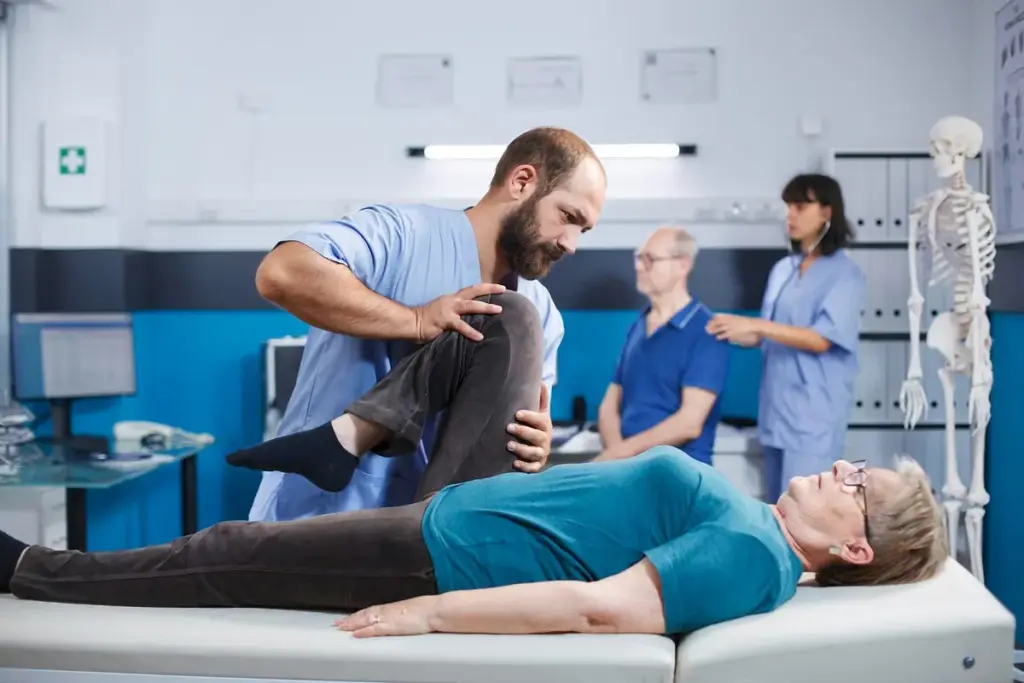
Musculoskeletal disorders affect millions of people worldwide. The American Academy of Orthopaedic Surgeons says one in seven Americans will need orthopedic care at some point.
An orthopedic specialist or orthopedic doctor can diagnose and treat many conditions. This includes fractures, sprains, and chronic conditions like arthritis.
Many think orthopedics only means surgery. But, it includes many treatments, like non-surgical ones.
Key Takeaways
- Orthopedic care is not limited to surgery.
- Orthopedic specialists treat a variety of musculoskeletal conditions.
- Non-surgical treatments are a significant part of orthopedic care.
- An orthopedic doctor can provide both surgical and non-surgical interventions.
- The scope of orthopedics includes diagnosis, treatment, and prevention of musculoskeletal disorders.
Understanding Orthopedics: Definition and Scope
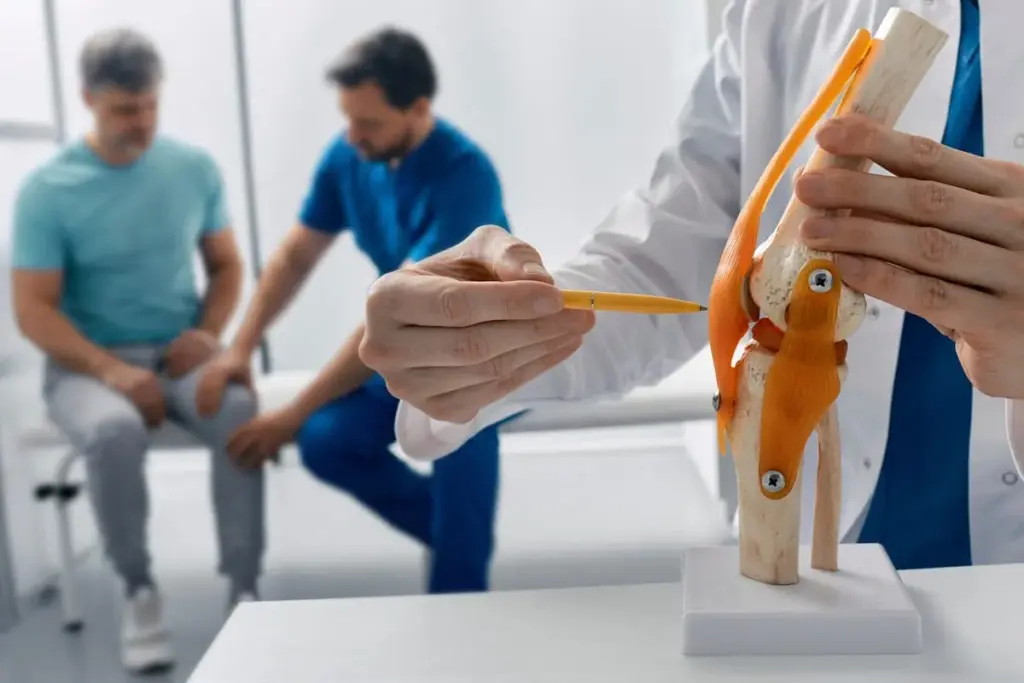
Orthopedics is a medical field that deals with the musculoskeletal system. It includes the diagnosis, treatment, and prevention of disorders and injuries. This field is also known as orthopaedics.
The Field of Orthopedics Defined
The word “orthopedic” comes from Greek words. ‘Orthos’ means straight or correct, and ‘paideia’ means upbringing of children. At first, it was about fixing musculoskeletal deformities in kids. Now, it covers many conditions in people of all ages.
Orthopedic specialists treat many issues. This includes fractures, sprains, and chronic conditions like arthritis. They use surgery and non-surgical methods to help patients feel better and move easier.
Historical Development of Orthopedic Medicine
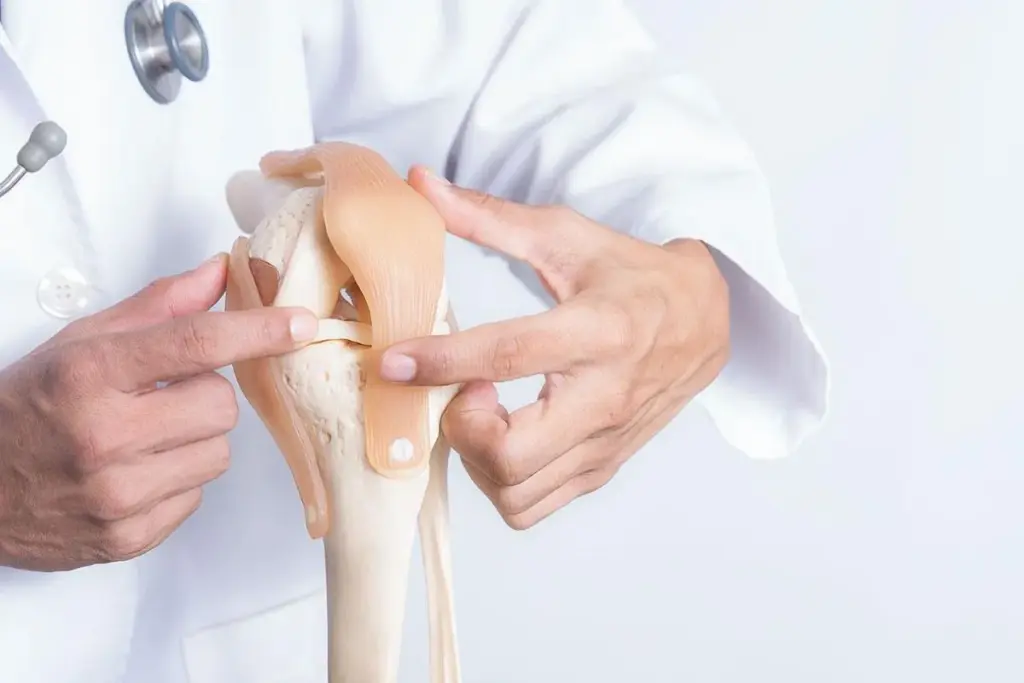
Orthopedic medicine has a long history. Ancient civilizations like Egypt and Greece treated bone injuries. But, it became a real medical field in the 18th century.
|
Period |
Key Developments in Orthopedics |
|---|---|
|
18th Century |
Orthopedics emerged as a distinct medical specialty, focusing on correcting musculoskeletal deformities in children. |
|
19th Century |
Advancements in surgical techniques and the introduction of anesthesia improved orthopedic treatments. |
|
20th Century |
Joint replacement surgeries, new imaging technologies, and physical therapy became part of orthopedic care. |
Orthopedics keeps getting better. It uses new technologies and treatments to help patients more effectively.
What Is Orthopedics: Core Focus Areas and Specializations
Orthopedic care focuses on the musculoskeletal system. It deals with conditions that affect how we move and our overall well-being. This system includes bones, joints, muscles, and tissues that support our body.
Musculoskeletal System: The Foundation of Orthopedics
The musculoskeletal system is complex. It has many parts working together to help us move and function. Orthopedic specialists work with this system to find and treat different conditions.
Key components of the musculoskeletal system include:
- Bones: They give our body structure and protect our organs.
- Joints: They let us move and stay flexible.
- Muscles: They help us move by contracting and relaxing.
- Tendons and Ligaments: They connect muscles to bones and keep joints stable.
Common Conditions Treated by Orthopedic Specialists
Orthopedic specialists treat many conditions in the musculoskeletal system. These can be sudden injuries or long-term problems from wear and tear.
Common orthopedic conditions include:
- Osteoarthritis: A disease that makes joints painful and stiff.
- Fractures: Breaks in bones that need to be fixed.
- Tendinitis: Inflammation of tendons, often from too much use.
- Ligament sprains: Tears or stretches in ligaments, usually in joints.
- Muscle strains: Tears or pulls in muscles, often from overstretching or sudden contraction.
Knowing about these conditions and how they affect the musculoskeletal system is key. Orthopedic specialists use various treatments, from non-surgical options to surgery, to help patients feel better and move more easily.
The Orthopedic Profession: Common Misconceptions
Many people don’t know the difference between orthopedic surgeons and non-surgical specialists. The field of orthopedics is complex. It involves many medical practices for different needs and conditions.
The Surgeon vs. Non-Surgeon Distinction
Orthopedic surgeons and non-surgeons treat musculoskeletal conditions differently. Orthopedic surgeons perform surgeries like joint replacements and fracture repairs. On the other hand, non-surgical orthopedic specialists use treatments like physical therapy and medication.
These two groups have different training and expertise. Surgeons get a lot of surgical training. Non-surgeons might specialize in sports medicine or pain management.
Scope of Practice Differences
Orthopedic surgeons and non-surgeons have different roles. Surgeons do a variety of surgeries, from small arthroscopy to big reconstructive surgeries. Non-surgeons treat musculoskeletal conditions without surgery.
|
Aspect |
Orthopedic Surgeons |
Non-Surgical Orthopedists |
|---|---|---|
|
Primary Approach |
Surgical interventions |
Conservative treatments |
|
Training and Expertise |
Extensive surgical training |
Specialized training in non-surgical areas |
|
Scope of Practice |
Wide range of surgical procedures |
Non-invasive diagnosis and treatment |
It’s important for patients to understand these differences. Knowing the roles of surgeons and non-surgeons helps them choose the right specialist. This ensures they get the best care for their needs.
Types of Orthopedic Specialists: Surgeons vs. Non-Surgeons
It’s important to know the different types of orthopedic specialists. This helps patients find the right care for their bone and joint issues. There are doctors who do surgery and those who don’t.
Orthopedic Surgeons: Training and Expertise
Orthopedic surgeons are doctors who specialize in surgery for bone and joint problems. They go to medical school and then do a long residency in orthopedic surgery. Some even do extra training through fellowships.
According to the American Academy of Orthopaedic Surgeons (AAOS), these surgeons can treat many conditions. This includes fractures, sports injuries, and diseases like arthritis. They know how to do surgery and non-surgical treatments, but they focus more on surgery.
“Orthopedic surgeons play a critical role in the management of musculoskeletal conditions, providing a variety of treatment options from surgical interventions to non-surgical approaches.”
American Academy of Orthopaedic Surgeons
Non-Surgical Orthopedists: Role and Specializations
Non-surgical orthopedists treat bone and joint problems without surgery. They include physiatrists, sports medicine specialists, and rheumatologists. They use physical therapy, medicines, and injections to help with pain and function.
|
Specialist Type |
Primary Focus |
Common Treatments |
|---|---|---|
|
Orthopedic Surgeons |
Surgical treatments |
Joint replacements, fracture repairs, ligament reconstructions |
|
Non-Surgical Orthopedists |
Non-surgical treatments |
Physical therapy, pain management, injections |
Non-surgical orthopedists work with patients to create treatment plans. They help patients avoid surgery when possible. They also work with surgeons for pre- and post-operative care.
In conclusion, both orthopedic surgeons and non-surgical orthopedists are key in treating musculoskeletal conditions. Knowing their specialties is important for the right treatment.
Education and Training Path for Orthopedic Doctors
Orthopedic doctors go through a lot of education and training. They start with medical school. Then, they get specialized training in orthopedic surgery or related fields.
Medical School and Residency Requirements
To become an orthopedic doctor, you first need to finish medical school. This takes four years. Students learn a lot about health and disease during this time.
After medical school, you must do a residency program. This lasts from five to six years. You’ll learn how to diagnose and treat musculoskeletal conditions under the guidance of experienced surgeons.
Residency programs are very competitive. The training is tough, with both surgical and non-surgical treatments. You’ll work in hospitals and clinics, getting real-world experience with patient care.
Fellowship Training and Specialization Options
After residency, many doctors do fellowship programs. These last one to two years. They focus on areas like sports medicine or joint reconstruction.
Fellowship programs let doctors specialize in what they’re interested in. This way, they can focus on their career goals.
Board Certification Process
Getting board certified is a big step for orthopedic doctors. It means passing a tough exam from a board like the American Board of Orthopaedic Surgery (ABOS). It shows they can give top-notch care to patients.
To keep their certification, doctors must keep learning. They need to do continuing education and follow professional standards. This keeps them up-to-date with the latest in orthopedic medicine.
Non-Surgical Orthopedic Specialists: Roles and Responsibilities
Non-surgical orthopedic specialists are key in treating musculoskeletal issues without surgery. They offer care that is both effective and gentle.
Diagnostic Expertise and Patient Evaluation
These specialists are great at figuring out what’s wrong with a patient’s musculoskeletal system. They do this by looking at the patient’s medical history, doing a physical check-up, and sometimes using X-rays or MRIs.
They can spot problems like tendonitis, ligament sprains, osteoarthritis, or spinal disorders.
Conservative Treatment Approaches
After finding out what’s wrong, they create a treatment plan. This might include physical therapy, exercise, bracing, or orthotics to help the affected area.
They might also prescribe medicines like anti-inflammatory drugs or pain relievers to help with symptoms and healing.
Pain Management Techniques
Pain management is a big part of what they do. They use injections like corticosteroids or PRP therapy to help with inflammation and healing.
They also use things like ultrasound or electrical stimulation to help with pain and recovery.
|
Treatment Approach |
Description |
Benefits |
|---|---|---|
|
Physical Therapy |
Customized exercise programs to improve strength and flexibility |
Enhances recovery, reduces pain |
|
Bracing/Orthotics |
Devices to support and stabilize affected areas |
Reduces strain, promotes healing |
|
Pain Management Injections |
Corticosteroid or PRP injections to reduce inflammation |
Quick pain relief, promotes healing |
Specialized Non-Surgical Orthopedic Fields
Orthopedics goes beyond surgery. It includes many areas focused on non-surgical care. These fields offer treatments for different musculoskeletal issues, giving patients many options.
Physical Medicine and Rehabilitation Physicians (PM&R)
PM&R doctors, or physiatrists, help patients with chronic pain and injuries. They use treatments like medications, physical therapy, and injections. This helps improve function and reduce pain.
According to the American Academy of Physical Medicine and Rehabilitation, PM&R doctors treat many conditions. This includes sports injuries and spinal cord injuries. They aim to improve function and quality of life.
Sports Medicine Specialists
Sports medicine specialists treat sports-related injuries and conditions. They help athletes improve performance and manage injuries. Treatments include physical therapy, bracing, and regenerative medicine.
“Sports medicine specialists play a key role in keeping athletes healthy and improving their performance. They offer advice on training, nutrition, and recovery.” –
American Orthopaedic Society for Sports Medicine
Pediatric Orthopedic Specialists
Pediatric orthopedic specialists care for children’s musculoskeletal issues. They treat conditions like scoliosis and clubfoot. Non-surgical treatments include bracing, casting, and physical therapy.
|
Condition |
Common Non-Surgical Treatments |
|---|---|
|
Scoliosis |
Bracing, Physical Therapy |
|
Clubfoot |
Casting, Bracing |
|
Developmental Dysplasia of the Hip |
Pavlik Harness, Bracing |
Rheumatologists and Their Role in Orthopedic Care
Rheumatologists focus on treating rheumatic diseases like arthritis and lupus. They work with orthopedic specialists to care for musculoskeletal conditions.
Rheumatologists use non-surgical treatments like medications and injections. These help manage inflammation and pain from rheumatic diseases.
Common Non-Surgical Orthopedic Treatments
Non-surgical orthopedic treatments offer many effective solutions for musculoskeletal issues. These options are often chosen because they are less invasive and have quicker recovery times. This is compared to surgical methods.
Physical Therapy and Exercise Programs
Physical therapy is a key part of non-surgical orthopedic care. It includes personalized exercise plans to boost mobility, strength, and function. A physical therapist helps patients recover from injuries, manage chronic conditions, and improve physical performance.
Exercise programs are made to fit each person’s needs. They may include stretching, strengthening, and aerobic exercises. The aim is to restore function and lessen pain.
Medications and Injections
Medications are vital in managing pain and inflammation from orthopedic conditions. Common medications include nonsteroidal anti-inflammatory drugs (NSAIDs), analgesics, and corticosteroids.
Injections, like corticosteroid injections or viscosupplementation (e.g., hyaluronic acid injections), offer targeted relief. They are used for conditions like osteoarthritis.
Bracing, Casting, and Orthotics
Bracing, casting, and orthotics provide support and stabilize joints. Orthotics are custom-made to meet specific needs, helping to reduce pain and improve function.
Casting is used for acute injuries or post-injury care. It helps to immobilize the affected area and aid in healing.
Regenerative Medicine Approaches
Regenerative medicine is a growing field in orthopedics. It uses the body’s natural healing processes. Techniques include platelet-rich plasma (PRP) therapy and stem cell therapy, aiming to repair damaged tissues.
“Regenerative medicine offers promising solutions for patients seeking alternatives to traditional surgical interventions.”
These non-surgical treatments show the variety of options in orthopedic care. They cater to many conditions and patient needs.
When Surgery Is Necessary: The Referral Process
Deciding if surgery is needed is a team effort. Collaboration between different healthcare professionals is key. A smooth referral process is vital for the best results.
Determining Surgical Candidacy
Figuring out if surgery is needed involves a detailed check-up. Orthopedic experts use tests and exams to decide. They look at the patient’s health and medical history.
They consider how severe the condition is, the patient’s age, and how they’ve reacted to treatments before. Collaboration between the primary care physician, orthopedic specialist, and other healthcare professionals is essential in making this decision.
Collaboration Between Surgical and Non-Surgical Specialists
Working together is key for good care. Non-surgical orthopedists help figure out when surgery is needed. They then refer patients to the right orthopedic surgeon.
This teamwork ensures a smooth move from non-surgical to surgical care. It helps create a treatment plan that meets the patient’s needs fully.
Pre and Post-Surgical Care by Non-Surgical Orthopedists
Pre-surgical care gets the patient ready for surgery. This includes tests, managing medications, and teaching the patient. Non-surgical orthopedists often handle this, making sure the patient is ready.
Post-surgical care focuses on recovery and managing pain. Non-surgical orthopedists work with surgeons to provide care after surgery. This helps the patient recover well and get the best results.
Orthopedic Clinics: Integrated Care Approaches
Orthopedic clinics are now using a new way to help patients. They offer a complete and coordinated treatment plan. This means patients get the best care for their bone and muscle problems.
Multidisciplinary Teams in Orthopedic Care
Today, orthopedic clinics focus on teamwork. They have doctors, physical therapists, and other experts working together. This team creates a treatment plan that’s just right for each patient.
This team effort makes sure every part of a patient’s care is covered. From the first visit to aftercare, they work as one. This approach makes patients happier and helps them get better faster.
Patient Journey Through Orthopedic Treatment
The path a patient takes in orthopedic care is long and complex. It starts with a visit and goes all the way to aftercare. Clinics with integrated care make this journey smoother and more efficient.
Having all these specialists in one place makes things easier for patients. They don’t have to see many doctors. This makes the whole process simpler and better for the patient.
Role of Allied Health Professionals in Orthopedics
Allied health professionals are key in orthopedic care. They help with things like physical therapy and using orthotics. They work with doctors to make sure patients get the best care.
These experts are important for rehabilitation and managing pain. They help patients reach their full recovery. Working with doctors, they make sure patients do well.
Choosing the Right Orthopedic Specialist for Your Condition
Orthopedic care is not a one-size-fits-all solution. It’s important to find the right specialist for your needs. There are many types of orthopedic specialists. Knowing their roles and when to see them is key.
Questions to Ask When Selecting an Orthopedist
When looking for an orthopedic specialist, ask the right questions. This ensures you find the best fit for your condition. Here are some questions to consider:
- What experience do you have in treating conditions like mine?
- What treatment options do you typically recommend, and why?
- Are you a surgical or non-surgical specialist, and how does that impact my treatment?
These questions can give you insight into the specialist’s approach. They help you make an informed decision.
Insurance Considerations and Referrals
Understanding your insurance and the referral process is important for orthopedic care. Here are some key points to consider:
|
Insurance Factor |
Description |
|---|---|
|
In-network providers |
Check if the orthopedic specialist is within your insurance network to minimize out-of-pocket expenses. |
|
Referral requirements |
Determine if your insurance plan requires a referral from a primary care physician to see a specialist. |
|
Pre-authorization |
Some treatments or procedures may require pre-authorization from your insurance provider. |
Knowing these factors can help make the process smoother. It can also reduce unexpected costs.
When to See a Surgeon vs. Non-Surgical Specialist
Choosing between a surgical and non-surgical specialist depends on your condition. Non-surgical specialists often treat many musculoskeletal issues. They use physical therapy, medications, and injections.
If surgery is needed, you’ll need to see a surgeon. Knowing when to seek surgical help is important for effective treatment.
The Future of Orthopedic Care: Trends and Innovations
The world of orthopedic care is changing fast. New technologies and patient needs are driving these changes. Several trends and innovations are set to change orthopedics a lot.
Advances in Non-Surgical Treatments
Non-surgical treatments are getting better, giving patients more options. Regenerative medicine is leading this change. Treatments like PRP injections and stem cells are helping repair tissues and reduce swelling.
New pharmacological agents and biologics are also helping. They allow for better treatment of conditions like osteoarthritis and tendonitis.
Telemedicine in Orthopedics
Telemedicine is changing how we get orthopedic care. It makes care easier and more accessible. Patients can get advice and check-ups without seeing a doctor in person.
This is great for those who can’t move easily or live far from doctors. Telemedicine platforms work with electronic health records (EHRs). This makes sure doctors have all the patient info they need.
Emerging Technologies in Diagnosis and Treatment
New technologies are changing how we diagnose and treat orthopedic issues. Artificial intelligence (AI) and machine learning (ML) help analyze images. This makes finding problems sooner and more accurately.
3D printing is also making a big difference. It lets us make custom implants and models. This makes surgeries more precise.
These technologies will keep getting better. They will play a big role in the future of orthopedic care. They will help improve patient results and make care more efficient.
Conclusion: The Vital Role of Non-Surgical Orthopedists in Healthcare
Non-surgical orthopedists are key in healthcare. They help patients with musculoskeletal issues. They diagnose and treat many conditions without surgery, making life better for patients.
These doctors use treatments like physical therapy and pain management. This helps patients avoid surgery and heal faster.
They work with surgical orthopedists to create complete treatment plans. This teamwork ensures patients get the best care for their needs.
As healthcare changes, non-surgical orthopedists will keep being important. They provide top-notch, patient-focused care. Knowing their role helps patients make better choices for their health.
FAQ
What is orthopedics?
Orthopedics is a part of medicine that deals with bones, joints, muscles, and soft tissues. It aims to diagnose, treat, and prevent disorders and injuries in these areas.
What do orthopedic doctors do?
Orthopedic doctors, or orthopedists, treat musculoskeletal conditions. They use treatments like physical therapy, medications, and sometimes surgery.
Are all orthopedists surgeons?
No, not all orthopedists are surgeons. Some are non-surgical specialists who treat conditions without surgery.
What is the difference between an orthopedic surgeon and a non-surgical orthopedist?
An orthopedic surgeon performs surgeries to fix musculoskeletal issues. A non-surgical orthopedist uses treatments like physical therapy and medications.
What kind of conditions do orthopedic specialists treat?
Orthopedic specialists treat many conditions. These include fractures, sprains, strains, and chronic diseases like osteoarthritis.
What is physical medicine and rehabilitation (PM&R) in orthopedics?
PM&R in orthopedics helps patients with musculoskeletal injuries. It focuses on regaining function, managing pain, and improving quality of life without surgery.
Can orthopedic specialists help with sports injuries?
Yes, sports medicine specialists in orthopedics treat sports injuries. They help athletes safely return to their sports.
How do I choose the right orthopedic specialist for my condition?
Choose based on their specialization, experience, and treatment approach. Also, consider your insurance and personal preferences.
What are some common non-surgical orthopedic treatments?
Non-surgical treatments include physical therapy, medications, and bracing. Regenerative medicine like PRP therapy is also used.
Can orthopedic care be provided through telemedicine?
Yes, telemedicine is used in orthopedic care. It allows for remote consultations and monitoring, making care more convenient.
What is the role of allied health professionals in orthopedics?
Allied health professionals, like physical therapists, provide supportive treatments. They help with rehabilitation and education for patients.
national Institute of health https://pmc.ncbi.nlm.nih.gov/articles/PMC11554245/