


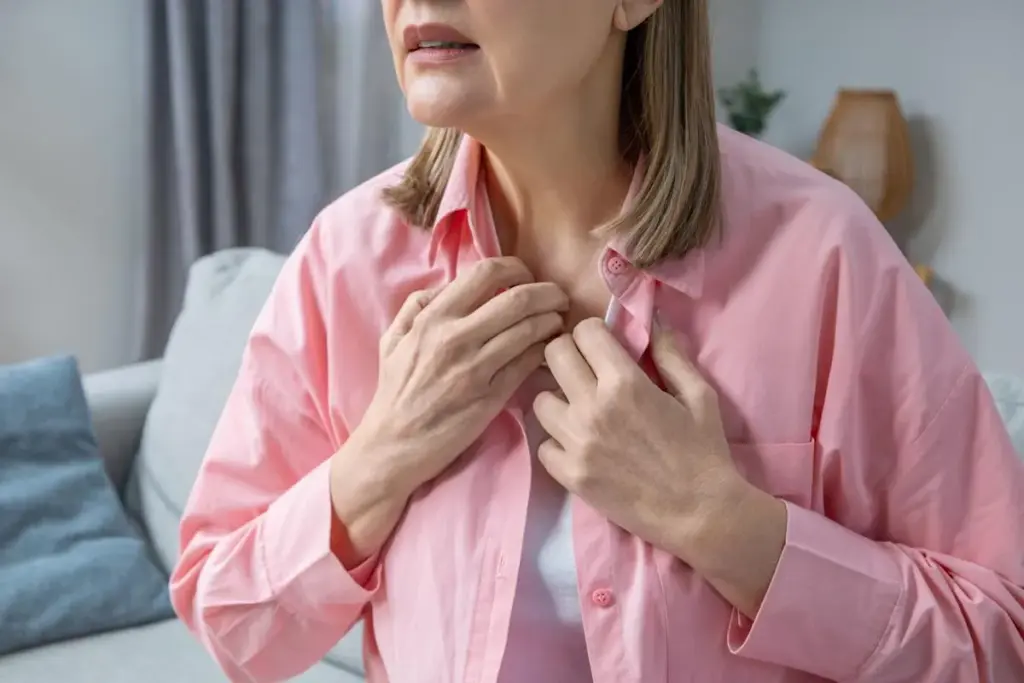
Understanding health changes is key. Many wonder about their future health during this time. We explain it as the period after your monthly cycles stop for good.
This stage starts after a year without a period. It signals the permanent end of your reproductive years. While some symptoms may lessen, new health changes begin.
Knowing what postmenopausal means helps you take charge. We emphasize bone and heart health during these years. Feeling confident about your health is our main goal.
Key Takeaways
- Occurs after twelve consecutive months without periods, following menopause.
- Signals the permanent conclusion of reproductive years.
- Focuses on bone health as well as heart wellness.
- Some symptoms might gradually fade away entirely.
- Professional support ensures a healthy transition period.
- Hormone changes affect the body differently now.
Understanding Postmenopausal: Definition and Meaning

Postmenopause is a stage women enter after menopause. It’s a new chapter in their reproductive journey. It’s important to know what postmenopause means and its impact on women’s health.
What Does Postmenopausal Mean?
The term postmenopausal means women who have stopped having menstrual cycles. This stage is marked by a big drop in estrogen levels. This affects the heart, bones, and urinary system.
Once a woman reaches postmenopause, she stays in this stage for life. The drop in estrogen can cause many health changes.
How Long Does Postmenopause Last?
Postmenopause lasts a woman’s entire life after menopause. It’s confirmed when a woman hasn’t had a period for over a year. The length of postmenopause is the rest of a woman’s life after menopause.
Postmenopausal vs. Perimenopause
Many people mix up postmenopause and perimenopause. But they’re different stages in a woman’s life. Perimenopause is the time before menopause, with changing hormones and irregular periods. Postmenopause is after menopause, when periods stop completely.
| Stage | Description | Characteristics |
| Perimenopause | Transition period leading up to menopause | Hormone fluctuations, irregular menstrual cycles |
| Postmenopause | Stage after menopause | Cessation of menstrual cycles, decreased estrogen levels |
It’s key to know the difference between these stages for health management. Women in postmenopause face higher risks of osteoporosis and cardiovascular disease. Knowing about postmenopause helps women stay healthy.
What Age Is Postmenopausal: When Does It Start?

The start of postmenopause varies for each woman. It usually begins around age 52. Most women go through this change between 45 and 55 years old.
Average Age for Postmenopause
Postmenopause starts when a woman hasn’t had a period for 12 months. The average age is 52. But, many factors can change this.
Key factors that influence the average age include:
- Genetics
- Lifestyle choices
- Overall health
When Are You Considered Postmenopausal?
A woman is postmenopausal after 12 months without a period. This rule helps mark the start of postmenopause.
Factors That Influence Postmenopausal Age
Many things can affect when a woman enters postmenopause. These include:
- Genetic predisposition: Family history can play a big role in when menopause and postmenopause start.
- Lifestyle factors: Smoking, diet, and exercise can also impact when menopause starts.
- Health conditions: Some medical issues and treatments can change when menopause happens.
Knowing these factors can help women get ready for postmenopause. It also helps them manage its symptoms better.
Menopause and Postmenopausal Symptoms and Health Risks
It’s important for women to know about postmenopause symptoms and health risks. In postmenopause, symptoms like hot flashes and night sweats often lessen or go away. But, some women might keep feeling mild symptoms for years.
We’ll look at the signs and symptoms that can last or start in postmenopause. Also, we’ll talk about the health risks. Lower estrogen levels can cause problems like osteoporosis, heart disease, and urinary tract infections.
Signs and Symptoms of Postmenopausal Stage
Even though many symptoms of menopause get better in postmenopause, some stay. Common signs and symptoms include:
- Vaginal dryness
- Mood changes
- Sleep disturbances
- Changes in libido
These symptoms can affect daily life differently for each woman. Knowing about them helps manage them better.
Health Risks During Postmenopause
Women in postmenopause face higher health risks because of lower estrogen levels. Some big risks are:
- Osteoporosis: Bones get weaker, making them break easier.
- Cardiovascular disease: Heart disease risk goes up after menopause.
- Urinary tract infections: Lower estrogen can cause urinary tract changes, raising infection risk.
Staying healthy with a good diet and exercise can help lower these risks.
When to Seek Medical Help
Women should know when to see a doctor in postmenopause. If symptoms don’t get better or get worse, or if health risks are a concern, it’s time to talk to a healthcare provider. Look for medical help if you have:
- Severe or persistent symptoms
- Unusual bleeding
- Signs of osteoporosis or cardiovascular disease
Understanding postmenopause symptoms and health risks helps women manage their health. They should seek medical help when needed.
Conclusion
Understanding postmenopause is key to navigating this significant life stage with confidence and clarity. Postmenopause is a lifelong stage that follows menopause. It marks the end of reproductive years and brings new health considerations.
As we have explored, postmenopause can last for the rest of a woman’s life. Its duration varies from one individual to another. The question of how long does post menopause last is often asked. The answer is that it is a lifelong stage.
When considering post menopause lasts how long, it’s essential to recognize that it is not a temporary phase. It is a long-term stage. By understanding postmenopause and its implications, women can take proactive steps to manage their health and well-being during this stage.
We are committed to providing support and care to women navigating postmenopause. We ensure they receive the guidance and treatment they need to thrive during this stage.
FAQ
What is post menopausal mean and what is it called after menopause?
A: Postmenopausal means the time after a woman stops getting her period for good. If you’re curious, what’s after menopause called, it’s this stage. It’s called post menopause. A woman is in this stage after she hasn’t had a period for 12 months straight.
What age is postmenopausal and when are you considered postmenopausal?
A: Postmenopausal age is usually between 45 and 55, with 51 being the average. You’re when are you considered postmenopausal after a year without a period. Your age and health can affect when you reach this stage.
How long does post menopause last and what is the postmenopausal meaning for my health?
Many wonder, “post menopause lasts how long?” It’s a lifelong stage. The postmenopausal meaning is that your body has changed, with less estrogen. Because how long does post menopause last is your whole life, we focus on keeping you healthy and strong.
What are the common signs and symptoms of postmenopausal life?
Even after perimenopause, some post menopausal symptoms can stick around. You might feel vaginal dryness, changes in sex drive, or be at risk for weak bones. Watching for these postmenopause symptoms helps us tailor care to keep you feeling good.
When are you postmenopausal versus being in perimenopause?
It’s easy to mix up post menapause with the lead-up to it. Perimenopause is about irregular cycles and hormone swings. But you’re when are you postmenopausal after a year without bleeding. Knowing the difference helps you understand this stable phase better.
What are the specific signs and symptoms of postmenopausal health risks?
This stage comes with its own health concerns. The signs and symptoms of postmenopausal estrogen drop can harm your heart and bones. We stress the importance of regular check-ups and a healthy lifestyle to keep you safe during postmenopause.
References
National Center for Biotechnology Information. Evidence-Based Medical Insight. Retrieved from https://www.ncbi.nlm.nih.gov/books/NBK560840/


 Departments
 Related Videos
 Our Doctors
 News
News


