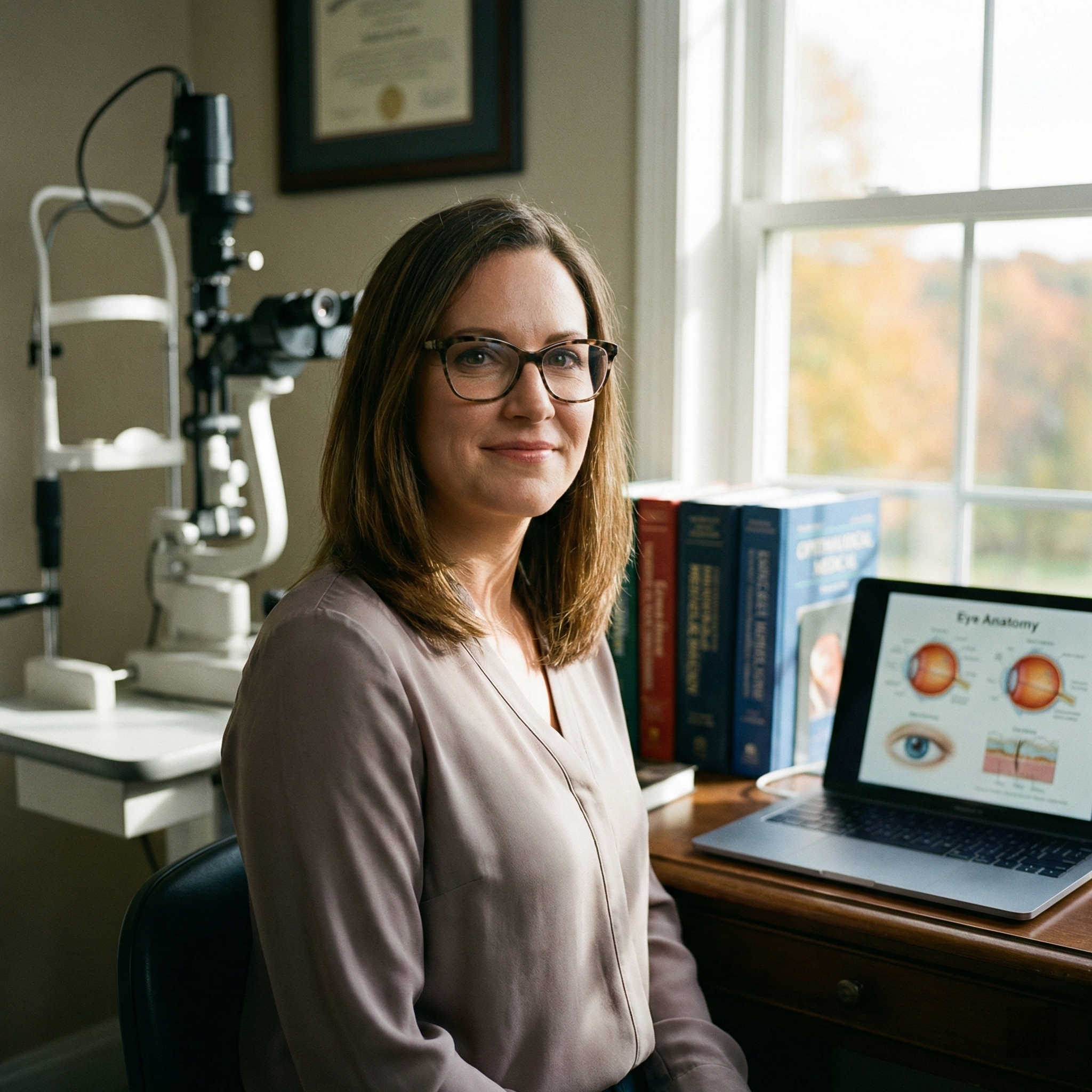

Punctate epithelial erosions (PEE) are small damages on the corneal surface. They are focal zones of epithelial cell loss. These damages can happen suddenly due to many reasons, like environmental exposure or dry conditions.
At Liv Hospital, we use the latest technology and care to find and treat these issues. We aim to help you feel better and see clearly again.
It’s important to know about PEE to manage and treat it well. Doctors say PEE can come from many things, like injury, dry eye, or infection. For more info, check out page on recurrent corneal.
Key Takeaways
- Punctate epithelial erosions are small damages on the corneal surface.
- PEE can cause discomfort and affect vision.
- Causes include environmental exposure, dry eye, and mechanical trauma.
- Effective management requires understanding the condition.
- Advanced diagnostic technology aids in identifying PEE.
Understanding Punctate Epithelial Erosions
It’s important to know about punctate epithelial erosions to diagnose and treat eye problems. These erosions affect the cornea, causing pain and vision issues.
Definition and Clinical Appearance
Punctate epithelial erosions happen when the top layer of the cornea is lost. This results in small, visible spots on the cornea. These spots can be seen with fluorescein staining, a tool used to spot damage.
Fluorescein staining and a slit-lamp examination are key to diagnosing PEE. These methods help doctors see how bad the damage is and plan the best treatment.
Superficial Punctate Keratitis (SPK) and PEE
Superficial punctate keratitis (SPK) is another name for PEE. It’s a condition where the cornea gets inflamed, often with PEE. Both SPK and PEE can harm the cornea’s health and function.
Knowing how SPK and PEE are connected is vital for good care. Eye doctors can then create specific treatments to fix the problem and ease symptoms.
Symptoms and Causes of Punctate Epithelial Erosions
It’s important to know the symptoms and causes of punctate epithelial erosions. This knowledge helps in diagnosing and treating the condition. PEE can show up in different ways, depending on what’s affecting the cornea.
Common Symptoms
People with PEE often have symptoms like red eyes, feeling like something is in their eye, and sensitivity to light. They might also have tearing and burning. These symptoms can really affect someone’s daily life, so they need to see a doctor quickly.
These symptoms can be caused by several things. For example, dry eyes, not closing eyelids fully, and wearing contact lenses. We’ll look into these causes to understand their role in PEE.
Primary Causes
Dry eyes are a big reason for PEE because they don’t get enough moisture. Not closing eyelids fully can also cause it. And, wearing contact lenses can irritate the cornea and make it less sensitive.
Other things like blepharitis and being exposed to harsh environments can also lead to PEE. Knowing what causes it helps doctors find the right treatment.
Distribution Patterns and Their Clinical Significance
The way PEE are spread out can tell doctors a lot about what’s causing them. For example, if they’re mostly at the bottom, it might be due to not closing eyelids or chronic blepharitis. If they’re in the middle, it could be from contact lenses or dry eyes.
| Distribution Pattern | Possible Etiology |
| Inferior | Exposure keratopathy, Chronic blepharitis |
| Central | Contact lens-related issues, Dry eye syndrome |
| Diffuse | Toxicity, Infection |
Spotting these patterns helps doctors figure out what’s causing the PEE. This way, they can treat it more effectively.
Diagnosis and Treatment Options
Getting a correct diagnosis for PEE is key to treating it well. Doctors look at several signs, like less feeling in the cornea, lasting damage to the top layer of the eye, and specific changes in the cornea.
Diagnostic Methods
Doctors mainly use clinical checks to spot PEE. They use fluorescein staining and slit-lamp examination to see the eye’s surface and find PEE’s signs.
Fluorescein staining shows where the top layer of the eye is missing. The slit-lamp exam gives a close-up look at the cornea and its problems.
Treatment Approaches
Treating PEE aims to protect the eye and help it heal. Doctors might use artificial tears and therapeutic contact lenses. They might also try autologous serum eye drops and neurotrophic growth factor therapy.
| Treatment Approach | Description | Benefits |
| Artificial Tears | Lubricating eye drops to reduce dryness and discomfort | Provides immediate relief, promotes healing |
| Therapeutic Contact Lenses | Bandage contact lenses to protect the cornea | Protects the ocular surface, aids in healing |
| Autologous Serum Eye Drops | Eye drops made from the patient’s own serum | Promotes healing, provides natural growth factors |
Prevention Strategies
To stop PEE, manage any underlying issues and keep the eye safe. Stay away from things that can irritate the eye, wear protective eyewear, and keep your eye area clean.
Knowing how to diagnose and treat PEE helps us manage it better. This leads to better results for our patients.
Conclusion
Understanding Punctate Epithelial Erosion (PEE) is key to managing it well. PEE is a condition where the corneal epithelium gets disrupted. We’ve looked into what it is, its symptoms, and causes, like superficial punctate keratitis.
Diagnosing PEE needs a detailed eye check-up. The treatment depends on the cause. Teaching patients about PEE is vital. It helps them follow treatment plans and make smart eye care choices.
Knowing the signs of PEE, like those related to p.e.e.s eye, is important. It helps patients get medical help quickly. To manage PEE well, we need to diagnose, treat, and prevent it. This approach improves patient results.
We stress the need for full care for those with PEE. They should get the right support and treatment to handle their condition well.
FAQ
What are punctate epithelial erosions (PEE)?
Punctate epithelial erosions (PEE) are small damages on the corneal surface. They show up as focal areas of lost epithelial cells. These can happen from many things, like eye injuries, dry eyes, or infections.
What are the common symptoms of PEE?
Symptoms of PEE include eye discomfort, dryness, irritation, and blurry vision. How bad these symptoms are can depend on the cause and how much damage there is.
How is PEE diagnosed?
Doctors use fluorescein staining and a slit-lamp exam to find PEE. The staining makes the damage stand out, and the slit-lamp exam lets them see the cornea up close.
What is the difference between PEE and superficial punctate keratitis (SPK)?
Both PEE and SPK damage the corneal surface. But SPK usually means more widespread damage and often comes with inflammation. PEE, by contrast, is about specific, focal areas of damage.
What are the primary causes of PEE?
Main causes of PEE include dry eyes, exposure keratopathy, wearing contact lenses, and eye injuries. Knowing the cause is key to treating it right.
How is PEE treated?
Treatment for PEE can include eye drops, bandage contact lenses, and autologous serum tears. The right treatment depends on the cause and how bad the damage is.
Can PEE be prevented?
Yes, PEE can be stopped by taking care of the eye surface and managing problems. Using eye drops, avoiding irritants, and wearing protective eyewear can help.
How do distribution patterns of PEE relate to their clinical significance?
Different causes lead to different patterns of damage. Knowing these patterns helps doctors figure out what’s causing the problem and how to treat it.
What is the role of dry eye in PEE?
Dry eye is a big reason for PEE, as it can hurt the surface of the eye. Treating dry eye is important for preventing and fixing PEE.
Can contact lens wear cause PEE?
Yes, wearing contact lenses can lead to PEE, mainly if the lenses don’t fit right or if hygiene is bad. Taking good care of contact lenses and getting regular check-ups can help avoid PEE.
References
National Center for Biotechnology Information. Evidence-Based Medical Insight. Retrieved from https://www.ncbi.nlm.nih.gov/books/NBK539868/



 Departments
 Related Videos
 Our Doctors
 News
News