

Many patients find knee replacement surgery a game-changer. It relieves pain and boosts mobility. But, if the implant fails or complications happen, revision knee surgery is the next step.
Revision total knee arthroplasty is a complex surgery. It needs careful planning and is more challenging than the first surgery. Our team focuses on a personalized, evidence-based approach. We aim for the best results in this advanced procedure.
Key Takeaways
- Revision knee surgery addresses complications or implant failure following initial knee replacement.
- The procedure is more complex than primary knee replacement.
- Complication rates for revision total knee arthroplasty range from 5% to 50%.
- A personalized, evidence-based approach is key for success.
- Our team is committed to providing world-class care for international patients.
Understanding Revision Knee Surgery
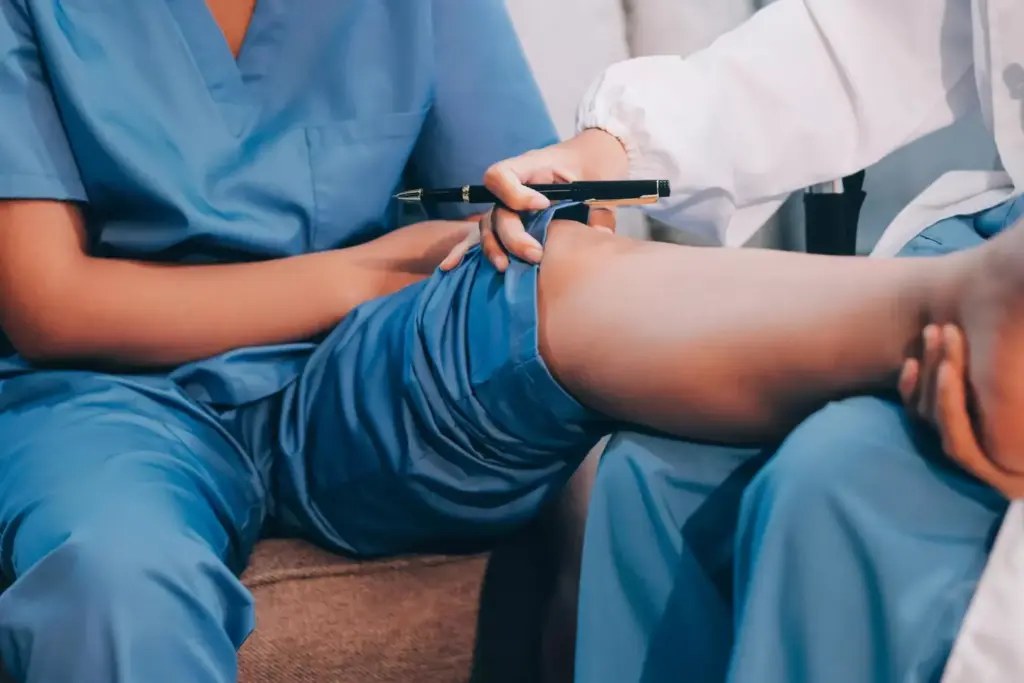
Revision knee surgery is a detailed topic. It involves fixing problems from a previous knee replacement. This surgery is for those who didn’t get the results they hoped for from their first knee surgery.
Definition and Basic Concepts
Revision knee surgery is a complex operation. It’s about fixing or replacing a knee joint that didn’t work out the first time. The main goal is to make the knee work better, reduce pain, and improve life quality.
Even after this surgery, some people might feel pain. This shows how tough and challenging this surgery can be. It’s important to understand the basics of this surgery.
Differences from Primary Knee Replacement
Revision knee surgery is different from the first knee replacement in many ways. It’s often more complicated because of bone loss, failed implants, or infections. The way the surgery is done can be very different from the first time.
“Revision total knee arthroplasty is a challenging procedure that requires a thorough understanding of the complexities involved in revising a previous knee replacement.”
Before the surgery, doctors do a lot of tests to find out why the first surgery didn’t work. This helps them plan a better treatment for the patient.
Knowing about revision knee surgery helps patients understand it better. This way, they can make better choices about their care.
Common Reasons for Knee Replacement Revision Surgery

Knee replacement revision surgery is needed for many reasons. These include ongoing pain, infection, and when the implant fails. This surgery is complex and aims to fix problems from the first surgery. We’ll look at these reasons in detail, including their causes, symptoms, and how surgery can help.
Persistent Pain After Initial Surgery
Persistent pain after knee surgery is a big problem. It can be caused by improper alignment of the implant, loosening of the implant, or infection. Orthopedic specialists say pain is a sign that something is wrong. Finding the cause is key to treating it.
Persistent pain makes daily life hard. Revision surgery can help by fixing the underlying issues.
Infection in the Knee Joint
Infection is a serious issue after knee surgery. It’s more common in revision surgeries than in the first surgery. If there’s an infection, surgery might be needed to remove and replace the infected parts.
Implant Loosening or Wear
Knee implants can loosen or wear out over time. This causes pain and makes it hard to move. Revision surgery can replace these worn-out parts with new ones.
Joint Instability Issues
Joint instability after surgery can be very uncomfortable. It can be caused by soft tissue imbalance or implant malposition. Revision surgery can help by making the joint stable again.
Revision surgery carries more risks than the first surgery. But, thanks to new techniques and implants, results have gotten better.
How Serious is Revision Knee Surgery?
Revision knee surgery is very serious. It has a higher risk of complications than the first surgery. This surgery, also known as revision total knee arthroplasty, is complex. It requires a deep understanding of its effects on recovery and results.
Complexity Compared to Primary Replacement
Revision knee surgery is more complex than the first surgery. It involves removing the old implant, fixing bone loss, and correcting any issues. This makes the surgery longer and requires special techniques and tools.
Key differences between revision and primary knee surgery include:
- Removal of existing implants and addressing bone loss
- Correction of deformities or instability
- Use of specialized surgical techniques and equipment
- Longer operative times
Higher Complication Rates
Revision knee surgery has higher complication rates than the first surgery. Problems can include infection, wound issues, implant loosening, and nerve or blood vessel problems. Studies show complication rates can be from 5% to 50%, depending on the situation.
| Complication Type | Rate in Revision Knee Surgery |
|---|---|
| Infection | 5-15% |
| Implant Loosening | 10-20% |
| Wound Healing Problems | 5-10% |
| Neurovascular Complications | 2-5% |
Impact on Patient Recovery and Outcomes
Revision knee surgery has a big impact on recovery and results. Patients often need longer hospital stays and more intense rehab than those having the first surgery. The success rate of this surgery varies. While many patients see better pain and function, the results are not always as good as the first surgery.
It’s important to understand how serious revision knee surgery is. By knowing the complexity, risks, and impact on recovery, we can better prepare and improve results for those going through it.
Diagnosing Problems with Knee Replacements
Figuring out issues with knee replacements involves several steps. We use physical exams, imaging studies, and lab tests. These methods help us see if revision knee surgery is needed.
Physical Examination Techniques
First, we do a detailed physical check-up. We look at how the patient walks, moves their knee, and how stable it is. We might do special tests to check if the knee is loose or if the ligaments are okay.
We also check for signs of infection like redness or swelling. Finding an abnormal fluid or tenderness means we need to dig deeper.
Imaging Studies
Imaging tests are key in finding knee replacement problems. We use X-rays, CT scans, and MRI to see how the implant and bone are doing.
X-rays show if the implant is in the right place and if it’s loose. CT scans give more details about the bone and implant connection. They can spot bone changes or wear.
MRI is tricky because of metal artifacts, but it’s useful for soft tissue issues. We use special MRI sequences to get clear images of the soft tissues.
Laboratory Tests for Infection
Lab tests are vital for spotting infections. We start with blood tests like CRP and ESR to see if there’s inflammation.
If these tests show infection, we might do a joint aspiration. This gets a sample for culture and sensitivity tests. It helps us find the right antibiotic. Sometimes, we use nuclear medicine scans to confirm infection.
By using these methods together, we can find and fix knee replacement problems. This might mean needing revision knee surgery.
Preparing for Revision Knee Surgery
When patients get ready for revision knee surgery, knowing what to do first is key. This surgery is complex and needs careful planning. It aims to fix problems from the first knee replacement surgery.
Pre-surgical Evaluation Process
A detailed check-up before surgery is vital. It helps lower risks and improve results. Our team does a full assessment that includes:
- Detailed medical history to identify any risks or complications.
- Physical examination to check the knee and surrounding tissues.
- Imaging studies like X-rays, CT scans, or MRI to see the implant and bone condition.
- Laboratory tests for infection or other conditions that might affect surgery.
What Patients Should Know Before Surgery
Before revision knee surgery, patients need to know a few important things:
Key Considerations
| Aspect | Description |
|---|---|
| Surgical Risks | Understanding the possible risks like infection, blood clots, or nerve damage. |
| Recovery Process | Knowing what to expect during recovery, including pain management and physical therapy. |
| Implant Options | Being familiar with the implants used and their effects. |
By knowing these points and being well-prepared, patients can greatly improve their surgery’s success and recovery.
The Revision Knee Surgery Procedure
Revision knee surgery is more complex than the first knee replacement. This is because it deals with problems or failures from the first implant.
Surgical Approaches and Techniques
Revision knee surgery uses different surgical methods. We use advanced techniques to reach the knee joint, often through the original cut. Sometimes, a new cut is needed for the changes in the revision.
The method used depends on why the revision is needed. For example, if it’s because of implant loosening, we might have to take out the old implant and affected bone or tissue.
Types of Revision Implants and Components
Choosing the right revision implants and components is key. We pick them based on the patient’s needs, like bone loss, ligament health, and soft tissue condition.
Revision implants are more complex than the first ones. They might include specialized components for specific issues, like bone grafts or augments for support.
The knee replacement surgery market is growing fast. It’s expected to reach USD 16.17 billion. This shows how important new techniques and implant technology are for revision knee surgery.
Potential Risks and Complications
Revision knee surgery is a complex operation with several risks and complications. It aims to relieve pain and improve function in patients with failed knee replacements. It’s important to know the challenges that can happen during and after the surgery.
Infection Rates and Prevention
Infection is a big worry in revision knee surgery, with higher rates than in primary knee replacements. Studies show infection rates can be between 5% and 20% in revision cases. This depends on the patient’s health, the surgery method, and post-operative care. Surgeons use antibiotic-loaded cement and strict infection control to lower this risk.
| Infection Prevention Measure | Description | Effectiveness |
|---|---|---|
| Antibiotic-loaded cement | Cement used to fix implants is infused with antibiotics to reduce infection risk. | High |
| Surgical site preparation | Thorough cleaning and preparation of the surgical site to minimize bacterial contamination. | High |
| Prophylactic antibiotics | Administration of antibiotics before and after surgery to prevent infection. | High |
Blood Clots and Thrombosis
Blood clots and thrombosis are risks after revision knee surgery. Patients are at risk due to prolonged immobilization and the surgery itself. To prevent these, patients may take anticoagulant medications, and early movement is encouraged.
Neurovascular Complications
Neurovascular complications, like nerve damage or vascular injury, can happen during revision knee surgery. Careful surgical planning and technique are key to minimize these risks. Patients should know about these risks and the steps to prevent them.
Wound Healing Problems and Skin Necrosis
Wound healing issues and skin necrosis can occur after revision knee surgery. Poor circulation, diabetes, and previous scars can contribute to these problems. Proper wound care and post-operative monitoring are essential in managing these risks.
It’s vital for patients considering revision knee surgery to understand these risks and complications. Knowing these challenges helps patients prepare better for the procedure. They can work closely with their healthcare providers to reduce risks.
Recovery After Revision Knee Surgery
After revision knee surgery, patients start a recovery phase that’s key for the best results. This time includes rest, rehab, and physical therapy. These steps help the knee heal, regain strength, and move better.
Hospital Stay and Immediate Post-Op Care
The recovery starts in the hospital, where patients are watched for any problems. Most stay a few days. We focus on controlling pain, reducing swelling, and starting simple exercises to keep the knee moving.
Immediate post-operative care includes:
- Watching for signs of infection or other issues
- Managing pain with medicine and other methods
- Using compression stockings and devices to stop blood clots
- Starting physical therapy to keep the knee moving
Physical Therapy and Rehabilitation Protocol
Physical therapy is key in the recovery after revision knee surgery. A good rehab plan helps patients get their knee back to normal. Our team creates a plan that fits each patient’s needs and goals.
The rehab plan usually includes:
- Exercises to improve movement and reduce stiffness
- Strengthening the muscles around the knee
- Training for balance and coordination to avoid falls
- Exercises to help with daily activities
Timeline for Recovery Milestones
Recovery from revision knee surgery takes time. While everyone recovers differently, there are common milestones. Most patients reach these points within certain time frames.
Typical recovery milestones include:
- Within 1-2 weeks: Pain and swelling start to go down
- Within 4-6 weeks: Movement and daily activities improve
- Within 3-6 months: Strength and function keep getting better
Knowing the recovery process and following a rehab plan helps patients get the best results. We’re here to support our patients every step of the way, helping them achieve the best outcomes.
Long-Term Outcomes and Success Rates
It’s important to know how well revision knee surgery works over time. This surgery is complex but can greatly help those needing a second operation. We look at how it helps with pain, improves function, and how long the implants last.
Pain Relief Expectations
Most patients find a lot of relief from pain after this surgery. About 80-90% say their pain gets better. But, how much relief depends on why the surgery was needed and how complex it was.
Functional Improvement Statistics
How well you can move after surgery is another key measure. Studies show 70-85% of patients move better and feel less stiff. But, how much you improve can depend on the damage to soft tissues and any other health issues.
Longevity of Revision Implants
How long the implants last is a big concern for those getting this surgery. Research shows that 90% of implants can last 10 years after surgery. But, how long they last can depend on the type of implant, the patient’s age, and how active they are.
| Outcome Measure | Success Rate | Time Frame |
|---|---|---|
| Pain Relief | 80-90% | 1-2 years post-surgery |
| Functional Improvement | 70-85% | 1-2 years post-surgery |
| Implant Survival | 90% | 10 years post-surgery |
While revision knee surgery has good results, they’re not always as good as the first surgery. Yet, for many, it greatly improves their life quality.
Conclusion: Making Informed Decisions About Revision Knee Surgery
Revision knee surgery is a complex procedure that needs careful thought and planning. We’ve talked about the different parts of revision knee surgery, like when it’s needed, the risks, and how it works out. Knowing these things helps patients make smart choices about their care.
To make smart choices about knee revision, patients need to know the risks, benefits, and results of the surgery. They should understand how complex the surgery is, the possible problems, and the recovery time. We stress the importance of a detailed check-up before surgery and a good rehab plan for the best results.
People getting knee replacement revision surgery should know about the possible risks and problems, as well as what to expect. Being informed helps them go through the process better and get the best results from their surgery.
What is revision knee surgery?
Revision knee surgery is a complex procedure. It aims to fix problems from a previous knee replacement. This can include bone loss, implant failure, or infection.
Why is revision knee surgery necessary?
It’s needed when the first knee replacement doesn’t work out. This can be due to ongoing pain, infection, or other issues. Revision surgery helps improve a patient’s quality of life.
How serious is revision knee surgery compared to primary knee replacement?
Revision knee surgery is more complex and risky than the first one. It requires careful planning. Patients should understand the risks and possible outcomes.
What are the common indications for revision knee surgery?
Common reasons include ongoing pain, infection, or joint instability. These problems can stem from implant failure, bone loss, or infection.
How is revision knee surgery diagnosed?
Doctors use several methods to diagnose knee replacement issues. These include physical exams, imaging studies, and lab tests. These help determine if surgery is needed.
What are the possible risks and complications of revision knee surgery?
Risks include infection, blood clots, and nerve damage. Wound problems can also occur. It’s important to discuss these risks with your doctor.
What is the recovery process like after revision knee surgery?
Recovery is a key part of the process. It involves a hospital stay and physical therapy. The time needed to recover varies, but most see significant improvement.
What are the long-term outcomes and success rates of revision knee surgery?
Success rates vary based on several factors. Generally, revision surgery can greatly improve pain and function. Most implants last for many years.
How can patients prepare for revision knee surgery?
Preparation involves a detailed evaluation and education. Discussing your health and concerns with your doctor is essential. This ensures you’re ready for the surgery.
What are the different types of revision implants and components used in revision knee surgery?
Various implants are used to address different issues. The choice depends on the reason for revision and the patient’s health. Each is designed to meet specific needs.
References
- National Center for Biotechnology Information (NCBI) / PubMed Central. (n.d.). Retrieved from https://ncbi.nlm.nih.gov/pmc/articles/PMC8611497/