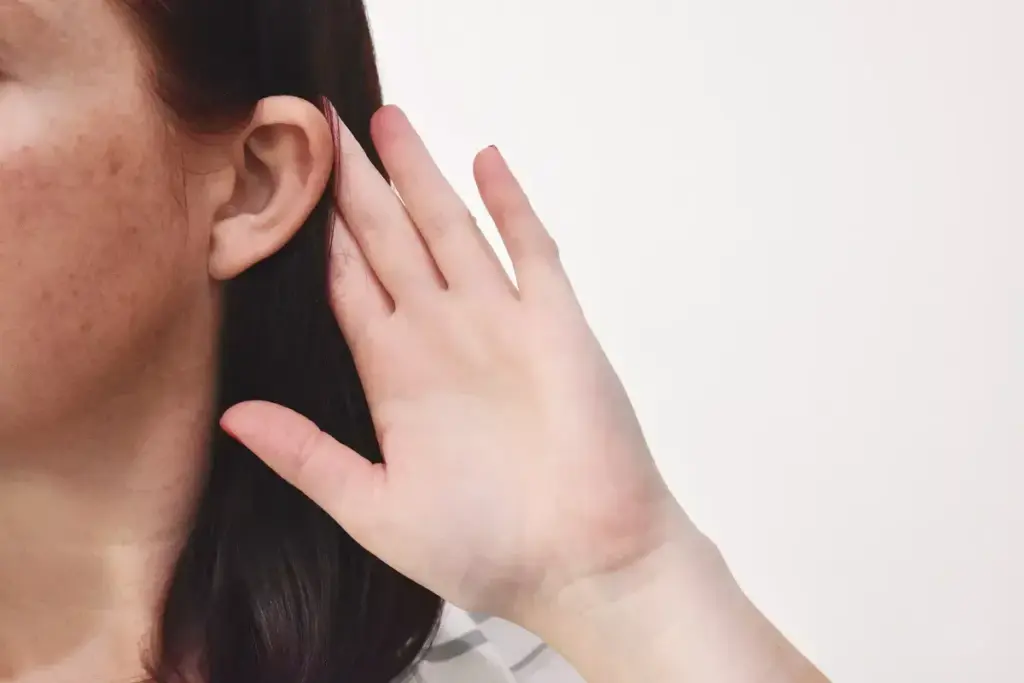
Sensorineural hearing loss (SNHL) is a type of hearing problem. It happens when the inner ear, cochlea, or the vestibulocochlear nerve gets damaged. This condition affects the sensory organs responsible for processing sound, leading to permanent hearing loss. It’s a big issue, as it makes up about 90 percent of all reported hearing loss cases worldwide.
Many things can cause SNHL, like getting older, being exposed to loud noises, genetics, or certain health issues. At Liv Hospital, we have a team ready to help. We offer top-notch audiologic services and advanced rehabilitation for this condition.
Key Takeaways
- Sensorineural hearing loss is a type of permanent hearing impairment.
- Damage to the inner ear, cochlea, or vestibulocochlear nerve causes SNHL.
- Aging, noise exposure, genetic factors, and medical conditions contribute to SNHL.
- Liv Hospital provides extensive audiologic services for SNHL.
- Early detection and evidence-based treatment are key to managing SNHL.
What is SNHL? Understanding Sensorineural Hearing Loss
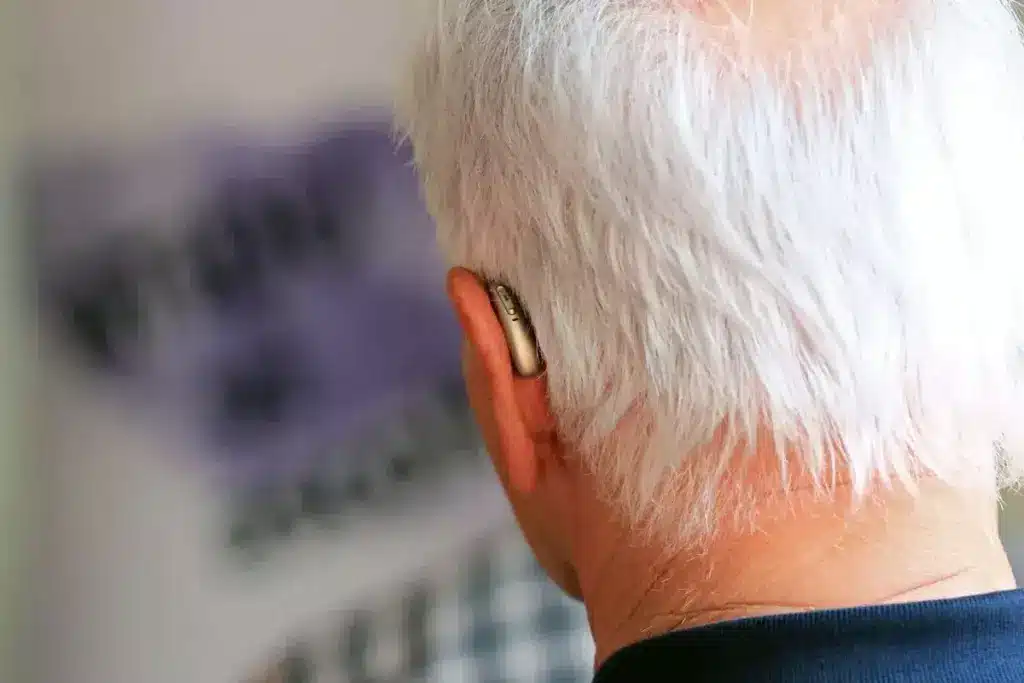
SNHL is a hearing loss caused by damage to the inner ear or the nerve that carries sound to the brain. It’s a complex issue that can stem from many factors affecting the inner ear’s delicate structures.
To grasp SNHL, we must understand how a healthy ear processes sound. In a normal ear, sound vibrations turn into electrical signals by hair cells in the cochlea. These signals then travel to the brain through the auditory nerve. In SNHL, damage to these hair cells or the nerve disrupts this process, causing hearing loss.
Definition and How Sound Processing is Affected
The inner ear, mainly the cochlea, is key in sound processing. It has thousands of hair cells that change sound vibrations into electrical signals. Damage to these hair cells can lead to permanent hearing loss because they cannot regrow.
“The impact of SNHL on a person’s life can be big,” say hearing health experts. It affects not just hearing but also social interactions and mental health. Knowing the causes and effects of SNHL is key for effective treatments.
Nerve Deafness and Sensorial Hearing Loss Explained
“Nerve deafness” and “sensorial hearing loss” are often used with SNHL. Nerve deafness means damage to the auditory nerve, which sends sound signals to the brain. Sensorial hearing loss focuses on the sensory hair cells in the inner ear.
Both conditions show how complex SNHL is and the need for detailed diagnosis and treatment. By understanding these related terms, healthcare providers can offer better care for those with SNHL.
Primary Causes of Sensorineural Hearing Loss

It’s important to know the main reasons for sensorineural hearing loss. This condition affects the inner ear or the auditory nerve. We’ll look at age-related loss, noise damage, genetic factors, and viral infections.
Age-Related Hearing Loss (Presbycusis)
Presbycusis is a common cause of SNHL. It happens as we age, usually after 65. Presbycusis is due to hair cell loss in the cochlea and nerve changes. The National Institutes of Health say it’s a big health issue worldwide.
Noise-Induced Damage to Inner Ear Structures
Noise-induced hearing loss is another big reason for SNHL. Loud sounds can harm inner ear hair cells, causing permanent loss. This is common in noisy jobs or loud events without ear protection. Noise-induced hearing loss can be avoided with the right protection.
Genetic and Hereditary Factors
Genetics are key in SNHL. Some people are born with genetic issues affecting the inner ear. Genetic hearing loss can be syndromic or non-syndromic. Knowing the genetic causes helps in early diagnosis and treatment.
Viral Infections Including Cytomegalovirus
Viral infections, like cytomegalovirus (CMV), cause SNHL. CMV can infect anyone. It can lead to hearing loss in newborns if caught during pregnancy. Other viruses can also cause SNHL, showing the need for prevention and quick medical care.
Additional Factors That Contribute to SNHL Development
Many factors can lead to sensorineural hearing loss, aside from the main causes. Knowing these factors is key to preventing and treating hearing loss.
Ototoxic Medications and Their Effects
Some medicines, called ototoxic drugs, can harm the inner ear. This can cause sensorineural hearing loss. These include antibiotics, chemotherapy drugs, and some pain relievers.
The harm from these medicines can vary. Some might cause hearing loss that goes away, while others can cause permanent damage. The risk depends on the medicine, how much is taken, and for how long.
Physical Trauma and Medical Conditions
Head injuries can also lead to sensorineural hearing loss. The injury can damage the inner ear or the auditory nerve, causing hearing loss.
Some medical conditions, like autoimmune disorders, heart disease, and diabetes, can also raise the risk of SNHL. It’s important to manage these conditions to prevent hearing loss.
| Factor | Description | Impact on SNHL |
| Ototoxic Medications | Certain antibiotics, chemotherapy drugs | Can cause temporary or permanent hearing loss |
| Physical Trauma | Head injuries | Can damage inner ear or auditory nerve |
| Medical Conditions | Autoimmune disorders, cardiovascular disease, diabetes | Increases risk of developing SNHL |
It’s important to know about the extra factors that can cause SNHL. By understanding ototoxic medicines, physical trauma, and certain health conditions, we can protect our hearing.
Conclusion
Sensorineural hearing loss (SNHL) is a complex condition that affects millions worldwide. It impacts their quality of life. We’ve looked into what causes it, including age, noise, genetics, and viruses.
Knowing the causes of sensorineural deafness is key for early diagnosis and treatment. Recognizing its signs and symptoms helps individuals get medical help quickly. This can lessen its effects. Signs include trouble hearing high sounds, understanding speech in noise, and tinnitus.
SNHL can come from many sources, like ototoxic drugs, physical trauma, and certain health conditions. Knowing these causes helps people protect their hearing and get the right medical care.
We stress the need for proper diagnosis and treatment of SNHL. It can greatly improve life quality for those affected. By staying informed and getting professional help, individuals can face the challenges of sensorineural hearing loss better.
FAQ
What is sensorineural hearing loss?
Sensorineural Hearing Loss (SNHL) is the most common type of permanent hearing loss. It occurs when there is damage either to the tiny hair cells in the inner ear (the cochlea) or to the nerve pathways (auditory nerve) that transmit sound signals to the brain.
Because SNHL affects how sound is processed rather than how it is physically conducted, it often causes sounds to seem muffled or distorted, even when they are amplified.
What is the difference between nerve deafness and sensorineural hearing loss?
“Nerve deafness” is an older, traditional term often used interchangeably with SNHL. However, SNHL is the more accurate medical description because the problem frequently lies in the sensory receptors (hair cells) of the cochlea rather than a direct failure of the auditory nerve itself.
-
Nerve Deafness: Implies the auditory nerve is non-functional.
-
Sensorineural Hearing Loss: Captures damage to either the sensory organ (the cochlea) or the neural pathway (the nerve).
What are the primary causes of sensorineural hearing loss?
The causes of SNHL are broad and categorized as either congenital (present at birth) or acquired (developing later in life).
-
Aging (Presbycusis): The most common cause. Over time, the delicate hair cells in the cochlea naturally wear down.
-
Noise Exposure: Prolonged exposure to loud environments or sudden explosive sounds can permanently destroy hair cells.
-
Genetics: Many individuals inherit a predisposition for hearing loss that manifests as they age.
-
Infections: Viral illnesses such as mumps, measles, or meningitis can attack the inner ear or nerve.
Can certain medications cause sensorineural hearing loss?
Yes. Certain drugs are ototoxic, meaning they can be “poisonous to the ear.” These medications can damage the hair cells or disrupt the chemical balance of the inner ear fluids:
-
Specific Antibiotics: Such as aminoglycosides (e.g., gentamicin).
-
Chemotherapy: Platinum-based drugs like cisplatin.
-
Loop Diuretics: Often used for heart failure.
-
High-dose Aspirin: Can cause temporary tinnitus or SNHL.
How does physical trauma contribute to sensorineural hearing loss?
Head injuries can contribute to SNHL through several mechanisms:
-
Skull Fractures: A fracture through the temporal bone can directly sever the auditory nerve.
-
Labyrinthine Concussion: Blunt trauma to the head can cause internal fluid shifts in the inner ear that damage sensory structures.
-
Barotrauma: Intense pressure changes can cause a tear in the small windows between the middle and inner ear, causing fluid to leak.
Is sensorineural hearing loss permanent?
In the vast majority of cases, SNHL is permanent. Unlike skin or bone, the sensory hair cells in the human cochlea cannot regenerate once they are destroyed.
Important Exception: Sudden Sensorineural Hearing Loss (SSHL) is a medical emergency. If caught within days, it can sometimes be reversed with high-dose steroids. If you lose hearing suddenly, see a doctor immediately.
What is the significance of understanding sensorineural hearing loss?
Understanding SNHL is crucial because it significantly impacts quality of life:
-
Communication Fatigue: The brain must expend extra effort to fill in the gaps of missed words, leading to exhaustion.
-
Social Isolation: Difficulty hearing in background noise can lead individuals to withdraw from social settings.
-
Cognitive Health: Research has linked untreated hearing loss to an increased risk of cognitive decline and dementia.
World Health Organization. Evidence-Based Medical Insight. Retrieved from https://www.who.int/news-room/fact-sheets/detail/deafness-and-hearing-loss