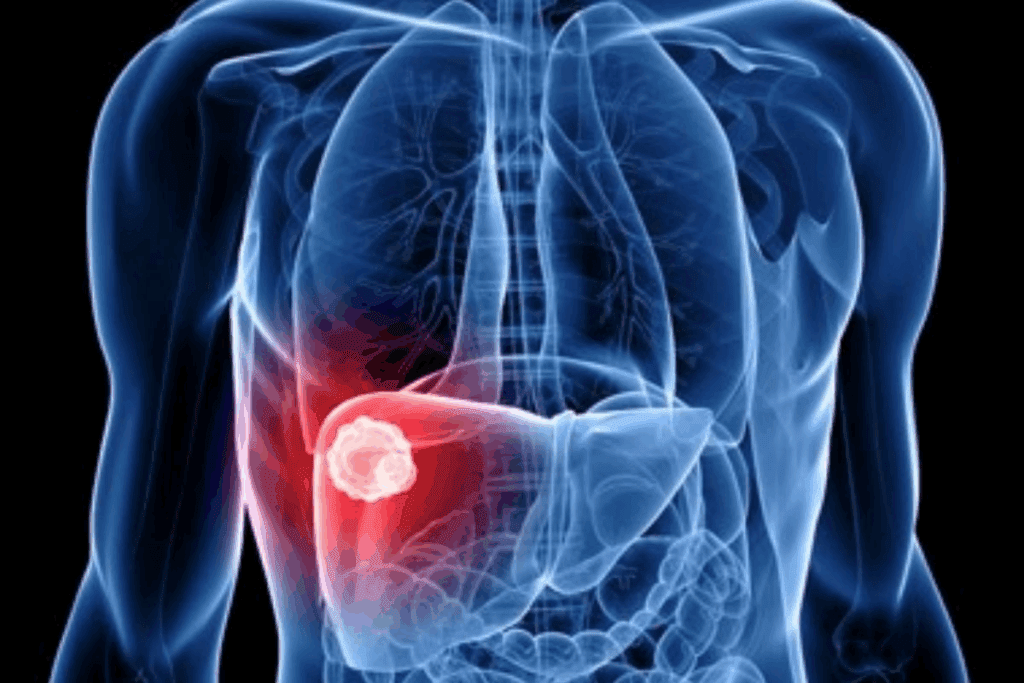
Understand Stage 4 hepatoblastoma. Learn about the worst case scenario and the powerful treatment options available today. Getting a diagnosis of advanced hepatoblastoma can change a family’s life. This rare liver cancer mostly hits kids. Knowing how serious it is helps families choose the right treatment.
Hepatoblastoma stage4 is a serious condition that needs a lot of care. It’s a complex disease that needs a detailed approach to diagnose and treat. This means families need to find doctors who specialize in it.
Looking into stage4 hepatoblastoma shows how important quick and right diagnosis is. We aim to help international patients get top-notch medical care and support. We tailor our services to meet their specific needs.
Key Takeaways
- Advanced hepatoblastoma is a rare and critical liver cancer in children.
- Understanding the diagnosis is key for planning treatment.
- Specialized medical care is vital for managing hepatoblastoma stage4.
- Quick diagnosis greatly affects treatment success.
- Comprehensive support services are essential for international patients seeking care.
Understanding Hepatoblastoma
Hepatoblastoma is a rare liver cancer that faces unique challenges in diagnosis and treatment, mainly in kids. It’s a complex condition needing a deep understanding of its definition, types, and how common it is. This knowledge is key to managing it effectively.
Definition and Overview of Hepatoblastoma
Hepatoblastoma is a cancer that starts in the liver, mostly in kids under 3. It’s the most common liver cancer in children, making up about 1% of all pediatric cancers. The type of cells in the tumor affects its classification and treatment.
Key characteristics of hepatoblastoma include:
- Originates in the liver
- Primarily affects young children
- Can be composed of various cell types
Types of Hepatoblastoma
Hepatoblastoma is divided into subtypes based on the cell types in the tumor. The main types are:
| Type | Description |
| Epithelial | Composed of liver cells (hepatocytes) |
| Mixed Epithelial and Mesenchymal | Contains both liver cells and connective tissue |
| Small Cell Undifferentiated | A more aggressive form with poorly differentiated cells |
Knowing the specific type of hepatoblastoma is vital for choosing the right treatment.
“The classification of hepatoblastoma into different subtypes is essential for tailoring treatment strategies to the individual needs of each patient.” -Pediatric Oncology Expert
Incidence and Demographics
Hepatoblastoma is rare, occurring in about 1.5 cases per million children under 15. It’s more common in kids under 3 and slightly more in boys. Some genetic syndromes raise the risk of getting hepatoblastoma.
The demographics of hepatoblastoma show the need for early detection and treatment, mainly in high-risk groups.
The Staging System for Hepatoblastoma

Accurate staging of hepatoblastoma is key for effective treatment. The staging system shows how far the disease has spread. This helps decide the best treatment and what to expect.
Overview of Cancer Staging
Cancer staging tells us how far cancer has spread in the body. It looks at the tumor size, if lymph nodes are affected, and if cancer has spread. For hepatoblastoma, knowing this is vital for treatment and outcome.
Cancer staging systems give a standard way to describe cancer spread. This helps in planning treatment and predicting how well a patient will do.
Different Staging Systems Used for Hepatoblastoma
Several systems are used for hepatoblastoma, like the PRETreatment EXTent of tumor (PRETEXT) system. The PRETEXT system checks how much of the liver is affected. It’s key for planning surgery and other treatments.
| PRETEXT Stage | Description |
| I | One section of the liver is involved. |
| II | Two sections of the liver are involved, with one section free. |
| III | Three sections of the liver are involved, or two sections with one section between them free. |
| IV | All four sections of the liver are involved. |
Importance of Accurate Staging
Accurate staging is critical for hepatoblastoma. It affects treatment planning and what to expect. Accurate staging ensures patients get the right treatment, like surgery, chemotherapy, or a mix of treatments. It helps avoid too little or too much treatment, which can be harmful.
Knowing about hepatoblastoma staging helps patients and families make better choices. It also helps doctors work together, ensuring everyone is on the same page with treatment.
Stage4 Hepatoblastoma
Stage 4 hepatoblastoma is the most advanced stage of liver cancer. It spreads to distant parts of the body. This makes treatment harder because the cancer has reached other organs, like the lungs.
Definition and Diagnostic Criteria
Stage 4 hepatoblastoma means cancer has spread to other parts of the body. Doctors use CT scans, MRI, and blood tests to find it. A biopsy confirms the diagnosis by looking at the tumor tissue.
Diagnosing Stage 4 hepatoblastoma involves several steps:
- Imaging studies to see how far the disease has spread
- Laboratory tests to check liver function and tumor markers
- Biopsy and pathological examination to confirm the diagnosis
Metastatic Spread Patterns
Metastatic hepatoblastoma often goes to the lungs. It can also spread to bones, brain, or lymph nodes. Knowing how it spreads helps doctors plan treatment.
Distinguishing Features from Earlier Stages
Stage 4 hepatoblastoma is different because it has spread far. It needs a strong treatment plan, including chemotherapy and surgery. This stage is more serious and requires careful treatment choices.
Stage 4 hepatoblastoma is tough, but new treatments offer hope. A team of doctors is key to managing this complex disease.
Causes and Risk Factors
It’s important to know what causes and risk factors lead to hepatoblastoma. This rare liver cancer is not fully understood yet. But, research has found some key factors.
Genetic Predispositions
Some genetic conditions raise the risk of getting hepatoblastoma. For example, kids with Beckwith-Wiedemann syndrome are more likely to get this cancer. They have a genetic disorder that causes overgrowth.
Also, kids with familial adenomatous polyposis (FAP) are at higher risk. FAP causes many polyps in the colon.
Genetic mutations, like those in the CTNNB1 gene, are also important. These mutations can start pathways that help tumors grow.
Environmental Factors
Genetics aren’t the only thing that matters. Environmental factors also play a role. Exposure to certain substances before birth might increase the risk.
Being very low birth weight is also a risk factor. This suggests that early life factors can influence the risk.
Associated Syndromes and Conditions
Some syndromes and conditions are linked to a higher risk of hepatoblastoma. Apart from Beckwith-Wiedemann syndrome and FAP, Gardner syndrome and Li-Fraumeni syndrome are also connected.
Knowing these connections helps find kids at higher risk. It’s a step towards early screening.
Signs and Symptoms of Advanced Hepatoblastoma
It’s important to know the signs and symptoms of advanced hepatoblastoma. This helps patients and doctors manage the disease better. Advanced hepatoblastoma can cause many symptoms that affect a person’s life and need quick medical help.
Primary Symptoms
The main symptoms of advanced hepatoblastoma are linked to the tumor’s growth. They can harm the tissues and organs around it. Common symptoms include:
- Abdominal swelling or distension due to the tumor’s size
- Abdominal pain or discomfort, which can range from mild to severe
- Loss of appetite and unintended weight loss
- Fatigue or feeling weak
- Nausea and vomiting
These symptoms can greatly impact a person’s daily life and health.
Symptoms Related to Metastasis
When hepatoblastoma spreads, it can cause more symptoms. This depends on where the cancer goes. Common places for cancer to spread include the lungs, lymph nodes, and bones. Symptoms from metastasis may include:
- Coughing or difficulty breathing if the cancer has spread to the lungs
- Bone pain or tenderness if the cancer has spread to the bones
- Swollen lymph nodes
Spotting these symptoms is key to understanding how far the disease has spread. It helps in planning the right treatment.
When to Seek Medical Attention
It’s important for patients and caregivers to know when to get medical help. If any of these happen, seek help right away:
- Severe abdominal pain
- Difficulty breathing or shortness of breath
- Significant weight loss or loss of appetite
- Visible swelling or distension in the abdomen
Early detection and treatment are very important for managing advanced hepatoblastoma.
Expert Insight: “Early recognition of symptoms and prompt medical evaluation are critical in managing advanced hepatoblastoma. Patients and families should be vigilant about any changes in health and seek medical attention when necessary.”
| Symptom | Description | Possible Indication |
| Abdominal Swelling | Visible enlargement of the abdomen | Tumor growth |
| Abdominal Pain | Pain or discomfort in the abdominal region | Tumor pressing on surrounding tissues |
| Loss of Appetite | Reduced desire to eat | Advanced disease or metastasis |
Diagnostic Procedures for Stage4 Hepatoblastoma
To diagnose Stage 4 Hepatoblastoma, doctors use many methods. They do imaging studies and lab tests to see how far the disease has spread. This helps them find the best treatment plan.
Initial Screening and Physical Examination
The first step is a screening and physical check-up. Doctors look for signs like swelling or pain in the belly. They also ask about the patient’s medical history to find any risk factors.
Imaging Studies
Imaging studies are key in diagnosing Stage 4 Hepatoblastoma. Computed Tomography (CT) scans and Magnetic Resonance Imaging (MRI) help see the tumor. They show its size, where it is, and if it has spread. This info helps doctors understand the disease’s stage.
Laboratory Tests
Laboratory tests are important for checking the patient’s health. They look at liver function and check for tumor markers like alpha-fetoprotein (AFP). These tests help doctors see if the patient has Stage 4 Hepatoblastoma.
Biopsy and Pathological Examination
A biopsy is a key test for Stage 4 Hepatoblastoma. It removes a small piece of tumor tissue. The tissue is then checked to confirm cancer and find out the type of hepatoblastoma. This info is key for treatment planning.
Treatment Options for Stage4 Hepatoblastoma
Treating Stage4 hepatoblastoma often means using many different methods. We’ll look at surgery, chemotherapy, radiation therapy, and liver transplantation. Each method has its role in fighting the disease.
Surgical Approaches
Surgery is key in treating Stage4 hepatoblastoma. It aims to remove the main tumor and any spread sites. How well surgery works depends on the disease’s spread and the patient’s health.
Surgical resection is complex and needs a team of experts. Sometimes, neoadjuvant chemotherapy is used first. This makes the tumor easier to remove.
Chemotherapy Protocols
Chemotherapy is a mainstay in treating Stage4 hepatoblastoma. It helps control the disease and improve survival chances. Different chemotherapy plans are used, mixing various drugs.
| Chemotherapy Regimen | Drugs Used | Primary Objective |
| CIS-PLATO | Cisplatin, Carboplatin, Doxorubicin | Shrink tumor, control metastasis |
| SIOPEL | Cisplatin, Doxorubicin | Improve survival, reduce tumor burden |
Radiation Therapy
Radiation therapy is not often used for hepatoblastoma. It might be considered for tumors that can’t be removed or to ease symptoms. The decision to use radiation therapy is made for each patient individually.
Liver Transplantation
If the tumor can’t be removed but hasn’t spread outside the liver, liver transplantation might be an option. This involves replacing the liver with a healthy one from a donor. A team decides if a liver transplant is right for the patient.
Dealing with Stage4 hepatoblastoma is tough. A treatment plan that fits the patient’s needs is essential for the best results.
Novel and Emerging Therapies
New treatments are being developed to help Stage 4 hepatoblastoma patients. These new options aim to improve life quality and treatment results.
Targeted Therapies
Targeted therapies are a big step forward in treating Stage 4 hepatoblastoma. They target specific parts of cancer cells to slow their growth. This can help control the cancer.
Examples of Targeted Therapies:
- Tyrosine kinase inhibitors
- Monoclonal antibodies
- Angiogenesis inhibitors
Immunotherapy Approaches
Immunotherapy is another exciting area for Stage 4 hepatoblastoma. It uses the body’s immune system to fight cancer. This can make the immune system better at attacking cancer cells.
Types of Immunotherapy:
- Checkpoint inhibitors
- Cancer vaccines
- Adoptive T-cell therapy
Precision Medicine and Genomic Testing
Precision medicine and genomic testing are changing how we treat Stage 4 hepatoblastoma. They help find specific genes in tumors. This lets doctors choose the best treatments for each patient.
| Genomic Test | Purpose | Potential Outcome |
| Next-generation sequencing | Identify genetic mutations | Targeted therapy options |
| Whole-exome sequencing | Comprehensive genetic analysis | Personalized treatment plans |
Adding new therapies to Stage 4 hepatoblastoma treatment plans is a big step. As research grows, we’ll see even more new ways to fight this disease.
Prognosis and Survival Rates for Stage4 Hepatoblastoma
The outlook for Stage4 hepatoblastoma depends on many things. These include how well treatment works and if the cancer has spread. Knowing these details is key for those facing this serious cancer stage.
Statistical Overview
Recent data show survival rates for Stage4 hepatoblastoma have gone up. This is thanks to better treatments. Studies say kids with this cancer have a 50% to 80% chance of survival, based on treatment response and how far the cancer has spread.
Those who do well with first chemotherapy treatments have a better chance. In some cases, the five-year survival rate can reach 70%.
Factors Affecting Prognosis
Several things affect how well someone with Stage4 hepatoblastoma will do:
- Response to Treatment: Good response to chemotherapy means a better outlook.
- Presence of Metastasis: How far and where the cancer has spread matters a lot.
- Tumor Biology: The tumor’s genetics can change how well treatment works.
- Age and Overall Health: Being younger and healthier at diagnosis helps.
Long-term Survival Considerations
Surviving long-term with Stage4 hepatoblastoma means beating the first treatment hurdles and dealing with therapy’s late effects. It’s vital to keep up with follow-up care to watch for cancer coming back and handle any lasting health problems quickly.
Important long-term survival tips include:
- Going to regular check-ups with a team of doctors.
- Watching for late effects of treatment, like organ problems or new cancers.
- Living a healthy lifestyle to stay well.
Understanding the prognosis and survival rates for Stage4 hepatoblastoma helps patients and their families make smart choices about care and treatment.
Follow-up Care and Monitoring
For patients treated for Stage 4 hepatoblastoma, follow-up care is key. It helps manage late effects and catch any recurrence early. This care is essential for improving long-term health outcomes.
Post-Treatment Surveillance Protocols
Patients with Stage 4 hepatoblastoma need regular check-ups after treatment. These visits include physical exams, imaging, and lab tests. They help watch for any signs of the cancer coming back or treatment side effects.
Key components of post-treatment surveillance protocols include:
- Regular physical examinations to assess overall health and detect any abnormalities.
- Imaging studies such as CT scans or MRI to monitor the liver and detect any signs of recurrence.
- Laboratory tests to evaluate liver function and detect any abnormalities.
- Alpha-fetoprotein (AFP) level checks, as elevated AFP levels can indicate recurrence.
Managing Late Effects of Treatment
Treatment for Stage 4 hepatoblastoma can affect a patient’s health long-term. Managing these effects is a big part of follow-up care. Common issues include:
| Late Effect | Description | Management Strategy |
| Liver dysfunction | Impaired liver function due to surgery or radiation therapy. | Regular monitoring of liver function, dietary adjustments. |
| Growth and developmental issues | Potential impact on growth and development due to chemotherapy or radiation. | Regular assessments by a pediatric endocrinologist, growth monitoring. |
| Secondary cancers | Increased risk of developing secondary cancers due to radiation therapy or chemotherapy. | Regular follow-up with oncologist, surveillance for secondary cancers. |
Long-term Health Considerations
Patients treated for Stage 4 hepatoblastoma need ongoing care. This includes managing chronic conditions, addressing mental health, and helping them get back to daily life. This could mean going back to school or work.
A team of healthcare professionals is vital in providing this care. They ensure patients get the support they need during their follow-up care.
The Multidisciplinary Care Team
Stage 4 hepatoblastoma is a complex condition that needs a team effort. A multidisciplinary care team is key. They make sure patients get the best care possible.
Key Specialists Involved
A team includes pediatric oncologists, surgeons, radiologists, pathologists, nurses, and more. Each one is important for diagnosing and treating Stage 4 hepatoblastoma.
- Pediatric Oncologists: They lead the treatment plan and manage chemotherapy.
- Surgeons: They do surgeries and other operations.
- Radiologists: They look at images to see how the disease is doing.
- Pathologists: They check tissue samples to confirm the diagnosis.
Role of Pediatric Oncologists
Pediatric oncologists are at the heart of the team. They create and follow the treatment plan. They work with others to make sure chemotherapy works well with other treatments.
| Specialist | Role |
| Pediatric Oncologist | Leads treatment plan, oversees chemotherapy |
| Surgeon | Performs surgical resections |
| Radiologist | Interprets imaging studies |
| Pathologist | Examines tissue samples |
Importance of Coordinated Care
Coordinated care is vital for Stage 4 hepatoblastoma. The team works together to cover all aspects of care. This includes diagnosis, treatment, and follow-up.
Good communication is key. It helps the team respond quickly to changes and adjust the plan as needed.
Coping Strategies for Patients and Families
Dealing with Stage4 Hepatoblastoma needs a full plan that covers emotional, psychological, and social needs. We know this path is tough. It’s key to have the right support.
Emotional and Psychological Support
It’s vital for patients and families to get emotional and psychological support. Professional counseling offers a safe place to share feelings. Support groups, online or in-person, connect families with others facing similar challenges.
Mindfulness and meditation can also help lower stress and boost well-being. We suggest trying these as part of your coping plan.
Navigating School and Social Life
For kids with Stage4 Hepatoblastoma, keeping up with school and friends is key. Families should work with schools to create a personalized education plan that fits their needs.
Adjusting social life might be needed due to treatment and health reasons. But, with the right support, kids can keep up with friends. Online schooling is an option during tough treatment times.
| Support Strategy | Description | Benefits |
| Professional Counseling | One-on-one or group therapy sessions | Emotional support, coping strategies |
| Mindfulness and Meditation | Practices to reduce stress and improve well-being | Reduced anxiety, improved mental health |
| Personalized Education Plan | Tailored educational approach for the child | Continued education, adapted to medical needs |
Sibling Support and Family Dynamics
Siblings of kids with Stage4 Hepatoblastoma also face challenges. They might feel left out as parents focus on the sick child. Including siblings in the care process and supporting them emotionally can help.
Keeping family communication open is important. We encourage families to talk openly about their feelings and needs. This strengthens family bonds and supports everyone.
By using these strategies, families can handle Stage4 Hepatoblastoma better. This ensures a supportive and strong family unit.
Support Resources and Organizations
Support groups and organizations are key for families dealing with Stage4 hepatoblastoma. They offer emotional support, counseling, financial help, and educational materials. These services are vital for coping with the diagnosis and treatment.
National and International Support Groups
Many national and international support groups help families with hepatoblastoma. They provide a space to share experiences, get support, and connect with others. Some notable groups include:
- The Children’s Liver Disease Foundation (CLDF)
- The Hepatoblastoma Society
- The International Liver Cancer Association (ILCA)
These groups host events, webinars, and online forums. Families can learn about new treatments and research here.
Financial Assistance Programs
Financial aid is essential for families with Stage4 hepatoblastoma. Many organizations offer help with medical bills, travel, and other costs. Some programs include:
- The Patient Access Network Foundation (PANF)
- The Cancer Financial Assistance Coalition (CFAC)
- The National Children’s Cancer Society (NCCS)
These programs provide critical support, easing the financial stress of cancer treatment.
Educational Resources for Families
It’s important for families to understand hepatoblastoma diagnosis, treatment, and management. Educational resources from trusted organizations help families make informed decisions. Resources include:
- Educational brochures and pamphlets
- Webinars and online workshops
- Access to clinical trials information
These resources give families the knowledge to navigate hepatoblastoma treatment.
By using these support resources and organizations, families can get the help they need. This helps them face the challenges of Stage4 hepatoblastoma.
Conclusion: Navigating the Journey with Stage4 Hepatoblastoma
Getting a Stage4 hepatoblastoma diagnosis can be tough for patients and their families. We know the challenges and complexities it brings. But, new treatments offer hope for better results.
It’s key to have support and knowledge during this time. We’ve looked at Stage4 hepatoblastoma from different angles. This includes understanding the disease and the latest treatments. By staying informed and working with a care team, patients can manage their journey better.
As we face the challenges of liver cancer, new research and treatments give us hope. We’re dedicated to providing top-notch healthcare and support to patients worldwide. We aim to help them through the tough times of liver cancer diagnosis.
FAQ
What is Stage4 Hepatoblastoma?
Stage4 Hepatoblastoma is a rare liver cancer in children. It has spread to distant parts of the body.
What are the symptoms of advanced hepatoblastoma?
Symptoms include swelling, pain, and weight loss. Fatigue is also common. Symptoms in distant sites, like bone pain, can occur too.
How is Stage4 Hepatoblastoma diagnosed?
Diagnosis uses CT or MRI scans and lab tests. A biopsy confirms the disease’s presence and extent.
What are the treatment options for Stage4 Hepatoblastoma?
Treatments include surgery, chemotherapy, and radiation. Liver transplantation is sometimes used. A team approach is key.
What is the prognosis for Stage4 Hepatoblastoma?
The prognosis depends on treatment success and metastasis. Survival rates have improved, but it’s a tough disease to manage.
Are there any new or emerging therapies for Stage4 Hepatoblastoma?
Yes, new therapies include targeted treatments and immunotherapy. Precision medicine and genomic testing offer hope for better outcomes.
How important is follow-up care after treatment for Stage4 Hepatoblastoma?
Follow-up care is vital for monitoring and managing treatment effects. It’s essential for long-term health.
What kind of support is available for families dealing with Stage4 Hepatoblastoma?
Support includes groups, financial help, and educational resources. Emotional support is also important.
How does a multidisciplinary care team help in managing Stage4 Hepatoblastoma?
A team of specialists provides coordinated care. This is critical for the best outcomes.
Can Stage4 Hepatoblastoma be prevented?
The causes of hepatoblastoma are not fully known. But, understanding genetic and environmental factors can help in early detection. Prevention is limited, but early detection can improve treatment success.
What is the role of chemotherapy in treating Stage4 Hepatoblastoma?
Chemotherapy is a main treatment for Stage4 Hepatoblastoma. It shrinks tumors and controls the disease spread. It’s part of a complete treatment plan.
How does liver transplantation fit into the treatment plan for Stage4 Hepatoblastoma?
Liver transplantation is considered for selected cases. It’s a complex decision based on the patient’s condition and disease extent.
References
- Hooks, K. B., Audoux, J., Fazli, H., Lesjean, S., Ernault, T., Dahl, A., & Boisgard, R. (2021). New insights into diagnosis and therapeutic options for proliferative hepatoblastoma. Hepatology, *74*(3), 1675–1690. https://www.ncbi.nlm.nih.gov/pmc/articles/PMC8457246/