At Liv Hospital, we are dedicated to advancing surgical care through innovation, precision, and patient-centered excellence. In this article, we explore what “surgery without cutting” really means, how it differs from open surgery, and how modern minimally invasive techniques are shaping the future of medicine.
Minimally invasive surgery (MIS) is changing how we care for patients. It uses small incisions or natural openings instead of big cuts. This approach causes less damage and helps patients heal faster.
At places like Liv Hospital, patients get the best care with new, patient-focused surgery. This care means less pain, fewer scars, and a big focus on safety and health. Surgeons use MIS to do as little harm as possible, making a big leap forward in surgery.
Key Takeaways
- Minimally invasive surgery reduces the need for large incisions, promoting less trauma and faster recovery.
- MIS utilizes advanced instruments and small incisions or natural body openings.
- Patient-centered surgical options at institutions like Liv Hospital focus on safety, wellbeing, and optimal outcomes.
- MIS techniques minimize pain and scarring compared to traditional open surgery.
- Innovative surgical approaches are transforming patient care and surgical outcomes.
The Evolution of Modern Surgical Approaches
The way we do surgical techniques has changed a lot. Now, we have more precise and less invasive methoods. This change has given patients more choices and better results.
Today’s surgery techniques are not just about cutting open anymore. We use new tech to make recovery times shorter and scars smaller. Technology has been key in these changes.
Shifting Paradigms in Surgical Practice
The old open surgical way is no longer the only choice. Now, we have more careful and less invasive methods. This change shows a big shift in how we treat patients, focusing on their comfort and quick recovery.
Minimally invasive surgery is now common. It brings many benefits, like less harm to the patient and faster healing. These benefits come from new surgery technique and tech advancements.
The Impact of Technological Advancements
New tech has really pushed the evolution of surgical techniques. Robotics, for example, lets surgeons work with more precision and control. This helps them do complex tasks better.
Robotic surgery techniques often use a few ports, but sometimes just one is enough. This flexibility in surgical treatment opens up more options for both doctors and patients.
The results of these tech advances are clear. Patients are seeing better outcomes and are happier with their care.
What Is Surgery Without Cutting Called: Exploring Minimally Invasive Surgery
“Surgery without cutting” is known as minimally invasive surgery. It has changed how we do surgery. It uses smaller cuts, which means less damage to tissues and quicker healing.
Core Principles and Defining Features
Minimally invasive surgery has key principles. These include small incisions, reduced tissue damage, and enhanced visualization. These are made possible by special tools and advanced imaging.
The main features of this surgery are:
- Smaller cuts, leading to less scarring and fewer complications
- Less damage to tissues, which means faster healing
- Better views, allowing for more precise and complex procedures
Historical Development of Non-Cutting Techniques
The growth of minimally invasive surgery has been slow but steady. It started in the early 20th century. But it wasn’t until the 1980s that it became widely accepted.
The late 20th century saw a big leap with laparoscopic surgery. This was a major step forward. Today, we have even more advanced methods, like robotic-assisted surgery.
Understanding Open Surgery: The Traditional Cutting Approach
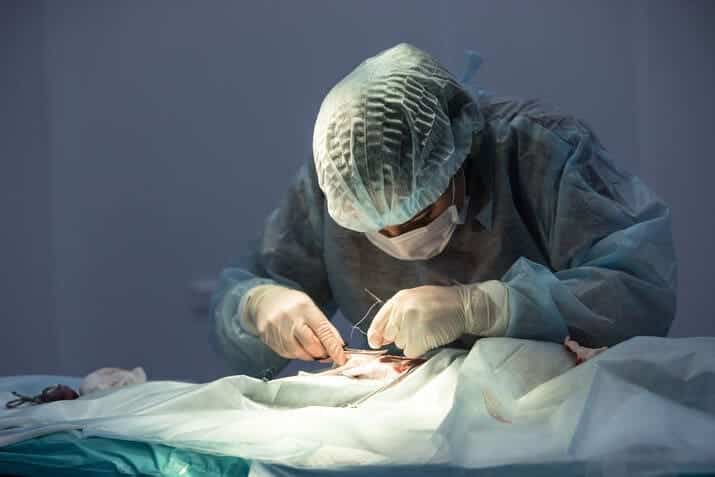
The traditional cutting approach in surgery is called open surgery. It gives surgeons a wide field to work in. They make a big cut in the body to get to the area that needs surgery.
Open surgery is different from minimally invasive surgery. The latter causes less damage and helps patients recover faster. But, open surgery is very important in many cases.
Defining Open Surgery and Its Operational Mechanics
Open surgery is very invasive. A big cut is made so surgeons can see and work on the organs or structures. This way, they can do complex surgeries with great precision.
To do open surgery, surgeons plan and make the incision carefully. Then, they dissect to get to the area they need to work on. After that, they fix what needs to be fixed and close the cut.
Clinical Scenarios Favoring Open Surgery
There are times when open surgery is better than minimally invasive surgery. This is true for complex surgeries that need direct vision and touch. It’s also true for emergencies where quick access is key, and for big tumors or a lot of tissue damage.
In these situations, open surgery offers direct access and the ability to handle complex or unexpected problems. This makes it better than minimally invasive surgery.
Choosing between open surgery and minimally invasive surgery depends on many things. These include the patient’s health, the type of surgery, and the surgeon’s skills.
Key Techniques in Minimally Invasive Surgical Procedures
Surgical innovation has led to the development of key techniques in minimally invasive procedures. These advancements have transformed the way surgeries are performed. Now, patients have less invasive options with quicker recovery times.
Laparoscopic Surgery Technique
Laparoscopic surgery, also known as keyhole surgery, involves making small incisions. A laparoscope and surgical instruments are inserted through these incisions. The laparoscope has a camera and light, allowing the surgeon to see internal organs on a monitor.
This technique is widely used for procedures like gallbladder removal and certain types of abdominal surgery.
Benefits of laparoscopic surgery include reduced postoperative pain, shorter hospital stays, and less scarring compared to traditional open surgery.
Endoscopic Procedures
Endoscopic procedures use an endoscope, a flexible or rigid tube with a camera and light. It is used to visualize the interior of the body. This technique is commonly used for diagnosing and treating conditions within the gastrointestinal tract, respiratory system, and other hollow organs.
Endoscopy allows for minimally invasive examination and treatment without the need for external incisions. This reduces the risk of complications and promotes faster recovery.
Robotic-Assisted Surgical Options
Robotic-assisted surgery uses a robotic system to facilitate surgical procedures. The surgeon operates the robotic arms from a console. This allows for precise movements and detailed visualization.
The advantages of robotic-assisted surgery include improved dexterity, reduced tremors, and enhanced visualization. This makes complex procedures more manageable and potentially improves patient outcomes.
How to Perform the Surgery: Procedural Steps in Minimally Invasive Approaches
Surgeons follow precise steps for minimally invasive surgery. This method is key in modern surgery. It offers benefits like less trauma, less pain, and faster recovery.
Pre-operative Planning and Patient Preparation
Before starting MIS, detailed planning is key. This includes looking at the patient’s medical history and doing tests. Advanced imaging helps plan the surgery.
Patient preparation is also important. This means educating the patient, getting consent, and making sure they’re ready for surgery.
Creating Access: Ports and Entry Techniques
Access creation is a big step in MIS. Surgeons use special ports and techniques to enter the body with little damage. The choice depends on the procedure, patient anatomy, and surgeon’s style.
Laparoscopic and endoscopic techniques are common. They use small incisions for ports, allowing instruments and cameras to be used.
Intraoperative Navigation and Visualization
Navigation and visualization are key in MIS. Advanced imaging and high-definition cameras give clear views of the area. This helps surgeons work precisely.
Intraoperative navigation systems also help. They guide surgeons through complex areas. This combination of steps and technology lets surgeons do complex surgeries with less harm to the patient.
By using MIS, surgeons can lower risks, reduce pain, and speed up recovery. This makes surgery better for patients.
Open Surgical Techniques: Procedural Surgery Steps
Open surgical techniques involve a series of precise steps. Surgeons access and operate on organs directly. This method uses a larger incision for a clear view of the site.
Incision Planning and Execution
The first step is planning the incision. Surgeons consider the organ’s location, the patient’s anatomy, and any scars. Careful planning is key to minimize damage and promote healing.
Executing the incision means making a precise cut through skin and tissues. This is done with a scalpel. The incision’s size and orientation depend on the procedure.
Direct Organ Access and Manipulation
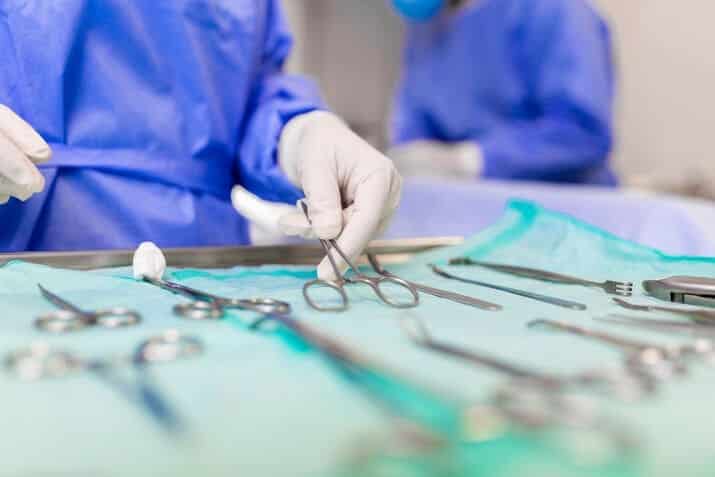
After the incision, surgeons use retractors to expose the organ. This direct access is needed for complex procedures. It allows for precise manipulation of tissues and organs.
Surgeons handle tissues carefully to avoid damage and bleeding. They use instruments like forceps and clamps to manipulate tissues.
Closure Methods and Wound Management
After the procedure, the incision must be closed. This involves suturing or stapling the tissue layers together. It starts from the deepest layer and goes up to the skin.
Wound management is key to prevent infection and promote healing. Surgeons use antibiotics and dressings to manage the wound post-operatively.
In conclusion, open surgical techniques require careful attention at every step. From incision planning to wound management, each step is critical. Understanding these steps helps appreciate the complexity of open surgery.
Technology Enabling Surgery Without Cutting
New surgical technology has made it possible to do surgery without cutting. This is thanks to three main areas: advanced imaging, special instruments, and computer-assisted navigation.
Advanced Imaging Systems
Advanced imaging systems are key in modern surgery. They help surgeons see clearly during procedures. These include:
- High-definition cameras that give detailed views of the surgical area.
- Fluoroscopy, which uses X-rays for real-time images of inside the body.
- Intraoperative MRI and CT scans, for precise location and assessment during surgery.
Specialized Instruments for Minimally Invasive Procedures
Special instruments help with minimally invasive surgery. They let surgeons do complex tasks through small cuts. These include:
- Laparoscopic instruments with flexible tips for precise work.
- Robotic instruments that improve dexterity and control.
- Energy-based devices for cutting, coagulation, and dissection.
These tools have made minimally invasive surgery more precise and safe.
Computer-Assisted Navigation Technology
Computer-assisted navigation technology has changed surgery. It gives real-time guidance and feedback. This includes:
- Navigation systems that track instruments’ position against patient anatomy.
- Robotic-assisted systems that help with complex maneuvers.
By using these technologies, surgeons can work more accurately. This leads to better results for patients.
Comparing Recovery and Clinical Outcomes
Surgical techniques have changed a lot, moving towards less invasive methods. These new ways aim to reduce pain and get patients back to their lives faster.

Hospital Stay Duration and Return to Normal Activities
Minimally invasive surgery (MIS) cuts down on hospital time. Patients recover faster with MIS than with open surgery. This is because MIS uses smaller cuts, causing less damage.
These smaller cuts mean less pain and quicker healing. So, patients can get back to their daily routines sooner. This is great for those with busy lives or who need to return to work quickly.
Pain Management Requirements
Pain is a big deal, and MIS helps a lot here. With smaller cuts, there’s less damage, leading to less pain for the patient. This means they need less pain medicine, lowering the chance of opioid addiction and other issues.
Complication Rates and Long-term Results
MIS has fewer complications than open surgery. The smaller cuts lower the risk of infections and hernias. Also, MIS’s precision can lead to better long-term results, with fewer internal problems.
In summary, MIS beats traditional surgery in many ways. It means shorter hospital stays, less pain, fewer complications, and quicker recovery. These benefits make MIS a popular choice for both patients and doctors, shaping modern surgery.
Selecting the Appropriate Surgical Approach
Choosing the right surgical method is complex. It depends on the patient and the disease. Doctors look at many factors to find the best way to treat each person.
Patient-Specific Factors Influencing Surgical Treatment Options
When picking a surgery, the patient’s needs are key. These include:
- Age and overall health of the patient, as certain techniques may be more suitable for older or frailer patients.
- Previous surgical history, including any complications or adhesions that may affect the choice of approach.
- Anatomical variations that may impact the feasibility of certain techniques.
- Patient preferences and expectations, which should be taken into account when discussing treatment options.
Doctors use these factors to make a plan that fits each person’s needs.
Disease-Specific Considerations for Surgical Technique Selection
The type of disease also affects the surgery choice. Important disease-specific factors include:
- Type and stage of the disease, as certain techniques are more effective for specific conditions or stages.
- Location and extent of the disease, which can impact the complexity and approach of the surgery.
- Potential for complications, such as bleeding or infection, which may necessitate a particular surgical approach.
Doctors must weigh these factors to pick the best surgery for each patient.
In summary, finding the right surgery is a balance. It depends on the patient and the disease. A personalized plan helps patients get the best care and avoid problems.
Future Directions in Surgical Techniques and Technology
The world of surgery is rapidly changing. We’re moving towards more minimally invasive techniques. This shift is driven by new technologies and a focus on better patient care.
Emerging Minimally Invasive Innovations
Minimally invasive surgery is leading the way in modern surgery. It offers benefits like shorter recovery times and less pain. New advancements include:
- Robotic-assisted surgery for better precision and control.
- New materials and tools for single-incision surgeries.
- Augmented reality and artificial intelligence for better navigation.
These innovations will make more procedures possible with minimal invasion. This will greatly improve patient care.
The Evolving Landscape of Surgical Practice
The future of surgery will also be influenced by changes in healthcare and technology. Important factors include:
| Technological Advancement | Impact on Surgical Practice |
| Artificial Intelligence | Improved diagnostics and personalized treatments. |
| 3D Printing | Custom implants and models for better precision. |
| Telemedicine | More access to consultations and follow-up care. |
As these technologies grow, they will shape the future of surgery. They will make care more efficient, effective, and tailored to each patient.
Conclusion: Navigating Surgical Options in Modern Medicine
It’s key to know the difference between minimally invasive and open surgery. As medical tech grows, so does the number of surgical options. This means better results and quicker healing times for patients.
Minimally invasive surgery is now a big part of modern surgery. It’s used in many areas of medicine. Studies show it leads to less pain and quicker recovery times. You can find these studies onPubMed Central.
Choosing the right surgery means understanding all your options. Knowing the good and bad of each helps. Healthcare pros can then give care that fits each patient’s needs best.
FAQ
What is surgery without cutting called?
Surgery without cutting is known as minimally invasive surgery (MIS). It uses special tools and methods through small cuts. This helps reduce damage and speeds up healing.
How does minimally invasive surgery differ from open surgery?
Minimally invasive surgery uses smaller cuts and less tissue damage. Open surgery needs a bigger cut for direct access. MIS leads to less pain, shorter stays, and faster recovery.
What are the benefits of minimally invasive surgery?
MIS offers less pain, less blood loss, and quicker healing. It also means less scarring and fewer complications.
What are the key techniques used in minimally invasive surgical procedures?
Key techniques include laparoscopic, endoscopic, and robotic-assisted surgeries. These use special tools and systems for small incisions.
How is the appropriate surgical approach selected?
Choosing the right surgery depends on the patient and the disease. Surgeons look at health, condition, and risks and benefits.
What is the role of technology in enabling surgery without cutting?
Technology is key for surgery without cutting. It includes advanced imaging, special tools, and computer help for better precision and safety.
How do recovery and clinical outcomes compare between minimally invasive surgery and open surgery?
MIS leads to faster recovery, less pain, and fewer problems. It has shorter hospital stays and less pain management needed.
What is the future of surgical techniques and technology?
The future will bring new minimally invasive methods and tech. These will improve care and outcomes, making treatments more effective and efficient.
What is open surgery, and how does it work?
Open surgery uses a larger cut for direct access. It’s for complex or high-risk cases, allowing direct tissue manipulation.
What are the procedural steps involved in minimally invasive surgical approaches?
Steps include planning, making small cuts, and using special systems for navigation during surgery.
What are the procedural steps involved in open surgical techniques?
Steps include planning and making the incision, direct access and manipulation, and closing and managing the wound.
References:
“Minimally Invasive Surgery: Overview, Techniques, and Benefits” — https://www.ncbi.nlm.nih.gov/books/NBK559068/
“Minimally Invasive and Open Surgery: Comparative Outcomes” —https://pubmed.ncbi.nlm.nih.gov/35471364/
“Technological Innovations in Minimally Invasive Surgery” — https://jamanetwork.com/journals/jama/fullarticle/2793497
“Robotic Surgery: Current Perspectives and Future Directions” — https://pmc.ncbi.nlm.nih.gov/articles/PMC10405010/