
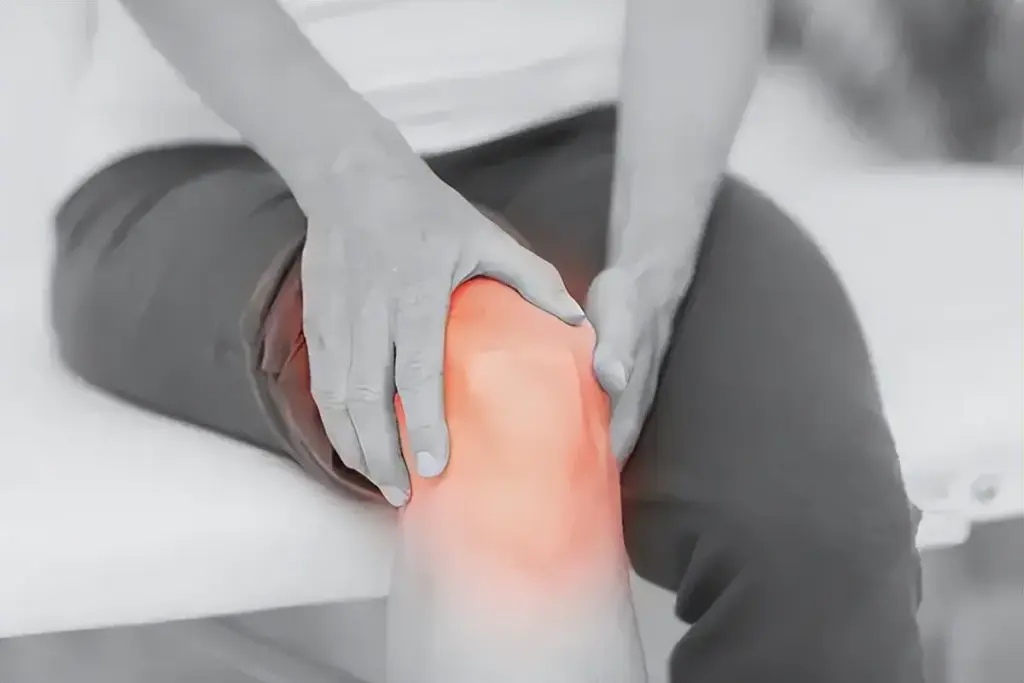
Synovitis is when the synovial membrane in joints gets inflamed. This leads to swelling, pain, warmth, and less mobility. It can happen in any joint, but often affects the knees, wrists, and fingers.
At Liv Hospital, we know how much synovitis affects joints and overall health. Our team offers caring patient care and the latest medical knowledge to treat this condition well.
It’s important to understand the meaning of synovitis to get help early. Knowing the symptoms and causes helps people get medical help fast. This can prevent long-term damage.
Key Takeaways
- Synovitis is characterized by inflammation of the synovial membrane.
- Common symptoms include swelling, pain, warmth, and reduced mobility.
- The condition can occur in any joint, with knees, wrists, and fingers being most commonly affected.
- Early diagnosis and treatment are essential for effective management.
- Liv Hospital offers complete care for synovitis, combining medical expertise with caring patient support.
Synovitis Definition: Inflammation of the Joint Lining
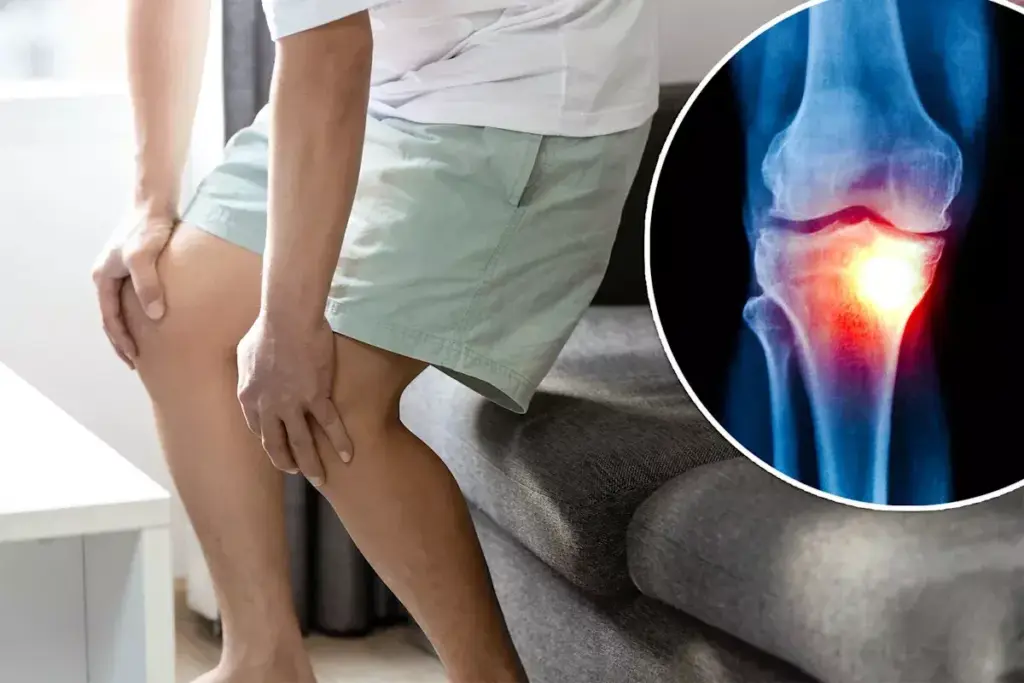
Synovitis is when the synovium, a special tissue, gets inflamed. This tissue makes fluid that helps joints move smoothly. When it gets inflamed, it can hurt how well joints work and affect your health.
The synovial membrane is key to keeping joints healthy. It makes synovial fluid, which helps joints move and gives nutrients to cartilage.
The Structure and Function of Synovial Membrane
The synovial membrane is a thin, delicate tissue. It lines joints and tendon sheaths. Its main job is to make synovial fluid, a clear liquid that reduces friction in joints.
The synovial fluid also gives nutrients to cartilage, helping joints work well. Doctors say the synovium is vital for joint health. Its inflammation can cause many problems.
Medical Expert
How Synovitis Affects Joint Health
When the synovial membrane gets inflamed, it can cause pain, swelling, and stiffness in joints. This can happen due to injury, infection, or certain types of arthritis. Synovitis can make it hard to do everyday things. It’s important to manage synovitis well to avoid long-term damage.
Synovitis can really affect how well joints move and how much pain you feel. Knowing what causes and symptoms of synovitis helps in finding the right treatment.
Recognizing Synovitis Symptoms

It’s important to know the signs of synovitis early. This helps in getting the right treatment fast. Synovitis shows itself in several ways that can really affect your life.
Joint Pain and Swelling
Joint pain is a big symptom of synovitis. It can be mild or very bad. You might also see visible swelling around the joint.
This swelling happens because the synovial membrane gets inflamed. It leads to fluid building up.
Warmth and Redness Around Affected Joints
Joints with synovitis might feel warm to the touch. They might also look red because of more blood flow. This shows the body’s fight against the condition.
Stiffness and Limited Range of Motion
Synovitis can make joints stiff. It’s hard to move them fully. This stiffness is more noticeable when you’ve been resting or not moving much.
Spotting these signs early is key. If you have ongoing joint pain, swelling, warmth, or stiffness, see a doctor. They can give you the right diagnosis and treatment.
Common Causes of Synovitis
Knowing what causes synovitis is key to treating it well. Synovitis happens when the synovial membrane gets inflamed. We’ll look at the main reasons, like inflammatory arthritis, sports injuries, and infections.
Inflammatory Arthritis Conditions
Inflammatory arthritis, like rheumatoid arthritis (RA), is a big reason for synovitis. In RA, the immune system attacks the joint lining, causing inflammation and swelling. This can make joints very painful and stiff, impacting daily life.
Sports Injuries and Repetitive Strain
Sports injuries and repetitive strain can also cause synovitis. Doing the same motion over and over or high-impact activities can inflame the synovial membrane. Athletes in high-impact sports often face this issue due to constant joint strain.
Infections and Structural Joint Problems
Joint infections, known as septic arthritis, can also lead to synovitis. These infections, from bacteria or fungi, cause severe inflammation and need quick medical care. Structural problems, like osteoarthritis, can also lead to synovitis.
| Cause | Description |
| Inflammatory Arthritis | Conditions like rheumatoid arthritis that cause immune system to attack joint linings. |
| Sports Injuries | High-impact activities or repetitive strain causing joint inflammation. |
| Infections | Bacterial or fungal infections within the joint leading to severe inflammation. |
| Structural Joint Problems | Issues like osteoarthritis that contribute to synovitis development. |
In conclusion, synovitis can come from many sources, including inflammatory arthritis, sports injuries, infections, and joint problems. Knowing these causes helps in finding the right treatment.
Effective Treatment Options for Synovitis
Treating synovitis involves many steps, each one tailored to the patient’s needs. We focus on the cause, reduce inflammation, and help joints work better. This approach helps manage synovitis well.
Medication and Anti-inflammatory Therapies
Medicines are key in treating synovitis. Nonsteroidal anti-inflammatory drugs (NSAIDs) help with pain and swelling. For serious cases, corticosteroid shots can be used to ease pain.
People with inflammatory arthritis might get special drugs. These help control the disease and protect joints.
When treating synovitis in the hand, the right medicine and dose are very important. This helps avoid more irritation and helps the hand function normally.
Physical Therapy and Rehabilitation Approaches
Physical therapy is vital for treating synovitis. It keeps joints moving, strengthens muscles, and improves function. Gentle exercises and stretches are great for joints like the knee.
A physical therapist can teach how to protect joints and use devices to reduce strain. They also use heat, cold, ultrasound, or electrical stimulation to ease pain and swelling.
Surgical Interventions for Severe Cases
Surgery is needed for severe or treatment-resistant synovitis. Removing the inflamed synovium can reduce swelling and prevent damage. This surgery can be done through a small incision or open surgery.
For conditions like capsulosynovitis, surgery might be needed to treat inflammation and structural problems.
| Treatment Option | Description | Benefit |
| NSAIDs | Nonsteroidal anti-inflammatory drugs to reduce pain and inflammation | Quick relief from symptoms |
| Corticosteroid Injections | Direct injection into the affected joint to reduce inflammation | Targeted relief for severe inflammation |
| Physical Therapy | Exercises and stretches to maintain joint mobility and strength | Improved joint function and reduced stiffness |
| Synovectomy | Surgical removal of inflamed synovium | Reduced inflammation and prevention of further joint damage |
Every patient’s journey with synovitis is different. We create treatment plans that fit each person’s needs. By using medicines, physical therapy, and sometimes surgery, we can manage synovitis well. This improves our patients’ lives.
Conclusion
Synovitis is a condition where the joint lining gets inflamed. It needs quick diagnosis and treatment to avoid lasting damage. Knowing its causes, symptoms, and treatments helps people manage it better and live better lives.
Managing synovitis well means using medicine, physical therapy, and sometimes surgery. Catching it early is key to stop it from getting worse and to avoid serious problems.
We know that synovitis, also known as inovitis or synovitus, can really affect someone’s day-to-day life. By learning about it and its treatments, people can start managing it effectively. This helps improve their joint health.
FAQ
What is synovitis?
Synovitis is inflammation of the synovial membrane that lines joints, causing pain, swelling, and stiffness.
What are the common symptoms of synovitis?
Symptoms include joint swelling, warmth, tenderness, stiffness, and reduced range of motion.
What causes synovitis?
It can be caused by injury, overuse, autoimmune disorders, infections, or underlying arthritis.
How is synovitis diagnosed?
Diagnosis involves clinical examination, medical history, imaging like ultrasound or MRI, and sometimes joint fluid analysis.
What are the treatment options for synovitis?
Treatment includes rest, anti-inflammatory medications, corticosteroid injections, physical therapy, and addressing the underlying cause.
Can synovitis be treated without surgery?
Yes, most cases improve with conservative management and rarely require surgical intervention.
How can I prevent synovitis?
Prevention includes avoiding joint overuse, maintaining a healthy weight, exercising regularly, and managing underlying conditions.
What is the role of the synovium in joint health?
The synovium produces synovial fluid, lubricates the joint, nourishes cartilage, and reduces friction during movement.
Is synovitis related to other conditions like capsulosynovitis?
Yes, synovitis can be associated with conditions like capsulosynovitis, where both the joint capsule and synovium are inflamed.
References
Nature. Evidence-Based Medical Insight. Retrieved from https://www.nature.com/articles/nrrheum.2008.14