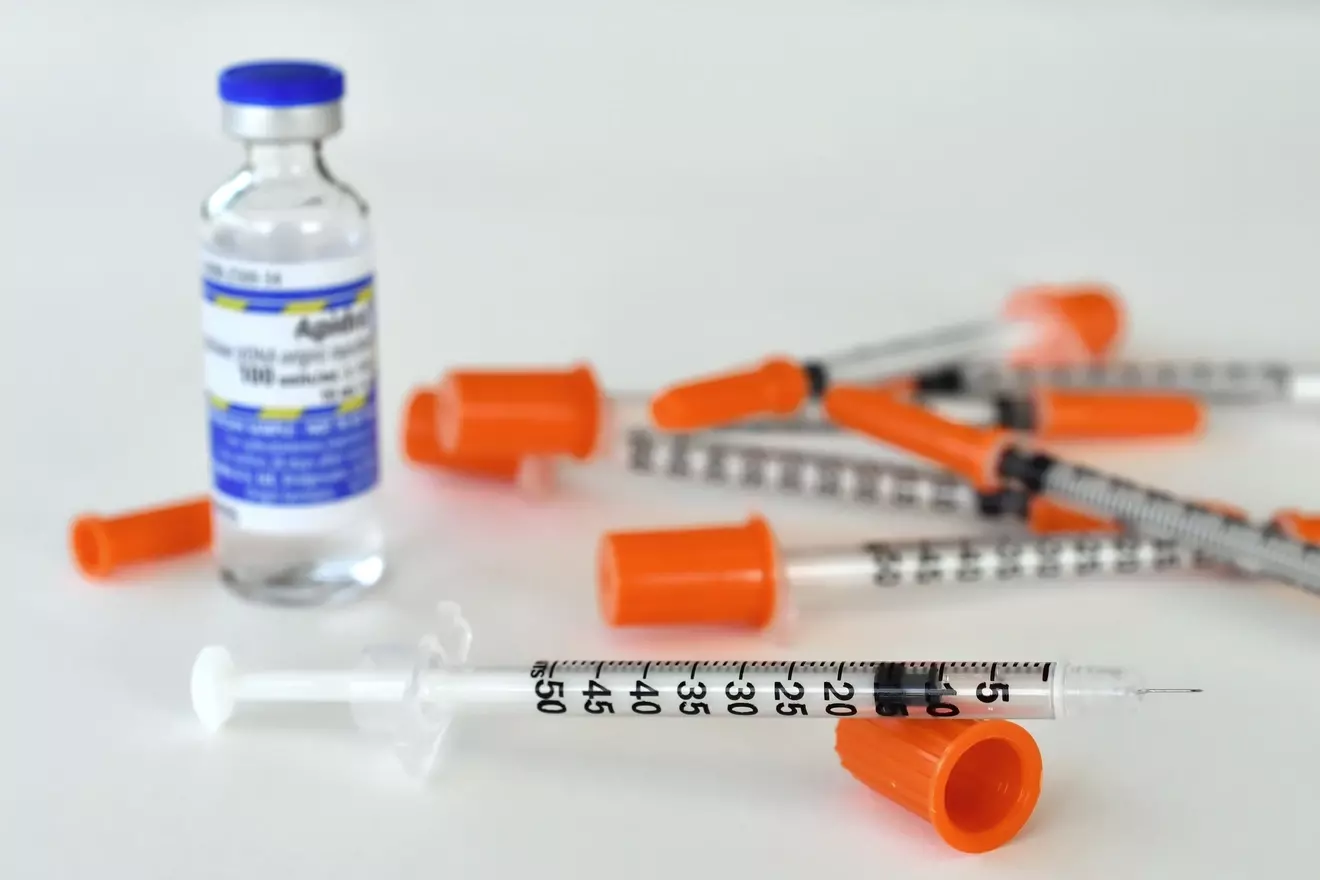
We understand the BCG vaccine is key in fighting tuberculosis (TB). It’s a live vaccine made from Mycobacterium bovis. It’s given as an intradermal injection.
It’s best to get the BCG vaccine right after birth. It’s safe and works well to stop severe TB, mainly in kids. The vaccine’s protection lasts for a while, helping in the fight against TB worldwide.
Key Takeaways
- The BCG vaccine is a live attenuated vaccine used to prevent tuberculosis.
- It is derived from Mycobacterium bovis and administered via intradermal injection.
- The vaccine is recommended to be given within the first 24 hours of birth.
- The BCG vaccine is considered safe and effective in preventing severe forms of TB in children.
- The duration of immunity provided by the vaccine varies.
The Global Impact of Tuberculosis and Prevention Strategies
Tuberculosis is a major health issue worldwide, affecting millions. It’s caused by Mycobacterium tuberculosis and mainly hits the lungs. But it can also spread to other parts of the body.
The disease spreads through the air when someone with TB coughs, sneezes, or talks. This releases droplets that carry the bacteria.
Current Tuberculosis Burden Worldwide
The World Health Organization (WHO) reports millions of new TB cases and deaths each year. TB can affect anyone, but it hits hard in low- and middle-income countries. These places often have less access to healthcare.
Understanding TB’s impact is key. It’s not just a health issue but also a big challenge for communities and economies.
The BCG vaccine is very important in preventing severe TB, mainly in kids. Vaccinating young children can greatly lower the risk of TB meningitis and miliary TB. These are serious conditions that can be deadly.
The Role of Vaccination in TB Control
Vaccination is key in fighting TB. The BCG vaccine has been used for decades to protect against severe TB. It’s not 100% effective against all TB, but it’s very important for kids.
The BCG vaccine is very effective in preventing severe TB in children. It can protect against TB meningitis and miliary TB in babies. The vaccine’s protection can last for many years, making it a vital tool in TB prevention.
By understanding TB’s global impact and using vaccination as a key prevention strategy, we can fight TB worldwide. The BCG vaccine is a powerful tool in this fight. It’s one of our best defenses against this ancient disease.
The History and Development of Bacillus Calmette-Guérin Vaccine
The BCG vaccine’s story started over 100 years ago. Albert Calmette and Camille Guérin led the way. Their work is key to understanding the vaccine’s role in health worldwide.
The Work of Albert Calmette and Camille Guérin
Albert Calmette and Camille Guérin were French scientists fighting tuberculosis. Their work created the BCG vaccine, named after them. Their early 20th-century efforts set the stage for fighting tuberculosis globally.
First Human Trials and Global Adoption
The BCG vaccine’s first human trials were in the 1920s. It quickly became a global tool. Its use has been vital in controlling tuberculosis, mainly in high-risk areas.
Evolution of BCG Strains Over Time
The BCG vaccine has evolved, leading to different strains. These changes aim to boost its effectiveness and fit various health needs. We’ll look at the major advancements in BCG strain development.
| Strain | Year Developed | Notable Characteristics |
|---|---|---|
| BCG-France | 1921 | Original strain developed by Calmette and Guérin |
| BCG-Denmark | 1931 | Used extensively in Europe |
| BCG-Japan | 1925 | Known for its high efficacy in clinical trials |
The BCG vaccine’s history shows the commitment of scientists like Albert Calmette and Camille Guérin. Knowing this history helps us see the vaccine’s importance in fighting tuberculosis worldwide.
What Is Bacillus Calmette-Guérin (BCG) Vaccine?
The Bacillus Calmette-Guérin (BCG) vaccine is key in fighting tuberculosis. It’s a live attenuated vaccine. This means it uses a weakened TB bacteria form to protect without causing the disease.
Definition as a Live Attenuated Vaccine
The BCG vaccine is a live attenuated vaccine. It has a weakened Mycobacterium bovis strain. This strain is related to TB-causing bacteria. The bacteria is weakened through repeated culturing, making it safe yet effective.
Derivation from Mycobacterium bovis
The BCG vaccine comes from Mycobacterium bovis. It’s part of the Mycobacterium tuberculosis complex. The vaccine is made by weakening M. bovis to be safe for humans but strong enough to trigger an immune response.
A study on the BCG vaccine’s effectiveness is found here. This process is key to the vaccine’s ability to protect against TB.
“The BCG vaccine’s derivation from Mycobacterium bovis and its attenuation process are fundamental to its role in providing immunity against tuberculosis.”
Mechanism of Action Against Tuberculosis
The BCG vaccine boosts the body’s immune system to fight Mycobacterium tuberculosis. It uses a weakened M. bovis form to trigger an immune response. This prepares the body to better fight TB bacteria.
Experts say the vaccine works by boosting both innate and adaptive immune responses. This helps protect against severe TB, mainly in children.
The BCG vaccine’s success in preventing severe TB, mainly in kids, highlights its critical role in TB control. Understanding how it works and how it’s made helps us see its value in public health efforts against TB.
Composition and Ingredients of the TB Vaccine
It’s important to know what’s in the BCG vaccine to understand how it fights tuberculosis. The BCG vaccine is made from live, weakened bacteria. These bacteria help the body fight off tuberculosis.
Live Bacterial Components
The BCG vaccine has live, weakened Mycobacterium bovis bacteria. These bacteria are safe because they’re too weak to cause disease. They help the body learn to fight tuberculosis bacteria.
Stabilizers Including Sodium Salts and Glycerol
The BCG vaccine also has stabilizers to keep it working well. Sodium salts and glycerol are used for this. Sodium salts keep the balance right, and glycerol stops the vaccine from drying out. These help the vaccine stay strong from start to finish.
Manufacturing and Quality Control Standards
The BCG vaccine is made with very high standards. These standards make sure the vaccine is safe and works well. The process includes growing the bacteria, freeze-drying, and filling vials. Every step is checked carefully to keep the vaccine safe.
| Component | Function |
|---|---|
| Live attenuated Mycobacterium bovis | Stimulates immune response against tuberculosis |
| Sodium salts | Maintains osmotic balance |
| Glycerol | Acts as a humectant, preventing drying out |
BCG Vaccine Administration Methods
Getting the BCG vaccine right is key to fighting tuberculosis. How it’s given affects its power to protect us.
Standard Intradermal Injection Technique
The BCG vaccine is given through an intradermal injection. This means it’s injected just under the skin, usually on the forearm. This method is chosen because it helps the vaccine work better. Doctors use special needles and syringes to do this right.
Debunking the “9 Needle Injection” Myth
Many think the BCG vaccine is given with a “9 needle injection.” This is not true, says doctors everywhere. The real way is the intradermal injection. This myth might come from bad info or confusion.
Proper Administration Protocols
Following the right steps is vital for the BCG vaccine to work. Important things include:
- Using the correct needle and syringe for intradermal injections.
- Administering the vaccine in the correct dosage.
- Ensuring the vaccine is injected just beneath the skin.
- Monitoring for local reactions post-vaccination.
By sticking to these steps, doctors can make sure the BCG vaccine works well. This helps protect us from tuberculosis.
Effectiveness of BCG Immunization Against Tuberculosis
The BCG vaccine is known for protecting against severe tuberculosis, mainly in kids. We’ll look at how well it works against childhood TB, its success rates in different groups, and what affects its performance.
Protection Against Severe Childhood TB
The BCG vaccine helps a lot against serious TB in kids, like tuberculous meningitis and miliary TB. This is very important in places where TB is common, as these serious forms can be very harmful. Research shows BCG vaccination cuts the risk of severe TB in kids by 70-80%.
Varying Efficacy Rates Across Populations
The BCG vaccine works well against severe childhood TB, but its success varies. This difference comes from many things, like the vaccine type, exposure to other mycobacteria, and genetics. For example, its success rate can be anywhere from 0% to 80% worldwide.
| Population | Efficacy Rate (%) |
|---|---|
| UK | 60-80 |
| India | 0-40 |
| Sub-Saharan Africa | 50-70 |
Factors Influencing Vaccine Effectiveness
Many things affect how well the BCG vaccine works. These include the vaccine type, exposure to other mycobacteria, and the population’s genetics. Knowing these helps us make BCG vaccination better and fight TB more effectively. How the vaccine is stored, handled, and given also matters.
By understanding these details, we can see how important the BCG vaccine is in preventing TB worldwide.
How Long Does a Tuberculosis Vaccine Last?
Exploring how long the tuberculosis vaccine lasts is key. We look at both short-term and long-term effects. The Bacillus Calmette-Guérin (BCG) vaccine has been fighting TB for nearly a century. Knowing how long it protects is essential for health strategies.
Short-term Immune Response
The BCG vaccine creates a strong short-term immune response. This is important for fighting severe TB, mainly in kids. Research shows it offers good protection a few weeks after getting the vaccine.
This early response involves immune cells like macrophages and T lymphocytes. They team up to fight the Mycobacterium tuberculosis bacteria.
Long-term Protection Duration
The long-term protection from the BCG vaccine is a big topic. Studies suggest it can last 10 to 20 years or more in some cases. But, how long it lasts varies.
Things like the BCG strain, when you got vaccinated, and other infections can affect how long it lasts.
Waning Immunity and Possible Need for Boosters
Like other vaccines, BCG immunity can fade over time. This waning immunity makes us think about the need for booster shots. Research on BCG boosters shows they can improve immune responses.
Thinking about boosters is important for future TB vaccine plans.
Important things to consider about BCG vaccine protection include:
- How well it creates lasting immune memory
- The effect of booster shots on keeping immunity
- How big factors like the environment affect vaccine success
As we learn more about BCG vaccine longevity, we get closer to better TB prevention worldwide.
Global BCG Vaccination Policies and Practices
BCG vaccination policies differ around the world. They show how countries tackle tuberculosis in their own ways. These strategies depend on local TB rates, healthcare systems, and money available.
Countries with Universal BCG Programs
Many places with lots of TB use universal BCG vaccination. They give the vaccine to babies right after they’re born. Countries like those in Asia, Africa, and parts of Europe follow this rule. The World Health Organization suggests BCG for babies in areas with lots of TB.
Selective Vaccination Approaches
Some countries with less TB use selective vaccination. They focus on groups at high risk, like healthcare workers. This way, they use resources wisely and protect those most likely to get TB.
In places with less TB, BCG is given to certain groups. For example:
- Healthcare workers who often deal with TB patients
- People going to or living in high-risk areas
- Children in areas with lots of TB
When and Why the US Stopped Giving TB Vaccine
The US stopped giving BCG vaccine to everyone in the 1970s. Several reasons led to this choice:
- There’s not much TB in the US
- There were worries about how well the vaccine works
- BCG might mess up TB skin tests, which help find and track TB
Instead, the US focuses on testing and treating TB in high-risk groups. This is different from giving BCG to everyone.
BCG vaccination policies are always changing. They’re influenced by new TB research, changes in TB rates, and shifting health goals. As we learn more about TB and vaccines, how we use BCG will likely change too.
Side Effects and the Characteristic Tuberculosis Scar Vaccine
After getting the BCG vaccine, people might feel some side effects. We’ll look at these reactions, the scar that often shows up, and rare problems that can happen.
Normal Reactions at Injection Site
The BCG vaccine is given under the skin. It’s common for the spot where it’s given to get red, swollen, and form a small lump. These signs are usually mild and go away in a few weeks.
The skin where the vaccine was given might also get slightly indurated or hard. This is the body’s way of reacting to the vaccine. Most of the time, these signs are nothing to worry about and don’t need a doctor’s visit.
Formation and Appearance of the BCG Scar
A BCG scar is a common result of the vaccine. It shows up a few months after getting the shot. The scar can be different sizes and looks. Having a BCG scar means the vaccine worked and you have some protection against tuberculosis.
For more details on the BCG vaccine and its effects, check out the study in the Beh Medical.
Rare Complications and Management
Even though it’s rare, some serious side effects can happen. These might include severe local reactions like big abscesses or swelling that doesn’t go away. In very rare cases, the vaccine can cause infections in people with weak immune systems.
If you have any unusual or serious reactions, see a doctor right away. They can check you out and help manage the situation. This might include treatments to make you feel better or fix any problems.
It’s key to follow the right steps for getting vaccinated and taking care of yourself after. Knowing what side effects and reactions to expect can help you be ready for what happens after getting the BCG vaccine.
Special Populations and BCG Vaccination Considerations
When it comes to the BCG vaccine, we need to think carefully about special groups. We must consider their health needs to protect them from tuberculosis safely and effectively.
Contraindications in Immunocompromised Individuals
People with weak immune systems face challenges with the BCG vaccine. The vaccine can cause serious infections in those with severe immune problems. So, BCG vaccination is not recommended for those with known or suspected immunodeficiency diseases.
The World Health Organization warns about the higher risk of BCG infection in people with weak immune systems. This shows we need to be very careful before giving the BCG vaccine to such individuals.
Pregnancy and BCG Vaccination
Pregnancy is another important factor in BCG vaccination decisions. The BCG vaccine is not usually given during pregnancy, but there might be exceptions. The decision to vaccinate pregnant women should be made on a case-by-case basis, weighing the risks and benefits.
Even though live vaccines like BCG are generally avoided in pregnancy, the benefits might outweigh the risks in high TB areas. Always talk to a healthcare provider to decide the best action.
Vaccination in HIV-Positive Populations
HIV-positive individuals also need careful consideration for BCG vaccination. The World Health Organization suggests BCG vaccination at birth for HIV-infected infants in high TB areas, despite the risks. But, HIV-positive individuals with severe immunodeficiency should not get the BCG vaccine.
The decision to vaccinate HIV-positive individuals is complex. It depends on their immune status and the local TB situation. Experts say managing HIV-infected individuals requires a detailed approach, including vaccination strategies.
In conclusion, BCG vaccination in special populations needs a careful and personalized approach. Understanding the unique needs and risks for immunocompromised individuals, pregnant women, and HIV-positive populations helps ensure the vaccine’s safe and effective use.
Alternative Applications of Bacillus Calmette-Guérin
The BCG vaccine is known for preventing tuberculosis. But, it also has other uses in medicine. Scientists are studying how it can help with different health issues.
BCG Therapy for Bladder Cancer
BCG is used to treat bladder cancer. It’s put directly into the bladder to fight cancer cells. This method helps lower the chance of cancer coming back.
Studies show BCG therapy is safe and works well for some bladder cancers. It helps kill off cancer cells, which lowers the risk of it coming back.
Emerging Research on Autoimmune Diseases
Research is looking into BCG’s use for autoimmune diseases. It might help with conditions like type 1 diabetes and multiple sclerosis. This is because BCG can change how the immune system works.
But, we need more research. What we know so far comes from early studies. We’re waiting for more information on BCG’s effects on autoimmune diseases.
Potential Role in COVID-19 Protection
The COVID-19 pandemic has made people think about BCG’s role. Some studies suggest it might protect against COVID-19 or make it less severe. This is based on a few observational studies and trials.
We’re watching for more research. If BCG really helps against COVID-19, it could change how we fight the disease. This is important, mainly in places where tuberculosis is common.
Conclusion: The Future of TB Prevention and BCG Vaccination
The Bacillus Calmette-Guérin (BCG) vaccine is key in fighting tuberculosis worldwide. It helps protect against severe TB, mainly in kids. Its use has grown, but its success varies by population.
Future research aims to make the BCG vaccine better and use it more. We might see new vaccine technologies soon. This could lead to more effective TB vaccines. The BCG vaccine might also help fight some cancers in the future.
We need to keep funding research to better fight TB. Working together, we can overcome TB’s challenges. Improving the BCG vaccine is vital for global health’s future.
What is the BCG vaccine?
The BCG vaccine is a live, weakened form of Mycobacterium bovis. It’s mainly used to fight tuberculosis (TB).
How is the BCG vaccine administered?
It’s given as an intradermal injection, usually on the forearm. We clear up the “9 needle injection” myth. Proper injection methods are key to its success.
What is in the BCG vaccine?
The vaccine has live bacteria and stabilizers like sodium salts and glycerol. Its making and checking ensure it’s safe and works well.
How long does the BCG vaccine last?
Its protection time varies. It helps against severe TB in kids but may need booster shots later.
Is the BCG vaccine effective against tuberculosis?
Yes, it protects against severe TB, mainly in children. But its success depends on the vaccine strain and the people getting it.
Why did the US stop giving the TB vaccine?
The US stopped it because TB risk is low here. The vaccine’s mixed success also played a part. Other TB control methods were available too.
What are the common side effects of the BCG vaccine?
Side effects include redness, swelling, and a scar at the injection site. Rare but serious issues can happen, so managing them is important.
Can the BCG vaccine be used in special populations?
Its use in people with weakened immune systems, pregnant women, and those with HIV needs careful thought. Safety measures are key.
Are there alternative applications of the BCG vaccine?
Yes, it’s used in bladder cancer treatment. Research also looks into its effects on autoimmune diseases and COVID-19.
How does the BCG vaccine generate defenses against tuberculosis?
It introduces a weakened form of Mycobacterium bovis. This triggers an immune response without causing TB.
What is the significance of the BCG scar?
The BCG scar shows the vaccine worked. It looks different for everyone but is a normal sign of successful vaccination.
Is BCG vaccination mandatory in some countries?
Yes, some countries require it for everyone. Others only vaccinate certain groups based on TB risk.
References
- BCG Vaccine AJV — Summary of Product Characteristics. (n.d.). Electronic Medicines Compendium. Retrieved from https://www.medicines.org.uk/emc/product/9890/smpc (Medicines.org.uk)
- Okafor, C. N., Rewane, A., & Momodu, I. I. (2023). Bacillus Calmette Guerin [Internet]. In StatPearls. Retrieved from https://www.ncbi.nlm.nih.gov/books/NBK538185/ (NCBI)
- Redelman‑Sidi, G., Glickman, M. S., & Bochner, B. H. (2014). The mechanism of action of BCG therapy for bladder cancer — a current perspective. Nature Reviews Urology, 11(3), 153–162. Retrieved from https://pubmed.ncbi.nlm.nih.gov/24492433/ (NCBI)
- Pettenati, C., & Ingersoll, M. A. (2018). Mechanisms of BCG immunotherapy and its outlook for bladder cancer. Nature Reviews Urology, 15, 615–625. Retrieved from https://www.nature.com/articles/nrurol.2014.15 (PubMed)
- Pettenati, C., & Ingersoll, M. A. (2018). Mechanisms of BCG immunotherapy and its outlook for bladder cancer. Nature Reviews Urology, 15, 615–625. Retrieved from https://www.nature.com/articles/s41585-018-0055-4 (PubMed)