
Choosing hip replacement surgery is tough, and many ask if age matters.
At Liv Hospital, we put patients first and make choices based on solid evidence. We help you decide when it’s the right time for hip surgery. Usually, this is between 50 and 80 years old.
We look at more than just age. We also consider how bad your symptoms are and how they affect your life. Thanks to new surgery methods and strong prosthetics, more people can get hip replacements.
Key Takeaways
- Hip replacement surgery is generally considered for individuals between 50 and 80 years old.
- Decisions should be based on the severity of symptoms and failure of non-surgical treatments.
- Modern surgical techniques and durable prosthetics have expanded the options for hip replacement.
- Patient-centered care is key for the best results.
- Liv Hospital offers top-notch healthcare and full support for international patients.
The Evolution of Hip Replacement Surgery
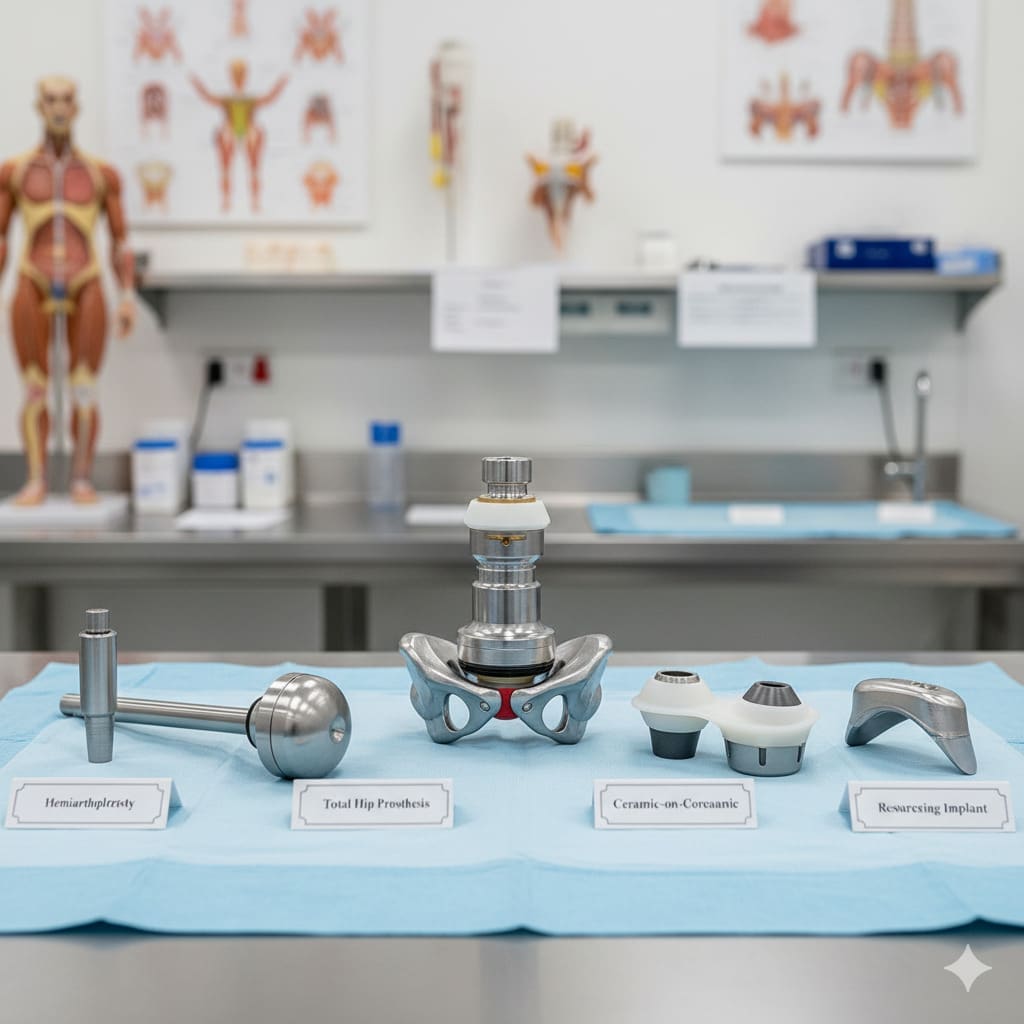
Hip replacement surgery has seen a big change, thanks to new methods and materials. These advancements have made the surgery better for more people. Now, it’s an option for a wider range of ages.
Modern Surgical Techniques
New surgical methods have made hip replacement surgery better. Minimally invasive procedures cut down on recovery time and scarring. They use smaller cuts and less damage to tissues, leading to less pain and faster healing.
Advancements in Prosthetic Materials
New materials and designs have made hip prosthetics better. For example, materials like highly cross-linked polyethylene and advanced ceramics last longer. They also wear down less, which means the implant can last longer.
| Material | Characteristics | Benefits |
|---|---|---|
| Highly Cross-linked Polyethylene | Enhanced durability, reduced wear | Longer implant lifespan, less risk of revision surgery |
| Advanced Ceramic Materials | High strength, low friction | Improved implant performance, reduced risk of dislocation |
| Metal Alloys | High strength, corrosion resistance | Durable, suitable for active patients |
The mix of new surgical techniques and better prosthetic materials has greatly improved hip replacement surgery. Now, deciding when to have the surgery depends on each patient’s needs, not just their age.
What Is the Best Age for Hip Replacement?
Choosing the right age for hip replacement surgery is not simple. It depends on many factors, not just age.
The Average Age Range ((50-8080)
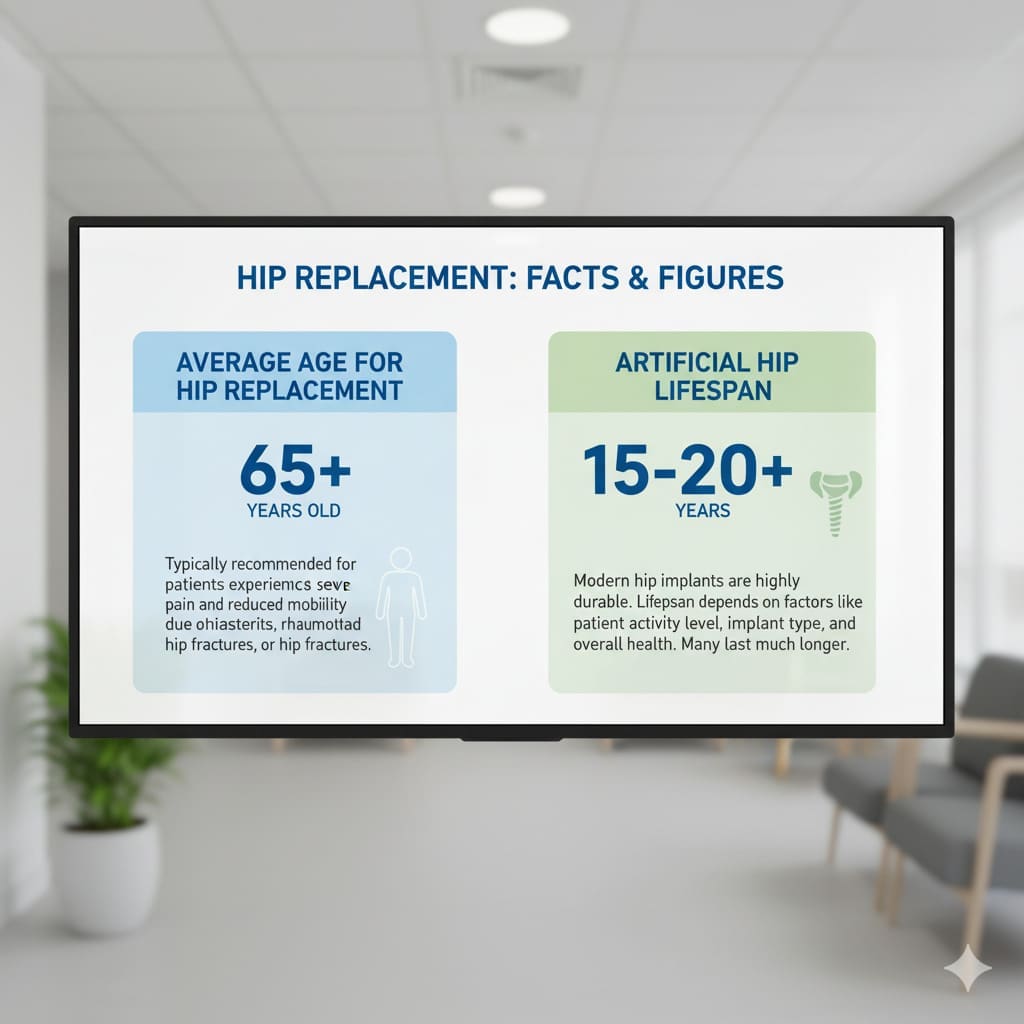
Most hip replacements, 1.2 million worldwide, happen to people aged 50 to 80. The average age is about 65. But, the actual age can vary a lot.
Why Individual Factors Matter More Than Age
Age can hint at recovery and health risks. But, it’s not the only thing. A patient’s health, lifestyle, and symptoms are more important.
For example, a 70-year-old with good health might be a better candidate than a 50-year-old with health problems. We look at several things when deciding if someone is right for surgery. These include the severity of their symptoms, their overall health, and their lifestyle.
- Severity of symptoms
- Overall health
We consider each patient’s unique situation. This way, we make sure they get the right care. It helps them have a better chance of a successful surgery.
Hip Replacement in Younger Adults (Under 50)
Younger adults with severe hip conditions may find hip replacement surgery a good option. This surgery can help those with bad hip pain who haven’t found relief with other treatments.
Choosing hip replacement for younger adults involves looking at several things. It’s about weighing the benefits against the risks, like how long the implant will last.
Special Considerations for Younger Patients
Younger patients have different needs than older ones. They are often more active and might live longer, which can affect their hip replacement. We consider these things when deciding if surgery is right for them.
Activity level and lifestyle are key. Younger, active people might need special implants and surgical methods.
Durability of Modern Implants
New materials and designs have made hip implants last longer. These implants can handle daily activities and even some sports.
Advanced materials like ceramic and special plastics make implants last longer. They wear down less, which means they might not need to be replaced as often.
Potential Need for Revision Surgery
Younger adults should think about needing more surgeries in the future. Hip implants don’t last forever, so they might need more surgeries as they get older.
We talk about the possibility of more surgeries with our patients. We discuss the risks, benefits, and other options. This helps them make a well-informed choice about hip replacement surgery.
Deciding on hip replacement surgery should be a team effort. It’s important to talk to a healthcare professional and think about how it will affect your life.
Hip Replacement for Middle-Aged Adults (50-65)
Hip replacement can greatly improve life for those aged 50-65. It helps with chronic hip pain and mobility problems. Many at this age are active, and hip pain can make daily activities hard.
Benefits of Not Delaying Necessary Surgery
Waiting too long for hip replacement can worsen joint pain and mobility. Not delaying surgery can help middle-aged adults:
- Reduce chronic pain and discomfort
- Improve their mobility and ability to perform daily activities
- Enhance their overall quality of life
-Dr. an Orthopedic Surgeon, says, “Timely hip replacement surgery can significantly improve a patient’s functional ability and reduce pain, allowing them to return to their normal activities.”
Recovery Expectations
Recovery from hip replacement surgery for middle-aged adults involves physical therapy, pain management, and lifestyle changes. Patients can expect:
- Initial recovery at home or in a rehabilitation facility
- A structured physical therapy program to regain strength and mobility
- Gradual return to normal activities over several weeks to months
It’s essential to follow the surgeon’s instructions and attend follow-up appointments to ensure a smooth recovery.
Long-term Outcomes
The long-term results of hip replacement surgery for middle-aged adults are mostly positive. Most patients see a big drop in pain and better mobility. Studies show:
- The majority of hip replacements last 20-25 years or more
- Modern implants and surgical techniques have improved success rates
- Patients can enjoy a wide range of activities, including sports and exercise
A study in the Journal of Orthopedic Surgery found, “Hip replacement surgery in middle-aged adults results in significant improvements in functional outcomes and patient satisfaction.”
Understanding the benefits, recovery, and long-term results helps middle-aged adults make informed decisions about their hip health. They can consider surgery when needed.
Hip Replacement for Older Adults (65-80)
Studies show that people between 65 and 80 do well after hip replacement surgery. This age is often the best for surgery because of several reasons. These reasons help with good results and recovery.
Why This Is Often Considered the Optimal Age Range
There are good reasons why 65-80 is a great age for hip replacement. First, this age group faces fewer risks during surgery. They also tend to understand their health better and are more active in their recovery.
- Lower risk of certain surgical complications
- Better overall health compared to older populations
- Greater awareness and proactive approach to health
Balancing Risks and Benefits
When thinking about hip replacement, weighing risks and benefits is key. For older adults, this means looking at their health, surgery risks, and how much their life will improve. We help our patients understand and prepare for the surgery.
Key considerations include:
- Assessing overall health and medical history
- Discussing possible risks and complications
- Understanding what to expect and how to recover
Quality of Life Improvements
Hip replacement surgery can greatly improve life for older adults. It can reduce pain and make moving easier. This lets patients live more active and happy lives.
They can start doing things they couldn’t do before because of hip pain.
- Engage in hobbies and social activities
- Maintain independence
- Enjoy improved overall well-being
We make sure those in the 65-80 age range get the best from hip replacement surgery. This is by carefully checking who is a good candidate and working closely with them.
Hip Replacement in Advanced Age (80+)
Being over 80 doesn’t mean you can’t get a hip replacement. It’s more about your health and how active you are. We look at each patient’s health, medical history, and how well they might recover.
Evaluating Candidacy in Elderly Patients
We check a few important things when deciding if an elderly patient can have hip replacement. We look at their health, how bad their hip problem is, and if they can safely have surgery. We also think about their support system and where they live to make sure they get the care they need.
Some older adults have had hip replacement and seen big improvements in their life. A study found that elderly patients who had the surgery could move better and felt less pain. This helped them live more active lives.
Modified Surgical Approaches
We often change our surgery methods for older patients to make it safer and more effective. This might mean using less invasive techniques or special anesthesia. Our aim is to make the surgery as safe and successful as it can be.
We also pick the right implant for each patient. We choose materials and designs that last long and might not need to be changed later. This custom approach helps our older patients get the best results.
Recovery Support Requirements
Support during recovery is key for elderly patients after hip replacement. We work with patients and their families to create a detailed care plan. This includes physical therapy, managing pain, and help with daily tasks.
With the right support during recovery, our elderly patients can have a smoother and more successful healing process. This helps them regain their independence and enjoy a better quality of life.
Key Signs It’s Time to Consider Hip Replacement Surgery
When hip pain makes daily activities and sleep hard, it might be time for surgery. Choosing surgery is tough, but clear signs show it’s the right choice.
Persistent Pain Despite Conservative Treatment
If treatments like physical therapy and medication don’t help, surgery might be needed. Persistent pain that affects your life is a big sign.
Significant Mobility Limitations
Hip pain can make simple tasks hard, like walking or getting dressed. If you’re struggling, surgery could help a lot.
Impact on Daily Activities and Quality of Life
Hip pain can ruin your day and hobbies. If it’s persistently bothering you, talk to your doctor about surgery.
Sleep Disruption Due to Hip Pain
Sleep problems from hip pain are a big warning sign. Many patients sleep better after surgery.
To understand hip replacement better, let’s look at some data:
| Aspect | Before Surgery | After Surgery |
|---|---|---|
| Pain Level | Severe | Mild/None |
| Mobility | Limited | Improved |
| Sleep Quality | Disrupted | Improved |
Patients often see big improvements in pain, mobility, and sleep after surgery.
We look at these factors to decide if surgery is right for you. Talking about your situation and surgery’s benefits helps us make a good choice together.
Medical Conditions That Influence Hip Replacement Timing
Knowing about the medical conditions that affect hip health is key to figuring out the best time for hip replacement. Some conditions can make the hip joint wear down faster, leading to surgery sooner in life.
Osteoarthritis Progression
Osteoarthritis is a top reason for hip replacement surgery. It’s a disease that makes the cartilage in the hip joint wear away, causing pain and stiffness. How fast osteoarthritis progresses can vary a lot, depending on genetics, obesity, and past injuries.
Early onset osteoarthritis can hit younger adults hard, making them need hip replacement at a young age. On the other hand, some people may see their condition progress more slowly, allowing them to manage it without surgery for longer.
Rheumatoid Arthritis
Rheumatoid arthritis is an autoimmune disease that causes inflammation and pain in the joints, including the hips. It can affect anyone at any age and is more common in women.
Thanks to new treatments, managing rheumatoid arthritis has gotten better. But sometimes, hip replacement is needed to ease pain and improve function.
Avascular Necrosis
Avascular necrosis happens when the blood supply to a bone is cut off, causing the bone to die. This can make the hip joint collapse, leading to severe pain and limited movement.
Many things can cause avascular necrosis, like too much alcohol, steroid use, and trauma. Often, hip replacement surgery is the best way to treat it when it’s advanced.
Hip Fractures and Trauma
Hip fractures and injuries can really hurt the hip joint, sometimes requiring hip replacement. Whether or not to have surgery depends on how bad the fracture or injury is and the patient’s overall health.
| Condition | Typical Age of Onset | Likelihood of Hip Replacement |
|---|---|---|
| Osteoarthritis | 50+ | High |
| Rheumatoid Arthritis | Any age | Moderate to High |
| Avascular Necrosis | Any age | High |
| Hip Fractures/Trauma | Any age, increases with age | High, specially in older adults |
These conditions show how complex it is to decide when to have hip replacement. Every patient is different, and the decision to have surgery should be made with a doctor’s advice.
The Decision-Making Process with Your Healthcare Team
Choosing hip replacement surgery is a team effort between you and your doctors. It’s key to find the right treatment for you.
Essential Pre-Surgical Evaluations
Before surgery, several checks are needed. These help your team understand your health and any surgery risks. We look at your medical history, do physical checks, and might do tests like X-rays or blood work.
These steps are important to see if you’re a good candidate for surgery. They help us plan the best surgery for you. Knowing your health helps us manage any issues that could affect your recovery or surgery success.
Discussing Expectations and Outcomes
Talking about what you expect and possible outcomes is key. We want to hear your concerns and goals. This helps set clear expectations and clear up any wrong ideas about the surgery.
Knowing the surgery’s benefits and risks helps you make a better choice. We also talk about what to expect after surgery, like recovery and rehab. This prepares you for what’s next.
Second Opinions and Specialist Referrals
Getting a second opinion or a specialist’s view can be helpful. We support you in looking into these options. Other doctors might offer new insights or specialized knowledge that’s good to know.
We want you to feel sure and supported about your surgery choice. By working together and looking at all the facts, we find the best way to care for you.
When Hip Replacement May Not Be Recommended
Hip replacement can change lives, but it’s not right for everyone. We know it’s not the best choice for some. There are times when other treatments might work better.
Medical Contraindications
Some health issues can make hip replacement risky or not work well. For example, those with severe heart disease or who can’t safely have surgery might not be good candidates. We check each patient’s health to see if they can have the surgery.
Conditions that may contraindicate hip replacement include:
- Active infections
- Severe neurological disorders
- Significant cardiovascular disease
Infection Concerns
Infections are a big worry with any surgery, including hip replacement. People with past infections, like those in joints or bones, might face higher risks. We do lots to lower this risk, like careful checks before surgery and using antibiotics.
“The risk of infection is a critical consideration in hip replacement surgery. We take every precaution to ensure our patients are thoroughly evaluated before proceeding with surgery.”
Unrealistic Expectations
It’s important for patients to have realistic hopes after hip replacement. We help them understand what the surgery can and can’t do. If hopes are too high, even a successful surgery can lead to unhappiness.
Alternative Treatments Worth Trying First
Before hip replacement, some treatments might be worth trying first. These include:
- Physical therapy to improve mobility and strength
- Medications to manage pain and inflammation
- Lifestyle modifications, such as weight loss or changes in activity level
We help our patients explore these options and find the best treatment for them.
Choosing hip replacement surgery depends on many things. We consider the patient’s health, how bad their hip problem is, and what they want.
Conclusion: Making an Informed Decision About Hip Replacement
Choosing the right age for hip replacement surgery depends on many things. These include your overall health and how hip pain affects your daily life. The age range for this surgery is usually between 50 and 80 years. But, the decision should be made after a detailed look at each person’s needs.
It’s key to work closely with your healthcare team to decide what’s best. They will consider how your hip condition is getting worse and if other treatments have worked. This way, patients can make choices that are right for them. With the right help, making this decision can be easier.
The age for hip replacement surgery varies for everyone. It’s not the same for everyone. We aim to give detailed advice and support. This helps patients get the best results and live better lives.
What is the ideal age for hip replacement surgery?
The best age for hip replacement surgery is between 50 and 80 years. We look at more than just age. We consider how severe the symptoms are and how they affect your life.
Is hip replacement suitable for younger adults?
Yes, younger adults with severe hip problems can consider hip replacement. We think about how long the implants last and if you might need another surgery later.
What are the key signs that indicate it’s time to consider hip replacement surgery?
Signs include pain that doesn’t go away, trouble moving, and pain that affects your daily life. Sleep problems due to hip pain are also a sign.
How do medical conditions influence the timing of hip replacement surgery?
Conditions like osteoarthritis, rheumatoid arthritis, and hip fractures can affect when to have surgery. Knowing about these conditions helps us tailor your care.
What is the decision-making process like when considering hip replacement surgery?
We start with pre-surgery checks and talk about what to expect. We also consider getting a second opinion or seeing a specialist.
Are there cases where hip replacement is not recommended?
Yes, it’s not for everyone. Reasons include medical reasons, infection risks, or if other treatments might work first.
What is the optimal age range for hip replacement, and why?
The 65-80 age range is often best. People in this range usually see big improvements in their life quality.
How do you evaluate candidacy for hip replacement in elderly patients?
We check their health, activity level, and recovery chances. We tailor surgery and care to meet their needs.
What are the benefits of not delaying necessary hip replacement surgery for middle-aged adults?
Getting surgery when needed can greatly improve life. We talk about recovery and long-term results to prepare patients.
What advancements have been made in hip replacement surgery?
New techniques and materials have made recovery faster and outcomes better. This makes hip replacement a good option for more people.