Blood clots in the eye can be scary. But knowing why they happen and how to treat them is key. We’ll look at subconjunctival hemorrhage and retinal vein occlusion, two types of eye blood clots. We answer: “what is thecause of blood clot in the eye?” This guide explains the top 5 causes and the best treatment options.
Some blood clots in the eye might go away on their own. But others are serious and need quick help. At Liv Hospital, our top-notch eye doctors are ready to help. They work hard to make sure you get the best care for your eye blood clot.
Key Takeaways
- Blood clots in the eye can result from various mechanisms, including subconjunctival hemorrhage and retinal vein occlusion.
- Some cases of blood clots in the eye are benign and resolve independently.
- Certain types, such as retinal vein occlusion, are serious and require immediate medical attention.
- Liv Hospital offers advanced ophthalmology care for diagnosing and treating blood clots in the eye.
- Understanding the causes and treatment options is key for managing them well.
Understanding Blood Clots in the Eye

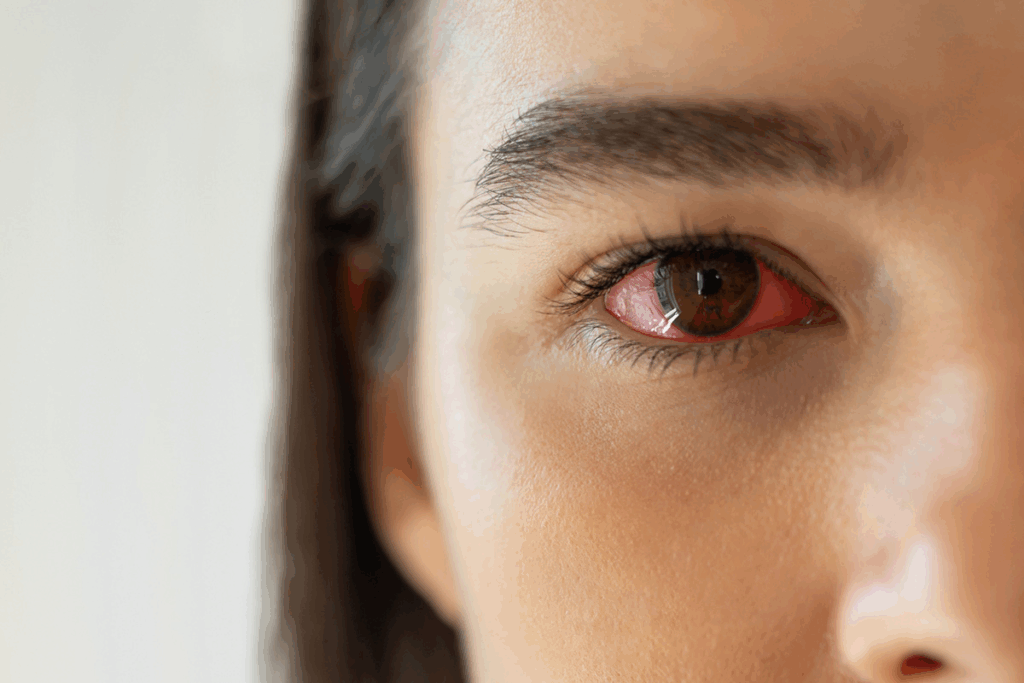
Blood clots in the eye can happen for many reasons. This includes small injuries or health problems. When we talk about blood clots in the eye, we usually mean a subconjunctival hemorrhage. This is when tiny blood vessels burst, leaking blood under the conjunctiva. The conjunctiva is the clear tissue covering the white part of the eye.
Definition and Medical Terminology
A subconjunctival hemorrhage shows up as blood under the conjunctiva. This makes the eye look red or bloody. It’s usually painless but can worry people about how they look. Doctors call this condition a subconjunctival hemorrhage. It’s different from other eye bleeding or clotting.
How Common Are Eye Blood Clots?
Eye blood clots, like subconjunctival hemorrhages, happen often. They usually come from something simple like sneezing or straining. Medical studies show that these eye blood clots can happen to anyone. But they happen more to older people because their blood vessels get weaker with age.
Age Group | Common Causes | Frequency |
Children and Young Adults | Sneezing, coughing, minor trauma | Less common |
Older Adults | Hypertension, anticoagulant use, minor trauma | More common |
Knowing why eye blood clots happen can help ease worries. We’ll look at the different types of eye blood clots and what they mean in the next sections.
Types of Blood Clots in the Eye
It’s important to know about the different blood clots in the eye. They can range from mild to serious. Understanding them helps in getting the right treatment.
Subconjunctival Hemorrhage
A subconjunctival hemorrhage happens when blood collects under the conjunctiva. This is usually due to a burst blood vessel. It can be caused by coughing, sneezing, or straining. Even though it looks scary, it’s usually not serious and goes away in a few weeks.
Retinal Vein Occlusion
Retinal vein occlusion is a serious issue. It happens when the veins in the retina get blocked. This can cause sudden vision loss. It’s often linked to high blood pressure, diabetes, and glaucoma. Central retinal vein occlusion (CRVO) is a specific type that affects the main vein.
Type of Occlusion | Description | Common Associations |
Central Retinal Vein Occlusion (CRVO) | Blockage of the main retinal vein | Hypertension, diabetes, glaucoma |
Branch Retinal Vein Occlusion (BRVO) | Blockage of a smaller retinal vein branch | Hypertension, cardiovascular disease |
Retinal Artery Occlusion (Eye Stroke)
Retinal artery occlusion, or eye stroke, happens when the artery to the retina gets blocked. It can cause sudden and severe vision loss. Quick medical help is needed to try and save your vision.
Eye blood clots like retinal vein occlusion and retinal artery occlusion are serious. They need fast medical check-ups to find the cause and treatment.
What is the Cause of Blood Clot in the Eye?
Blood clots in the eye can come from many causes. We will look at these in this section. These clots often show that something is wrong with the eye’s blood vessels.
Trauma and Physical Factors
Eye trauma is a big reason for blood clots. This can happen from injuries like a blow to the eye or surgery problems. Eye injuries can make blood vessels burst, causing bleeding and clots.
High blood pressure is another factor. It makes blood vessels weak and more likely to burst.
Medical Conditions
Some medical conditions raise the risk of eye blood clots. These include:
- Diabetes
- High blood pressure
- Blood-clotting disorders
- Autoimmune diseases
Diabetes, for example, can damage the retina’s blood vessels. This can lead to diabetic retinopathy and blood clots.
Medical Condition | Effect on the Eye |
Diabetes | Can cause diabetic retinopathy, leading to blood clots |
High Blood Pressure | Can cause blood vessels to become fragile and rupture |
Blood-clotting Disorders | Increases the risk of clot formation |
Medication-Related Causes
Some medicines can also cause eye blood clots. These include:
- Blood-thinning medications (anticoagulants)
- Medications that affect blood clotting
Anticoagulant medicines, for instance, can sometimes cause bleeding in the eye.
“Understanding the causes of blood clots in the eye is key for good treatment. Knowing the cause helps tailor treatment to the patient’s needs.”
By knowing these causes, we can improve how we diagnose and treat eye blood clots. This helps patients get better faster.
Risk Factors for Developing Eye Blood Clots
Several factors can increase the chance of getting an eye blood clot. Knowing these can help prevent and manage the condition.
Age and Gender Considerations
People over 50 are more likely to get certain eye blood clots, like Central Retinal Vein Occlusion (CRVO). Age is a big risk factor because vascular diseases get more common with age. While both men and women can get eye blood clots, some studies say men might be at a bit higher risk for some types.
Pre-existing Health Conditions
Having certain health conditions can raise the risk of eye blood clots. For example, high blood pressure, diabetes, and glaucoma are linked to CRVO. Other health issues, like heart diseases and high blood pressure, can also up the risk.
Lifestyle Factors
Lifestyle choices can also affect the risk of eye blood clots. Smoking and obesity can raise the risk of vascular diseases, which can lead to eye blood clots. A sedentary lifestyle and a diet full of saturated fats can also increase the risk of conditions that lead to eye blood clots.
By knowing these risk factors, people can take steps to lower their risk of eye blood clots. Regular health check-ups are also key for early detection and management.
Symptoms of Blood Clots in the Eye
Knowing the signs of blood clots in the eye is key to getting help fast. If not treated quickly, these clots can cause serious problems.
Visual Symptoms
Visual signs are often the first thing people notice. These can include:
- Blurry Vision: Many people see their vision suddenly blur.
- Sudden Vision Loss: A blood clot can also cause severe vision loss without warning.
- Floaters: Some see dark spots or floaters in their vision.
Physical Symptoms
Physical signs can also happen. These might be:
- Pain or Redness: The eye can turn red, painful, or swell up.
- Discomfort: Some feel pressure or discomfort in the eye.
If you notice any of these symptoms, get medical help right away. Quick action can make a big difference in treatment success.
Diagnosing Blood Clots in the Eye
Diagnosing blood clots in the eye is a detailed process. It involves medical checks and advanced tests. When someone shows signs of a blood clot in their eye, a full check is needed to find out what’s happening.
Medical Examination Procedures
A doctor or eye specialist will first look at the eye to spot a subconjunctival hemorrhage. For other blood clots, like those in the retina, a closer look is needed. A detailed eye exam is key to see inside the eye well.
The doctor will check how well you can see and look for any blood or clots. They might use special tools like an ophthalmoscope or slit-lamp biomicroscope. These help see the retina and its blood vessels clearly.
Diagnostic Tests and Imaging
More tests and images are used to confirm the diagnosis and see how bad the clot is. Fluorescein angiography is one test. It uses dye to show the blood vessels in the retina. This helps spot any problems.
Optical Coherence Tomography (OCT) is another important tool. It gives detailed images of the retina. OCT is great for finding issues like swelling or bleeding caused by blood clots.
Doctors stress the importance of early and accurate diagnosis. By using detailed exams and tests, doctors can create a treatment plan that fits the patient’s needs.
Are Blood Clots in the Eye Dangerous?
Eye blood clots can be very dangerous and need quick treatment. Some clots are not serious, but others can harm your vision and eye health a lot.
When to Seek Immediate Medical Attention
Knowing when to get help is key. If you suddenly lose vision, feel a lot of eye pain, or see more redness, get medical help fast. These signs might mean you have a serious problem like CRVO or Retinal Artery Occlusion. These can cause permanent vision loss if not treated.
Key symptoms to watch out for include:
- Sudden loss of vision
- Severe eye pain
- Increased redness or swelling
- Double vision or distorted vision
Potential Complications
Ignoring eye blood clots can lead to big problems. Untreated CRVO can cause vision loss. Other issues include:
- Vision Loss: Damage to the retina can mean you lose vision forever.
- Retinal Damage: A blood clot for too long can harm the retinal tissue.
- Increased Intraocular Pressure: Some blood clot conditions can raise eye pressure, causing glaucoma.
It’s very important to see a doctor if you think you have an eye blood clot. Quick action can help a lot and prevent lasting damage.
Medical Treatments for Eye Blood Clots
It’s important to know the right medical treatment for eye blood clots. The treatment depends on the type and how serious the clot is.
Medications and Eye Drops
Medicines are key in treating eye blood clots. Anti-VEGF injections help by lowering VEGF levels. This stops macular edema, a common issue with some eye clots.
Eye drops might be given to help with symptoms or to prevent infection after surgery.
Anti-VEGF injections have greatly helped in treating retinal vein occlusion. This is a type of eye clot that can cause vision loss if not treated right.
Surgical Interventions
In some cases, surgical interventions are needed to tackle the clot directly. Laser therapy is a treatment that targets the affected area. It reduces swelling and helps prevent more vision loss.
Other surgeries might include vitrectomy, where the vitreous gel is taken out. Or procedures to improve blood flow to the retina. The right surgery depends on the condition and the patient’s health.
How to Remove Blood Clots from Eyes at Home
There’s no surefire way to speed up healing of a broken blood vessel in the eye. Yet, some home remedies can offer relief. Managing blood clots in the eye requires both medical treatment and home care. We’ll look at safe home remedies and care techniques to ease symptoms of blood clots in the eye.
Safe Home Remedies
When facing blood clots in the eye, it’s key to avoid making things worse. Here are some safe home remedies:
- Artificial Tears: Artificial tears can ease any itchiness or dryness from blood clots. These drops, available over-the-counter, help keep your eyes moist and provide relief.
- Warm Compresses: A warm compress on the affected eye can boost blood flow and ease pain. Make sure the compress is clean to prevent infection.
- Rest: Resting well is important. Steer clear of activities that might strain your eyes more.
Supportive Care Techniques
Along with home remedies, some care techniques can help in recovery:
Technique | Description | Benefit |
Eye Massage | Gently massaging the eye area | Improves circulation |
Elevating the Head | Sleeping with your head slightly elevated | Reduces swelling |
Avoiding Irritants | Staying away from smoke, dust, and chemicals | Prevents further irritation |
Using these home remedies and care techniques can help manage eye blood clot discomfort. Yet, it’s vital to see a healthcare professional for the right diagnosis and treatment.
Recovery Timeline and Expectations
Knowing how to recover from an eye blood clot is key. It helps manage your hopes and ensures you get the right care. The time it takes to heal can change a lot, based on the clot’s type and how bad it is.
Healing Process for Different Types of Eye Blood Clots
Eye blood clots heal in different ways. For example, subconjunctival hemorrhage usually gets better in one to three weeks. It might look different, changing from bright red to yellowish as it absorbs.
Retinal vein occlusion and retinal artery occlusion are more complex. They might need stronger treatments, like medicines or surgery. Healing for these can take longer and be less predictable.
Follow-up Care
Seeing your eye doctor regularly is important. It helps track your progress and adjust treatments if needed. Regular visits are key to making sure the clot heals right and catching any problems early.
At these visits, your doctor will check your eyes and might do tests. This helps see how the clot is doing and keeps your eyes healthy. This care is vital for a smooth recovery and avoiding future issues.
Understanding the healing time and what to expect with eye blood clots helps you. It lets you make smart choices about your care during recovery.
Preventing Blood Clots in the Eye
Keeping a healthy lifestyle and managing health issues are key to avoiding eye blood clots. Knowing the risks and taking steps early can lower the chance of getting eye blood clots.
Lifestyle Modifications
Making lifestyle changes can help prevent eye blood clots. Wearing protective eyewear during risky activities is a smart move. Eating a diet full of fruits, veggies, and omega-3s also helps eye health.
Staying active improves blood flow and lowers the risk of eye blood clots. Quitting smoking is also vital, as smoking raises the risk of eye and heart problems.
Managing Underlying Conditions
It’s important to manage health issues like high blood pressure, diabetes, and high cholesterol to avoid eye blood clots. These conditions raise the risk, but controlling them can lower it.
Seeing your doctor regularly is key to monitoring these conditions and adjusting treatments. Keeping these conditions in check can greatly reduce the risk of eye blood clots.
By making lifestyle changes and managing health issues, we can prevent eye blood clots and protect our vision.
Conclusion
It’s important to know about blood clots in the eye and how to treat them. We’ve looked at the different types, symptoms, and why quick medical help is key.
Getting rid of eye blood clots usually needs a mix of treatments and sometimes surgery. For mild cases, home remedies and care can help.
Knowing the risks and how to prevent them is vital. By managing health issues and living a healthy lifestyle, you can lower your risk.
Don’t wait if symptoms don’t go away or get worse. Quick action and treatment can make a big difference.
In short, while eye blood clots are serious, knowing how to treat them and taking steps to prevent them can help manage the condition.
FAQ
What is a blood clot in the eye?
A blood clot in the eye is when blood gathers in a specific area. This usually happens because of a blood vessel rupture or blockage. It can occur under the conjunctiva or in the retina.
What causes blood clots in the eye?
Blood clots in the eye can be caused by trauma, medical conditions like hypertension or diabetes, and certain medications. Knowing the cause is key to treating it effectively.
How to remove blood clots from eyes?
The treatment for eye blood clots varies based on the type and cause. It can include medications, eye drops, or surgery. Sometimes, home remedies and supportive care can also help.
Is a blood clot in the eye dangerous?
Yes, a blood clot in the eye can be dangerous. It can lead to vision loss or other complications if not treated. Seek medical help if symptoms don’t improve or get worse.
What are the symptoms of a blood clot in the eye?
Symptoms include blurred vision or seeing floaters. You might also feel redness or pain in the eye. The symptoms depend on where and what type of clot it is.
How are blood clots in the eye diagnosed?
Diagnosis involves a detailed medical exam. It might include tests and imaging to find out the cause and extent of the clot.
Can blood clots in the eye be prevented?
While prevention isn’t always possible, managing health conditions and avoiding trauma can help. Making lifestyle changes can also reduce the risk.
What is the recovery timeline for blood clots in the eye?
The recovery time varies based on the type of clot and treatment. Follow-up care is important to monitor healing and address any issues.
Are there any home remedies for blood clots in the eye?
Yes, some home remedies and supportive care can help manage symptoms and aid in healing. But, always use them under a healthcare professional’s guidance.
What are the treatment options for retinal vein occlusion?
Treatment for retinal vein occlusion might include anti-VEGF injections, laser treatment, or corticosteroids. These aim to reduce swelling and prevent vision loss.
How to manage eye blood clots caused by medication?
If a medication causes an eye blood clot, talk to your healthcare provider. They might change your medication or suggest other treatments.
References
National Center for Biotechnology Information. Evidence-Based Medical Guidance. Retrieved from https://www.ncbi.nlm.nih.gov/pmc/articles/PMC3702240/