

Many people ask if ADD and ADHD are the same or different. The answer comes from understanding how medical terms have changed over time.
Back then, ADD was used for those with attention issues but not hyperactivity. But in 1994, ADHD became the official term, replacing ADD. Now, the Diagnostic and Statistical Manual of Mental Disorders (DSM-5) calls it ADHD, with three main types.
Today, what was called ADD is seen as the Predominantly Inattentive Type of ADHD. We’ll dive deeper into the differences between the old term ADD and the current ADHD diagnosis.
Key Takeaways
- ADD is no longer a medical diagnosis but is often used to refer to Predominantly Inattentive Type ADHD.
- The term ADHD replaced ADD in 1994 as the official diagnostic classification.
- ADHD includes three distinct presentations as per the DSM-5.
- The change in terminology reflects an evolution in understanding attention difficulties.
- ADD and ADHD fundamentally represent the same neurodevelopmental disorder.
Understanding ADD and ADHD Terminology

To understand the difference between ADD and ADHD, we need to look at their history and how they are classified today. The way we talk about these conditions has changed over time. This change shows we know more about them now.
The Evolution of Diagnostic Terms
The term Attention Deficit Disorder (ADD) was first used in the Diagnostic and Statistical Manual of Mental Disorders, Third Edition (DSM-III) in 1980. It was about a condition where people had trouble paying attention. But as we learned more, we realized it was more complex.
In 1994, the DSM-IV changed ADD to Attention Deficit Hyperactivity Disorder (ADHD). This change recognized that ADHD includes not just inattention but also hyperactivity and impulsivity. This shift changed how we see and diagnose the disorder.
Why ADD is No Longer an Official Diagnosis
The switch from ADD to ADHD was because we needed a better way to describe the condition. ADHD covers a wider range of symptoms, including inattention, hyperactivity, and impulsivity. Even though people often use the term ADD, it’s not a valid medical term anymore.
“The change from ADD to ADHD reflected a growing understanding of the disorder’s complexity, including its various presentations.”
Current Medical Classification in the DSM-5
The DSM-5, released in 2013, breaks ADHD into three types:
- Predominantly Inattentive Type
- Predominantly Hyperactive-Impulsive Type
- Combined Type
| ADHD Presentation | Primary Symptoms |
| Predominantly Inattentive Type | Difficulty sustaining focus, following instructions |
| Predominantly Hyperactive-Impulsive Type | Fidgeting, interrupting others, impulsivity |
| Combined Type | Combination of inattentive and hyperactive-impulsive symptoms |
Knowing these types is key for correct diagnosis and treatment. By identifying the right type of ADHD, doctors can create plans that really help.
What Is the Difference Between Attention Deficit Disorder and ADHD?
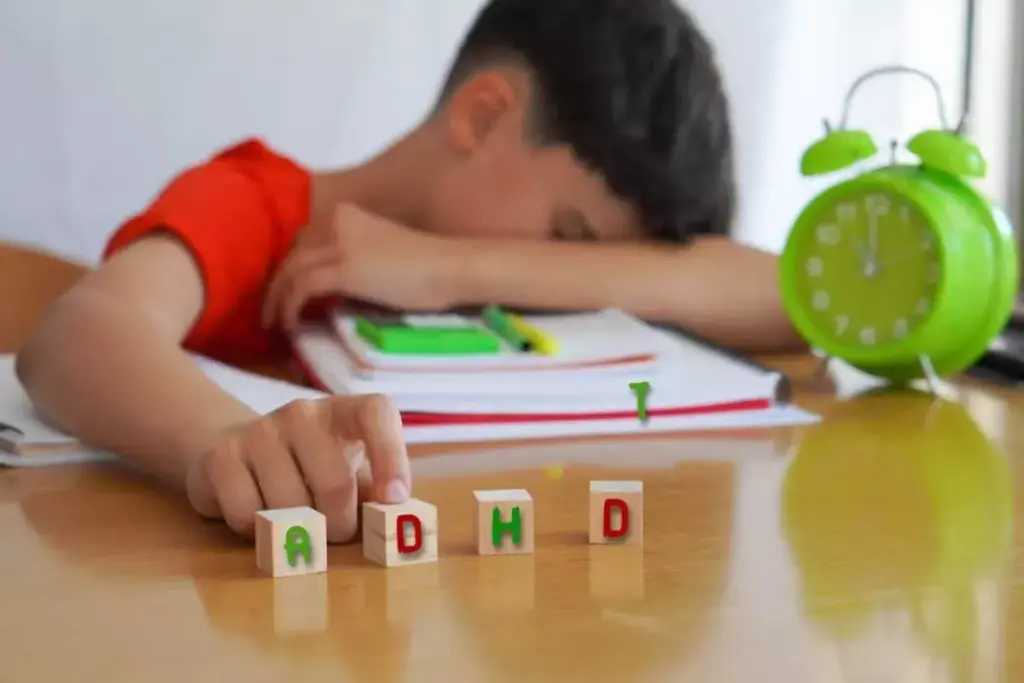
For years, ADD and ADHD were used to describe the same condition. The main difference is in how we call it today. This change comes from updates in how doctors diagnose it.
Historical Context of Both Terms
The term Attention Deficit Disorder (ADD) was first used in 1980. It focused on symptoms of not paying attention. In 1987, the term changed to Attention Deficit Hyperactivity Disorder (ADHD). This change added symptoms of hyperactivity and impulsivity to the mix.
This shift from ADD to ADHD wasn’t a change in the condition itself. It was a better understanding of how to classify it. This shows how our knowledge of the disorder has grown.
Same Condition, Different Names
At the end of the day, ADD and ADHD are the same condition. The name change came from a deeper understanding of its symptoms. Now, what was once called ADD is seen as a type of ADHD, known as the Predominantly Inattentive Type.
Common Misconceptions Clarified
Many people think ADD and ADHD are two different conditions. But, they are actually different ways the same disorder can show up. Below is a table that shows how these terms have been used over time.
| Term | Historical Use | Current Understanding |
| ADD | Refers to symptoms mainly of not paying attention | Now classified as Predominantly Inattentive Type ADHD |
| ADHD | Introduced to include symptoms of hyperactivity and impulsivity | Encompasses three presentations: Inattentive, Hyperactive-Impulsive, and Combined Type |
Knowing the history and current classification helps clear up the confusion around ADD and ADHD.
The Three Presentations of ADHD and Their Symptoms
It’s key to know the three types of ADHD for the right diagnosis and treatment. ADHD shows up differently in everyone.
Predominantly Inattentive Type (Formerly ADD)
The Predominantly Inattentive Type, once called Attention Deficit Disorder (ADD), shows signs of not paying attention. People with this type might find it hard to focus, follow instructions, or finish tasks. They might seem forgetful or easily get distracted.
Symptoms of the Predominantly Inattentive Type include:
- Failing to give close attention to details or making careless mistakes
- Difficulty sustaining attention in tasks or play activities
- Not seeming to listen when spoken to directly
- Failing to follow through on instructions and failing to finish schoolwork or chores
Predominantly Hyperactive-Impulsive Type
This type is all about being too active and impulsive. People might fidget, have trouble sitting, or feel restless. They might interrupt others, blurt out answers, or have trouble waiting their turn.
Symptoms of the Predominantly Hyperactive-Impulsive Type include:
- Fidgeting or tapping with hands or feet
- Leaving one’s seat in situations where staying seated is expected
- Feeling restless or having difficulty engaging in activities quietly
- Interrupting or intruding on others
Combined Type
The Combined Type is the most common. It has symptoms of both inattention and hyperactivity-impulsivity. People with this type can show a wide range of symptoms, making diagnosis and treatment planning very important.
To show the differences, let’s compare:
| Presentation | Primary Symptoms | Common Behaviors |
| Predominantly Inattentive Type | Inattention | Disorganization, forgetfulness, lack of focus |
| Predominantly Hyperactive-Impulsive Type | Hyperactivity and impulsivity | Fidgeting, interrupting, restlessness |
| Combined Type | Both inattention and hyperactivity-impulsivity | Varied symptoms, including disorganization and impulsivity |
Knowing these types is key for effective treatment plans. By understanding each type’s symptoms, healthcare providers can offer better support.
Conclusion
It’s important to know the difference between ADD and ADHD for the right diagnosis and treatment. The terms are often mixed up, but there’s a clear difference. ADD, or Attention Deficit Disorder, was replaced by ADHD, or Attention Deficit Hyperactivity Disorder, in 1987.
ADHD has three types: inattentive, hyperactive-impulsive, and combined. Knowing the signs of ADD in kids is key for early help. These signs include trouble focusing and acting impulsively. ADD can really affect daily life, impacting school, work, and relationships.
Understanding that ADHD is the new term for what was once called ADD helps us support kids better. There are many ways to treat ADHD, like medicines, therapy, and making lifestyle changes. With the right treatment, people can do well and live happy lives.
FAQ:
Are ADD and ADHD the same thing?
Yes, ADD and ADHD are the same neurodevelopmental disorder. The main difference is in the terms used over time. ADHD is now the accepted term.
What does ADD stand for, and how is it related to ADHD?
ADD stands for Attention Deficit Disorder. It was used for those with attention issues without hyperactivity. Now, it’s called ADHD, focusing on the Predominantly Inattentive Type.
What are the symptoms of ADD or ADHD?
ADHD symptoms vary. They can include trouble focusing, being too active, and acting impulsively. The Predominantly Inattentive Type, or ADD, shows as disorganization and lack of focus.
What are the three presentations of ADHD?
ADHD has three types: Predominantly Inattentive, Predominantly Hyperactive-Impulsive, and Combined. Each type has its own set of symptoms.
How is ADHD diagnosed, and what role does the DSM-5 play in this process?
ADHD diagnosis follows the DSM-5 criteria. Doctors check symptoms and their daily life impact to find out if someone has ADHD.
What is the difference between ADHD and ADD in terms of symptoms?
ADD was once called the Predominantly Inattentive Type of ADHD. It mainly deals with attention problems, not hyperactivity or impulsivity.
Can adults have ADHD, and what are the manifestations of ADD in adults?
Yes, adults can have ADHD. Symptoms in adults include trouble organizing, managing time, and staying focused.
How has the understanding and diagnosis of ADHD evolved over time?
Our understanding and diagnosis of ADHD have grown a lot. Changes in criteria and terms show a deeper understanding of the disorder.
What are some common misconceptions about ADHD and ADD?
Many think ADHD only affects kids or is caused by bad parenting. But, it’s not true. Learning more can help clear up these myths.
References:
National Center for Biotechnology Information. Evidence-Based Medical Guidance. Retrieved from https://www.ncbi.nlm.nih.gov/pmc/articles/PMC3955126/