
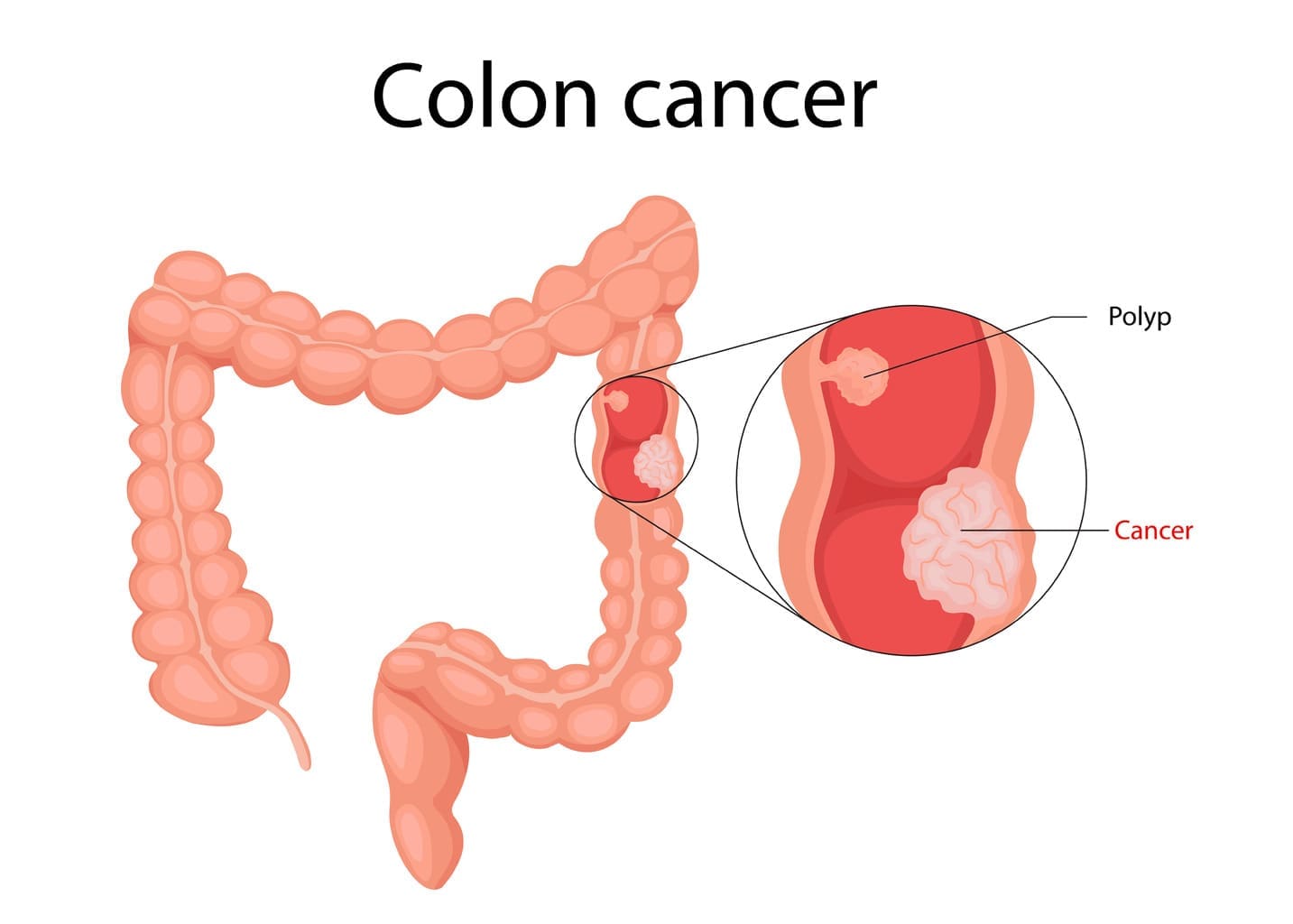
Colon cancer and prostate cancer are two different cancers. It’s important to know the differences to catch them early and treat them well. Colon cancer happens in the large intestine. Prostate cancer starts in the prostate gland.
At Liv Hospital, we know how to tell these cancers apart. Our team gives accurate diagnoses and caring support. We aim for the best treatment results for patients from around the world.
Key Takeaways
- Colon cancer and prostate cancer are distinct diseases with different origins.
- Understanding the differences is key for good diagnosis and treatment.
- Liv Hospital offers top care for international patients.
- Early detection is vital for better treatment results.
- Different cancers need different treatment plans.
Understanding Colon and Prostate Cancers: An Overview
Colon and prostate cancers are common in men around the world. They have different risks and effects. Knowing about these cancers is key to understanding their impact on health.
Definition and Basic Anatomy
Colon cancer starts in the large intestine (colon). It often begins as a harmless polyp that can turn cancerous if not treated. The colon helps absorb water and salts from food.
Prostate cancer happens in the prostate gland, a gland below the bladder in men. It surrounds the urethra and is important for making seminal fluid. Prostate cancer can grow slowly or quickly, sometimes spreading to other parts of the body.
Prevalence and Impact on Public Health
Prostate cancer is the second most common cancer in men in the US, with about 288,300 new cases each year. Colon cancer also affects many, with a large number of new cases every year.
| Cancer Type | Estimated New Cases (US) | Relative 5-Year Survival Rate |
|---|---|---|
| Prostate Cancer | 288,300 | 99% |
| Colon Cancer | 104,270 (colorectal) | 65% |
These numbers show why it’s vital to know about colon and prostate cancers. Awareness and early treatment are key. This knowledge helps shape health policies and personal choices.
Is Colon Cancer the Same as Prostate Cancer?
It’s important to know the differences between colon and prostate cancer. Both are serious health issues for men, but they affect different parts of the body. They also have unique characteristics.
Anatomical Differences
Colon cancer starts in the colon or rectum, which are parts of the large intestine. These areas help absorb water and salts from waste. Prostate cancer, on the other hand, happens in the prostate gland, a small gland near the bladder. It produces seminal fluid to nourish sperm.
The location of each cancer type leads to different symptoms. Colon cancer might cause changes in bowel habits or rectal bleeding. Prostate cancer often leads to urinary problems like weak urine flow or frequent need to urinate.
Cellular and Pathological Distinctions
Colon cancer usually starts as a polyp in the colon or rectum. Over time, it can become malignant. The most common type of colon cancer is adenocarcinoma, making up about 95% of cases.
Prostate cancer starts in the glandular cells of the prostate gland. Most prostate cancers are also adenocarcinomas. But, prostate cancer behaves differently from colon cancer.
| Cancer Type | Common Origin | Typical Symptoms |
|---|---|---|
| Colon Cancer | Polyps in colon/rectum | Changes in bowel habits, rectal bleeding |
| Prostate Cancer | Glandular cells of prostate | Urinary difficulties, weak urine flow |
These differences highlight the need for specific treatments for each cancer. Healthcare providers must understand these differences to offer the best care.
Epidemiology and Risk Factors
It’s important to know about colon and prostate cancers to fight them better. We look at how common they are, who gets them, and what increases the risk. This helps us find ways to stop them early.
Colon Cancer Statistics and Demographics
Colon cancer is a big problem worldwide, with rates changing by place and person. Age is a big risk factor. Most cases happen to people over 50.
The American Cancer Society says the chance of getting colon cancer is 1 in 23 for men and 1 in 25 for women. African Americans get colon cancer more often than others.
Prostate Cancer Statistics and Demographics
Prostate cancer is a big deal for men, with rates varying a lot. Age, family history, and race are key. Men over 65 and African American men are at higher risk.
The National Cancer Institute says prostate cancer rates are going up in men 65-74. Genes like BRCA1 and BRCA2 also play a big part.
Shared and Unique Risk Factors
Colon and prostate cancers share some risks like age and family history. But they also have their own special risks. Diet and exercise are big for colon cancer, but genes and hormones matter more for prostate.
| Risk Factor | Colon Cancer | Prostate Cancer |
|---|---|---|
| Age | High risk over 50 | High risk over 65 |
| Family History | Increased risk with family history | Increased risk with family history |
| Diet | High risk with low fiber, high red meat | Limited evidence, possible link with dairy |
| Genetic Factors | Mutations in APC, BRCA2 | Mutations in BRCA1, BRCA2, HOXB13 |
Knowing these risks helps us make better plans to prevent and screen for these cancers. This way, doctors can give advice that fits each person’s risk.
Symptoms and Clinical Presentation

It’s important to know the symptoms of colon and prostate cancers early. This can lead to better treatment and outcomes. We’ll cover the common signs to help you know when to see a doctor.
Common Symptoms of Colon Cancer
Colon cancer often shows up with symptoms in the gut. Look out for:
- Changes in bowel habits, such as diarrhea or constipation
- Rectal bleeding or blood in the stool
- Abdominal pain or cramping
- Weakness or fatigue
- Unexplained weight loss
These signs can be mild and slow to appear. So, watch for any bowel changes or blood in your stool.
Common Symptoms of Prostate Cancer
Prostate cancer often causes problems with urination. Watch for:
- Difficulty urinating or weak urine flow
- Frequent urination, even at night
- Pain or burning while urinating
- Erectile dysfunction
- Blood in the urine or semen
These symptoms can really affect your life. So, don’t hesitate to get checked by a doctor.
When to Seek Medical Attention
If you have ongoing or severe symptoms, see a doctor right away. Early diagnosis is key to better treatment.
| Symptom | Colon Cancer | Prostate Cancer |
|---|---|---|
| Changes in Bowel Habits | Common | Rare |
| Rectal Bleeding | Common | Rare |
| Urinary Difficulties | Rare | Common |
| Erectile Dysfunction | Rare | Common |
Knowing the symptoms of colon and prostate cancers can help you get medical help early. This can greatly improve your treatment and recovery chances.
Diagnostic Approaches and Screening Methods
It’s key to know how to find colon and prostate cancers early. We’ll look at the ways to screen for these cancers. We’ll see why they’re important and how they differ.
Colon Cancer Screening and Diagnosis
Doctors use colonoscopies to check for colon cancer. This is when a doctor looks at the colon for polyps or cancer. Fecal occult blood tests (FOBT) and stool DNA tests are also used. They help find problems that might need more checking.
Colonoscopies have big benefits:
- They let doctors see the colon directly
- Doctors can take out polyps during the test
- They are very good at finding cancer
Prostate Cancer Screening and Diagnosis
The prostate-specific antigen (PSA) test is a blood test for prostate cancer. It checks the PSA level in the blood. A digital rectal examination (DRE) is also done to feel the prostate gland.
The PSA test is important because it:
- Helps find prostate cancer early
- Can spot cancer before symptoms show
- Helps decide if more tests are needed
Comparative Analysis of Diagnostic Approaches
Colon and prostate cancer screenings are different. Colonoscopies let doctors see and treat problems right away. PSA tests, on the other hand, check for cancer indirectly and might need more tests.
“Early detection is key for managing colon and prostate cancers. Knowing about screening methods can really help treatment outcomes.”
It’s vital to follow screening guidelines. This helps find and treat these cancers early.
Treatment Options and Approaches

Colon and prostate cancer treatments vary. They use different methods to meet patient needs. The choice depends on the cancer stage, health, and what the patient wants.
Colon Cancer Treatment Modalities
Colon cancer treatment often combines surgery, chemotherapy, and radiation. Surgery is key for early-stage cancer. It aims to remove the tumor and part of the colon.
Chemotherapy may be used before or after surgery. Targeted therapy and immunotherapy are new and promising treatments.
Prostate Cancer Treatment Modalities
Prostate cancer treatment options vary. For low-risk patients, active surveillance is used. For more advanced cases, surgery, radiation, and hormone therapy are options. Surgery, like robotic-assisted prostatectomy, removes the prostate gland and surrounding tissues.
Radiation therapy, including external beam radiation therapy and brachytherapy, is effective for localized cancer. Hormone therapy lowers testosterone levels to slow cancer growth.
Advanced Treatments and Clinical Trials
Clinical trials offer new treatments for colon and prostate cancers. These include new chemotherapy, targeted therapies, and immunotherapies.
| Treatment Modality | Colon Cancer | Prostate Cancer |
|---|---|---|
| Surgery | Primary treatment for early-stage colon cancer | Robotic-assisted prostatectomy for localized cancer |
| Chemotherapy | Used before or after surgery | Less common, used for advanced cases |
| Radiation Therapy | Used in combination with chemotherapy | External beam radiation therapy and brachytherapy |
Personalized Treatment Considerations
Personalized treatment plans are key for both colon and prostate cancers. They consider the cancer stage, patient health, and preferences. This tailors the treatment approach.
We work with patients to understand their needs. We develop a treatment plan that fits their situation.
Prevention and Risk Reduction Strategies
Colon and prostate cancers can be prevented or their risks significantly reduced. This is through healthy lifestyle choices and timely medical interventions. We will explore the various strategies that can help in preventing these cancers.
Diet and Physical Activity
Eating a diet rich in fruits, vegetables, and whole grains can lower colon cancer risk. Increasing fiber intake and reducing red and processed meat consumption are recommended. Regular physical activity also plays a key role in colon cancer prevention.
- Incorporate at least 30 minutes of moderate-intensity exercise into your daily routine.
- Maintain a healthy weight to reduce the risk of colon cancer.
- Avoid smoking and limit alcohol consumption.
Nutritional and Lifestyle Considerations
The exact causes of prostate cancer are not fully understood. Yet, certain lifestyle and dietary factors may influence the risk. A diet rich in antioxidants and low in saturated fats may be beneficial. Maintaining a healthy weight and being physically active can also reduce the risk.
- Consume a diet rich in fruits, vegetables, and omega-3 fatty acids.
- Limit intake of high-fat dairy products and processed meats.
Guidelines for Colon and Prostate Cancer Screening
Screening is a critical component of cancer prevention. Regular screenings can help detect cancers at an early stage when they are more treatable. The recommended age to start screening varies based on individual risk factors and family history.
| Cancer Type | Average Risk Screening Age | High Risk Screening Age |
|---|---|---|
| Colon Cancer | 45 years | 40 years or earlier based on family history |
| Prostate Cancer | 50 years | 45 years for African Americans and those with a family history |
By adopting healthy lifestyle choices and following recommended screening guidelines, individuals can significantly reduce their risk of developing colon and prostate cancers. We emphasize the importance of personalized advice from healthcare providers based on individual risk factors.
Living with Cancer: Quality of Life and Support

Managing cancer treatment side effects and getting emotional support are key to a better life for cancer patients. Living with colon or prostate cancer brings unique challenges. These affect a patient’s physical health and emotional well-being.
Managing Side Effects of Treatment
It’s vital to manage cancer treatment side effects to keep quality of life high. Treatments like surgery, chemotherapy, and radiation can cause big side effects. For example, chemotherapy for colon cancer can lead to fatigue, nausea, and hair loss.
Patients should work with their doctors to manage these side effects. This might include medicines, diet changes, and therapies like acupuncture or mindfulness.
| Side Effect | Colon Cancer Treatment | Prostate Cancer Treatment |
|---|---|---|
| Fatigue | Common in chemotherapy and radiation therapy | Common in radiation therapy and hormone therapy |
| Nausea and Vomiting | Common in chemotherapy | Less common, but can occur with hormone therapy |
| Urinary Issues | Less common, but can occur with radiation therapy | Common in surgery and radiation therapy |
Psychological and Emotional Support
The emotional impact of cancer is huge. Patients often feel anxious, depressed, and worried about the future. It’s important to offer them psychological support, like counseling and support groups.
“The emotional journey of cancer patients is as critical as their physical treatment. Support groups and counseling services play a vital role in helping patients cope with their diagnosis and treatment.”
Support groups, online or in-person, provide a community for sharing experiences. They help patients feel they’re not alone. Professional counseling helps patients and their families deal with the emotional challenges of cancer.
Support Resources and Organizations
Many resources are available for colon and prostate cancer patients. Organizations like the American Cancer Society and the Prostate Cancer Foundation offer lots of information and support. We encourage patients and their families to explore these resources for the support they need.
Key Support Resources:
- American Cancer Society: Offers support groups, counseling, and educational materials.
- Prostate Cancer Foundation: Provides information on prostate cancer treatment and support services.
- CancerCare: Offers free support services, including counseling and financial assistance.
By using these resources and talking openly with healthcare providers, patients with colon and prostate cancer can improve their quality of life. They can better navigate their cancer journey.
Conclusion
Colon cancer and prostate cancer are two different cancers. They have different places in the body, risk factors, and symptoms. The question “is colon cancer the same as prostate cancer?” is often asked. But, the answer is no, they are not the same.
Knowing the difference between colon and prostate cancer is key for the right treatment. At Liv Hospital, we stress the importance of early detection and proper care. This helps patients understand their cancer better and make informed choices.
Each cancer type needs its own approach to treatment. We focus on personalized care at Liv Hospital. This ensures our patients get the best treatment for their specific needs.
FAQ
What is the main difference between colon cancer and prostate cancer?
Colon cancer starts in the colon, a part of the large intestine. Prostate cancer begins in the prostate gland, a male reproductive organ. This difference affects symptoms, diagnosis, and treatment.
Are colon cancer and prostate cancer the same?
No, they are not the same. Colon cancer and prostate cancer affect different parts of the body. They have different cellular and pathological characteristics.
What are the common symptoms of colon cancer?
Symptoms of colon cancer include changes in bowel habits and rectal bleeding. You might also experience abdominal pain and unexplained weight loss.
What are the typical symptoms of prostate cancer?
Symptoms of prostate cancer include urinary difficulties and pain during urination. You might also experience erectile dysfunction and pain in the lower back or hips.
How are colon and prostate cancers diagnosed?
Colon cancer is diagnosed through colonoscopies. Prostate cancer is screened for using PSA tests. Accurate diagnosis is key for effective treatment.
What are the treatment options for colon cancer?
Treatment for colon cancer may include surgery, chemotherapy, and radiation therapy. The choice depends on the stage and patient health.
What are the treatment options for prostate cancer?
Treatment options for prostate cancer include surgery, radiation therapy, active surveillance, and hormone therapy. The choice depends on cancer stage and patient preferences.
Can lifestyle changes help prevent colon and prostate cancers?
Yes, making lifestyle changes can help. Dietary changes, increased physical activity, and avoiding smoking can reduce cancer risk.
How can patients manage the side effects of cancer treatment?
Managing side effects involves medical interventions, lifestyle adjustments, and psychological support. Support resources and organizations can provide tools and guidance.
What support is available for patients living with colon or prostate cancer?
Patients and their families can find psychological and emotional support. Organizations, support groups, and healthcare services offer help in navigating their cancer journey.
Are there any emerging treatments for colon and prostate cancers?
Yes, there are ongoing clinical trials and emerging treatments. These offer new hope for patients. Personalized treatment plans can include these advanced options.
How does Liv Hospital support international patients with colon or prostate cancer?
Liv Hospital provides world-class healthcare for international patients. This includes those with colon or prostate cancer. They ensure patients receive complete care and necessary resources.
FAQ
What is the main difference between colon cancer and prostate cancer?
Colon cancer starts in the colon, a part of the large intestine. Prostate cancer begins in the prostate gland, a male reproductive organ. This difference affects symptoms, diagnosis, and treatment.
Are colon cancer and prostate cancer the same?
No, they are not the same. Colon cancer and prostate cancer affect different parts of the body. They have different cellular and pathological characteristics.
What are the common symptoms of colon cancer?
Symptoms of colon cancer include changes in bowel habits and rectal bleeding. You might also experience abdominal pain and unexplained weight loss.
What are the typical symptoms of prostate cancer?
Symptoms of prostate cancer include urinary difficulties and pain during urination. You might also experience erectile dysfunction and pain in the lower back or hips.
How are colon and prostate cancers diagnosed?
Colon cancer is diagnosed through colonoscopies. Prostate cancer is screened for using PSA tests. Accurate diagnosis is key for effective treatment.
What are the treatment options for colon cancer?
Treatment for colon cancer may include surgery, chemotherapy, and radiation therapy. The choice depends on the stage and patient health.
What are the treatment options for prostate cancer?
Treatment options for prostate cancer include surgery, radiation therapy, active surveillance, and hormone therapy. The choice depends on cancer stage and patient preferences.
Can lifestyle changes help prevent colon and prostate cancers?
Yes, making lifestyle changes can help. Dietary changes, increased physical activity, and avoiding smoking can reduce cancer risk.
How can patients manage the side effects of cancer treatment?
Managing side effects involves medical interventions, lifestyle adjustments, and psychological support. Support resources and organizations can provide tools and guidance.
What support is available for patients living with colon or prostate cancer?
Patients and their families can find psychological and emotional support. Organizations, support groups, and healthcare services offer help in navigating their cancer journey.
Are there any emerging treatments for colon and prostate cancers?
Yes, there are ongoing clinical trials and emerging treatments. These offer new hope for patients. Personalized treatment plans can include these advanced options.
How does Liv Hospital support international patients with colon or prostate cancer?
Liv Hospital provides world-class healthcare for international patients. This includes those with colon or prostate cancer. They ensure patients receive complete care and necessary resources.
References
Healthline. Prostate vs. Colon Cancer: Symptoms, Screening, and Stats. https://www.healthline.com/health/prostate-cancer/prostate-vs-colon-cancer
PMC (PubMed Central). Prostate cancer incorrectly diagnosed as a rectal tumor: A case report. https://pmc.ncbi.nlm.nih.gov/articles/PMC4473363/
Mass General Brigham. What’s the Difference Between a Prostate Exam and a Colonoscopy? https://www.massgeneralbrigham.org/en/about/newsroom/articles/prostate-exam-vs-colonoscopy
JAMA Network Open. Effectiveness of Colonoscopy Screening vs Sigmoidoscopy Screening in Colorectal Cancer. https://jamanetwork.com/journals/jama/fullarticle/196199