
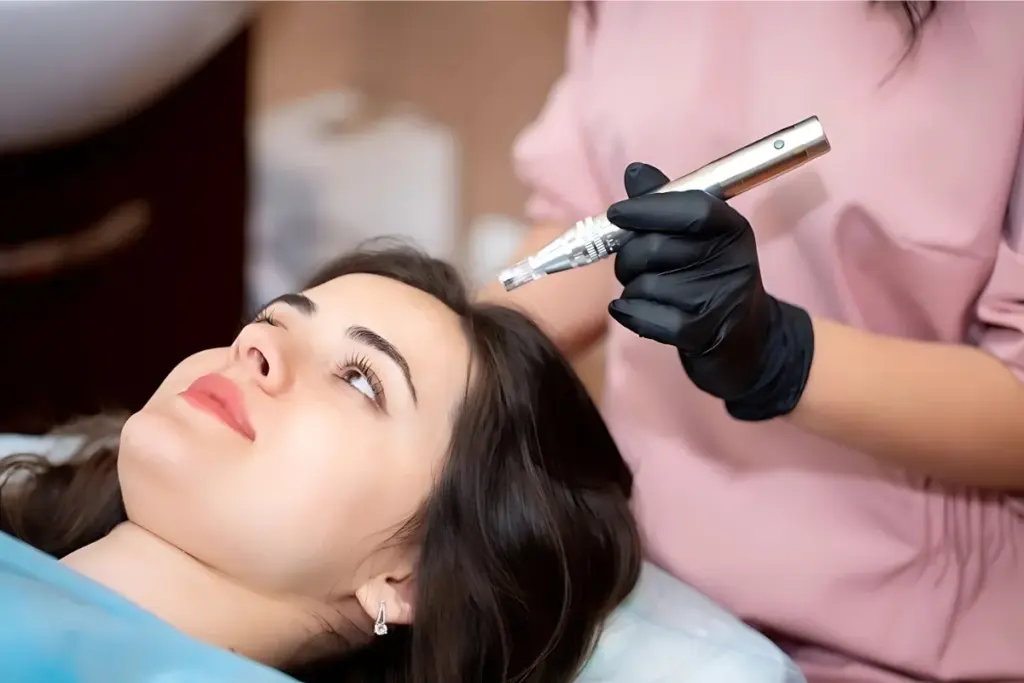
Dealing with hair loss or scalp issues can be really tough. But, seeing a trichologist can help a lot. At our place, we focus on finding the real reasons behind hair loss and making a plan just for you. Studies show that up to 50% of women and many men worldwide face hair loss. This makes trichology consultations more important than ever.
What is the first step in the 10-step consultation method? Get the brilliant answer and find amazing ways to prepare for your hair appointment.
At your first women’s hair loss consultation, our trichologists will use special tools to check your scalp and hair. They’ll also look at your health history and how you live to find out what might be causing your hair loss. This way, they get a clear picture of what’s going on with your hair.
Key Takeaways
- A thorough scalp and hair check is done at the first visit.
- The first meeting can take up to an hour and includes making a patient chart.
- Tools like trichoscopy are used to see how healthy your hair and scalp are.
- Your medical history and lifestyle are looked at to find hair loss causes.
- Based on what they find, a treatment plan is made just for you.
The Growing Concern of Hair Loss in America

Hair loss in the United States is a big worry for millions. It can happen for many reasons like genetics, hormonal changes, and some health issues. As more people face hair loss, getting professional advice is key.
Current Statistics on Hair Loss
Hair loss is common worldwide, hitting up to 50% of women and many men. In the U.S., millions struggle with it. It’s a major health issue that needs attention and care.
- By 50, about 50% of women face hair loss.
- Men and women of all ages get hair loss, but it’s more common with age.
- Genetics are a big factor, with some conditions causing more hair loss.
Why Professional Trichology Consultations Matter
Getting a hair thinning consultation or consultation for hair loss is vital. At Liv Hospital, our trichologists use the latest tools to check your scalp and hair. They offer care that fits your unique needs.
Professional trichology consultations are important because they:
- Help understand why you’re losing hair.
- Offer treatment plans made just for you.
- Use advanced tools and tech.
By getting professional help, you can start to tackle your hair loss. This is the first step to healthier hair.
Understanding Trichology as a Specialized Field
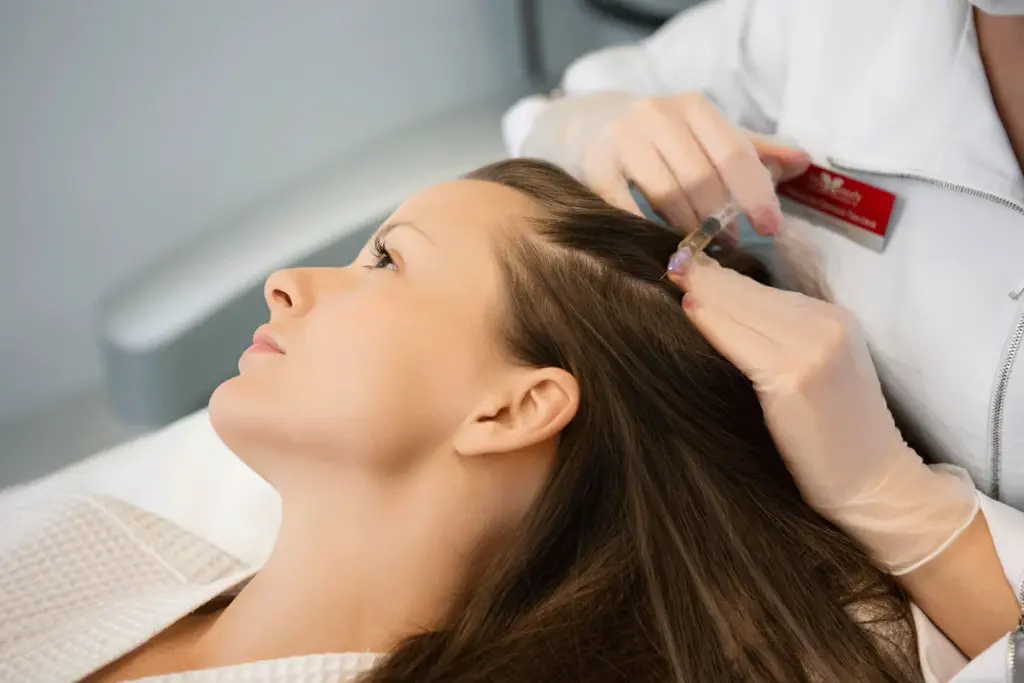
As worries about hair loss rise, trichology’s role as a unique medical field shines brighter. Trichology deals with scalp and hair health, aiming to solve hair and scalp problems. It offers a detailed way to diagnose and treat these issues.
The Role of a Trichologist
A trichologist is a pro who studies, diagnoses, and treats hair and scalp problems. At Liv Hospital, our trichologists are experts in women’s hair loss consultation and hair consultation for hair loss. They use the latest tools to check scalp and hair health, making plans just for you.
Difference Between Trichologists and Dermatologists
Dermatologists and trichologists both tackle scalp and hair issues, but they differ. Dermatologists are doctors who handle skin, hair, and nail problems. Trichologists, though, concentrate on scalp and hair health. They team up with dermatologists and others for full patient care.
Credentials to Look For
When looking for a trichologist, check their credentials. A good trichologist has special training and is certified by a trusted group. At Liv Hospital, our trichologists are well-trained and ready to help. Always check a trichologist’s credentials for top-notch hair and scalp care.
The 10-Step Consultation Method: An Overview
At Liv Hospital, we’ve created a 10-step process to tackle hair loss. This method is the result of our team’s hard work. We aim to understand and fix the complex issues of hair loss.
Origins and Development of the Method
Our 10-step method was made by trichologists, dermatologists, and healthcare experts working together. We needed a better way to diagnose and treat hair loss. So, this method was born.
“Understanding the causes of hair loss is key to effective treatment,” says a leading trichologist. “Our 10-step method makes sure we check everything in our evaluation and treatment.”
Scientific Basis for the Structured Approach
Hair loss is complex, caused by genetics, hormones, nutrition, and stress. Our 10-step method ensures we cover all possible causes. This way, we can create a treatment plan that fits each patient’s needs.
- Comprehensive patient history
- Scalp and hair analysis
- Lifestyle and nutritional assessment
- Advanced diagnostic testing
This structured approach helps us make a treatment plan that meets each patient’s unique needs. It’s all about helping those who need a hair thinning consultation or consultation for hair loss.
How Each Step Builds Upon the Previous
Each step in our 10-step method builds on the last one. This gives us a full picture of the patient’s condition. We can then find the root cause of hair loss and create a good treatment plan.
The first step helps us understand the patient’s medical history. This info guides the next steps, like scalp and hair analysis. This way, we’re thorough and accurate in our diagnosis and treatment.
Step 1: Initial Assessment and Patient History – The Foundation
Understanding hair loss starts with a detailed initial assessment and patient history. This is the first step in our 10-step consultation method at Liv Hospital. It ensures our trichologists fully understand each patient’s situation.
Why the First Step Is Critical
The initial assessment is key because it helps us find the root causes of hair loss. We look for genetic factors, hormonal imbalances, or lifestyle issues. This step is vital for creating a treatment plan that meets each patient’s needs during a women’s hair loss consultation or consultation for hair loss.
Creating Your Complete Patient Chart
We collect detailed information during the initial assessment. This includes the patient’s medical history, past hair loss treatments, current health, and family history. This info helps us create a detailed patient chart. It guides our trichologists in making an effective treatment plan.
Information Gathering Techniques
Our trichologists use advanced tools and techniques to gather information. They examine the scalp and hair closely. They also ask about lifestyle, diet, and stress levels. By combining this with the patient’s medical history, we understand the causes of hair loss. Then, we can create a targeted treatment plan.
What Should I Expect at My First Trichologist Appointment?
Knowing what to expect at your first trichologist appointment can make you feel less anxious. At Liv Hospital, we aim to make your first visit both informative and comfortable.
Typical Appointment Duration
Your first consultation might last up to an hour. This time lets us thoroughly check your hair and scalp. We use this chance to create a treatment plan just for you.
The Consultation Environment
The place where you meet our trichologists is both professional and welcoming. We know talking about hair loss can be tough. So, we make sure you’re in a private and respectful space. Our team listens carefully to your worries and explains everything clearly.
Professional Standards and Ethics
At Liv Hospital, we follow the highest standards in trichology. Our trichologists are well-trained and keep up with new research.
Here’s what you can expect from our service:
- A detailed check of your scalp and hair.
- Talking about your health history and how it might affect your hair.
- A treatment plan that could include medical treatments, lifestyle changes, and follow-ups.
Choosing Liv Hospital for your hair consultation for hair loss or hair thinning consultation is a big step. It’s a move towards solving your hair problems with expert care.
Preparing for Your Trichology Consultation
<SEP-13086_image_4>
To get the most out of your trichology consultation, it’s key to prepare well beforehand. At our institution, we aim to make your consultation for hair loss as effective as it can be. We want to give you care that fits your specific needs perfectly.
Pre-Appointment Hair Care Guidelines
We tell patients to skip washing or styling their hair on the day of the appointment. This lets us see your hair in its natural state. It helps us understand your hair’s texture, density, and any hair loss issues.
Trichology experts say, “The state of your hair and scalp on the day of the consultation is key to a correct diagnosis.” So, coming with unwashed hair helps us make a more accurate assessment.
Medical Records to Bring
It’s a good idea to bring any medical records that might be relevant. Include any past hair loss diagnoses, medical conditions that could cause hair loss, and treatments you’ve tried. This info helps us understand your situation fully, which is important for women’s hair loss consultations.
- Previous hair loss treatments
- Medical conditions (e.g., thyroid disorders, autoimmune diseases)
- Current medications
- Family history of hair loss
Questions to Prepare
Having a list of questions can help you cover all your concerns during the consultation. Think about asking about hair loss causes, treatment options, and lifestyle changes for better hair health.
An informed patient is a powerful patient. By being prepared, you can make the most of your consultation. This is the first step towards solving your hair loss problems.
Comprehensive Hair Evaluation Techniques
<SEP-13086_image_5>
At Liv Hospital, our trichologists use a detailed approach to check hair health. This thorough check is key to finding the cause of hair loss. It helps us create a treatment plan that works.
Visual Assessment Methods
The first step is a careful look at the hair and scalp. Our trichologists examine the scalp and hair under different lights. They look for signs of hair loss or scalp problems.
They check for patterns of hair loss, like thinning at the crown. They also look at the hair’s health, including shine and brittleness. Split ends are another thing they check.
Texture and Density Analysis
Next, we analyze the hair’s texture and density. We look at the hair’s thickness and growth pattern. We also check how tightly the hair is packed on the scalp.
Our trichologists use special tools to measure density and texture. This helps us choose the right treatment for each person’s hair.
|
Hair Texture |
Characteristics |
Common Issues |
|---|---|---|
|
Fine |
Delicate, soft, less dense |
Prone to breakage, lacks volume |
|
Medium |
Balanced texture, moderate density |
Can be prone to dryness or oiliness |
|
Coarse |
Thick, robust, dense |
May be prone to dryness, harder to style |
Growth Pattern Evaluation
Checking the hair’s growth pattern is also important. We look at how the hair grows, including its direction and speed. We also check for any growth pattern issues.
“Understanding the growth pattern is essential for diagnosing the underlying cause of hair loss and for planning an effective treatment strategy.” -Trichologist
By combining the findings from these steps, we can give a full diagnosis. Then, we create a treatment plan that’s just right for each patient.
Scalp Health Assessment Procedures
At Liv Hospital, our trichologists do a detailed scalp check to find out why you might be losing hair. This careful look is key to figuring out the real reasons behind hair loss. It helps us create a treatment plan that works well.
Identifying Common Scalp Conditions
We search for common scalp problems like dandruff, psoriasis, and fungal infections. These can really hurt your hair health and cause hair loss. Finding these issues early lets us treat both the scalp problem and the hair loss.
Sebum Production Analysis
Sebum is important for scalp health. Too much or too little can cause scalp problems like irritation and flaking. Our trichologists check sebum levels to see how it affects your scalp and hair. This helps us make treatments that fit your needs.
Inflammation and Irritation Detection
Inflammation and irritation show that your scalp is upset. We look for signs like redness, itching, and irritation. Finding these signs helps us treat your scalp to make it healthier for hair growth.
Our detailed scalp health assessment helps us understand hair loss better. This way, we can make treatment plans that really work. It’s all about giving you the best care for consultation for hair loss or women’s hair loss consultation.
Advanced Diagnostic Tools in Modern Trichology
Modern trichology uses advanced tools to check hair loss. At Liv Hospital, we use the latest tech for detailed checks. This helps us help patients with hair consultation for hair loss or hair thinning consultation.
Trichoscopy: Microscopic Scalp Analysis
Trichoscopy is a way to look at the scalp without cutting it. It lets us see small details that help find scalp problems. This helps us understand scalp and hair health better, leading to better treatments.
Digital Imaging Technologies
Digital imaging is key in trichology today. It takes clear pictures of the scalp and hair. These pictures help us see hair density, growth, and health issues. This info is key for finding hair loss causes and checking treatment success.
Hair Density Measurement Systems
Measuring hair density is important for diagnosing and treating hair loss. It shows how thin the hair is and if it’s changing. This info helps us create treatment plans that work for each person.
With these tools, we can give patients a precise diagnosis and a treatment plan that fits them. If you need a hair consultation for hair loss or a hair thinning consultation, Liv Hospital is here to help.
Medical History Review in Hair Loss Diagnosis
Diagnosing hair loss is more than just looking at the hair. At Liv Hospital, we focus on the patient’s medical history too. This is why a consultation for hair loss includes a detailed review of your medical history.
Looking at a patient’s medical history helps us find the reasons behind hair loss. We check many factors that might be causing it.
Relevant Health Conditions
Some health issues can really affect your hair. We check for things like thyroid problems, autoimmune diseases, and skin conditions. For example, alopecia areata can lead to a lot of hair loss. Knowing your medical history helps us choose the right treatment for you.
Medication Effects on Hair
Many medicines can cause hair loss as a side effect. We look at the medicines you’re taking now or have taken before. This includes drugs for long-term conditions, hormone treatments, and other medicines that might harm your hair.
“A detailed medical history is key to understanding how health issues, medicines, and hair loss are connected.”
Hereditary Factors Assessment
Genetics also play a big part in hair loss, like in androgenetic alopecia. We look at your family history to see if you might be more likely to lose hair. This helps us create a treatment plan that fits you perfectly.
By using what we learn from your medical history and other tests, we offer a full women’s hair loss consultation. This approach tackles the main reasons for hair loss.
Lifestyle and Nutritional Assessment
We look at how lifestyle and nutrition affect hair health to give personalized care. At Liv Hospital, our trichologists know a full check-up is more than just hair and scalp. It’s about the whole picture.
Diet’s Impact on Hair Health
A balanced diet is key for healthy hair. We check what our patients eat to find any missing nutrients that might cause hair loss. Important nutrients like iron, zinc, and biotin help hair grow. Our experts help with diet changes for better hair health.
“A healthy diet is the base for hair health,” our lead trichologist says. “We teach our patients how to eat right for better hair growth.”
Stress and Hair Loss Correlation
Too much stress can lead to hair loss. We check our patients’ stress levels and offer ways to manage it. Meditation and yoga can help lower stress, which might also lower hair loss.
Sleep, Exercise, and Daily Habits
Good sleep and regular exercise are important for health, including hair health. We look at our patients’ sleep and exercise habits. A balanced routine can help hair grow. Our team gives tips on better sleep and exercise.
Understanding lifestyle and nutrition factors helps us create better treatment plans. Our aim is to tackle hair loss fully, ensuring the best results for those seeking hair consultations.
Laboratory Testing and Additional Diagnostics
At our trichology consultations, we often recommend laboratory tests. These tests help us understand the causes of hair loss. This way, we can create a better treatment plan for our patients.
Common Blood Tests for Hair Loss
We may suggest various blood tests to check for health issues that could be causing hair loss. These tests can show if there are thyroid problems, anemia, or other nutritional deficiencies.
Some common blood tests include:
- Complete Blood Count (CBC) to check for anemia or infection
- Thyroid Function Tests to assess thyroid hormone levels
- Ferritin Test to evaluate iron storage
Hormone Level Evaluation
Hormonal imbalances can affect hair growth. Our trichologists may recommend hormone level evaluations. This is to check for conditions like polycystic ovary syndrome (PCOS) or other hormonal disorders that could be causing hair loss.
Hormone tests can help us understand:
- The balance of estrogen and testosterone
- The presence of hormonal imbalances that may affect hair growth
Nutritional Deficiency Screening
Nutritional deficiencies can also cause hair loss. Our nutritional deficiency screening helps find any diet gaps that may be causing hair loss.
We assess levels of essential nutrients such as:
- Vitamin D
- Biotin
- Iron
- Zinc
By combining laboratory testing results with a thorough medical history and physical examination, we can develop a personalized treatment plan. This plan addresses the underlying causes of hair loss and promotes healthier hair growth.
Liv Hospital’s Approach to Trichology Consultations
At Liv Hospital, we take pride in our detailed trichology consultations. We make sure every patient gets the best care for their hair loss. Our trichologists work with a team to offer a complete care plan.
Multidisciplinary Healthcare Model
Our team works together to tackle hair loss. Trichologists team up with other health experts. This way, patients get care that covers all aspects of their hair loss.
Innovative Diagnostic Approaches
We use the latest tools to check hair loss. Our methods include trichoscopy and digital imaging technologies. These help us give accurate diagnoses and treatment plans.
Ethical Standards in Patient Care
We follow strict ethical standards at Liv Hospital. We value patient privacy, informed consent, and clear communication.
When you visit for a hair consultation for hair loss or a hair thinning consultation, you’ll get a detailed check-up. We aim to help you get healthier hair with our caring and thorough approach.
Conclusion: Taking the First Step Toward Healthier Hair
Getting professional help is the first step to tackle hair loss. At Liv Hospital, our team is ready to help. We offer personalized care through detailed women’s hair loss consultations.
We understand the causes of hair loss and use the latest tools to diagnose. If you’re losing hair or have scalp problems, don’t wait. Schedule a visit with our trichology experts to start your journey to healthier hair.
FAQ
What is the first step in the 10-step consultation method for hair loss?
The first step is a detailed check of your hair and scalp. We use tools like trichoscopy to look at your scalp and hair. We also review your medical history and lifestyle.
What can I expect during my first trichologist appointment?
At your first visit, our trichologists will make you feel comfortable. They will examine your scalp and hair closely. They will also ask about your health and lifestyle to create a treatment plan just for you.
How should I prepare for my trichology consultation?
To get the best results, don’t wash or style your hair before coming. Bring any medical records you have. Also, think of questions to ask during your visit.
What techniques do trichologists use to evaluate hair loss?
Our trichologists use many methods to check hair loss. They look at your hair’s texture and density. They also check how your hair grows. They use tools like trichoscopy and digital imaging to help.
Will I need to undergo laboratory testing as part of the consultation?
Sometimes, our trichologists might suggest lab tests. This could include blood tests. They help find health issues or nutritional problems that might be causing your hair loss.
How does a trichologist differ from a dermatologist?
Trichologists focus on scalp and hair health. They use special tools to diagnose and treat hair and scalp problems. Dermatologists, on the other hand, treat a wider range of skin issues.
What are the benefits of the 10-step consultation method?
The 10-step method gives a deep understanding of hair loss causes. It helps create a treatment plan that’s just right for you. This ensures you get the care you need.
How long does a typical trichology consultation take?
A typical visit can last up to an hour. During this time, our trichologists will do a thorough check. They will also work on a treatment plan that’s tailored to you.
What is the role of lifestyle and nutrition in hair loss?
Our trichologists look at your lifestyle and diet. They check for things like diet, stress, sleep, exercise, and daily habits. They want to find out if these are causing your hair loss.
References
Shukla, A., & Ghunawat, S. (2024). Trichoscopy in Hair Disorders: A Comprehensive Review. Indian Dermatology Online Journal, 15(1), 1–12. Retrieved from https://pmc.ncbi.nlm.nih.gov/articles/PMC10988748/



 Departments
 Related Videos
 Our Doctors
 News
News