
The hypothalamus is a small, almond-shaped part of the brain. It’s key to keeping the body in balance. It links the nervous and endocrine systems, controlling things like body temperature, hunger, and emotions. Get the definitive answer: what is the hypothalamus and what does it do? Learn its crucial role in hormone production and body regulation clearly.
The hypothalamus role is vital for our body’s functions. It helps with hormone production and emotional responses. Its connections with other systems ensure our body works right, keeping us healthy.
Knowing about the definition of hypothalamus helps us see its importance. It shows how this part of the brain keeps us in balance and controls important body functions.
Key Takeaways
- The hypothalamus is a small brain structure that keeps the body balanced.
- It manages important body functions like temperature, hunger, and emotions.
- The hypothalamus connects the nervous and endocrine systems for proper body responses.
- Its role in hormone production and emotional processing is key for health.
- Understanding the hypothalamus helps us see its role in health and well-being.
The Hypothalamus: An Overview

The hypothalamus is at the center of the brain’s control systems. It is key for keeping the body in balance. This part of the brain controls many bodily functions.
Definition and Importance
The hypothalamus is a small but vital part of the brain. It connects the nervous system to the endocrine system through the pituitary gland. This connection helps control hormones in the body.
This is important for growth, metabolism, and reproductive processes. The hypothalamus is essential for our body’s health. It affects almost every aspect of our well-being.
Evolutionary Significance
The hypothalamus has been important for a long time, across many species. It helps animals survive and adapt to their environments. It keeps the body stable, even when things change.
It controls body temperature, hunger, and thirst. The hypothalamus keeps the body in balance. This is key for survival, showing its importance in evolution.
Anatomical Location and Structure
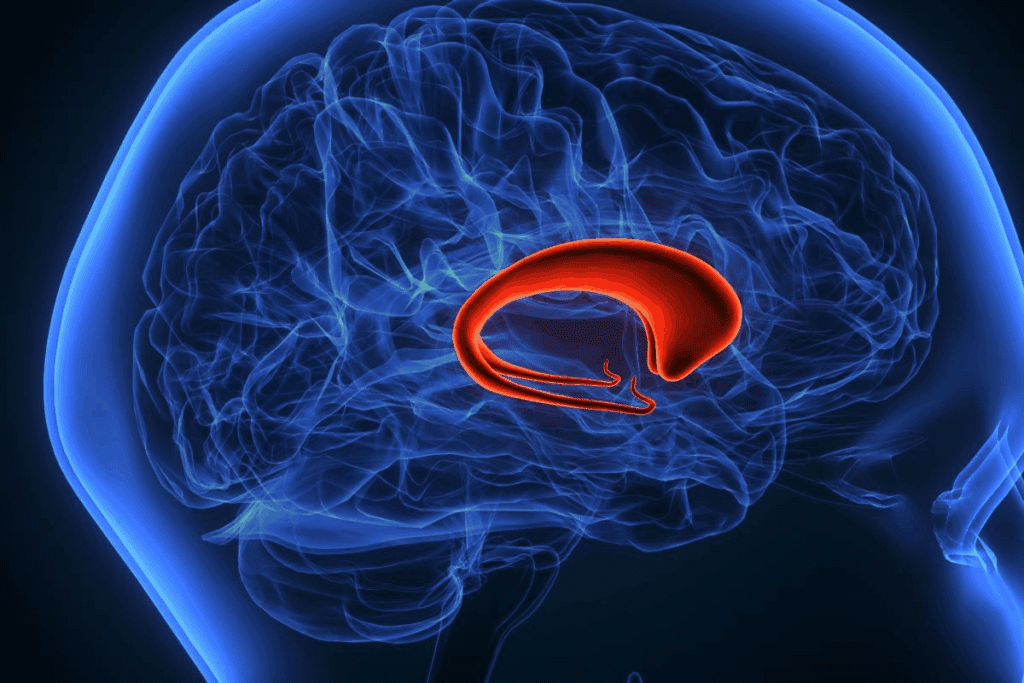
To understand the hypothalamus, we need to know where it is and how it’s structured. It’s a small area below the thalamus. It controls many bodily functions.
Position Within the Brain
The hypothalamus is found below the thalamus, in the medial wall of the third ventricle. It sits at the bottom of the third cerebral ventricle. It extends down to the pituitary stalk, connecting to the pituitary gland.
Size and Shape
The hypothalamus is about the size of an almond. Its cone shape is key for its role in the body. It helps it work with other brain parts and the endocrine system.
Nuclei and Regions
The hypothalamus has several nuclei and regions, each with its own job. These include areas for temperature control, hunger, thirst, and emotions. Its complex structure lets it manage many body and behavior processes.
Knowing about the hypothalamus’s location and structure helps us see its importance. It plays a big role in keeping our body balanced and healthy.
Development of the Hypothalamus
Recent studies show how important the hypothalamus is in a baby’s early life. It starts forming in the womb. Knowing how it grows helps us understand its role in our bodies.
Embryonic Origins
The hypothalamus comes from the diencephalon, a part of the brain. It also makes the thalamus and other parts. In the womb, many factors shape the hypothalamus.
Developmental Timeline
The growth of the hypothalamus is key to its development. It goes through important steps like forming specific parts and making connections.
In a baby’s first months, hormones from the testes affect the hypothalamus. The testes start making a lot of testosterone around week eight of pregnancy. This hormone helps shape the hypothalamus.
Developmental Stage | Description |
Embryonic Week 8 | High levels of testosterone secretion by the human testis begin. |
Neonatal Life | Gonadal steroids influence hypothalamic development. |
Postnatal Development | Continued maturation of hypothalamic nuclei and neural connections. |
Learning about the hypothalamus’s growth is vital. It tells us about its embryonic origins and developmental timeline. This knowledge helps us understand its role in our bodies, including what does the hypothalamus gland do and what is hypothalamic function.
Neural Connections and Pathways
The hypothalamus is at the heart of our body’s functions. It works closely with the brainstem and the limbic system. This includes the amygdala and septum.
Major Neural Circuits
The hypothalamus is part of key neural circuits. These circuits help it manage information and respond to our body’s needs. It talks to the pituitary gland to control hormone levels.
This is key for many bodily processes. The hypothalamus also links with the autonomic nervous system. This lets it control automatic functions like heart rate and digestion.
This control is vital for keeping our body stable, even when things change outside.
Connection to Other Brain Regions
The hypothalamus is connected to many brain areas. It works with the limbic system for emotions and motivation. It also talks to the brainstem for basic functions like breathing.
This connection helps the hypothalamus manage complex responses. It involves both physical and emotional aspects.
For example, it helps with emotional processing. The amygdala sends signals to the hypothalamus. This can lead to changes in heart rate or blood pressure.
Understanding these connections is key to knowing the hypothalamus’s role. It shows how important it is for our health. The hypothalamus controls vital functions through its connections with other systems.
What Is the Hypothalamus and What Does It Do? A Comprehensive Look
The hypothalamus is like the body’s control center. It manages many important processes that help us stay alive. This small part of the brain is at the base of the brain but has a big impact on our health.
Primary Functions Overview
The hypothalamus controls things like body temperature, hunger, and thirst. It helps keep our body’s functions stable, even when things outside change.
It also helps us sleep and wake up at the right times. This is because it responds to light and dark to keep our body’s clock in sync with day and night.
Role as the Body’s Control Center
The hypothalamus is in charge of many things, like reproductive functions and metabolic rate. It also affects how we feel and react to stress. This shows how important it is for our well-being.
It does this through a network of nerves and hormones. It talks to other parts of the brain and the endocrine system. This helps our body work together and meet our needs.
Learning about the hypothalamus helps us understand how our body keeps balance and reacts to things around us. It shows us the amazing ways our body keeps us alive and healthy.
The Hypothalamus and Endocrine Regulation
The hypothalamus is key in the endocrine system. It controls many body functions through the pituitary gland. This teamwork is vital for keeping hormones balanced and health good.
Hypothalamic-Pituitary Axis
The hypothalamic-pituitary axis is a vital pathway. It controls hormone release from the pituitary gland. This gland then regulates other endocrine glands. We’ll see how this axis works and why it’s important.
The hypothalamus makes and releases hormones. These hormones either help or stop the pituitary gland from releasing hormones. This system helps control growth, metabolism, and more.
Key Hormones Produced
The hypothalamus makes many hormones that are key to the endocrine system. Some important ones are:
- Thyrotropin-Releasing Hormone (TRH): It makes the pituitary gland release TSH. TSH controls the thyroid gland.
- Gonadotropin-Releasing Hormone (GnRH): It controls LH and FSH from the pituitary gland. These hormones affect reproduction.
- Growth Hormone-Releasing Hormone (GHRH): It makes the pituitary gland release growth hormone. Growth hormone affects growth and metabolism.
Feedback Mechanisms
Feedback mechanisms are vital for the endocrine system’s balance. The hypothalamus and pituitary gland have negative feedback loops. These loops help control hormone release.
For example, when a hormone level gets too high, it can stop the release of related hormones. This prevents too much hormone production.
Knowing about these feedback loops helps us understand how the hypothalamus and pituitary gland work together. They keep hormones balanced and respond to body changes.
Temperature Regulation and the Hypothalamus
The hypothalamus controls our body temperature. It does this through different ways. This is key for keeping our body’s functions working right.
Thermoregulatory Mechanisms
The hypothalamus works like a thermostat. It checks our blood temperature and starts actions to keep it stable. It uses sweating and shivering to do this.
Response to Heat and Cold
When it’s hot, the hypothalamus makes us sweat to cool down. When it’s cold, it makes us shiver to warm up.
Let’s see how the hypothalamus handles temperature changes. In hot weather, it notices our blood gets warmer. It tells our sweat glands to make sweat, cooling us down. In cold weather, it tells our muscles to shiver, making heat.
Response Type | Mechanism | Effect |
Cooling | Sweating | Reduces body temperature |
Heating | Shivering | Increases body temperature |
Heating | Vasoconstriction | Reduces heat loss |
In short, the hypothalamus is key in keeping our body temperature right. It uses complex ways to do this. Knowing about this helps us see how important the hypothalamus is for our health.
Hunger, Thirst, and Metabolic Control
The hypothalamus is key to balancing hunger, thirst, and metabolic control. This balance is vital for our health and survival. It’s managed by different parts of the hypothalamus.
Appetite Regulation
The hypothalamus controls our appetite. It listens to signals from hormones and nutrients to decide when we should eat. For example, the arcuate nucleus in the hypothalamus responds to leptin and ghrelin.
Leptin tells us we have enough energy, so the hypothalamus reduces hunger. Ghrelin, on the other hand, signals we need to eat, making us hungry. This balance helps us eat just the right amount.
Fluid Balance and Vasopressin Control
The hypothalamus also helps keep our fluid balance right. It controls thirst and vasopressin, a hormone that helps our kidneys hold onto water. Vasopressin is made in the hypothalamus but released by the posterior pituitary gland.
When we lose water, the hypothalamus makes us feel thirsty. It also releases vasopressin to make us pee less. This keeps our water balance just right.
Metabolic Rate Regulation
The hypothalamus also affects our metabolic rate. It does this by controlling the release of thyroid-stimulating hormone (TSH). The hypothalamus makes TRH, which tells the pituitary gland to release TSH. This affects our thyroid hormone levels and our metabolic rate.
By adjusting our metabolic rate, the hypothalamus keeps our energy use in line with what we eat. This helps us stay in energy balance.
Sleep-Wake Cycles and Circadian Rhythms
The hypothalamus plays a key role in keeping our internal clock ticking. It does this by sending out neural signals and controlling hormones. This ensures our body’s functions match the day-night cycle.
The Suprachiasmatic Nucleus
The suprachiasmatic nucleus (SCN) is a small group of cells in the hypothalamus. It acts as our body’s master clock. It listens to light and dark signals to keep our body’s rhythms in sync.
The SCN works with other brain parts and tissues. It helps control hormone release, metabolism, and when we sleep and wake up.
Regulation of Sleep Patterns
The hypothalamus affects our sleep by talking to other brain areas like the thalamus and brainstem. It manages the release of chemicals that help us stay awake or fall asleep. This keeps our sleep and wake times balanced.
For example, during the day, the SCN helps us stay awake. At night, it tells the pineal gland to make melatonin, which makes us sleepy.
Melatonin Production Control
Melatonin is key for our sleep-wake cycle, and the hypothalamus controls its production. The SCN tells the pineal gland to make melatonin when it’s dark. This helps us fall asleep.
This complex system makes sure our sleep and wake times match the outside world. It helps us stay healthy and feel good.
Reproductive Functions and Sexual Behavior
The hypothalamus is key in controlling reproductive functions. It affects both reproductive hormones and sexual behavior. This involves many neural and hormonal signals working together.
Regulation of Reproductive Hormones
The hypothalamus controls the release of GnRH. This hormone then regulates LH and FSH from the pituitary gland. These hormones are vital for the reproductive system in both men and women.
GnRH release is influenced by many factors. This includes feedback from sex steroids and neural inputs from other brain parts. This ensures reproductive hormones are made in the right amounts and at the right times.
Puberty and Sexual Development
The hypothalamus starts puberty. As kids grow, changes in the hypothalamus lead to more GnRH. This triggers puberty and the growth of secondary sexual characteristics.
During puberty, the hypothalamus matures. It starts to control reproductive hormones better. This leads to adult reproductive abilities.
Influence on Sexual Behavior
The hypothalamus also affects sexual behavior. It does this by mixing hormonal signals with neural inputs from other brain areas. These areas handle emotions and sensory information.
This mix allows for complex sexual behavior. It’s shaped by hormones and the environment. The hypothalamus ensures reproductive functions match the right behaviors.
Understanding the hypothalamus’s role in reproduction and sexual behavior helps us see the complex relationship between hormones and brain signals. This relationship is key to human reproduction.
Emotional Processing and Stress Response
The hypothalamus is a key part of the limbic system. It helps us deal with emotions and stress. It controls how we feel and act.
Link to Emotional Processing
The hypothalamus is linked to the limbic system, which handles emotions. Recent studies show it plays a big role in emotions and thinking. This link helps it manage our feelings and handle stress.
The hypothalamus has many roles in emotions. It works with other parts of the brain to process feelings. This teamwork is important for handling emotions.
Role in Stress Response
The hypothalamus is key in our stress response. It starts the HPA axis, which releases stress hormones. These hormones get us ready to face threats.
“The hypothalamus is a critical regulator of the body’s response to stress, influencing both physiological and psychological outcomes.”
Medical Expert, Neuroscientist
Too much stress can harm our health. The hypothalamus helps control this by managing the HPA axis.
Influence on Mood and Behavior
The hypothalamus affects our mood and actions. Problems with it can lead to mood disorders. It’s vital for our mental health.
Function | Description | Impact on Mood/Behavior |
Emotional Processing | Regulation of emotional responses | Influences mood stability |
Stress Response | Activation of HPA axis | Affects resilience to stress |
Mood Regulation | Influence on mood through hormonal regulation | Impacts overall mental well-being |
In summary, the hypothalamus is essential for emotions and stress. Knowing its role helps us manage stress and keep our emotions in check.
Conclusion
We’ve looked into the complex structure and functions of the hypothalamus. It’s a key part of the brain that helps keep our body balanced. The hypothalamus controls important things like body temperature, hunger, thirst, sleep, and reproductive functions.
So, what does the hypothalamus do? In short, it’s a vital brain part that manages many bodily functions. It keeps our internal environment stable and balanced. Its connections with other brain areas and the endocrine system help it meet our body’s needs, making it essential for our health.
A summary of the hypothalamus shows its role in controlling our autonomic nervous system and stress responses. It also affects how we feel emotions. Knowing about the hypothalamus helps us understand its role in our health and what happens if it doesn’t work right.
FAQ
What is the hypothalamus?
The hypothalamus is a small, cone-shaped part of the brain. It’s located below the thalamus. It controls many bodily functions like body temperature, hormone production, and emotions.
What does the hypothalamus gland do?
The hypothalamus is not a gland. It’s a part of the brain. It connects the nervous system to the endocrine system. It helps control body temperature, hunger, thirst, sleep, and reproductive functions.
What is the role of the hypothalamus in maintaining homeostasis?
The hypothalamus is key to keeping the body balanced. It manages body temperature, hunger, thirst, sleep, and reproductive functions. This ensures the body responds properly to changes.
How does the hypothalamus regulate body temperature?
The hypothalamus keeps the body temperature stable. It does this by making us sweat or shiver when it’s too hot or cold.
What is the hypothalamic-pituitary axis?
The hypothalamic-pituitary axis is a system that controls hormone release. The hypothalamus makes hormones that help or stop the pituitary gland from releasing hormones.
How does the hypothalamus influence reproductive functions?
The hypothalamus controls reproductive hormones. It helps start puberty and affects sexual behavior. It’s very important for reproductive health.
What is the connection between the hypothalamus and the limbic system?
The hypothalamus is linked to the limbic system. It helps with emotional processing and stress response. This affects mood and behavior.
How does the hypothalamus regulate sleep-wake cycles?
The hypothalamus, mainly the suprachiasmatic nucleus, controls sleep patterns. It also controls melatonin production. This helps set the body’s circadian rhythms.
What is the significance of the hypothalamus in overall health?
The hypothalamus is vital for health and well-being. It regulates body functions like temperature, hormone production, and emotions.
What does hypothalamic mean?
Hypothalamic refers to the hypothalamus. It can mean anything related to the hypothalamus, like its functions or disorders.
What is the job of the hypothalamus?
The hypothalamus is the body’s control center. It manages functions like body temperature, hunger, thirst, sleep, and reproductive functions. This keeps the body balanced.
Define hypothalamus in biology?
In biology, the hypothalamus is a brain region. It’s important for controlling bodily functions like temperature, hormone production, and emotions.
References
National Center for Biotechnology Information. Evidence-Based Medical Guidance. Retrieved from https://www.ncbi.nlm.nih.gov/pmc/articles/PMC4268390/