Last Updated on November 27, 2025 by Bilal Hasdemir
Every year, 1.8 million Positron Emission Tomography (PET) scans are done in the United States. This shows how important they are for medical diagnosis.
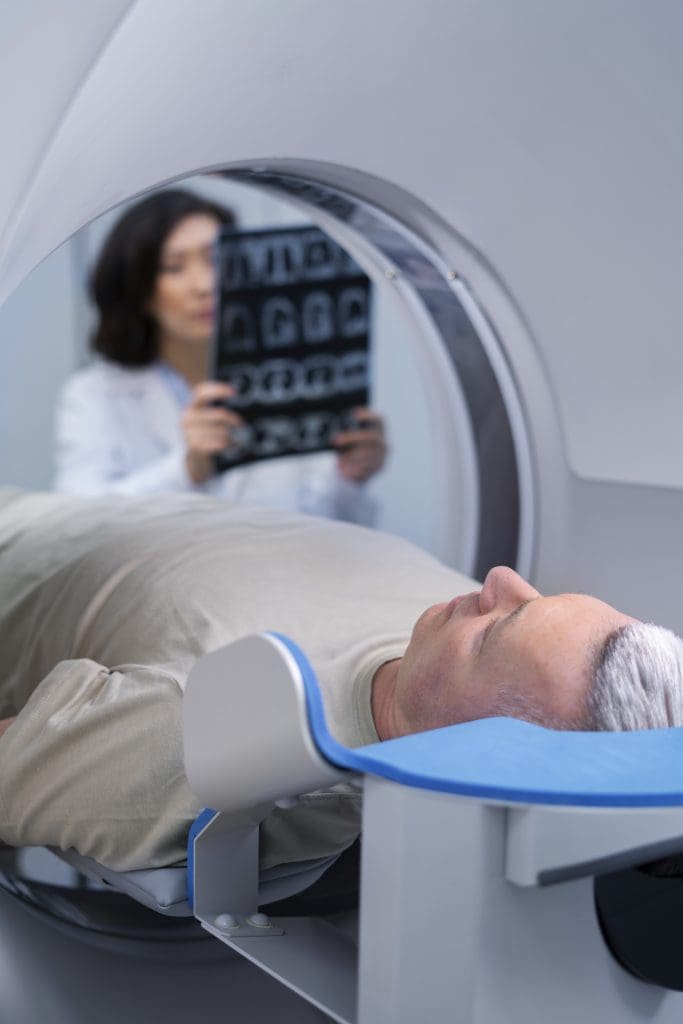
A PET scan is a high-tech imaging test. It helps doctors find and manage different health issues, like cancer. It works by using a small amount of radioactive tracer. This tracer shows detailed pictures of what’s inside the body.
The main reason for a PET scan is to check for and track cancer. It gives doctors important information about the cancer’s size and how it’s reacting to treatment.
Key Takeaways
- PET scans are a vital diagnostic tool in modern medicine.
- The primary use of PET scans is in oncology, for cancer diagnosis and monitoring.
- PET scans provide detailed images of the body’s internal structures and functions.
- They help doctors understand the stage of cancer and its response to treatment.
- Nearly 1.8 million PET scans are performed annually in the United States.
Understanding PET Scan Technology
Learning about PET scans is key to seeing their value in healthcare. PET scan technology uses a positron emission tomography camera to show how the body’s cells work.
Definition and Basic Principles
A PET scan is a test that uses a special sugar molecule to find diseases. It looks for cancer, brain issues, and heart problems. The PET scan machine catches the energy from this sugar, making clear pictures of inside the body.
Components of a PET Scanner
A PET scanner has important parts. There are detectors for catching energy, a gantry for these detectors, and computer software for making images.
The Role of Radioactive Tracers
Radioactive tracers are vital for a PET CT scan. They go to areas where cells are very active, like in growing tumors. The PET scan finds how much of the tracer is there, showing how active the body’s cells are. This helps doctors diagnose and keep track of diseases.
Doctors say, “Combining PET and CT has made diagnosing better. It lets us see how the body works and its structure at the same time.” This shows why it’s important to know how PET scans work and their role in today’s medicine.
Cancer Detection and Staging: The Primary Use of PET Scans
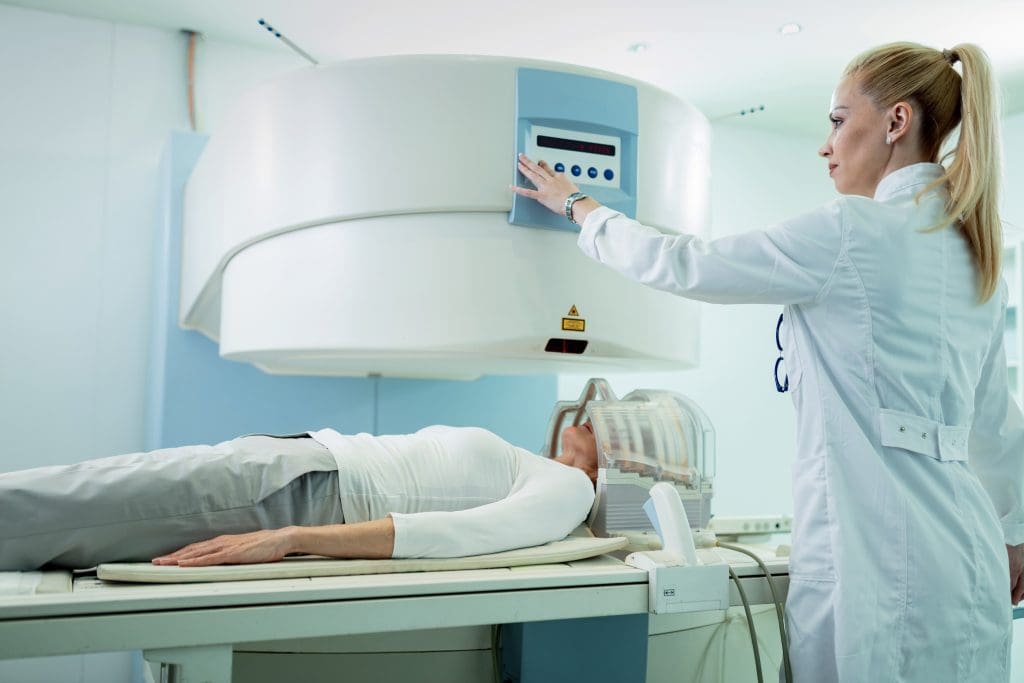
PET scans are key in finding and staging cancer. They help doctors decide the best treatment. These scans use radioactive tracers that show up in cancer cells, making tumors and spread visible.
How PET Scans Identify Cancer Cells
PET scans spot cancer cells by seeing how active they are. Cancer cells use more glucose than normal cells. They take up more FDG (fluorodeoxyglucose), a glucose-like substance, which shows up on scans.
Effectiveness in Different Cancer Types
PET scans work well for many cancers, like lymphoma, melanoma, and lung, breast, colon, and rectum cancers. How well they work depends on the cancer type and how active it is. For example, they’re great for finding and checking lymphoma and melanoma.
Role in Determining Cancer Stage
PET scans are key in figuring out cancer stage. This is important for treatment planning. They show how far cancer has spread, helping doctors choose the right treatment.
Limitations in Cancer Detection
Even though PET scans are powerful, they have limits. Some cancers are harder to find because they don’t use much glucose. Also, inflammation and infection can make scans show false positives.
In summary, PET scans are vital in cancer care. They help diagnose, stage, and plan treatment. Knowing their strengths and weaknesses is key for the best patient care.
Monitoring Cancer Treatment Response
PET scans are key in checking how well cancer treatment works. They give important insights into therapy success. This makes PET scans a vital part of cancer care.
Evaluating Therapy Effectiveness
PET scans are mainly used to see if treatment is working. They look at how active cancer cells are. This helps doctors know if the treatment is effective.
- Metabolic Activity Assessment: PET scans check cancer cell activity. This shows if treatment has lowered cell activity.
- Treatment Outcome Prediction: Early scans can forecast treatment success. This lets doctors change plans if needed.
Detecting Recurrence
PET scans also find cancer that comes back after treatment. They spot areas where cancer cells are active again. This helps find recurrence early.
- Early detection means quicker action.
- PET scans can tell the difference between old scars and new cancer.
Guiding Treatment Adjustments
PET scans help doctors change treatment plans if needed. If a scan shows treatment isn’t working, doctors can adjust it. This can lead to better results.
Case Studies and Success Rates
Many studies show PET scans are great for tracking cancer treatment. They have high success rates in many cancers. This proves PET scans are very useful in cancer care.
Cardiac Applications of PET Scans
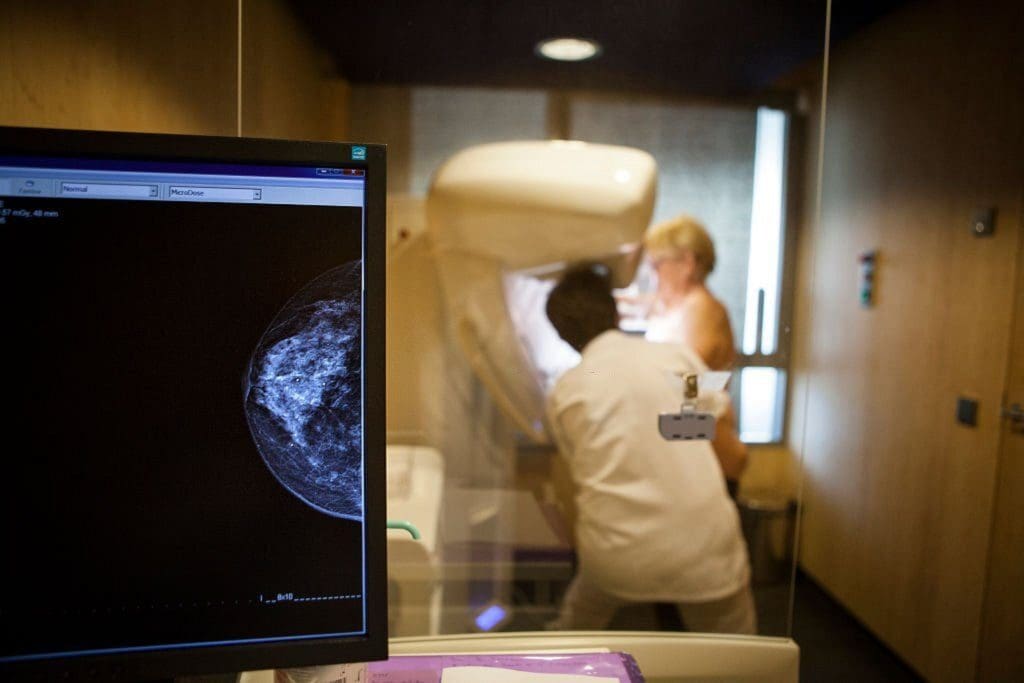
PET scans are key in cardiology, giving insights into heart health that were hard to get before. They’ve made cardiology better, helping doctors diagnose and treat heart diseases well.
Assessing Coronary Artery Disease
Cardiac PET scans are mainly used to check for coronary artery disease (CAD). PET scans can accurately detect CAD and how bad it is. They look at blood flow to the heart, showing where it’s low, which means CAD.
Evaluating Heart Function
PET scans also check how well the heart works, mainly in heart failure patients. They show how well the heart pumps and find damaged heart areas. This info is key for better treatment plans.
Identifying Viable Heart Tissue
In CAD or heart failure, PET scans find heart tissue that’s not working but could be saved. This is important for deciding if heart procedures are needed, like bypass surgery or angioplasty.
Comparison with Other Cardiac Imaging Methods
PET scans beat other heart imaging like echocardiography or MRI. PET scans give both structure and function info, giving a full picture of heart health. They’re best for complex heart diseases or when other tests don’t work.
The American Heart Association says, “PET imaging is key in heart disease diagnosis and management.” This shows how important PET scans are in cardiology.
“The use of PET scans in cardiology has revolutionized our ability to diagnose and treat heart disease. It’s a game-changer in the field of cardiology.”
Cardiologist
Neurological Uses for PET Scans
PET scans have changed how we diagnose neurological disorders. They help find problems early and accurately.
Alzheimer’s Disease and Dementia Diagnosis
PET scans are key in spotting Alzheimer’s and dementia. They look at how the brain uses glucose. This helps find signs of Alzheimer’s early on.
Early detection is key. It lets doctors start treatments that can slow the disease.
Epilepsy Evaluation and Surgical Planning
PET scans are important for epilepsy. They find where seizures start, even when MRI results are unclear. This info is vital for surgical planning.
Brain Tumor Assessment
PET scans check brain tumors. They show how active the tumor is and its type. This info helps plan the best treatment, like surgery or chemo.
Parkinson’s Disease and Movement Disorders
PET scans help diagnose Parkinson’s and other movement issues. They check dopamine levels in the brain. This helps doctors choose the right treatment.
PET scans have greatly improved our understanding and treatment of complex brain conditions.
The PET Scan Procedure: What Happens During the Test
Learning about a PET scan can make patients feel less anxious. The process includes several steps, from checking in to the final scan and recovery.
Before the Scan: Registration and Preparation
Patients start by registering at the facility. They check in, share their medical history, and might change into a gown. They may need to fast, avoid certain meds, or follow a diet as told by their doctor.
Tracer Injection and Uptake Period
The PET scan uses a radioactive tracer. This is given through a vein in the arm and might feel a bit sharp. After, the body absorbs the tracer, and this can take different times based on the tracer and scan purpose.
The Scanning Process
Once the body absorbs the tracer, the patient lies on a table in the PET scanner. The scan is painless and lasts 30 to 60 minutes. The patient must stay very quiet. The scanner makes images of the body’s inside using the tracer’s signals.
After the Scan: Recovery and Results
After the scan, patients can usually go back to their day unless told not to. The tracer leaves the body in a few hours. A radiologist then looks at the images, and the results are shared with the patient’s doctor.
Important things to remember about PET scans include:
- Arriving early for registration and preparation
- Following pre-scan instructions carefully
- Remaining very quiet during the scan
- Knowing the procedure is safe and usually painless
Understanding the PET scan process helps patients prepare and feel less anxious.
How Does a PET Scan Work? The Science Explained
PET scans use radioactive tracers to see and measure how active cells are in the body. This involves several steps, from injecting the tracer to understanding the scan images.
The Physics of Positron Emission
PET scans rely on positron emission technology. When a tracer is injected, it releases positrons, the opposite of electrons. These positrons meet electrons and create gamma rays that the scanner picks up.
The scanner uses these gamma rays to make detailed images of the body’s metabolic processes. The PET scanner uses the data from the gamma rays to reconstruct detailed images of the area being scanned.
Tracer Metabolism in the Body
The tracer in PET scans is a compound that the body breaks down in a certain way. For example, Fluorodeoxyglucose (FDG) is taken up by cells based on their glucose use. This makes it great for finding active cells, like cancer.
- The tracer is injected into the bloodstream.
- It spreads through the body, focusing on active areas.
- The PET scanner catches the gamma rays from the tracer.
Image Reconstruction Process
The PET scanner’s data is used to make images of the body’s metabolic activities. This involves complex computer algorithms that turn the data into detailed images.
The reconstruction process considers the tracer’s spread and the gamma rays detected.
Interpreting PET Scan Images
Understanding PET scan images needs knowledge in nuclear medicine. These images show how active cells are, helping diagnose and track conditions like cancer and neurological disorders.
Doctors look for unusual activity in the images, which might show disease. The intensity and distribution of tracer uptake are key to reading these images.
PET Scan vs. CT Scan: Understanding the Differences
It’s important for patients and doctors to know the differences between PET scans and CT scans. Both are key tools in medical imaging, but they have different uses.
Structural vs. Functional Imaging
CT scans are great for structural imaging. They give detailed pictures of the body’s inside. On the other hand, PET scans are top-notch for functional imaging. They show how active tissues and organs are.
To show the difference:
- PET scans spot cancer by its high activity.
- CT scans show tumors’ size and where they are.
Radiation Exposure Comparison
Both PET and CT scans use radiation. But, the type and amount are different. CT scans use X-rays, while PET scans use a radioactive tracer. The dose from a PET scan might be similar to or a bit more than a CT scan’s, based on the tracer and the scan’s details.
When Each Scan is Preferred
Choosing between a PET scan and a CT scan depends on what you need to know. PET scans are good for checking tumor activity. CT scans are better for guiding biopsies or looking at structural issues.
Complementary Nature of Both Technologies
PET and CT scans can work together. PET-CT hybrid scanners are becoming more common. They combine the best of both worlds to give detailed info in one go.
In short, knowing the differences between PET scans and CT scans helps doctors pick the best imaging for their patients.
The PET-CT Hybrid: Combining Technologies for Better Results
The PET-CT hybrid is a big step forward in medical imaging. It combines PET and CT technologies for better results. This means more accurate diagnoses and a deeper understanding of health conditions.
Benefits of Integrated Imaging
PET-CT hybrid scanners bring many benefits. They help doctors make more accurate diagnoses and get a comprehensive assessment of health issues. This is because they mix PET’s functional info with CT’s detailed images.
Clinical Applications of PET-CT
PET-CT hybrid imaging is used in many areas. It’s key in oncology, cardiology, and neurology. It helps in cancer staging, checking how treatments work, and diagnosing heart and brain diseases.
Improved Diagnostic Accuracy
The blend of PET and CT in hybrid imaging boosts accuracy. It lets doctors pinpoint where metabolic activities are happening. This makes it easier to spot and understand lesions and other issues.
Future Developments in Hybrid Imaging
As tech gets better, PET-CT hybrid imaging will too. We can look forward to improved image quality, faster scans, and more uses. These changes will help doctors diagnose and plan treatments even better.
Preparing for Your PET Scan: What to Expect
Getting ready for a PET scan might seem scary, but knowing what to do can make you feel more ready. A PET scan is a detailed test that needs some prep to get good results. Your doctor will tell you exactly what to do, but here are some general tips to help.
Dietary Restrictions Before the Procedure
You might need to eat differently before your PET scan to help the test work right. Avoid sugary foods and drinks because they can mess with the test’s results. Your doctor might also ask you to not eat for a while before the scan. It’s very important to stick to these food rules to get the best results.
Drinking water is also key, unless your doctor tells you not to. Try to avoid caffeine and other things that can make your heart beat faster or your blood pressure go up.
Medication Considerations
Tell your doctor about all the medicines you’re taking, including vitamins and supplements. Some medicines might need to be changed or stopped before the scan. This includes medicines for diabetes, because they can change how the test works.
The Day of Your Scan
On the day of your PET scan, get there at least 30 minutes early. This gives you time to sign in, change into a gown, and get the tracer. The actual scan takes about 30 minutes to an hour. But, you should plan to spend at least 2-3 hours there.
What to Bring and Wear
Wear comfy, loose clothes and don’t wear anything with metal, like jewelry. You’ll probably have to change into a hospital gown, but it’s good to be ready. Bring your insurance card, ID, and a list of your medicines.
By following these tips and your doctor’s advice, you can make sure your PET scan goes well and gives accurate results.
Risks and Safety Considerations of PET Scans
PET scans are very useful for diagnosing diseases. But, they also come with some risks and things to consider. It’s important for both patients and doctors to know about these to use PET scans safely and effectively.
Radiation Exposure Levels
PET scans use a small amount of radiation from a radioactive tracer. The amount is usually safe, but it’s key to keep it low, mainly for kids and pregnant women. The dose from a PET scan is about 3 to 7 millisieverts (mSv).
Contraindications and Precautions
Some situations make PET scans not safe or need extra care. These include being pregnant, breastfeeding, or having severe kidney or liver disease. It’s also important to tell your doctor about any medicines you’re taking. Some can affect the PET scan results.
Special Considerations for Pregnant Women and Children
Pregnant women should only get PET scans if really needed. The radiation could harm the baby. For kids, the tracer dose is based on their weight. The scan is only done if the benefits are greater than the risks.
Allergic Reactions and Other Possible Side Effects
Some people might have an allergic reaction to the PET scan tracer. Others might feel discomfort or pain where the tracer was injected. These reactions are rare and usually mild and short-lived.
In summary, PET scans have some risks, but knowing about them and taking precautions can help reduce them. It’s best to talk to your doctor about any worries before getting a PET scan.
Cost and Insurance Coverage for PET Scans
PET scans can be expensive, and patients face financial stress. Knowing the costs and insurance coverage can help ease this burden.
Average Costs in the United States
PET scan costs in the U.S. vary a lot. Factors like location and facility type play a big role. Costs can be from $1,000 to $5,000 or more. It’s key to talk to your healthcare provider and insurance about exact costs.
Insurance Approval Process
Most insurance plans cover PET scans for certain conditions, like cancer. But getting approval can be tricky. Working closely with your healthcare provider is important to get all needed documents to the insurance.
Medicare and Medicaid Coverage
usually cover PET scans for cancer and some neurological issues. Understanding what’s covered and any costs you might have is vital.
Financial Assistance Options
If you’re uninsured or underinsured, there are programs to help with PET scan costs. Hospitals, non-profits, and companies offer these. Ask your healthcare provider about these options when discussing your treatment.
Conclusion: The Vital Role of PET Scans in Modern Medicine
PET scans have changed medicine a lot. They give us important information about diseases. This makes them very important in today’s medicine.
They help find diseases early and see how treatments work. This is why PET scans are key in fighting cancer, brain problems, and heart diseases.
In modern medicine, PET scans help us understand and treat diseases better. As technology gets better, PET scans will help even more. This means doctors can give patients care that’s just right for them.
In the end, PET scans have made a big difference in medicine. They are a powerful tool that helps patients and saves lives.
FAQ
What is a PET scan used for?
A PET scan is used for many medical reasons. It helps find and check cancer, see how treatments work, and look at heart disease and brain disorders.
How does a PET scan work?
A PET scan uses a tiny amount of radioactive tracer. This tracer goes to active areas, like cancer cells. The scanner picks up these signals, making detailed images of the body’s inside.
What is the difference between a PET scan and a CT scan?
A PET scan shows how body parts work. A CT scan gives detailed pictures of the body’s inside. Often, PET and CT scans are used together for a full view of the body’s health.
Is a PET scan painful?
No, a PET scan is not painful. You might feel a tiny pinch when the tracer is given. But the scan itself is painless.
How long does a PET scan take?
A PET scan’s time varies. It depends on the scan type and body area. Usually, it takes 30-60 minutes.
Are there any side effects from a PET scan?
Most people don’t have big side effects from a PET scan. But, some might have allergic reactions or minor side effects.
Can I eat before a PET scan?
It depends on the PET scan type. For some, you might need to fast before. Your doctor will tell you what to do.
Can I drive myself home after a PET scan?
Yes, you can drive home after a PET scan. But, it’s smart to have someone with you. The tracer might make you feel sleepy or dizzy.
How long does it take to get the results of a PET scan?
PET scan results are usually ready in a few hours to days. Your doctor will talk to you about them and explain what they mean.
What is a PET scan used for?
A PET scan is used for many medical reasons. It helps find and check cancer, see how treatments work, and look at heart disease and brain disorders.
How does a PET scan work?
A PET scan uses a tiny amount of radioactive tracer. This tracer goes to active areas, like cancer cells. The scanner picks up these signals, making detailed images of the body’s inside.
What is the difference between a PET scan and a CT scan?
A PET scan shows how body parts work. A CT scan gives detailed pictures of the body’s inside. Often, PET and CT scans are used together for a full view of the body’s health.
Is a PET scan painful?
No, a PET scan is not painful. You might feel a tiny pinch when the tracer is given. But the scan itself is painless.
How long does a PET scan take?
A PET scan’s time varies. It depends on the scan type and body area. Usually, it takes 30-60 minutes.
Are there any side effects from a PET scan?
Most people don’t have big side effects from a PET scan. But, some might have allergic reactions or minor side effects.
Can I eat before a PET scan?
It depends on the PET scan type. For some, you might need to fast before. Your doctor will tell you what to do.
How much does a PET scan cost?
PET scan costs vary. They depend on location, scan type, and more. On average, they cost between $1,000 to $5,000 or more.
Is a PET scan covered by insurance?
Many insurance plans cover PET scans. But, coverage can change based on your plan and scan reason. Check with your insurance to see if you’re covered.
Can I drive myself home after a PET scan?
Yes, you can drive home after a PET scan. But, it’s smart to have someone with you. The tracer might make you feel sleepy or dizzy.
How long does it take to get the results of a PET scan?
PET scan results are usually ready in a few hours to days. Your doctor will talk to you about them and explain what they mean.