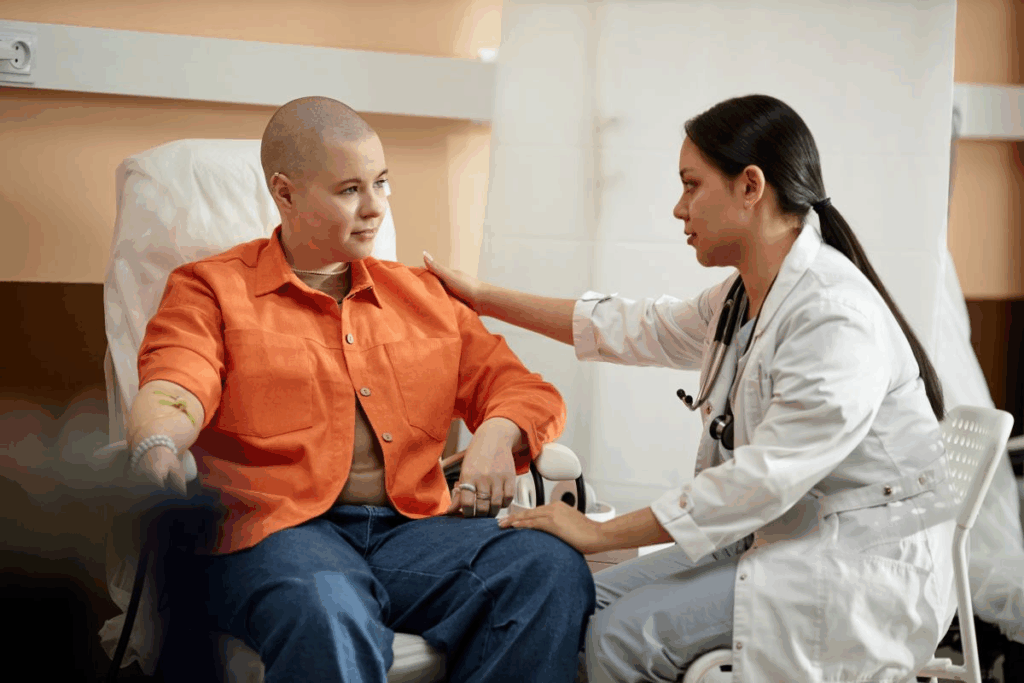
Identifying the primary treatment (chemotherapy) and discussing the latest Cancer breakthrough drug advancements. A groundbreaking treatment is changing the landscape of cancer care. Recent advancements have led to the development of a miracle cancer treatment. This treatment is showing promising results in clinical trials.
This innovative approach is not just another incremental step; it’s a significant leap forward in the fight against cancer. By targeting specific cancer cells, this treatment minimizes harm to healthy cells. This reduces the harsh side effects often associated with traditional therapies.
Key Takeaways
- A new treatment is giving cancer patients new hope.
- This miracle treatment targets specific cancer cells.
- Clinical trials have shown promising results.
- The treatment minimizes harm to healthy cells.
- It’s a significant advancement in cancer care.
The Evolution of Cancer Treatment
Cancer treatment has changed a lot over the years. We’ve moved from old, one-size-fits-all methods to new, more tailored treatments. This change is making treatments better and more effective.
Historical Approaches to Cancer Treatment
In the past, doctors used surgery, chemotherapy, and radiation to fight cancer. These methods have helped some patients, but they also have big downsides. For example, chemotherapy hurts not just cancer cells but also healthy ones, causing bad side effects.
The Limitations of Traditional Cancer Therapies
Old cancer treatments have big problems. They can’t tell cancer cells from healthy ones, causing harm. Also, cancer cells can grow resistant to these treatments, making them less effective over time.
New treatments like Gleevec for CML have shown great promise. They’ve greatly improved survival rates. And treatments like dostarlimab in immunotherapy are like an immunotherapy miracle for some patients.
The journey of cancer treatment is ongoing. Researchers are working hard to find treatments that are more precise and less harmful. This gives hope for better results for patients in the future.
Understanding the Cancer Breakthrough Drug Landscape
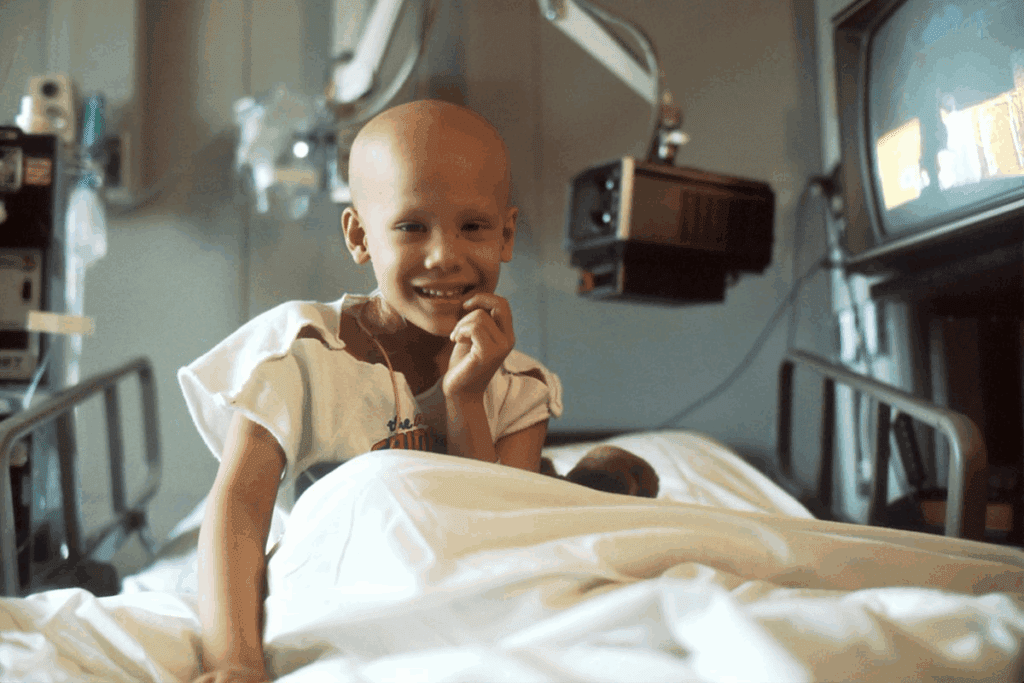
The world of cancer treatment is changing fast with new drugs. These treatments are getting better, moving away from old methods to more precise ones.
How Modern Cancer Drugs Differ from Previous Generations
Today’s cancer drugs aim to be more exact, hitting cancer cells hard but sparing healthy ones. For example, Gleevec was a big step, targeting cancer cells without harming others. This focus on precision is key in today’s cancer care.
The Role of Precision Medicine in Cancer Treatment
Precision medicine is key in fighting cancer today. It means treatments are made just for each patient’s cancer. Tools like mRNA cancer vaccines and checkpoint inhibitor breakthroughs are part of this new hope.
“The future of cancer treatment lies in precision medicine, where therapies are tailored to the genetic profiles of individual tumors.”
Adding precision medicine to cancer care has made a big difference. Doctors can now choose the best treatments based on each patient’s unique cancer. This approach has greatly improved how well patients do.
Immunotherapy: Revolutionizing Cancer Treatment
Immunotherapy is changing how we fight cancer. It uses the body’s own defenses to attack the disease. This new method is showing great promise in treating many cancers, giving hope to patients and doctors.
How Immunotherapy Works Against Cancer
Immunotherapy boosts the body’s immune fight against cancer cells. It doesn’t directly attack cancer cells like old treatments do. Instead, it helps the immune system find and destroy cancer cells better.
This is done through different ways, like using checkpoint inhibitors, cancer vaccines, and adoptive T-cell therapy.
Checkpoint Inhibitor Breakthroughs: Dostarlimab and Beyond
Dostarlimab is a checkpoint inhibitor that has made big strides in cancer treatment. It works by targeting specific proteins on cancer cells. This lets the immune system attack these cells more effectively.
Mechanism of Action
Dostarlimab blocks the PD-1 receptor on T-cells. This stops cancer cells from hiding from the immune system. With this block, T-cells can keep attacking cancer cells, leading to better treatment results.
Clinical Success Stories
Dostarlimab has shown great results in treating colorectal cancer. Some patients have seen complete responses without needing surgery, radiotherapy, or chemotherapy. This shows immunotherapy’s power in changing cancer treatment.
The success of Dostarlimab and other checkpoint inhibitors highlights immunotherapy’s role in cancer care. As research keeps improving, we’ll see even more ways to use the immune system against cancer.
mRNA Technology in Cancer Treatment
mRNA technology, first used for COVID-19 vaccines, is now fighting cancer. It uses the body’s immune system to target cancer cells better.
From COVID Vaccines to Cancer Therapy
The success of mRNA COVID-19 vaccines opened doors for cancer treatment. mRNA encodes tumor antigens, sparking an immune attack on cancer cells.
The Promise of mRNA Cancer Vaccines
mRNA cancer vaccines are a big hope. They offer a custom treatment plan for each patient. This could lead to better results.
Current Clinical Trials
Many trials are testing mRNA cancer vaccines. For example, they’re looking at combining mRNA vaccines with idh1 inhibitors like safusidenib. This could make treatments more effective.
Some benefits of mRNA cancer vaccines are:
- Personalized treatment based on individual tumor profiles
- Potential to stimulate a robust immune response against cancer cells
- Flexibility to be used in combination with other cancer therapies
Targeted Therapies: Precision Weapons Against Cancer

Targeted therapies have changed cancer treatment for the better. They aim to kill cancer cells without harming healthy ones. This is a big step forward in the fight against cancer.
IDH1 Inhibitors: Safusidenib’s Promise
Safusidenib is an IDH1 inhibitor with great promise. It targets cancers with IDH1 mutations. By blocking the mutant IDH1 enzyme, it reduces harmful substances that tumors grow from.
This therapy offers a new way to treat cancers that are hard to fight with old treatments.
KRAS Targeting: Eli-0022P Vaccine
The Eli-0022P vaccine is a new way to fight KRAS mutations. These mutations are found in many cancers, like pancreatic and lung cancers. The vaccine aims to kill cancer cells while keeping normal cells safe.
This vaccine is part of a bigger effort to use the immune system to fight cancer based on specific mutations.
Zongertinib (Hernexeos): Targeting Specific Mutations
Zongertinib (Hernexeos) is a therapy made to target specific mutations in cancer. It blocks the action of these mutated proteins, slowing or stopping cancer growth.
Zongertinib shows the progress in making precision medicines for each patient. It brings hope for better cancer treatments.
Antibody-Drug Conjugates: The Trojan Horse Approach
Antibody-drug conjugates (ADCs) are a new hope in cancer treatment. They mix the accuracy of antibodies with the strength of drugs. ADCs aim cancer cells directly, reducing harm to healthy cells.
How ADCs Deliver Toxic Payloads to Cancer Cells
ADCs link a drug to an antibody with a special linker. The antibody finds cancer cells by binding to a specific protein. Once inside, the drug kills the cell, sparing healthy ones.
The drug’s delivery is precise because of the antibody’s target. For example, ADCs target proteins more on cancer cells. This means less damage to normal cells.
Enfortumab+Pembrolizumab Combination Therapy
Enfortumab vedotin and Pembrolizumab are changing urothelial cancer treatment. Enfortumab vedotin attacks Nectin-4 on cancer cells. Pembrolizumab boosts the immune system against cancer. Together, they show great promise in clinical trials.
Belantamab Mafodotin: Targeting Multiple Myeloma
Belantamab mafodotin targets BCMA on multiple myeloma cells. It brings a toxic payload right to the cancer cells. This offers hope for patients with hard-to-treat multiple myeloma.
ADCs like Enfortumab vedotin and Belantamab mafodotin are big steps forward in cancer treatment. They offer targeted, effective treatments for different cancers.
Bispecific Antibodies and HER2-Targeted Therapies
Bispecific antibodies are a big step forward in cancer treatment. They can target two different parts of a cancer cell at once. This makes them more effective than traditional treatments.
The Mechanism of Bispecific Antibodies
Bispecific antibodies work by linking two targets together. For example, they can connect a cancer cell to an immune cell. This helps the immune system fight the cancer better.
Key benefits of bispecific antibodies include:
- Enhanced tumor targeting
- Improved immune cell activation
- Potential to overcome resistance to single-target therapies
HER2 Bispecific Antibodies in Breast Cancer Treatment
HER2 bispecific antibodies are being studied for HER2-positive breast cancer. They target HER2 and another antigen at the same time. This could lead to better treatment options for these patients.
Zongertinib (Hernexeos) is another example of targeted therapy for HER2-positive breast cancer. It shows how focusing on specific cancer proteins can be effective.
Clinical Outcomes and Patient Response
Studies on bispecific antibodies in breast cancer are showing good results. Some patients have seen their tumors shrink a lot. This is because bispecific antibodies can attack cancer from multiple angles.
More research is needed, but bispecific antibodies could greatly improve treatment for HER2-positive breast cancer patients.
T-Cell Receptor (TCR) Therapy: Tecelra and Beyond
Tecelra and other TCR therapies are changing how we fight cancer. They make the immune system better at finding and killing cancer cells.
Reprogramming the Immune System
TCR therapy changes T cells to find and attack cancer. It does this by making T cells recognize specific cancer cells.
The steps are:
- Getting T cells from the patient.
- Changing these T cells to find a specific cancer antigen.
- Growing the modified T cells.
- Putting the T cells back into the patient.
Clinical Results and Patient Outcomes
Studies show TCR therapy works well, with some patients seeing big improvements. Tecelra, for example, has helped treat certain cancers by focusing on specific targets.
The good things about TCR therapy are:
- It’s more targeted, which might mean fewer side effects than regular chemo.
- It can work on cancers that other treatments can’t.
- It might help keep the immune system ready to fight cancer for a long time.
Differences Between TCR Therapy and CAR-T Therapy
TCR and CAR-T therapies both use T cells to fight cancer, but they do it differently. CAR-T therapy changes T cells to directly find cancer cells.
TCR therapy, on the other hand, uses T-cell receptors to find cancer cells. This means TCR therapy can target more types of cancer, including those inside cells.
Breakthrough Treatments for Difficult-to-Treat Cancers
The battle against cancer has made big strides with new treatments for hard-to-beat cancers. Scientists and doctors are always looking for new ways to tackle these tough cancers.
AMP945: New Hope for Pancreatic Cancer
AMP945 is a big hope for pancreatic cancer treatment. It’s shown promise in early trials, giving patients with this tough cancer a glimmer of hope. Pancreatic cancer is very hard to treat, but AMP945 is a big step forward.
- AMP945 targets specific ways pancreatic cancer grows.
- Early trials have shown it can shrink tumors a lot.
Diffuse Midline Glioma: Novel Therapeutic Approaches
Diffuse midline glioma is a cancer that’s hard to treat. But, new research on its genetics has led to novel therapeutic approaches. These include targeted therapies that attack specific genetic weaknesses in cancer cells.
- Targeted therapies aim at the genetic causes of diffuse midline glioma.
- Immunotherapy is also being tested as a treatment for this tough cancer.
Addressing Treatment-Resistant Cancers
It’s a big challenge to treat cancers that don’t respond to current treatments. But, research into why this happens is helping find new ways to beat it. This includes using combination therapies and new treatment methods.
The work on AMP945 for pancreatic cancer and new ways to fight diffuse midline glioma shows we’re making progress. As research keeps moving forward, we’ll see even more creative solutions.
Side Effects and Limitations of New Cancer Therapies
Cancer treatment is getting better with new breakthroughs like immunotherapy and checkpoint inhibitors. These advances are promising for many cancers. But, they also have side effects and limits that need careful handling.
Common Side Effects and Management Strategies
New cancer treatments can cause side effects like fatigue and skin rashes. Sometimes, they can even cause serious inflammation in organs. It’s key to manage these side effects well so patients can keep up with their treatment.
Checkpoint inhibitors, for example, can lead to immune-related problems. These need quick and specific management plans.
Patient Selection: Who Benefits Most?
Not every patient gets the same benefit from new cancer treatments. Choosing the right patients is very important. This depends on the cancer type, genetic mutations, and overall health.
Biomarkers and genetic tests help find who will likely do well with certain treatments.
Balancing Efficacy and Quality of Life
One big challenge in cancer treatment is finding the right balance. We want treatments to work well and help patients live longer. But, we also need to make sure these treatments don’t hurt their quality of life too much.
This balance is central to modern cancer care. It ensures treatments are not only effective but also something patients can handle.
Access and Affordability of Breakthrough Cancer Drugs
Breakthrough cancer therapies, like trojan-horse therapy and antibody-drug conjugates, are changing how we fight cancer. But, their high costs make it hard for many to get them. It’s important to understand how these costs affect access and affordability.
Insurance Coverage in the United States
In the U.S., insurance is key to getting these new cancer drugs. Most plans help cover a lot of the costs. But, how much they cover can really vary.
Patient Assistance Programs
Many drug companies have programs to help patients with cancer treatment costs. These programs offer financial help, discounts, and more to those who qualify.
“Patient assistance programs are a vital resource for many patients struggling to afford their cancer medications,” – An oncologist. “These programs can help bridge the gap between the need for treatment and the ability to pay.”
The Cost-Benefit Analysis of New Cancer Therapies
Looking at the cost of new cancer drugs, we must weigh their benefits. These drugs are pricey but can greatly improve survival rates and quality of life.
Therapy | Cost | Benefits |
Antibody-Drug Conjugates | $100,000 – $200,000 per year | Improved survival, reduced tumor size |
Trojan-Horse Therapy | $150,000 – $300,000 per year | Targeted treatment, fewer side effects |
As cancer treatment keeps getting better, we must tackle the issues of access and cost. This is key to making sure these life-saving treatments are available to all who need them.
Conclusion: The Future of Cancer Treatment
The world of cancer treatment is changing fast. New discoveries in medical research and technology are leading the way. Immunotherapy, mRNA technology, and targeted therapies are bringing new hope to patients and doctors.
Scientists are working on a universal cancer vaccine. This could help prevent or treat many types of cancer. Along with other new drugs, it’s set to change how we fight cancer.
As research keeps moving forward, the outlook for cancer treatment is bright. The focus is on making treatments better and improving life for patients. The hard work of researchers and healthcare teams shows their commitment to beating cancer.
FAQ
What is the new miracle drug for cancer?
New treatments for cancer include immunotherapy, targeted therapies, and antibody-drug conjugates. Dostarlimab, Safusidenib, Eli-0022P, and Zongertinib are examples. Also, Enfortumab+Pembrolizumab and Belantamab Mafodotin are being used.
How does immunotherapy work against cancer?
Immunotherapy uses the body’s immune system to fight cancer. It uses Dostarlimab to help the immune system attack cancer cells better.
What is the role of mRNA technology in cancer treatment?
mRNA technology is being studied for cancer treatment, like mRNA vaccines. It helps the immune system fight cancer cells.
What are targeted therapies, and how do they work?
Targeted therapies aim at specific cancer cells or mutations. They reduce harm to healthy cells. Safusidenib and Eli-0022P are examples.
How do antibody-drug conjugates (ADCs) work in cancer treatment?
ADCs target cancer cells with toxic payloads. Enfortumab+Pembrolizumab and Belantamab Mafodotin are examples. They work by binding to cancer cell proteins.
What are bispecific antibodies, and how are they used in cancer treatment?
Bispecific antibodies target two proteins at once. They are used in breast cancer treatment. They show good results and patient responses.
What is TCR therapy, and how does it differ from CAR-T therapy?
TCR therapy reprograms the immune system to fight cancer. It’s different from CAR-T therapy. TCR therapy has shown good results.
What breakthrough treatments are available for difficult-to-treat cancers?
AMP945 is a breakthrough for pancreatic cancer. There are also new treatments for diffuse midline glioma. These offer hope for patients.
What are the common side effects of new cancer therapies, and how are they managed?
Side effects vary by treatment. Management includes monitoring health and adjusting treatment. Supportive care helps minimize side effects.
How do insurance coverage and patient assistance programs impact access to breakthrough cancer drugs?
Insurance and patient assistance programs help make drugs more accessible. Patients should explore these options for coverage and assistance.
What is the cost-benefit analysis of new cancer therapies?
The cost-benefit analysis weighs treatment costs against benefits. It’s important for understanding the value of these treatments.
What is the future of cancer treatment?
The future looks promising with new therapies and research. Universal cancer vaccines and other drugs offer hope for better outcomes and quality of life.
References
Nature. Evidence-Based Medical Insight. Retrieved from https://www.nature.com/articles/s41392-025-02269-w
National Center for Biotechnology Information. Evidence-Based Medical Insight. Retrieved from https://pubmed.ncbi.nlm.nih.gov/31357128/
National Center for Biotechnology Information. Evidence-Based Medical Insight. Retrieved from https://pubmed.ncbi.nlm.nih.gov/31357128/
National Center for Biotechnology Information. Evidence-Based Medical Insight. Retrieved from https://pubmed.ncbi.nlm.nih.gov/31357128/