Find out what is the origin of most childhood cancers. This crucial guide gives powerful developmental facts.
Childhood cancer is a big worry, and knowing where it starts is key to treating it well. Most childhood cancers start in certain parts of the body, like the blood, bone marrow, and brain. These places have cells that grow fast and are more likely to get cancer.

Knowing where these cancers start helps doctors find better treatments. Livhospital.com is working hard to lead in treating childhood cancers with the latest methods.
Key Takeaways
- Childhood cancers often arise in rapidly growing cells.
- Blood, bone marrow, and brain are common sites for childhood cancers.
- Understanding cancer origins is key to effective treatment.
- Livhospital.com uses advanced protocols for childhood cancer treatment.
- Targeted therapies can improve treatment outcomes.
Understanding Childhood Cancer: Prevalence and Impact
Childhood cancer is a big health issue that affects thousands of kids and their families each year. It’s important to understand how widespread this disease is and its effects.
2025 Projections: 9,550 New Cases in the U.S.
Experts predict that about 9,550 new cases of childhood cancer will be diagnosed in the U.S. in 2025. This shows the ongoing fight against childhood cancer.
The Emotional and Physical Impact on Children and Families
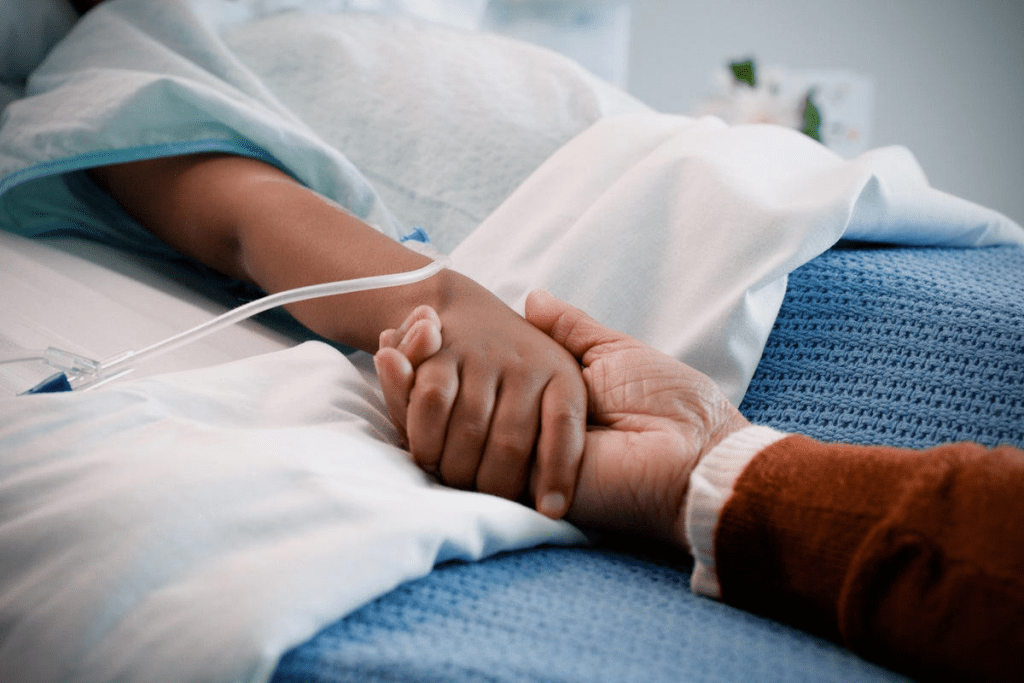
When kids get cancer, it deeply affects them and their families. Kids and families deal with anxiety, fear, and stress. The cancer and treatment also have physical effects.
Some big challenges for families include:
- Choosing from many treatment options
- Dealing with the emotional strain
- Handling the physical side effects of treatment
It’s key to understand childhood cancer’s prevalence and impact to help families. By knowing the challenges, healthcare can offer better support.
What is the Origin of Most Childhood Cancers?
It’s key to know where childhood cancers start to find better treatments. These cancers come from different parts of the body.
Most start in the blood and bone marrow, showing up as leukemia. Leukemia is a cancer that messes with the blood and bone marrow, causing bad white blood cells to grow too much. Experts say, “Leukemia is the top childhood cancer, and we’ve made big strides in treating it.”
Blood and Bone Marrow: Leading Source at 25-28%
The blood and bone marrow lead in childhood cancers, with leukemia being the most common. Acute lymphoblastic leukemia (ALL) is the biggest part of leukemia in kids, making up 80% of cases. We don’t know all the causes, but we’ve found some genetic and environmental links.
Brain and Central Nervous System: 25-27% of Cases
The brain and CNS are the second biggest area for childhood cancers, making up 25“27% of cases. Brain tumors can start in different brain parts, like the cerebellum and brain stem. Some brain tumors start in cells from when we were embryos. These are very aggressive and need strong treatments.
Lymphatic System: Approximately 15% of Diagnoses
The lymphatic system is also a common place for childhood cancers, with lymphomas making up about 15% of cases. Lymphomas are cancers of the immune system, coming from different immune cells. Treatment often includes chemotherapy, radiation, and immunotherapy.
In short, knowing where childhood cancers start is vital for better treatments. By focusing on the specific areas, doctors can do better for their patients. Livhospital.com is dedicated to using the latest methods to treat these diseases.
Uncovering the Shocking Origin of Most Childhood Cancers
Childhood cancer is a heart-wrenching reality that affects millions of families worldwide. Every year, an estimated 400,000 children and adolescents under the age of 20 are diagnosed with cancer globally, making it one of the leading causes of death by disease in young populations. Despite advances in treatment, the origin of many childhood cancers remains a mystery that researchers are desperately trying to unravel. Understanding these origins is crucial for early diagnosis, innovative treatments, and ultimately, better outcomes for young patients. This article aims to shed light on the shocking and complex origins of most childhood cancers, drawing on the latest scientific insights.
Types and Frequency of Childhood Cancers
The most common childhood cancers differ significantly from those typically diagnosed in adults. Leukemia, a cancer of the blood and bone marrow, accounts for about 28% to 30% of childhood cancer cases. Within leukemia, acute lymphoblastic leukemia (ALL) and acute myeloid leukemia (AML) are predominant, characterized by their rapid growth and the urgent need for early treatment. Following leukemia, brain and central nervous system (CNS) tumors make up approximately 26% of childhood cancer diagnoses, with variations in tumor types and severity.
Other notable childhood cancers include lymphomas, which arise from immune system cells, rhabdomyosarcoma, a cancer of muscle-forming cells, and retinoblastoma, a rare tumor of the retina primarily found in children under six years old. Together, these cancers form a complex landscape that varies by age group but predominantly affects children under five years old.
Shocking Genetic Origins and Risk Factors
What makes childhood cancers truly alarming is their often mysterious and sudden onset. Unlike many adult cancers attributed to environmental or lifestyle factors, childhood cancers frequently stem from genetic mutations that occur either before birth or early in life. These mutations can disrupt normal cell growth and division, leading to tumors.
Several genetic syndromes are linked to a higher risk of childhood cancers. For example, children with Beckwith-Wiedemann syndrome or familial adenomatous polyposis carry mutations predisposing them to liver cancers like hepatoblastoma or colorectal cancer, respectively. Trisomy 18 and other chromosomal abnormalities also increase cancer susceptibility, revealing a strong hereditary component in many cases.
Environmental exposures during pregnancy or early childhood, such as to certain toxins, pesticides, or heavy metals, are under study for potential roles in triggering or exacerbating genetic vulnerabilities. However, clear causal links remain elusive. Low birth weight and premature birth have also been associated with increased risk, underscoring the complexity of cancer origins.
Early Detection and the Crucial Role of Genetics
Advances in genetic and molecular testing are revolutionizing how childhood cancers are diagnosed and understood. Identifying specific mutations allows clinicians to classify tumors more accurately and personalize treatments to target these genetic changes. Moreover, genetic screening in high-risk families enables early monitoring and intervention, improving survival outcomes.
Despite this progress, many cancers are diagnosed only after symptoms emerge, such as unexplained swelling, persistent pain, fevers, or abnormal lumps. Since many symptoms mimic common childhood illnesses, awareness and vigilance are critical for timely diagnosis.
Unraveling the Exact Causes: An Ongoing Challenge
The shocking reality is that, for most childhood cancers, the exact origin remains unknown. Researchers face significant challenges due to cancer’s rarity and the difficulties in studying these diseases in children ethically and effectively. While hereditary mutations and some prenatal and early life exposures are recognized risk factors, they explain only a fraction of cases.
Current research focuses on better understanding the interplay of genetics, environment, and early developmental factors. Large-scale genomic studies, cancer registries, and international collaborations aim to identify novel causes and mechanisms, hoping to prevent cancer altogether or catch it at its earliest and most treatable stages.
Hope on the Horizon: Treatment and Survival Improvements
Despite the challenging origins, there is hope. Advances in pediatric oncology have dramatically improved survival rates over the past 50 years: today, about 85% of children with cancer survive five years or more post-diagnosis. Treatments tailored to tumor type, genetics, and patient age combine surgery, chemotherapy, radiation, immunotherapy, and stem cell transplants.
Ongoing international protocols and collaborative research continue to refine therapies, reduce side effects, and improve quality of life. Understanding cancer’s shocking origins inspires the development of effective prevention strategies and innovative treatments that hold promise for the future.
Blood-Based Malignancies: Leukemias in Detail
Leukemia is a cancer that affects the blood and bone marrow. It’s the most common cancer in kids, showing the need for better treatments. It happens when white blood cells, key to our immune system, grow abnormally.
There are different types of leukemia, with Acute Lymphoblastic Leukemia (ALL) being the most common. ALL is when too many immature lymphocytes, a type of white blood cell, are made. This condition gets worse fast if not treated quickly.
Acute Lymphoblastic Leukemia (ALL): The Most Common Type
ALL makes up about 80% of childhood leukemia cases. It’s most common in kids aged 2 to 5. Treatment for ALL includes chemotherapy, targeted therapy, and sometimes bone marrow transplants. Thanks to medical research, kids with ALL have a better chance of survival.
Acute Myeloid Leukemia (AML): Aggressive and Complex
Acute Myeloid Leukemia (AML) is another leukemia type that affects kids, though less often than ALL. AML is when abnormal cells grow fast in the bone marrow. It’s aggressive and needs complex treatments, like intense chemotherapy and bone marrow transplants.
The causes of most childhood cancers, like leukemia, are not fully understood. Research points to genetic and environmental factors. Knowing these factors helps in finding ways to prevent and treat these cancers.
Brain and CNS Tumors in Children
Childhood brain and CNS tumors are complex and challenging. They are the second most common childhood cancer. They greatly affect children and their families.
There are many types of brain and CNS tumors. Each type has its own challenges. Knowing the details of each tumor is key to finding the right treatment.
Cerebellar Tumors: Impact on Movement and Coordination
Cerebellar tumors affect movement and coordination. They can make balance, speech, and motor skills hard. Early diagnosis is critical to help a child’s quality of life.
Brain Stem Gliomas: Challenges in Treatment
Brain stem gliomas are tough to treat because of their location. Treatment options are limited due to the risk of harming nearby brain tissue. This makes these tumors a big concern.
Embryonic Tumors: Characteristics and Development
Embryonic tumors start in early development stages. They need special diagnostic methods. Knowing how these tumors develop helps find the best treatments.
Livhospital.com focuses on caring for children with brain and CNS tumors. They use advanced medical care and a team of specialists. Their goal is to improve outcomes for these young patients.
Brain and CNS tumors need a personalized treatment approach. By understanding each tumor’s unique features, doctors can create better treatment plans. This helps improve the quality of life for children with these conditions.
Age-Related Patterns in Pediatric Cancer Origins
Pediatric cancer origins are closely linked to the child’s age, with different cancers prevalent at different stages. Understanding these age-related patterns is key to early detection and effective treatment.
In early childhood, between 0-4 years, leukemias and neuroblastomas are more common. Leukemias, like Acute Lymphoblastic Leukemia (ALL), are the most common. Neuroblastomas, though less common, are also significant during this age.
Early Childhood (0-4 Years): Leukemias and Neuroblastomas
During early childhood, rapid growth and development may lead to certain cancers. Leukemias are characterized by abnormal white blood cell growth. Neuroblastomas arise from immature nerve cells. Early detection through screening can greatly improve outcomes.
Middle Childhood (5-9 Years): Brain Tumors and Lymphomas
As children enter middle childhood (5-9 years), brain tumors and lymphomas become more common. Brain tumors can affect various brain functions. Lymphomas, cancers of the lymphatic system, also start to emerge during this age group.
Adolescence (10-14 Years): Bone Cancers and Lymphomas
In adolescence (10-14 years), the incidence of bone cancers and lymphomas increases. Bone cancers, like osteosarcoma, are aggressive and require complex treatment. Lymphomas continue to be a significant concern, needing tailored treatment approaches.
As stated by a leading pediatric oncologist,
“Understanding the age-specific risks and types of pediatric cancers is fundamental to providing optimal care.”
This insight highlights the importance of age-related patterns in managing and treating childhood cancers effectively.
Childhood cancer is a heart-wrenching reality that affects millions of families worldwide. Every year, an estimated 400,000 children and adolescents under the age of 20 are diagnosed with cancer globally, making it one of the leading causes of death by disease in young populations. Despite advances in treatment, the origin of many childhood cancers remains a mystery that researchers are desperately trying to unravel. Understanding these origins is crucial for early diagnosis, innovative treatments, and ultimately, better outcomes for young patients. This article aims to shed light on the shocking and complex origins of most childhood cancers, drawing on the latest scientific insights.
Types and Frequency of Childhood Cancers
The most common childhood cancers differ significantly from those typically diagnosed in adults. Leukemia, a cancer of the blood and bone marrow, accounts for about 28% to 30% of childhood cancer cases. Within leukemia, acute lymphoblastic leukemia (ALL) and acute myeloid leukemia (AML) are predominant, characterized by their rapid growth and the urgent need for early treatment. Following leukemia, brain and central nervous system (CNS) tumors make up approximately 26% of childhood cancer diagnoses, with variations in tumor types and severity.
Other notable childhood cancers include lymphomas, which arise from immune system cells, rhabdomyosarcoma, a cancer of muscle-forming cells, and retinoblastoma, a rare tumor of the retina primarily found in children under six years old. Together, these cancers form a complex landscape that varies by age group but predominantly affects children under five years old.
Shocking Genetic Origins and Risk Factors
What makes childhood cancers truly alarming is their often mysterious and sudden onset. Unlike many adult cancers attributed to environmental or lifestyle factors, childhood cancers frequently stem from genetic mutations that occur either before birth or early in life. These mutations can disrupt normal cell growth and division, leading to tumors.
Several genetic syndromes are linked to a higher risk of childhood cancers. For example, children with Beckwith-Wiedemann syndrome or familial adenomatous polyposis carry mutations predisposing them to liver cancers like hepatoblastoma or colorectal cancer, respectively. Trisomy 18 and other chromosomal abnormalities also increase cancer susceptibility, revealing a strong hereditary component in many cases.
Environmental exposures during pregnancy or early childhood, such as to certain toxins, pesticides, or heavy metals, are under study for potential roles in triggering or exacerbating genetic vulnerabilities. However, clear causal links remain elusive. Low birth weight and premature birth have also been associated with increased risk, underscoring the complexity of cancer origins.
Conclusion: Advanced Protocols and Multidisciplinary Approaches
Understanding where childhood cancers come from is key to treating them well. Livhospital.com leads in cancer care, using the latest methods and team efforts to help kids with cancer.
They bring together experts like oncologists, surgeons, and radiologists. This way, livhospital.com offers complete care to families dealing with childhood cancer. Their goal is to give the best care, with kindness and innovation.
Embryonic cancer tumors need special care because of their unique cells. Livhospital.com’s teams are ready to tackle these tough cases. They create treatment plans that fit each child’s needs.
livhospital.com keeps up with the latest in cancer research and treatment. They aim to bring hope and healing to families touched by childhood cancer.
FAQ
What are the most common types of childhood cancers?
Childhood cancers include leukemia, brain tumors, and lymphomas. These cancers start in the blood, brain, and lymphatic system.
What is the significance of understanding the origins of childhood cancers?
Knowing where childhood cancers come from helps doctors find better treatments. It also improves how well kids do after being diagnosed.
How do the types of childhood cancers vary with age?
Cancers change with age in kids. Leukemias and neuroblastomas hit early. Brain tumors and lymphomas show up in middle childhood. Bone cancers and lymphomas are more common in teens.
What is the projected number of new childhood cancer cases in the U.S. in 2025?
The U.S. expects about 9,550 new childhood cancer cases in 2025. This shows we need better treatments and care for kids.
What characterizes embryonic tumors, a type of childhood cancer?
Embryonic tumors start early in development. They need special tests and treatments. It’s key to understand them well for the best care.
How do brain and CNS tumors affect children?
Brain and CNS tumors can mess with movement, coordination, and thinking. This depends on the tumor’s location and type, like cerebellar tumors or brain stem gliomas.
References
- National Cancer Institute. (2015). Childhood Cancers – NCI.https://www.cancer.gov/types/childhood-cancers
- American Cancer Society. (2024). Childhood Cancer.https://www.cancer.org/cancer/childhood-cancer.html
- World Health Organization. (2025). Childhood cancer.https://www.who.int/news-room/fact-sheets/detail/cancer-in-children
- Cancer Research UK. (2025). Types and symptoms of childhood cancer.https://www.cclg.org.uk/about-cancer/cancer-children-and-young-people/types-cancer-children-and-young-people
- MSD Manuals Professional Edition. (2025). Overview of Pediatric Cancer.https://www.msdmanuals.com/professional/pediatrics/pediatric-cancers/overview-of-pediatric-cancer