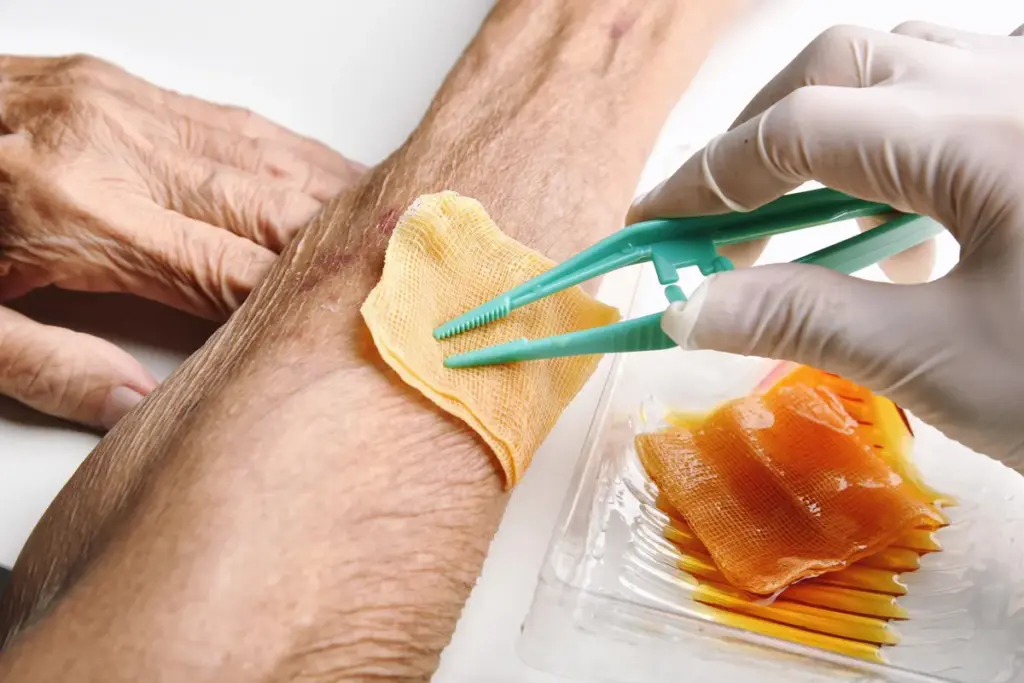
Honey is not just sweet; it’s also acidic. Its pH level, between 3.4 and 6.1, acts as a antimicrobial shield. This has made honey a key part of wound care for ages.pH of HoneyCan Honey Regenerate Cells? 5 Proven Natural Foods for Cell Regeneration
Honey’s pH is usually around 3.9. This acidic environment stops bacteria from growing. At Liv Hospital, we use this to help wounds heal faster with manuka honey dressings.
Key Takeaways
- Honey’s pH level ranges from 3.4 to 6.1, depending on floral sources and environmental conditions.
- The average pH of honey is 3.9, creating an acidic environment that inhibits bacterial growth.
- Honey’s antimicrobial properties make it effective in accelerating wound healing and reducing infection risk.
- Manuka honey dressings are specially good at using honey’s healing powers.
- Liv Hospital uses honey’s healing benefits in its cutting-edge healthcare solutions.
The pH of Honey: Understanding Its Acidity

Knowing the pH level of honey is key to understanding its antimicrobial effects. Honey’s acidity is vital for its preservation and healing abilities. We’ll look at honey’s typical pH range, how it varies, and if it’s acidic or basic.
Typical pH Range and Variations
Honey’s pH usually falls between 3.2 and 4.5, making it acidic. This acidity comes from organic acids present in it. The pH can change based on the honey’s floral source and environment.
For example, honey from certain flowers might be more acidic than others.
| Floral Source | Typical pH Range |
| Clover Honey | 3.3 – 4.0 |
| Manuka Honey | 3.2 – 4.2 |
| Wildflower Honey | 3.5 – 4.5 |
Is Honey Acidic or Basic?
Honey is acidic. Its low pH comes from organic acids like gluconic acid and citric acid. This acidity stops many microorganisms from growing, helping preserve honey.
Honey’s acidity also aids in wound healing. It creates an acidic environment that promotes healing and prevents infection. We’ll explore this more in later sections.
Composition of Honey: The Source of Its Acidity
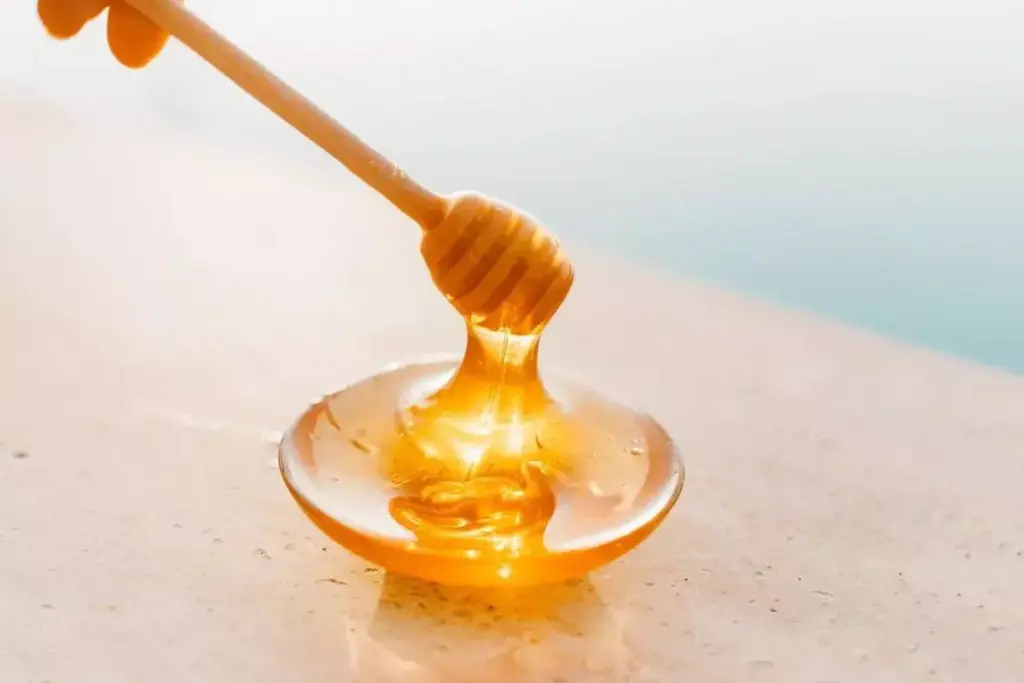
Honey’s acidity comes from its complex mix of compounds. It’s not just sugar; it’s a blend of organic acids, amino acids, and more.
We’ll look at what makes honey acidic. We’ll focus on organic acids and amino acids, key to its healing powers.
Organic Acids in Honey
Honey has many organic acids, with gluconic acid being the main one. It’s made when honey matures, turning glucose into gluconic acid.
Gluconic acid makes honey acidic and fights off bacteria and fungi. Other acids like citric and malic also add to its acidity.
| Organic Acid | Concentration Range (%) | Significance |
| Gluconic Acid | 0.17 – 1.36 | Primary contributor to antibacterial activity |
| Citric Acid | 0.02 – 0.36 | Contributes to overall acidity |
| Malic Acid | 0.06 – 0.18 | Adds to the acidic environment |
Amino Acid Content and Its Significance
Amino acids are a smaller part of honey but important. Honey has many amino acids, with proline being the most common. The types and amounts vary by the honey’s source and where it’s made.
Amino acids in honey boost its nutritional value and help fight off germs. Some amino acids can bind to metals, helping stop some germs from growing. For more on honey’s nutrition compared to sugar, check out this resource.
In short, honey’s mix of organic acids and amino acids is key to its acidity and healing powers. This unique mix makes honey great for wound care and other health uses.
How Honey Heals Surface Wounds Through Its pH Properties
We look into how honey’s pH helps it heal wounds. Honey’s low pH stops bacteria from growing, making it great for wound care. This is key for treating surface wounds.
Creating an Inhospitable Environment for Bacteria
Honey’s acidity, with a pH of 3.2 to 4.5, is key to its fight against bacteria. This acidic setting is not good for most bacteria, stopping infections in wounds. Honey’s acidity messes with bacteria’s proteins, killing them.
Honey’s thick texture also helps by keeping wounds moist and healing-friendly. This mix of acidity and thickness makes honey perfect for covering surface wounds.
Manuka Honey Dressings for Wound Care
Manuka honey is special for its strong antibacterial powers, thanks to methylglyoxal. Manuka honey dressings are used in hospitals for chronic wounds. Like other honeys, manuka’s pH helps fight off bacteria.
Traditional and Modern Uses in Wound Management
Honey has been healing wounds for centuries. Today, medicine backs up its benefits, using honey in wound care products. Honey in dressings mixes old wisdom with new science, giving patients a natural cure.
In summary, honey’s pH is vital for healing surface wounds. It stops bacteria, helping wounds heal. Manuka honey and other honey products are big in both traditional and modern medicine for this reason.
Conclusion
We’ve looked into how honey’s pH helps in healing wounds. Its acidic nature and special makeup make it very effective. Honey’s pH stops bacteria from growing, making it great for wound care.
Studies show honey, like manuka honey, is good for wounds. It fights off bacteria and reduces swelling. Manuka honey is getting more attention in medicine for these reasons.
The pH of honey is key to its healing powers. Knowing this can help us use honey better in medicine. Honey is a strong natural treatment for wounds, thanks to its unique qualities and research support.
FAQ
What is the typical pH range of honey?
Honey’s pH usually falls between 3.2 and 4.5. This makes it an acidic substance.
Is honey acidic or basic?
Honey is acidic. This is because of its organic acids and amino acids. These components lower its pH.
How does the acidity of honey contribute to its wound healing properties?
Honey’s acidity stops bacteria from growing. This makes it a natural fighter against infection. It helps wounds heal.
What role do manuka honey dressings play in wound care?
Manuka honey dressings are used for their antimicrobial powers. They help prevent infection and aid in healing surface wounds.
How does the pH of honey affect bacterial growth?
Honey’s low pH stops bacteria from growing. This makes it hard for bacteria to infect wounds.
What are the traditional and modern uses of honey in wound management?
Honey has been used for its antimicrobial properties for a long time. Modern medicine also uses it. It’s effective in healing wounds and preventing infection.
Can honey be used for all types of wounds?
Honey works well for surface wounds. But, its use for other wounds depends on the wound’s severity and the patient’s health.
How does the composition of honey contribute to its acidity?
Honey’s acidity comes from its organic acids and amino acids. These make it a strong natural antimicrobial agent.
REFERENCES:
National Center for Biotechnology Information. Evidence-Based Medical Guidance. Retrieved from
https://www.ncbi.nlm.nih.gov/pmc/articles/PMC7951475/