The pulmonary blood circuit is key to our health. It helps exchange gases between the lungs and blood. At Liv Hospital, we focus on this important process, giving our patients the best care and advice.
The pulmonary circulation is a vital part of our circulatory system. It moves deoxygenated blood from the right heart to the lungs. There, it picks up oxygen and then goes back to the left heart.
Knowing how the pulmonary blood circuit works is important. It helps us understand how our bodies stay healthy. We aim to give our patients the knowledge and care they need for good heart health.
Key Takeaways
- The pulmonary blood circuit is a vital component of the circulatory system.
- It facilitates the exchange of gases between the lungs and the bloodstream.
- Pulmonary circulation transports deoxygenated blood to the lungs and oxygenated blood back to the heart.
- Understanding pulmonary circulation is essential for maintaining cardiovascular health.
- Liv Hospital provides extensive care and guidance for patients with pulmonary circulation disorders.
The Pulmonary Blood Circuit: An Overview
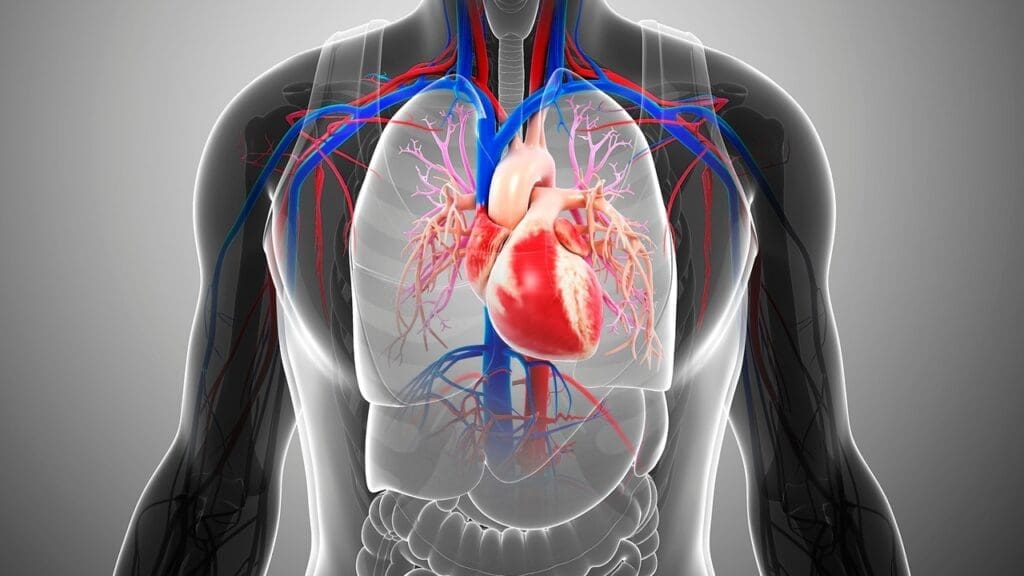
The pulmonary blood circuit is key to the cardiovascular system. It carries deoxygenated blood to the lungs. This is where blood gets oxygen and releases carbon dioxide.
Definition and Basic Structure
The pulmonary blood circuit is the path blood takes from the heart to the lungs and back. It starts with the main pulmonary artery from the right ventricle. This artery splits into smaller ones that cover the lungs.
The pulmonary arteries have two elastic layers, inside and outside. But, the pulmonary veins have only one layer on the outside.
Importance in Overall Circulation
The pulmonary circulation is vital for the body’s circulation. It makes sure deoxygenated blood goes to the lungs for oxygen. Then, oxygen-rich blood returns to the heart to reach the body’s tissues.
Without it, the body’s tissues wouldn’t get the oxygen they need to work right.
| Characteristics | Pulmonary Arteries | Pulmonary Veins |
|---|---|---|
| Elastic Membrane | Both internal and external | Single (outer) |
| Function | Carry deoxygenated blood to lungs | Carry oxygenated blood to heart |
Anatomy of the Pulmonary Circulatory System
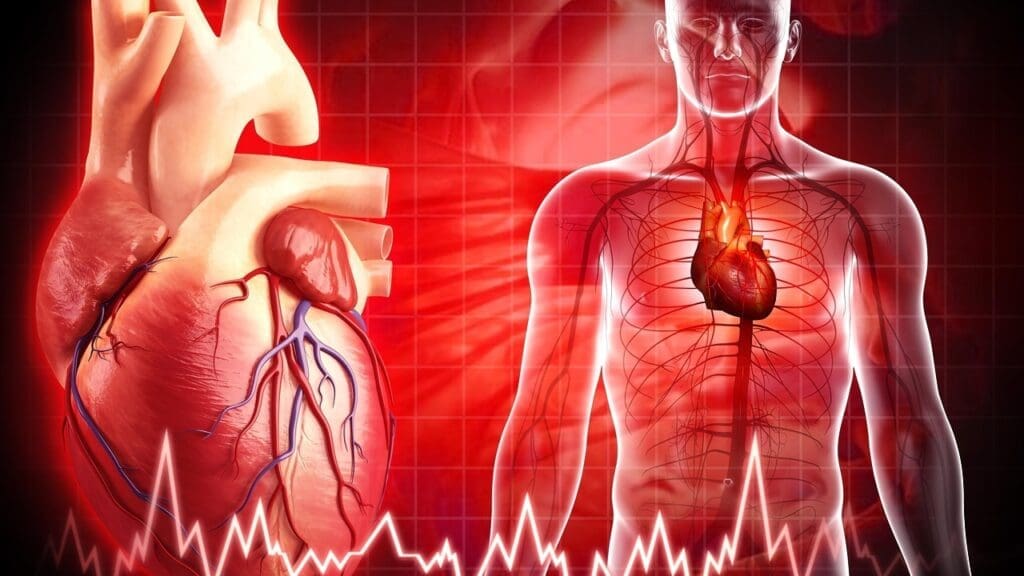
The pulmonary circulatory system is complex, with many parts working together. It’s key for bringing oxygen to the body’s tissues and taking away carbon dioxide.
The Right Side of the Heart
The right side of the heart is vital in the pulmonary circulation. The right ventricle sends blood through the pulmonary valve into the pulmonary artery. This is the start of deoxygenated blood’s trip to the lungs.
Pulmonary Arteries and Arterioles
The pulmonary arteries split into smaller arteries and arterioles, leading to capillaries around the alveoli. The pulmonary arteries carry deoxygenated blood to the lungs. Arterioles control blood pressure and flow.
Pulmonary Capillaries and Veins
In the pulmonary capillaries, gas exchange happens. Oxygen moves into the blood, and carbon dioxide is removed. The oxygen-rich blood then goes into the pulmonary veins, returning to the left atrium. This completes the pulmonary circuit.
The detailed anatomy of the pulmonary circulatory system shows its critical role in keeping the body oxygenated and healthy. Knowing these parts is essential for diagnosing and treating pulmonary circulation disorders.
The Complete Journey Through the Pulmonary Circuit
The pulmonary circuit is key to our circulatory system. It carries deoxygenated blood to the lungs and oxygenated blood back to the heart. We’ll look at the journey through this circuit, focusing on important parts and their roles.
From Right Ventricle to Pulmonary Trunk
The journey starts in the right ventricle. Here, deoxygenated blood is pumped through the pulmonary valve into the pulmonary trunk. This step is vital for blood to reach the lungs for oxygen.
Pulmonary Valve Function
The pulmonary valve is essential for preventing blood from flowing back into the right ventricle. This ensures blood flows efficiently to the lungs. Its proper function is vital for healthy blood circulation, as explained on Visible Body’s circulatory system resource.
Pulmonary Artery Circulation
The pulmonary trunk splits into the right and left pulmonary arteries. These arteries branch into smaller arterioles and capillaries in the lungs. This circulation is critical for delivering deoxygenated blood to the lungs for gas exchange.
| Structure | Function |
|---|---|
| Right Ventricle | Pumps deoxygenated blood to the lungs |
| Pulmonary Valve | Prevents backflow into the right ventricle |
| Pulmonary Arteries | Deliver deoxygenated blood to the lungs |
Return Path via Pulmonary Veins to Left Atrium
After oxygenation in the lungs, the blood returns to the heart through the pulmonary veins. It empties into the left atrium. This completes the pulmonary circuit, as the blood is now ready to be distributed throughout the body.
The Function of Pulmonary Circulation in Gas Exchange
The pulmonary circulation is key in gas exchange. It helps move oxygen and carbon dioxide between the lungs and blood. This balance is vital for delivering oxygen to tissues and removing carbon dioxide.
Oxygen Uptake Mechanisms
Oxygen uptake involves the alveolar-capillary interface and hemoglobin in red blood cells. It’s a complex process.
Alveolar-Capillary Interface
The alveolar-capillary interface is essential for gas exchange. Here, oxygen from air diffuses into blood, and carbon dioxide moves out. Its thinness and large surface area make gas exchange efficient.
Hemoglobin Binding Process
After oxygen reaches the blood, it binds to hemoglobin in red blood cells. This bond is reversible, allowing oxygen to be released to tissues. The binding strength of hemoglobin to oxygen changes based on pH and 2,3-bisphosphoglycerate levels.
Carbon Dioxide Elimination
Carbon dioxide elimination is also critical. CO2 is transported from tissues to lungs in three ways: dissolved in plasma, as bicarbonate, and bound to hemoglobin.
- CO2 is made by tissues through metabolism.
- It travels to lungs via the bloodstream.
- In lungs, CO2 moves from blood to alveoli and is exhaled.
The pulmonary circulation is vital for gas exchange. It allows for oxygen uptake and carbon dioxide elimination. Understanding these processes highlights the importance of healthy pulmonary circulation.
What Is the Purpose of the Pulmonary Circulation?
The pulmonary circulation is vital for our survival. It’s main job is to exchange gases between the lungs and the bloodstream.
Oxygen is key for our bodies to work right. The pulmonary circulation helps get oxygen to our tissues. Let’s explore this further.
Oxygenation of Blood
The pulmonary circulation is key in oxygenating blood. As the blood flows through the pulmonary, it picks up oxygen from the air we breathe. It also releases carbon dioxide, a waste product.
This process keeps our oxygen levels up. The oxygen-rich blood then goes back to the heart. It’s then sent to the rest of our body, giving our tissues and organs the oxygen they need.
Removal of Metabolic Waste Gases
The pulmonary circulation also removes waste gases like carbon dioxide. As blood flows through the pulmonary capillaries, it releases carbon dioxide. This gas is then exhaled out of our body through the lungs.
This is important for keeping our body’s acid-base balance right. It also prevents toxic waste buildup.
| Function | Description |
|---|---|
| Oxygenation | The process of adding oxygen to the blood |
| Removal of Waste Gases | The process of removing carbon dioxide and other waste gases from the blood |
In summary, the pulmonary circulation has two main roles. It oxygenates the blood and removes waste gases. This system is vital for our health and well-being.
Unique Characteristics of the Pulmonary Blood Circuit
The pulmonary blood circuit has special features that make it different from the rest of the body’s blood flow. These traits are key for the pulmonary circuit to work well. They help it do its important job of exchanging gases.
High Compliance of Pulmonary Vessels
The vessels in the pulmonary circuit can stretch a lot. They can handle big changes in blood volume without much pressure change. This is important for the circuit to work right, letting it expand and fill with blood when needed.
High compliance in these vessels also makes it easier for the right ventricle. It doesn’t have to work as hard to push blood through. This is different from the systemic circuit, where the left ventricle needs to work harder.
Low Vascular Resistance Compared to Systemic Circulation
The pulmonary circuit has low vascular resistance. This is very important for its job. Low resistance means blood can flow easily through the lungs, helping with gas exchange.
This low resistance comes from the unique design of the pulmonary vessels. They are thinner and more flexible than other vessels. This lets the pulmonary circuit work at lower pressures, which is vital for gas exchange and preventing fluid buildup in the lungs.
The Role of the Lungs in Circulation
The lungs are key to keeping our body’s circulation going. They do more than just breathe in and out. They also filter and help with metabolism.
Filtering Function
The lungs clean the blood by removing small clots and debris. This is vital to stop problems like pulmonary embolism. Their filtering role is a big part of keeping our heart and blood vessels healthy.
| Filtering Mechanisms | Description |
|---|---|
| Removal of small clots | Prevents pulmonary embolism and other cardiovascular conditions |
| Elimination of debris | Maintains the integrity of the circulatory system |
Metabolic Activities
The lungs also help with metabolism. They turn angiotensin I into angiotensin II, which helps control blood pressure. They also break down some drugs, changing how they work and how safe they are.
These metabolic jobs show how important the lungs are for our health. They help our body work right, not just by breathing. Knowing this helps us see how our lungs keep us going.
Common Disorders Affecting Pulmonary Circulation
The pulmonary circulation can face many disorders that harm our health. These issues can cause serious problems. It’s key to know what they are, their signs, and how to treat them.
Pulmonary Hypertension
Pulmonary hypertension is high blood pressure in the lungs’ arteries. If not treated, it can cause right heart failure. Symptoms include shortness of breath, fatigue, and chest pain.
Treatment depends on the cause. It might include medicine, lifestyle changes, or lung transplant in severe cases.
Pulmonary Embolism
A pulmonary embolism happens when a blood clot blocks a lung artery. It can be very dangerous. Quick medical help is vital if you have sudden shortness of breath, chest pain, or coughing up blood.
Doctors usually use anticoagulant medicines to stop more clots.
Pulmonary Edema and Vascular Abnormalities
Pulmonary edema is fluid in the lungs, often from heart failure or high altitude. Vascular issues, like arteriovenous malformations, can also affect it. Symptoms include trouble breathing and frothy sputum.
Treatment varies based on the cause. It might include diuretics, oxygen, or surgery.
It’s important to understand these disorders for early treatment. Recognizing symptoms and getting medical help fast can greatly improve outcomes and quality of life.
Diagnostic Approaches for Assessing the Pulmonary Cardiovascular System
Diagnosing the health of the pulmonary cardiovascular system is key. We use many methods to check it. This helps us find the right treatment for our patients.
Imaging Techniques
Imaging is essential for spotting heart and lung problems. It gives us clear pictures of these areas. This helps us see any issues.
CT Pulmonary Angiography
CT Pulmonary Angiography shows us the pulmonary arteries in detail. It’s great for finding things like pulmonary embolism. It’s very accurate.
Ventilation-Perfusion Scanning
Ventilation-Perfusion Scanning, or V/Q scan, checks lung airflow and blood flow. It’s useful for finding pulmonary embolism when CT scans can’t be used.
Functional Testing Methods
Functional tests look at how the pulmonary cardiovascular system works. They help us see if it’s working right.
A top doctor says, “Getting the right diagnosis is the first step to treating pulmonary cardiovascular diseases.” We use these methods together to give our patients the best care.
Advanced Treatment Modalities at Liv Hospital
At Liv Hospital, we’re proud to offer top-notch treatments for pulmonary circulation disorders. Our detailed care plans are made just for each patient’s needs.
Evidence-Based Pharmacological Interventions
We use the newest medicines to treat lung problems. Our method focuses on the main causes of these disorders. This helps improve our patients’ health.
Multidisciplinary Approach to Pulmonary Care
Our team includes experts in pulmonology, cardiology, and thoracic surgery. This team effort helps us create detailed treatment plans. These plans meet the complex needs of our patients.
| Specialty | Role in Pulmonary Care |
|---|---|
| Pulmonology | Diagnosis and management of lung diseases |
| Cardiology | Assessment and treatment of heart conditions affecting lung circulation |
| Thoracic Surgery | Surgical interventions for conditions affecting the lungs and thoracic cavity |
Innovative Therapeutic Techniques
At Liv Hospital, we always look for new ways to help our patients. We use the latest treatments, like minimally invasive procedures. This helps us treat pulmonary circulation disorders well.
We’re dedicated to top-notch healthcare at Liv Hospital. Our treatments for pulmonary circulation disorders are world-class. We combine the best medicines, a team effort, and new techniques. This ensures our patients get the best care possible.
Conclusion: The Vital Importance of Healthy Pulmonary Circulation
The pulmonary blood circuit is key to our body’s health. It helps us breathe and keeps our blood flowing right. We’ve looked at how it works and why it’s so important.
Good pulmonary circulation is vital for getting oxygen into our blood. It also helps get rid of harmful gases. At Liv Hospital, we know how important it is to keep it healthy.
Understanding pulmonary circulation helps us take care of our heart and lungs. We offer top-notch healthcare for international patients. Our goal is to ensure everyone gets the best care for their lung health.
What is the pulmonary blood circuit?
The pulmonary blood circuit is key for our health. It carries deoxygenated blood to the lungs. There, it picks up oxygen and returns to the heart.
What is the role of the lungs in circulation?
The lungs do more than just breathe. They filter and break down substances. They also help keep the body balanced.
What is pulmonary circulation?
Pulmonary circulation is the flow of blood between the heart and lungs. It’s where blood gets oxygen and then goes back to the heart.
How does the pulmonary circulation facilitate gas exchange?
It helps exchange gases by moving blood to the lungs. There, oxygen is absorbed and carbon dioxide is removed.
What are the unique characteristics of the pulmonary blood circuit?
The pulmonary circuit is special. Its vessels are very flexible and have low resistance. This helps keep blood flowing well.
What are the common disorders affecting pulmonary circulation?
Disorders like pulmonary hypertension and pulmonary embolism can be serious. They can harm the body if not treated.
How are disorders of the pulmonary circulation diagnosed?
Doctors use CT scans and other tests to find these disorders. They also do functional tests to check how well the lungs work.
What treatment modalities are available for patients with pulmonary circulation disorders?
Liv Hospital offers many treatments. We use medicines and new techniques to help our patients. Our team works together to care for them.
Why is healthy pulmonary circulation important?
It’s vital for our health. It makes sure our blood is full of oxygen and removes waste. Without it, we can get very sick.
What is the purpose of the pulmonary circulation?
It’s main job is to oxygenate blood and get rid of waste. This keeps our body balanced and healthy.
References
- Kenhub (Pulmonary Circulation) : https://www.kenhub.com/en/library/anatomy/pulmonary-circulation
- Wikipedia (Pulmonary circulation) : https://en.wikipedia.org/wiki/Pulmonary_circulation
- Visible Body (Pulmonary and Systemic Circulation) : https://www.visiblebody.com/learn/circulatory/circulatory-pulmonary-systemic-circulation
- SEER Training (Blood Pathways) : http://training.seer.cancer.gov/anatomy/cardiovascular/blood/pathways.html
- NHLBI (How Blood Flows Through the Heart) : https://www.nhlbi.nih.gov/health/heart/blood-flow



 Departments
 Related Videos
 Our Doctors
 News
News