
When pinched nerve pain doesn’t go away with simple treatments, surgery might be needed. At Liv Hospital, we know how much this pain can affect your life.
Knowing about the recovery process is key for those thinking about back surgery for pinched nerve. The time it takes to get better can change based on the surgery’s complexity and your health.
We’re here to help you through every step of your recovery. We use the latest surgical methods and offer full care.
Key Takeaways
- Back surgery for a pinched nerve is considered when conservative treatments are ineffective.
- Understanding the recovery time is key for managing expectations.
- Liv Hospital provides patient-centered care and advanced surgical techniques.
- Recovery time varies based on individual health and surgery complexity.
- Comprehensive support is available throughout the recovery journey.
Understanding Pinched Nerves in the Spine
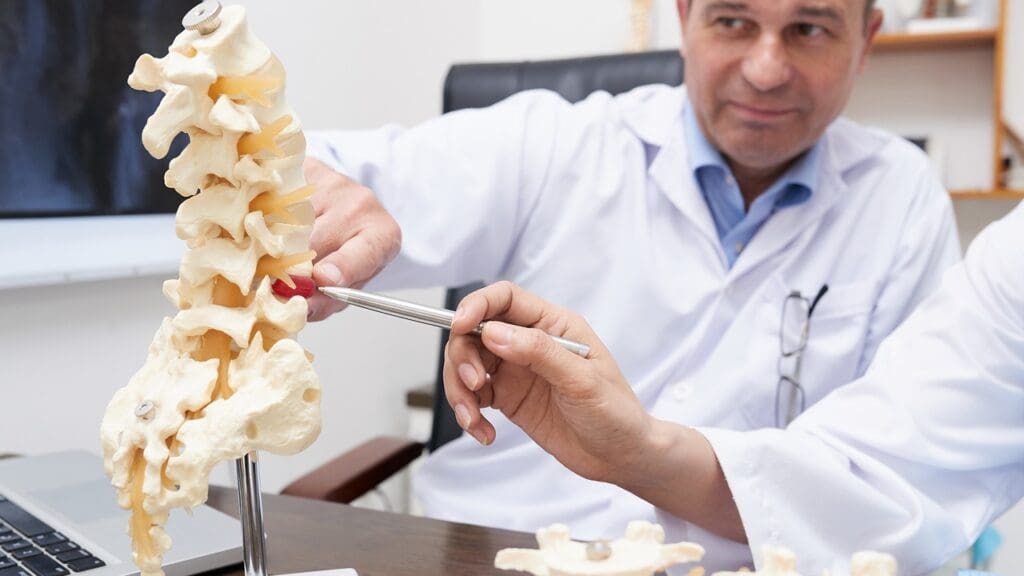
It’s important to know what causes and symptoms of pinched nerves are. A pinched nerve happens when a nerve gets compressed or pressed. This can lead to pain and other issues. We’ll look at the common causes, symptoms, and how doctors diagnose pinched nerves in the spine.
Common Causes of Nerve Compression
Nerve compression can come from many things. Herniated discs and spinal stenosis are common causes. Other reasons include degenerative changes, injuries, or tumors. Doctors say herniated discs are the main reason for nerve compression.
Symptoms of a Pinched Nerve
The symptoms of a pinched nerve can differ based on where and how much the nerve is compressed. You might feel pain, numbness, tingling, and weakness in the affected area. Sometimes, the pain can spread along the nerve path.
Diagnosing Nerve Compression
To diagnose nerve compression, doctors use physical exams, medical history, and imaging studies.
When Back Surgery for Pinched Nerve Is Necessary

When treatments like physical therapy and medicine don’t work, surgery might be needed. We’re here to help you understand this choice.
Failed Conservative Treatments
Conservative treatments like physical therapy and medicine are often first. But if they don’t help, surgery might be next. Failed conservative treatments mean pain, numbness, or weakness that won’t go away.
Severe or Progressive Symptoms
If your symptoms get worse or are very bad, surgery might be needed. This includes pain, numbness, or weakness that makes it hard to move or live well. Our team will check how bad your condition is to decide what to do.
Neurological Deficits
Neurological deficits like muscle weakness or losing control of bladder or bowel mean you need surgery fast. These signs show the nerve damage is serious and needs quick help.
Emergency Situations
Very rarely, a pinched nerve can cause emergencies like cauda equina syndrome. This needs surgery right away. If you have sudden or severe symptoms, get medical help fast.
Understanding when surgery is needed helps us find the right treatment for you. We aim to ease your pain and improve your life.
Types of Pinched Nerve Spine Surgery
For those with pinched nerves, several surgeries are available. Each has its own benefits and things to consider. We’ll look at the most common types of surgery for pinched nerves. This will help you understand your treatment options.
Discectomy Procedures
A discectomy removes a herniated disc or part of it that’s pressing on a nerve. It’s often done to ease pain and numbness from nerve compression. “Discectomy is a highly effective procedure for treating pinched nerves caused by herniated discs,” say spine specialists.
Laminectomy and Decompression
Laminectomy, or decompression surgery, removes part or all of the vertebrae (lamina) to give nerves more space. It’s used to treat spinal stenosis. We often suggest laminectomy for severe nerve compression.
Spinal Fusion Techniques
Spinal fusion joins two or more vertebrae together using bone grafts, rods, or screws. It stabilizes the spine and can be used with other decompression techniques. Spinal fusion is often recommended for spinal instability or deformity.
Minimally Invasive Options
Minimally invasive spine surgery, like microdiscectomy or endoscopic discectomy, uses smaller incisions and less tissue damage. These procedures usually lead to faster recovery and less pain after surgery. “Minimally invasive procedures are revolutionizing the treatment of pinched nerves,” says recent medical research.
In conclusion, the right surgery for pinched nerves depends on many factors. These include the nerve compression’s location and severity, spinal health, and individual needs. We work closely with our patients to find the best surgical approach for their condition.
Pinched Nerve in Lower Back Surgery: Specific Approaches
There are several surgical options for pinched nerves in the lower back. These include lumbar microdiscectomy, lumbar foraminotomy, and lumbar fusion. Each method is tailored to address the root cause of nerve compression. This helps to reduce pain and discomfort.
Lumbar Microdiscectomy
Lumbar microdiscectomy is a minimally invasive surgery. It’s used to treat pinched nerves from herniated discs in the lower back. The procedure removes the part of the disc pressing on the nerve. This relieves pain and discomfort.
Lumbar Foraminotomy
Lumbar foraminotomy is a surgery that widens the foramina. These are the openings where nerves exit the spinal canal. By making these openings larger, pressure on the nerves is reduced. This provides relief from symptoms of pinched nerves.
Lumbar Fusion Procedures
Lumbar fusion is a technique to stabilize the spine. It fuses two or more vertebrae together. This is recommended for severe disc degeneration, spondylolisthesis, or other instability and nerve compression issues.
These surgical methods offer effective solutions for pinched nerves in the lower back. By identifying the cause of nerve compression and choosing the right surgery, we can significantly reduce pain. This improves the patient’s quality of life.
Surgery for Pinched Nerve in the Neck
For those with a pinched nerve in the neck, surgery can help. It offers different ways to fix the problem. If other treatments don’t work, surgery can ease symptoms and improve function.
Anterior Cervical Discectomy and Fusion (ACDF)
ACDF is a common surgery for neck pinched nerves. It removes the bad disc and fuses the vertebrae. This makes the spine stable and can greatly reduce symptoms.
Posterior Cervical Foraminotomy
This surgery makes a small hole in the vertebrae to ease nerve pressure. It’s less invasive than ACDF. It works well for certain types of nerve compression.
Cervical Artificial Disc Replacement
This option replaces the damaged disc with an artificial one. It keeps the spine mobile. It’s good for some patients and keeps more natural movement.
Each surgery has its benefits and fits different needs. Our medical team will choose the best surgery for you.
Recovery Time for Pinched Nerve Surgery: What to Expect
After pinched nerve surgery, patients often wonder about their recovery. The recovery time for pinched nerve surgery varies. It depends on the surgery type, patient health, and following post-op instructions.
Immediate Post-Operative Period (1-2 Weeks)
The first 1-2 weeks after surgery are key for a good recovery. Patients might feel pain, swelling, and bruising. It’s important to manage pain as told by your doctor and keep the area clean and dry to avoid infection.
Short-Term Recovery (2-6 Weeks)
In the short-term recovery, symptoms often get better. For those with minimally invasive procedures, recovery is usually 4 to 6 weeks. Start with gentle exercises and slowly increase activity levels.
Long-Term Recovery (3-12 Months)
The long-term recovery can last from 3 to 12 months. This is when the body fully heals and gets stronger. For more complex surgeries like spinal fusion, this time is critical. Patience and sticking to the rehabilitation plan, including physical therapy, are key for the best results.
Factors Affecting Recovery Timeline
Several things can change the recovery timeline for pinched nerve surgery. These include age, health, surgery complexity, and following instructions. Knowing these factors helps manage expectations and smooth out the recovery process.
The Pinched Nerve Surgery Recovery Process
Knowing what to expect after pinched nerve surgery is key. The recovery is complex, with many parts working together. This ensures the best results for patients.
Hospital Stay Duration
The time spent in the hospital after surgery varies. It depends on the surgery’s complexity and the patient’s health. Usually, those with minimally invasive surgeries go home the same day or after a short stay.
Pain Management Protocols
Managing pain is very important during recovery. We use a mix of medicines and therapies to reduce pain. This helps patients recover more smoothly.
Activity Restrictions
After surgery, some activities are off-limits to aid healing. We give each patient specific advice. This helps them slowly get back to their usual routines.
Physical Therapy and Rehabilitation
Physical therapy is essential for recovery. It helps regain strength, flexibility, and function. We create a rehabilitation plan that meets each patient’s needs and goals.
Understanding these recovery steps helps patients prepare for a successful surgery outcome.
Recovery Timeline by Procedure Type
The time it takes to recover from pinched nerve surgery changes a lot based on the procedure. Knowing these differences helps patients set realistic goals for their recovery.
Minimally Invasive Procedures
Procedures like microdiscectomy or endoscopic discectomy have shorter recovery times. They range from 4 to 6 weeks. These methods use smaller cuts and cause less damage, so patients can get back to normal faster.
We see patients start with light activities a few days after surgery. Then, they slowly increase their activity over the next weeks.
Open Decompression Surgery
Open decompression surgery, like laminectomy, takes longer to recover from. It can take 6 to 12 weeks. This is because it involves bigger cuts and more damage to tissues.
Patients need more time to heal and might need physical therapy to get strong and mobile again. For more details, check out our guide on nerve compression recovery.
Spinal Fusion Recovery
Spinal fusion surgery, which joins vertebrae together, has the longest recovery time. It can take 3 to 12 months. This is because the bone needs time to heal and fuse.
We keep a close eye on patients during this time. We make sure they heal properly and address any issues quickly.
Understanding the recovery time for your specific surgery helps prepare you for what comes next. It lets you work closely with your healthcare team to get the best results.
Success Rates and Outcomes of Back Surgery for Pinched Nerve
It’s important to know how well back surgery works for pinched nerves. Many people find a lot of relief after the surgery.
Short-Term Relief Statistics
Most patients feel better right away after surgery. Short-term success rates often exceed 90%. They say they can move easier and feel less pain.
Long-Term Outcomes
Most people keep feeling better over time. The success of surgery depends on many things. This includes how well the doctor diagnoses and operates.
Factors Affecting Surgical Success
Several things can affect how well surgery works. These include the patient’s health, how bad the nerve compression is, and following the doctor’s advice after surgery.
When Additional Interventions May Be Needed
Sometimes, more help is needed to get the best results. This could be more surgery, physical therapy, or other treatments. They are chosen based on what the patient needs.
Optimizing Your Recovery After Pinched Nerve Surgery
Recovering well after pinched nerve surgery is more than just following doctor’s advice. It’s also about making smart lifestyle choices. We know that how you recover can be just as key as the surgery itself for the best results.
Nutrition and Hydration
Eating a balanced diet full of nutrients is key for healing. Make sure to eat lots of protein, vitamins, and minerals. Drinking enough water is also important for fixing tissues and keeping you healthy. Drink water all day long.
Sleep and Rest Strategies
Resting well is essential for getting better. Try to sleep at the same time every day and make your sleep area comfy. Stay away from hard work and heavy lifting early on to avoid problems.
Gradual Return to Activities
Going back to normal activities slowly is important for a good recovery. We suggest sticking to a plan that includes physical therapy to build strength and flexibility. This way, you can avoid hurting yourself again and smoothly get back to your daily life.
Long-term Spine Health Maintenance
Keeping your spine healthy long-term means regular exercise, good posture, and a healthy lifestyle. We recommend doing exercises that make your back muscles stronger and improve your flexibility. This helps keep your spine in good shape.
Conclusion
We’ve looked into back surgery for pinched nerves and the recovery times. The recovery time can change a lot based on the surgery type and the person’s health.
For example, some surgeries like lumbar microdiscectomy might only take 4-6 weeks to recover. But, more complex surgeries like spinal fusion could take 3-12 months. Knowing these differences helps manage expectations and improve recovery.
The success of the surgery also depends on several factors. These include how bad the nerve issue was, if there were any nerve problems, and the patient’s health. These all play a part in how well the surgery works.
Following the doctor’s instructions and going to follow-up visits is key. It can greatly help the surgery’s success. We stress the need for personalized care and follow-up for the best results in back surgery for pinched nerves or trapped nerves in the neck.
What is the typical recovery time for back surgery for a pinched nerve?
The recovery time for back surgery for a pinched nerve varies. It depends on the surgery type and individual factors. Generally, it ranges from a few weeks to several months.
How long does it take to recover from pinched nerve surgery in the lower back?
Recovery from lower back pinched nerve surgery takes 4-12 weeks. This depends on the surgery and individual factors.
What are the common surgical techniques used to treat pinched nerves?
Common treatments include discectomy, laminectomy, spinal fusion, and minimally invasive options. Each has its own benefits and uses.
How long does it take to recover from a lumbar microdiscectomy?
Recovery from a lumbar microdiscectomy takes 2-6 weeks. Most patients see big improvements in symptoms within a few weeks.
What is the recovery process like after pinched nerve surgery?
After surgery, you’ll likely stay in the hospital. You’ll need pain management, activity limits, and physical therapy. This helps you fully recover.
How long does it take to recover from spinal fusion surgery for a pinched nerve?
Spinal fusion surgery recovery takes 3-12 months. The bone needs time to heal and fuse.
What are the success rates for back surgery for pinched nerves?
Success rates vary. They depend on the surgery and individual factors. Generally, they range from 70-90% for short-term relief.
How can I optimize my recovery after pinched nerve surgery?
To recover well, eat healthy, stay hydrated, and sleep enough. Gradually return to activities. Also, keep your spine healthy long-term.
What are the risks and complications associated with pinched nerve surgery?
Surgery carries risks like infection, bleeding, and nerve damage. These are rare but possible.
Can I undergo surgery for a pinched nerve in the neck?
Yes, neck surgery is an option. Procedures like ACDF, posterior cervical foraminotomy, and cervical artificial disc replacement are available.
How long does it take to recover from ACDF surgery?
ACDF surgery recovery takes 4-12 weeks. Most patients see big improvements in symptoms within a few weeks.
What is the role of physical therapy in recovering from pinched nerve surgery?
Physical therapy is key in recovery. It helps regain strength, flexibility, and range of motion. It’s essential for full recovery.