The use of human embryos in stem cell research has sparked intense debate. It raises questions about the ethics and morality of scientific inquiry.
The stem cell controversy revolves around the use of embryonic stem cells in research. Some argue it could revolutionize medicine. Others see it as morally wrong.
As scientists explore stem cell research, understanding the controversy becomes more important.
Key Takeaways
- The stem cell controversy centers on the use of human embryos in research.
- Ethical concerns surround the scientific breakthroughs it could bring.
- The debate involves complex moral and scientific considerations.
- Understanding the controversy is key for informed discussion.
- The implications of stem cell research are far-reaching.
Understanding Stem Cells: The Basics
stem cells definition biology
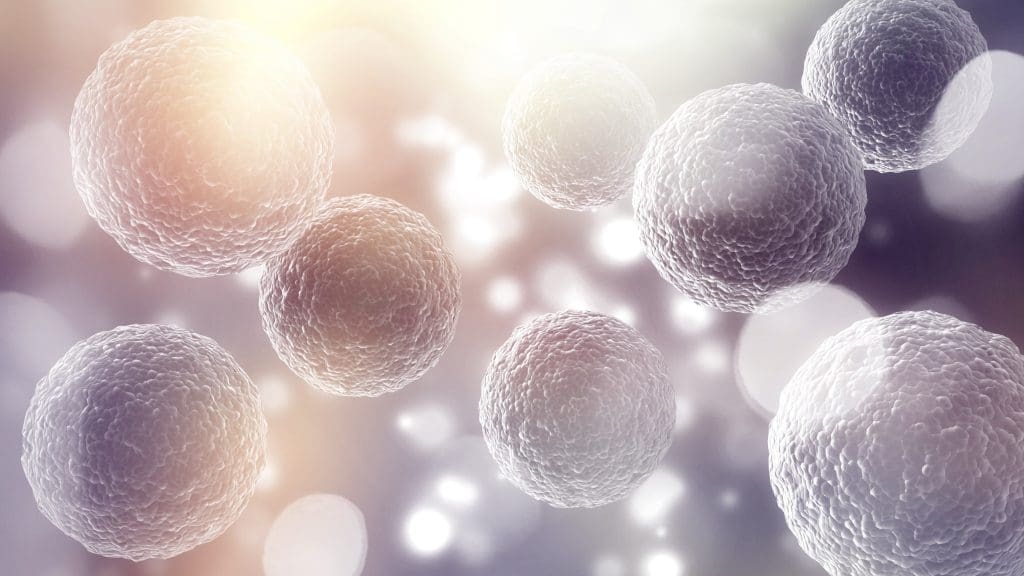
Stem cells can grow and change into many types of cells in our body. This makes them very promising for new medical treatments. They are special cells that can become different cell types.
Definition and Properties of Stem Cells
Stem cells can turn into many cell types, a trait called pluripotency. They can also keep their numbers by self-renewing. These abilities make them important for studying development and disease, and for new treatments.
Why Stem Cells Are Valuable to Science and Medicine
Stem cells can fix or replace damaged tissues. This opens up new ways to treat diseases and injuries. Stem cell research is key to using these cells for therapeutic applications. It could lead to big advances in regenerative medicine.
Different Types of Stem Cells
There are many types of stem cells, like embryonic stem cells from embryos and adult stem cells in adult tissues. Each type has its own uses in research and medicine. Knowing about these differences is important for improving stem cell research and its uses.
The study of stem cells is growing fast. It has big hopes for medical advancements. As research goes on, stem cells might help solve many medical problems.
The Origins of the Stem Cell Research Controversy
The stem cell research controversy started with the first use of embryonic stem cells. This led to many ethical concerns. The journey of stem cell research is filled with science, ethics, politics, and social debates.
Historical Development of Stem Cell Research
Stem cell research began in the late 20th century, and in 1998, human embryonic stem cells were successfully derived for the first time. This breakthrough was a big step for regenerative medicine and understanding human development.
Key Milestones That Sparked Debate
Several key moments have fueled the stem cell research debate. The use of human embryos for stem cells was a major point. It raised questions about the value of embryos.
Initial Public and Political Reactions
People had different views on stem cell research at first. Some saw it as a chance for new treatments and supported it. Others worried about the ethics, like using embryos. Politicians had to deal with these complex issues, leading to different rules in various places.
| Year | Event | Impact |
| 1998 | Derivation of human embryonic stem cells | Opened up new possibilities for regenerative medicine |
| 2001 | U.S. President George W. Bush restricts federal funding for embryonic stem cell research | Limiting research to existing stem cell lines |
| 2009 | U.S. President Barack Obama lifts some restrictions on federal funding | Expanding the number of eligible stem cell lines |
The stem cell research controversy is linked to its history, ethics, and medical promise. Knowing where it started helps us understand the ongoing debates and the future of stem cell research.
Embryonic Stem Cells: The Center of Controversy
embryonic stem cells controversy
The use of embryonic stem cells in research has sparked intense ethical debate. These cells come from human embryos, usually a few days old. They were created through in vitro fertilization (IVF) but are no longer needed.
How Embryonic Stem Cells Are Obtained
Embryonic stem cells are taken from the inner cell mass of a blastocyst, an early-stage embryo. The process involves destroying the embryo, a major point of contention. The embryos used are often spare ones from IVF treatments.
Key Steps in Obtaining Embryonic Stem Cells:
- Donation of spare embryos from IVF treatments
- Isolation of the inner cell mass from the blastocyst
- Culturing the isolated cells to create embryonic stem cell lines
The Unique Properties of Embryonic Stem Cells
Embryonic stem cells can turn into any cell type in the body. This makes them very valuable for medical research and possible treatments. They are different from adult stem cells because of their ability to differentiate.
The Moral Status of Embryos in Scientific Discourse
The debate over embryonic stem cell research centers on the moral status of embryos. Some believe embryos have the chance to become human beings and should be respected as such. Others argue that early-stage embryos lack consciousness and the ability to feel pain, so they shouldn’t have the same moral status.
“The question of whether human embryos have moral status is complex and depends on various philosophical, ethical, and religious perspectives.”
A comparison of different perspectives on the moral status of embryos is presented in the following table:
| Perspective | Moral Status of Embryos |
| Conservative | Embryos are considered to have full moral status from conception. |
| Liberal | Embryos are considered to have limited or no moral status in early stages. |
| Utilitarian | The moral status is determined based on the benefits of research. |
The debate over embryonic stem cells shows the need for a detailed understanding of the ethical, scientific, and social implications of this research.
Adult Stem Cells and Alternative Sources
adult stem cells
Adult stem cells are getting a lot of attention in research. They are found in adult tissues and can turn into different cell types. But, they can’t change into as many types as embryonic stem cells.
Properties and Limitations of Adult Stem Cells
Adult stem cells help fix and grow tissues. They can come from bone marrow, fat, and blood. The big plus is they can be taken from the person themselves, lowering the chance of rejection. But, they can’t change into as many types as embryonic stem cells. They also don’t grow as much.
Cord Blood and Placental Stem Cells
Cord blood and placental stem cells are other options. They come from the umbilical cord and placenta after birth. They are full of stem cells for blood and are good for treating some blood diseases. Placental stem cells also help with healing because they can calm the immune system.
Comparing Effectiveness with Embryonic Stem Cells
Adult stem cells and their sources have their own strengths and weaknesses compared to embryonic stem cells. Here’s a quick look at the main differences:
| Characteristics | Embryonic Stem Cells | Adult Stem Cells | Cord Blood/Placental Stem Cells |
| Differentiation Ability | High | Moderate | Moderate to High |
| Source | Embryos | Adult Tissues | Umbilical Cord and Placenta |
| Ethical Concerns | High | Low | Low |
| Therapeutic Uses | Wide Range | Fixing Tissues | Helping Blood and Immune System |
This comparison shows that while embryonic stem cells can change into many types, adult stem cells and others have big pluses. They are better for some treatments and are more ethical.
Induced Pluripotent Stem Cells: A Possible Solution?
induced pluripotent stem cells
Induced pluripotent stem cells (iPSCs) are a big step forward in using stem cells for medicine. They turn adult cells into a type that can grow into many cell types. This could solve the ethical problems linked to using cells from embryos.
Discovery and Development of iPSCs
In 2006, Shinya Yamanaka and his team found iPSCs. They showed that adult cells can become like embryonic cells by adding certain genes. This breakthrough changed stem cell research.
Key Characteristics of iPSCs include their ability to grow and change into different cell types. This makes them very useful for fixing damaged tissues and organs.
Advantages Over Embryonic Stem Cells
iPSCs have big advantages over embryonic stem cells. They don’t raise the same ethical issues because they come from adult cells. Also, they can be made from a patient’s own cells, which lowers the chance of their body rejecting them.
| Feature | iPSCs | Embryonic Stem Cells |
| Source | Adult cells reprogrammed | Derived from embryos |
| Ethical Concerns | Minimal | Significant |
| Immune Rejection Risk | Low (patient-specific) | High |
Remaining Challenges and Limitations
Even with their promise, iPSCs have hurdles to overcome. There’s a risk of tumors from the reprogramming process. Also, making them grow into specific cell types is tricky. Scientists are working hard to solve these problems and unlock the full power of iPSCs.
The Stem Cell Research Controversy: Ethical Dimensions
ethical implications of stem cell research
The debate over stem cell research touches on many ethical issues. It involves moral, social, and scientific aspects. People argue about using stem cells for research and treatments.
The Beginning of Human Life Perspective
One big concern is when human life starts. This is key in the debate on using embryos for stem cell research. Some say embryos aren’t fully human yet. Others believe life starts at conception, making destroying embryos wrong.
Utilitarian Arguments for Research
Others see stem cell research as a way to cure diseases and improve health. They think the benefits of research are worth the costs. Studies have shown stem cells can help treat many conditions.
Questions of Consent and Exploitation
There are also concerns about consent and exploitation. Questions arise about whether donors truly understand what they’re giving up. It’s important to ensure stem cells are sourced ethically and donors are treated fairly.
The Slippery Slope Concern
Some worry that stem cell research could lead to unethical practices like human cloning. They fear that starting with one ethical issue could lead to more. Strict rules are needed to stop this.
In summary, the ethics of stem cell research are complex. We must weigh the benefits against the ethical concerns. This balance is key to advancing medicine while respecting human values.
Religious Perspectives on Stem Cell Research
Religious views on stem cell research are quite different. This shows the wide range of beliefs and values in various faiths. The ethics of stem cell research have led to many debates in religious circles.
Catholic and Conservative Christian Views
The Catholic Church and some conservative Christian groups strongly oppose embryonic stem cell research. They worry about the harm to human embryos. They believe life starts at conception and that embryos are sacred. The Vatican has been a strong advocate for this viewpoint, shaping Catholic beliefs globally.
Jewish, Islamic, and Hindu Perspectives
Jewish, Islamic, and Hindu views on stem cell research are more complex. Jewish leaders often support it for its healing possibilities. They see it as a religious duty to seek medical knowledge. Islamic scholars have mixed opinions, but many allow it if it helps humanity. Hinduism, focusing on kindness and non-violence, generally supports research that could lead to medical advances.
Diversity of Opinion Within Religious Communities
It’s also important to note that opinions vary within religious groups. Not every Catholic, for example, agrees with the Church’s stance on embryonic stem cell research. Some Catholic thinkers and followers support it under specific conditions. This diversity shows the complex relationship between faith and ethics.
The different religious views on stem cell research underscore the need for ongoing discussion and ethical thinking. Grasping these various perspectives can guide public policies and personal choices.
Scientific Community Stance and Internal Debates
The scientific community has mixed views on stem cell research. Some see great promise, while others worry about ethics and safety. This debate is ongoing.
Consensus Views Among Researchers
Many researchers believe stem cells could change medicine. They think stem cells could lead to new treatments for diseases like Parkinson’s and diabetes.
| Research Area | Potential Applications | Current Status |
| Regenerative Medicine | Tissue repair and replacement | Ongoing clinical trials |
| Cancer Treatment | Targeted therapies | Preclinical studies |
| Neurological Disorders | Neuron regeneration | Early-stage research |
Scientific Arguments For Continued Research
Supporters say stem cell research is worth the investment. They highlight the field’s fast progress. For example, induced pluripotent stem cells (iPSCs) might be safer than embryonic stem cells.
Scientific Concerns and Cautions
Some scientists urge caution. They worry about the safety of new treatments. Issues like uncontrolled cell growth and tumor risk need careful thought.
The debate shows the need for a balanced view. We must consider both the benefits and risks of stem cell research.
Legal and Regulatory Frameworks in the United States
The laws on stem cell research in the U.S. vary a lot. This is because of different federal rules and state laws. These differences show the ongoing debates and ethical issues in stem cell research.
Federal Policies and Their Evolution
Over time, federal policies on stem cell research have changed a lot. At first, using federal money for embryonic stem cell research was limited. The Dickey-Wicker Amendment, passed in 1995, stopped federal funding for research on human embryos. But in 2009, the Obama administration relaxed some of these rules, allowing more funding for human stem cell research. This change was made even clearer by laws and executive orders later on.
State-Level Variations in Regulation
Even with federal rules, states have their own laws on stem cell research. Some places like California and New York have laws that help more, giving extra money and support. But other states have stricter rules or even bans on some stem cell research. This makes it hard for researchers, who have to follow different laws based on where they are.
Comparison with International Regulations
The U.S. rules on stem cell research are different from those in other countries. For example, some European countries and Australia have strict federal laws on stem cell research. The U.S., on the other hand, has a mix of federal and state laws. Knowing these international comparisons is important for researchers and lawmakers. It shows how different countries deal with the ethics and science of stem cell research.
The Politics of Stem Cell Research
The politics of stem cell research are filled with debate and disagreement. Different political views on ethics and regulation have been a big issue. Each party has its own stance on this topic.
Partisan Divides on the Issue
There’s a clear divide in how different administrations handle stem cell research. Democrats tend to support more funding and less strict rules. On the other hand, Republicans push for stricter controls, worried about ethics.
“The President’s decision on stem cell research is not just a scientific issue, it’s a moral and ethical one,” said a well-known bioethicist. This shows how politics and science are closely linked.
Presidential Policies from Clinton to Biden
Presidents have greatly shaped stem cell research. For example, President George W. Bush limited federal funding for it. But, President Barack Obama later changed that. President Biden also supports stem cell research, seeing its medical benefits.
The Role of Advocacy Groups and Lobbying
Advocacy groups are key in shaping stem cell research politics. They represent patients, scientists, and ethical concerns. Their efforts shape public opinion and laws.
The mix of politics, ethics, and science in stem cell research calls for careful policy-making. As the field grows, politics and advocacy will keep shaping its future.
Funding Battles: Public and Private Support
Public and private funding have shaped stem cell research. The amount of funding affects how fast and in what direction research moves.
Federal Funding Restrictions and Changes
Federal funding for stem cell research has seen many changes. The Dickey-Wicker Amendment has banned federal money for research on human embryos. Changes in government have also changed funding rules, impacting research.
Private and State-Level Funding Initiatives
Private and state funding have become crucial due to federal restrictions, with significant contributions also coming from private groups and foundations.
Impact on Research Progress and Outcomes
| Funding Source | Impact on Research |
| Federal Funding | Provides stability but is subject to political fluctuations |
| Private Funding | Offers flexibility and can fill gaps in federal support |
| State-Level Funding | Can be targeted to specific research areas and initiatives |
Different funding sources have greatly influenced stem cell research. Knowing how these funds work together is key for those involved.
Therapeutic Applications and Medical Breakthroughs
Stem cells are leading to big medical wins. They’re helping create new treatments and therapies. Many are already approved, and more are being tested.
Current Approved Treatments Using Stem Cells
Several stem cell treatments are now used in medicine. These include:
- Hematopoietic stem cell transplantation for blood-related disorders, such as leukemia.
- Skin grafts for burn victims and patients with severe skin conditions.
- Corneal regeneration to restore vision in patients with corneal damage.
Promising Research Areas and Clinical Trials
Research is moving fast in many areas. Clinical trials are showing great promise. Some key areas include:
- Regenerative medicine for heart disease, where stem cells repair damaged heart tissue.
- Treatment of neurological disorders such as Parkinson’s disease and spinal cord injuries.
- Cancer therapy, where stem cells might target and destroy cancer cells.
Patient Stories and Real-World Impacts
Stem cell therapies are changing lives. Here’s what some patients say:
“After receiving a hematopoietic stem cell transplant, I was able to overcome leukemia and regain my health.” –
Patient testimony
These stories show how stem cell research can change lives. It offers hope to those with tough conditions.
Public Opinion and Media Portrayal
Public views on stem cell research have changed over time. This change is due to many factors, including how the media reports on it. The media’s coverage greatly affects what people think and understand about stem cell research.
Shifting Attitudes Over Time
Public feelings about stem cell research have changed a lot. At first, many were worried about using embryonic stem cells because of ethical concerns. But as research showed more benefits, more people started to support it.
A 2019 survey indicated that 60% of Americans support stem cell research, while 28% oppose it, a significant shift compared to the early 2000s, when opposition was higher.
Media Coverage and Its Influence
The media has a big role in how people see stem cell research. The way stories are told and the words used can change how people view the issue.
“The media’s role in shaping public discourse around stem cell research cannot be overstated. By highlighting the benefits and ethical concerns, media coverage informs and shapes public opinion.”
– Stem Cell Researcher
A study in the Journal of Health Communication found that how the media frames stem cell research matters. Calling it a “moral issue” or a “scientific breakthrough” can change how people feel about it.
The Role of Celebrity Advocates
Celebrities have also helped change public opinion on stem cell research. By speaking out, they can make more people aware and supportive.
| Celebrity Advocate | Cause |
| Michael J. Fox | Stem cell research for Parkinson’s disease |
| Christopher Reeve | Stem cell research for spinal cord injuries |
Understanding what shapes public opinion helps us better understand stem cell research. It’s important to consider the ethical, scientific, and social sides of it.
Why Is Stem Cell Research Controversial Today?
Stem cell research is a hot topic, with many arguing about its ethics and science. Despite big steps forward, debates keep going. Several factors keep the discussion alive.
Ongoing Ethical Concerns
Ethics is a big hurdle for stem cell research. The main issue is using embryonic stem cells, which means destroying embryos. This has sparked a big debate.
Some think the benefits of stem cell research are worth it, even if it means destroying embryos. Others see it as morally wrong.
Scientific Limitations and Challenges
Stem cell research also faces scientific hurdles. It’s hard to control stem cells and there’s a risk of tumors. Also, making stem cell treatments work well and safely is a big challenge.
Current Debates in the Field
There are many debates in stem cell research. Some argue for using induced pluripotent stem cells (iPSCs) instead of embryonic ones. Others talk about direct cell reprogramming and new tech to make treatments safer and more effective.
Issue | Description | Current Status |
| Ethical Concerns | Debate over the moral status of embryos and the ethics of their use in research. | Ongoing, with varied opinions across different communities. |
| Scientific Limitations | Challenges in controlling stem cell differentiation and ensuring safety and efficacy. | Active research is being conducted to overcome these challenges. |
| Current Debates | Discussions on alternative methods and new technologies. | Advancements in iPSCs and direct reprogramming are ongoing. |
In conclusion, the debate around stem cell research is complex. It involves ethics, science, and ongoing discussions. Solving these issues is key to moving forward and making stem cell treatments a reality.
Conclusion: Navigating the Complex Terrain of Stem Cell Ethics
The stem cell controversy is complex, touching on ethics, science, and medicine. It involves debates on embryo morality, stem cell therapy benefits, and research rules. This shows how deeply these issues are connected.
Understanding this complex area needs careful thought and knowledge. It’s about listening to scientists, ethicists, policymakers, and the public. Knowing the history and current state of stem cell research helps us see the challenges and chances ahead.
As stem cell research grows, finding a balance is key. We must advance medical knowledge while respecting ethics. This means talking and working together to do research responsibly. The future of stem cell research depends on our careful navigation of these ethics.
FAQ
What are the ongoing ethical concerns surrounding stem cell research?
There are many worries. These include the value of embryos, the chance of misuse, and making sure people know what’s happening.
What is the role of public opinion in shaping stem cell research policy?
What people think matters a lot. There are always discussions about the right thing to do with stem cell research.
How is stem cell research regulated?
Laws and rules around stem cell research vary by place. There’s a lot of debate about how much control is needed.
What are the possible uses of stem cells?
Stem cells could help in many ways. They might be used for fixing damaged tissues, creating new organs, and treating diseases.
What is the current state of stem cell research?
Research is always moving forward. We’re learning more about stem cells and finding new ways to use them. But, there are many challenges to overcome.
What are the advantages of iPSCs over embryonic stem cells?
iPSCs come from adult cells, not embryos. This means no embryos are destroyed. They can also be made from a patient’s own cells, which lowers the risk of rejection.
What are induced pluripotent stem cells (iPSCs)?
iPSCs are made from adult cells. They can turn into many cell types, like embryonic stem cells. But, they come from adults.
What are adult stem cells?
Adult stem cells are in adult bodies. They can’t change into as many types of cells as embryonic ones. But, they are also useful for research and medicine.
What are embryonic stem cells?
These stem cells come from human embryos. They can become any cell type, making them very useful for research.
What is the main controversy surrounding stem cell research?
The big debate is about using human embryos. Many see it as a moral and ethical issue.
What are stem cells?
Stem cells can turn into different types of cells. They are important for science and medicine.