
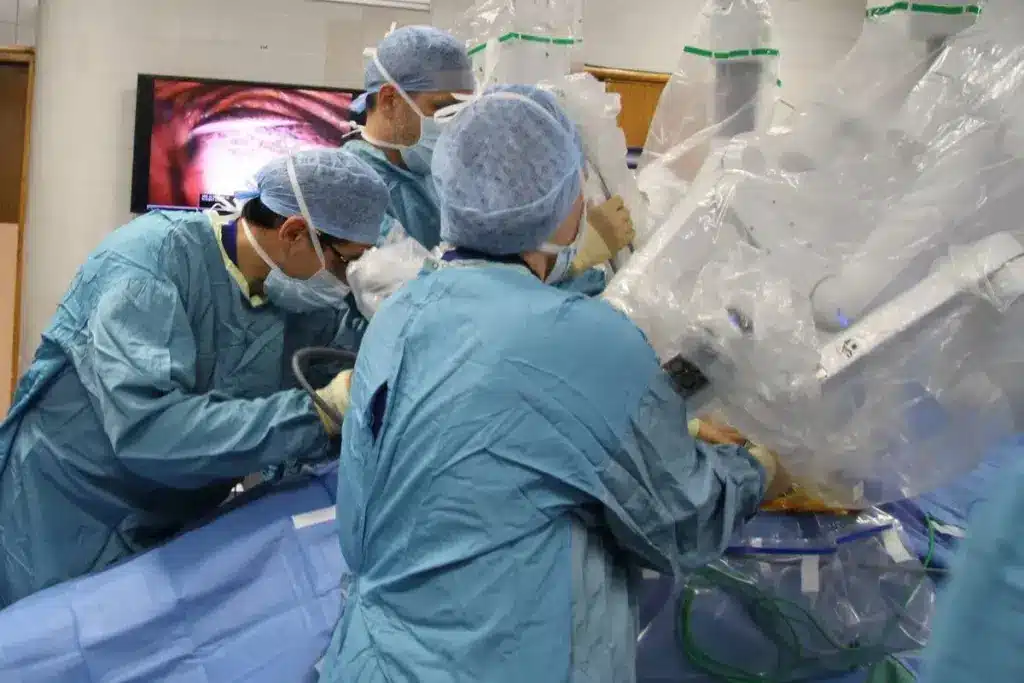
Thoracic surgery is a field that deals with operations in the chest area. This includes the lungs, heart, and other important organs inside the thoracic cavity. We do these surgeries to find and fix problems like lung cancer, esophageal issues, and heart diseases what is the thoracic.
Thanks to new medical tech and surgical methods, cardiothoracic surgery is now a key way to treat serious illnesses. Our skilled thoracic surgeons team up with patients to pick the best treatment. This could be lung surgery or another thoracic procedure.
Key Takeaways
- Thoracic surgery involves surgical procedures on the chest and lungs.
- It is used to diagnose and treat conditions like lung cancer and cardiovascular diseases.
- Advances in technology have improved cardiothoracic surgery outcomes.
- A team of experienced thoracic surgeons works with patients to determine the best treatment.
- Treatment options include lung surgery and other thoracic procedures.
Understanding the Thoracic Region
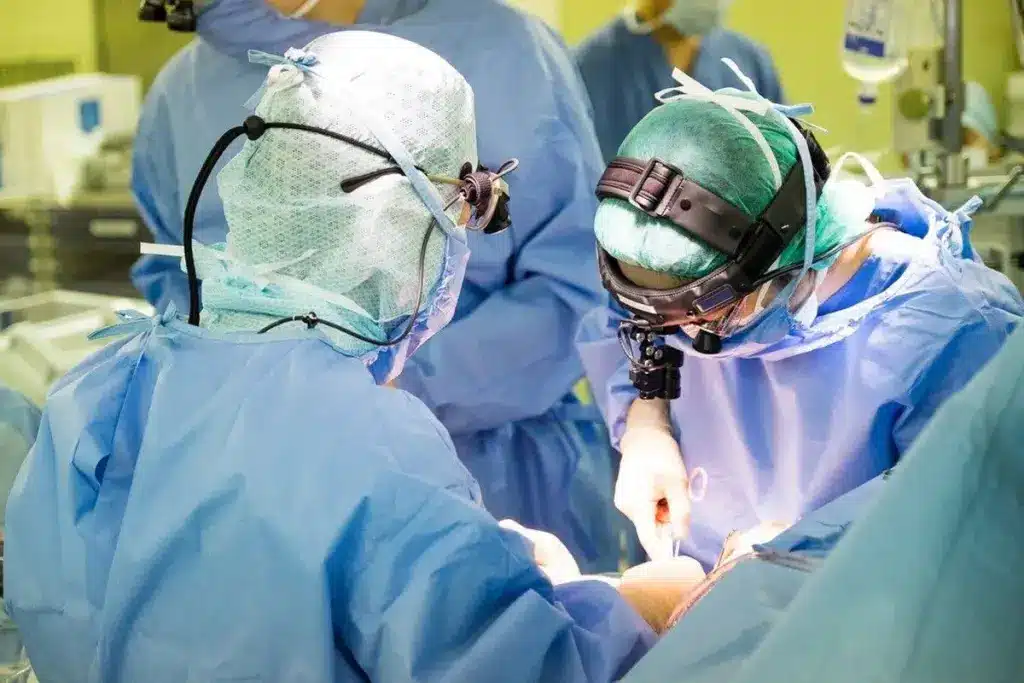
The thoracic cavity is a key part of our body. It’s surrounded by the thoracic cage. Inside, you’ll find vital organs for our breathing and blood flow. Knowing the thoracic region’s anatomy is key for thoracic surgery.
Anatomy of the Thoracic Cavity
The thoracic cavity holds the heart, lungs, and major blood vessels. It’s shaped by the thoracic vertebrae at the back, the ribs on the sides, and the sternum in front. It splits into two main areas: the pleural cavities for the lungs and the mediastinum for the heart and other important structures.
Organs Within the Thoracic Cage
The thoracic cage protects vital organs. These organs are essential for our body’s functions. The main organs in the thoracic cavity are:
- The heart, which pumps blood.
- The lungs, where gas exchange happens.
- The trachea and bronchi, our airway.
- The esophagus, which carries food to the stomach.
- Major blood vessels, like the aorta and pulmonary arteries.
These organs work together to keep our body balanced. Understanding their roles is vital for diagnosing and treating thoracic surgery needs.
What is Thoracic Surgery: Definition and Scope

Thoracic surgery is a special branch of surgery. It deals with the chest and its problems. This includes the heart, lungs, and esophagus.
Medical Definition of Thoracic Surgery
Thoracic surgery treats conditions in the chest. It includes the heart, lungs, and esophagus. The surgery range is wide, from lung removals to simple drainage.
Key aspects of thoracic surgery include:
- Surgical interventions for lung diseases, including cancer
- Treatment of esophageal disorders, such as achalasia and esophageal cancer
- Procedures for mediastinal conditions, including thymoma and teratomas
- Management of chest trauma and its complications
Historical Development of Thoracic Procedures
The history of thoracic surgery is filled with important milestones. The 1950s saw the introduction of cardiopulmonary bypass. This changed cardiac and thoracic surgery for the better.
|
Period |
Significant Milestones |
|---|---|
|
Early 20th Century |
Initial developments in thoracic surgery, including the first successful pneumonectomy |
|
1950s |
Introduction of cardiopulmonary bypass, revolutionizing cardiac and thoracic surgery |
|
Late 20th Century |
Advancements in minimally invasive surgery, including video-assisted thoracoscopic surgery (VATS) |
|
21st Century |
Continued advancements in robotic surgery and enhanced recovery after surgery (ERAS) protocols |
Understanding thoracic surgery’s history and scope is key. It helps us see the complexity of modern thoracic surgery.
The Role of a Thoracic Surgeon
A thoracic surgeon plays a key role in treating complex chest conditions. They are medical doctors with a focus on the chest and thoracic cavity. Their work is critical for patient health.
Education and Training Requirements
To become a thoracic surgeon, a lot of education and training is needed. Here’s what it involves:
- Getting a bachelor’s degree in a science field.
- Attending medical school to earn an M.D. or D.O. degree.
- Completing a general surgery residency.
- Doing a cardiothoracic surgery fellowship for specialized training.
Specializations Within Thoracic Surgery
Thoracic surgery has many specializations. Here are a few:
- Pediatric Thoracic Surgery: Deals with surgeries for kids, including congenital conditions and diseases in the thoracic area.
- Cardiothoracic Surgery: Focuses on heart and lung surgeries, needing extra training in cardiac surgery.
- Thoracic Oncology: Handles the surgical treatment of tumors and cancers in the thorax.
These specializations help thoracic surgeons become experts in certain areas. This improves patient care.
Common Thoracic Surgery Procedures
Thoracic surgeons do many surgeries to treat lung and chest problems. These surgeries help with lung cancer and other chest issues.
Lung Resection Surgeries
Lung resection surgeries are very common. They remove part of the lung that’s sick. Lung cancer is a big reason for these surgeries. But, they also help with other lung problems.
There are a few types of lung resection surgeries:
- Lobectomy: Taking out a lung lobe.
- Pneumonectomy: Taking out a whole lung.
- Wedge resection: Taking out a small lung part.
Mediastinal Procedures
The mediastinum is the area between the lungs. It has important stuff like the heart and blood vessels. Mediastinal procedures help with problems in this area.
Some common procedures include:
- Mediastinoscopy: A way to look at the mediastinum.
- Thymectomy: Removing the thymus gland, often for myasthenia gravis or thymomas.
- Mediastinal tumor removal: Surgery to take out tumors in the mediastinum.
These surgeries are key for treating chest problems. Knowing about them helps patients understand their treatment options.
Types of Lung Surgery
Different lung surgeries are used to treat various lung problems. Lung surgery is key in treating lung conditions, like cancer. We’ll look at lobectomy, pneumonectomy, and wedge resection.
Lobectomy
A lobectomy removes a lung lobe. It’s often used for early-stage lung cancer. This surgery is chosen when cancer is in one lobe and hasn’t spread.
Indications for Lobectomy:
- Early-stage lung cancer
- Certain lung diseases localized to one lobe
Pneumonectomy
A pneumonectomy removes a whole lung. It’s used when disease affects a lot of the lung or other treatments fail.
Indications for Pneumonectomy:
- Lung cancer that has spread within the lung
- Severe lung disease or damage
Wedge Resection
A wedge resection removes a small lung section and healthy tissue around it. It’s for early-stage lung cancer or to diagnose lung conditions.
Indications for Wedge Resection:
- Small, early-stage tumors
- Diagnostic purposes to identify lung conditions
Here’s a summary of the types of lung surgery:
|
Type of Surgery |
Description |
Typical Indications |
|---|---|---|
|
Lobectomy |
Removal of a lung lobe |
Early-stage lung cancer, localized lung disease |
|
Pneumonectomy |
Removal of an entire lung |
Lung cancer spread within the lung, severe lung disease |
|
Wedge Resection |
Removal of a small lung section |
Early-stage tumors, diagnostic purposes |
Surgical Approaches to the Chest
Thoracic surgery uses different techniques for various chest conditions. The right approach is key for good results, quick recovery, and success.
Thoracotomy: Traditional Incision of the Chest
A thoracotomy makes a big cut in the chest to get to the organs inside. It’s used for many surgeries, like removing part of the lung or fixing chest problems.
Benefits and Considerations: This method gives great access to the chest organs. But, it can cause a lot of pain and a long recovery. New surgical methods and pain treatments have helped, but it’s a big surgery.
Video-Assisted Thoracoscopic Surgery (VATS)
VATS is a new, less invasive way to do chest surgery. It uses small cuts and a camera to see inside the chest. This method is popular because it might lead to less pain, quicker healing, and smaller scars.
Advantages: VATS is good for those who can have this surgery. It lets patients get back to their lives faster and can cause less pain than the big cut surgery.
|
Surgical Approach |
Description |
Recovery Time |
|---|---|---|
|
Thoracotomy |
Traditional open surgery with a larger incision |
Several weeks to months |
|
VATS |
Minimally invasive with smaller incisions |
Generally shorter, often a few weeks |
Both thoracotomy and VATS are important in chest surgery. The choice depends on the patient’s health, the surgery needed, and the surgeon’s opinion.
Robotic Thoracic Surgery: Advancements in Technology
Robotic thoracic surgery is a big step forward in thoracic procedures. It brings better precision and flexibility. This technology is becoming more popular because it can lead to better results for patients.
Benefits of Robotic-Assisted Procedures
Robotic systems in thoracic surgery have many benefits. Enhanced precision is a key advantage. It lets surgeons do complex tasks more accurately. Also, these surgeries often cause less tissue trauma and reduced blood loss. This means patients can recover faster.
- Improved precision and dexterity
- Enhanced visualization of the surgical site
- Reduced risk of complications
- Faster recovery times
Limitations and Considerations
Robotic thoracic surgery has its downsides too. The high initial cost of these systems is a big factor. Also, surgeons need special training, which can be challenging. The learning curve is steep, requiring a lot of practice.
|
Aspect |
Traditional Thoracic Surgery |
Robotic Thoracic Surgery |
|---|---|---|
|
Precision |
Good |
Excellent |
|
Recovery Time |
Longer |
Shorter |
|
Cost |
Lower Initial Cost |
Higher Initial Cost |
Robotic thoracic surgery is a fast-growing field. It aims to improve patient care with better precision and less invasive methods. As technology gets better, we’ll see even more progress in robotic-assisted surgeries.
Cardiovascular and Thoracic Surgery: Understanding the Connection
Cardiovascular and thoracic surgery are closely related. They deal with the heart and major blood vessels. Cardiac surgery mainly focuses on the heart. Thoracic surgery, on the other hand, covers a wider area, including the lungs and esophagus.
Differences Between Cardiac and Thoracic Specialties
Cardiac surgeons work on the heart. They do surgeries like coronary artery bypass grafting and heart transplants. Thoracic surgeons, by contrast, operate on the lungs, esophagus, and other chest organs.
Here’s a table showing the main differences:
|
Surgical Specialty |
Primary Focus |
Common Procedures |
|---|---|---|
|
Cardiac Surgery |
Heart and immediate surrounding structures |
CABG, Heart Transplants, Valve Repairs |
|
Thoracic Surgery |
Organs within the chest cavity (lungs, esophagus, etc.) |
Lung Resections, Esophagectomies, Mediastinal Tumor Removals |
When These Specialties Overlap
Cardiac and thoracic surgery often work together. This is true for surgeries on the heart and major blood vessels. For example, fixing thoracic aortic problems might need both cardiac and thoracic surgeons.
Key areas of overlap include:
- Surgery for conditions affecting the thoracic aorta
- Procedures involving the pulmonary veins
- Complex cases requiring multidisciplinary surgical teams
It’s important to know how these surgeries connect. This helps doctors give better care to patients with complex chest issues. As technology gets better, working together between these fields will keep improving patient results.
Pediatric Thoracic Surgery: Special Considerations
Pediatric thoracic surgeons must think about the age and size of their young patients. They need to tailor surgical interventions for each child.
Common Pediatric Thoracic Conditions
Children can face many thoracic conditions that need surgery. Some common ones include:
- Congenital anomalies such as esophageal atresia and tracheoesophageal fistula
- Pulmonary sequestration
- Congenital diaphragmatic hernia
- Thoracic tumors
These conditions need quick and precise surgery to help the child recover well.
Specialized Approaches for Children
Children and adults are different in many ways. This means pediatric thoracic surgery needs special methods. Surgeons must be skilled in using tools made for smaller patients.
Some special methods include:
- Minimally invasive surgery to cut down recovery time and scarring
- Advanced imaging to guide surgery
- Working with other pediatric experts for full care
The aim is to cause as little harm as possible and support the child’s healing and growth.
Thoracic Trauma Management
Managing thoracic trauma well means knowing the different injuries and the right surgeries. These injuries can happen from car crashes, falls, or from being stabbed or shot.
Types of Thoracic Injuries
There are two main types of thoracic injuries: blunt and penetrating. Blunt trauma happens when the chest gets compressed or hit, but the chest wall isn’t broken. Penetrating trauma, though, means an object goes into the chest, hurting the organs inside.
- Blunt Trauma: This can come from car accidents, falls, or being crushed. It can cause lung damage, air leaks, or blood in the chest.
- Penetrating Trauma: This is from stabbings or gunshots. It directly harms the lungs, heart, or big blood vessels.
Surgical Interventions for Trauma
Thoracic trauma often needs quick surgery to fix the damage and keep the patient stable. The surgery needed depends on the injury’s type and how bad it is.
- Emergency Thoracotomy: This is for urgent cases to open the chest, stop bleeding, and fix vital injuries.
- Video-Assisted Thoracoscopic Surgery (VATS): This is a small incision surgery to look at and fix some injuries. It helps patients recover faster and might avoid more problems.
The right surgery depends on the patient, the injury, and the surgeon’s skills. A team of doctors, including surgeons and specialists, works together for the best care.
Thoracic Outlet Syndrome: Surgical Management
Thoracic outlet syndrome (TOS) is when nerves and blood vessels get compressed between the neck and shoulder. This can cause a lot of pain and might need surgery. TOS happens when these structures get squished as they go through the thoracic outlet. This area is between the clavicle, the first rib, and the scalene muscles.
Diagnosis and Indications for Surgery
It’s hard to figure out if someone has TOS because the symptoms are not clear. Symptoms can be pain, numbness, and weakness in the shoulder, arm, or hand. Doctors use tests like the Adson’s test and the Wright’s test to check. They might also use MRI or CT scans to confirm the diagnosis and rule out other problems.
If other treatments don’t work, surgery might be needed. The decision to have surgery depends on how bad the symptoms are and how they affect daily life. It also depends on if there are any nerve problems.
Surgical Techniques
The main goal of surgery for TOS is to take pressure off the nerves and blood vessels. This is done in a few ways:
- First rib resection: Taking out the first rib to open up the thoracic outlet.
- Scalenectomy: Cutting or releasing the scalene muscles that might be pressing on the nerves and blood vessels.
- Neurolysis: Getting rid of any scar tissue or adhesions around the nerves.
The type of surgery depends on the patient’s anatomy and the surgeon’s choice. Newer, less invasive methods like video-assisted thoracoscopic surgery (VATS) are being used more. They might lead to less pain and a quicker recovery.
Recovery from Thoracic Outlet Surgery
How long it takes to recover from TOS surgery varies. It depends on how big the surgery was and the patient’s health. Generally, patients can expect:
|
Recovery Aspect |
Expected Outcome |
|---|---|
|
Pain Management |
First, pain is managed with medicine, then it gets better over time |
|
Return to Activities |
It takes weeks or months to get back to normal activities |
|
Physical Therapy |
Physical therapy is often needed to improve shoulder movement and strength |
A team of doctors, physical therapists, and pain specialists help with recovery. Knowing what to expect can help patients feel better and follow their doctor’s advice better.
Minimally Invasive Lung Surgery Techniques
We are entering a new era in lung surgery with minimally invasive techniques. These methods have changed how we treat lung conditions, bringing many benefits to patients.
These techniques use smaller cuts, special tools, and advanced tools for seeing inside the body. They cause less damage and help patients heal faster.
Advantages of Minimally Invasive Approaches
Minimally invasive lung surgery offers many benefits. Reduced recovery time is a big plus, letting patients get back to their lives sooner. Also, smaller cuts mean less scarring, which looks better and lowers the chance of problems.
- Less post-operative pain
- Shorter hospital stays
- Lower risk of infection
Our surgeons use the latest tech for the best results. Video-assisted thoracoscopic surgery (VATS) and robotic-assisted surgery are key in this field.
Patient Selection Criteria
Not every patient is right for minimally invasive lung surgery. The choice depends on the patient’s health, the lung condition, and the disease stage.
|
Criteria |
Description |
|---|---|
|
Health Status |
Patients with big health issues might not be the best fit. |
|
Disease Stage |
Early lung cancer or benign conditions work well. |
|
Previous Surgeries |
Those with past chest surgeries need careful checking. |
Our team looks at each patient to choose the best surgery. With the latest in minimally invasive techniques, we give care that fits each patient’s needs.
Leading Thoracic Surgery Centers in the United States
Several thoracic surgery centers in the U.S. are known for their top-notch care. They lead in innovation, providing the latest treatments for complex chest conditions.
Medical organization Thoracic Surgery Department
The Medical organization is famous worldwide for its thoracic surgery. It’s known for leading in minimally invasive surgeries. The team focuses on personalized care, making sure each patient gets the right treatment.
Key Features of Thoracic Surgery:
- State-of-the-art operating facilities
- Multidisciplinary team approach
- Advanced diagnostic and therapeutic options
Massachusetts General Hospital (MGH) Thoracic Surgery
Massachusetts General Hospital is also a top choice for thoracic surgery. It’s known for its innovative methods, including robotic-assisted surgery.
|
Program |
Description |
|---|---|
|
Robotic-Assisted Surgery |
Uses advanced robotic tech for better precision and quicker recovery |
|
Minimally Invasive Surgery |
Uses small cuts to reduce trauma and speed up healing |
Other Notable Thoracic Surgery Programs
Other top thoracic surgery programs in the U.S. include the University of Pennsylvania’s Hospital and UCLA Medical Center. These places are known for their excellence in chest surgery.
These centers aim to provide the best care. They use the latest medical tech and surgical methods to improve patient results.
Recovery After Thoracic Surgery
Recovering from thoracic surgery starts with understanding post-operative care and pain management. This surgery on the chest and lungs needs a detailed recovery plan for the best results.
Immediate Post-Operative Care
Right after surgery, care is key for a good recovery. Patients are watched closely in a special unit. They get oxygen and do deep breathing to avoid lung problems.
Key aspects of immediate post-operative care include:
- Monitoring for surgical complications
- Pain management through medication and other techniques
- Early mobilization to prevent blood clots and promote healing
- Respiratory therapy to maintain lung function
Thoracic surgery experts say, “The first days after surgery are vital for a smooth recovery” (
Thoracic Surgery: A Guide to Recovery
).
Pain Management Strategies
Managing pain well is essential after thoracic surgery. We use both medicines and other methods to control pain.
|
Pain Management Technique |
Description |
Benefits |
|---|---|---|
|
Patient-Controlled Analgesia (PCA) |
Patients self-administer pain relief medication as needed. |
Immediate pain relief, patient control |
|
Epidural Analgesia |
Medication is delivered directly into the epidural space around the spinal cord. |
Effective pain relief with fewer side effects |
|
Non-Pharmacological Techniques |
Methods such as deep breathing, meditation, and physical therapy. |
Reduces reliance on medication, promotes overall well-being |
Long-term Recovery Timeline
The time it takes to fully recover from thoracic surgery varies. It depends on the surgery type and the patient’s health. Usually, people can get back to normal in a few weeks to months.
Guiding patients through their recovery is important. We stress the need for follow-up care and sticking to the recovery plan. “A good recovery plan helps with physical, emotional, and mental healing,” a study on post-thoracic surgery rehabilitation found.
Risks and Complications of Thoracic Procedures
Thoracic surgery can save lives, but it also comes with risks. Like any big surgery, it can have complications that affect how well a patient does.
Common Complications
Thoracic surgery can cause several problems. Some are common in many surgeries. These include:
- Infection: There’s a chance of infection at the surgery site.
- Bleeding: Too much bleeding during or after surgery is a risk.
- Respiratory issues: Patients might face breathing problems like pneumonia or acute respiratory distress syndrome.
- Cardiac complications: Surgery stress can cause heart problems in some.
Risk Factors and Prevention
Some things can make complications more likely during or after thoracic surgery. These include:
- Pre-existing health conditions: Heart disease, diabetes, or lung disease can increase risk.
- Smoking: Smoking raises the risk of breathing and other problems.
- Age: Older patients might face more risks because of their decreased health.
Healthcare providers take steps to lower these risks. They do thorough checks before surgery, work on improving health before surgery, and give careful care after. Knowing these risks and taking steps to reduce them can help improve results for patients having thoracic surgery.
Conclusion
Thoracic surgery is a complex field that includes many procedures and techniques. We’ve looked at its definition, history, and the latest in technology and surgery. This overview covers everything from basic to advanced aspects of thoracic surgery.
Thoracic surgeons go through a lot of education and training. They work hard to diagnose and treat conditions in the thoracic area. We discussed different lung surgeries like lobectomy and pneumonectomy. We also talked about the benefits and challenges of minimally invasive and robotic-assisted surgeries.
In wrapping up this overview, it’s clear that thoracic surgery is always getting better. It offers new hopes and treatments for those with thoracic conditions. Understanding the complexities and advancements in thoracic surgery helps both patients and healthcare professionals make better choices.
FAQ
What is thoracic surgery?
Thoracic surgery is a field that deals with surgeries in the chest and lungs. It includes operations in the thoracic cavity and its organs.
What does a thoracic surgeon do?
A thoracic surgeon specializes in surgeries of the chest and lungs. They perform lung resections, mediastinal procedures, and other operations in the thoracic cavity.
What are the common types of lung surgery?
Lung surgery types include lobectomy, pneumonectomy, and wedge resection. Each is used for different lung conditions.
What is the difference between thoracotomy and VATS?
Thoracotomy uses a big incision in the chest. VATS, or Video-Assisted Thoracoscopic Surgery, uses small incisions and a camera.
What are the benefits of robotic thoracic surgery?
Robotic thoracic surgery is precise and uses small incisions. It results in less blood loss and faster recovery than traditional surgery.
What is thoracic outlet syndrome, and how is it treated surgically?
Thoracic outlet syndrome is when nerves or blood vessels get compressed. Surgery relieves this compression to treat the condition.
What is the recovery process like after thoracic surgery?
After thoracic surgery, you’ll need immediate care and pain management. The recovery time varies based on the surgery and your health.
What are the risks and complications associated with thoracic surgery?
Risks include infection, bleeding, and respiratory problems. It’s important to know these risks and how to avoid them.
How is pediatric thoracic surgery different from adult thoracic surgery?
Pediatric thoracic surgery is tailored for children. It considers their unique anatomy and development.
What are some of the leading centers for thoracic surgery in the United States?
Top centers include the Medical organization and Massachusetts General Hospital. They offer advanced thoracic surgery programs.
What is the role of minimally invasive surgery in thoracic procedures?
Minimally invasive surgery, like VATS and robotic-assisted, offers benefits. These include smaller incisions, less pain, and faster recovery.
How do cardiovascular and thoracic surgery intersect?
Cardiovascular and thoracic surgery overlap in treating heart and lung conditions. They require teamwork between cardiac and thoracic surgeons.
References
National Center for Biotechnology Information. Evidence-Based Medical Insight. Retrieved from https://pubmed.ncbi.nlm.nih.gov/27267597/