
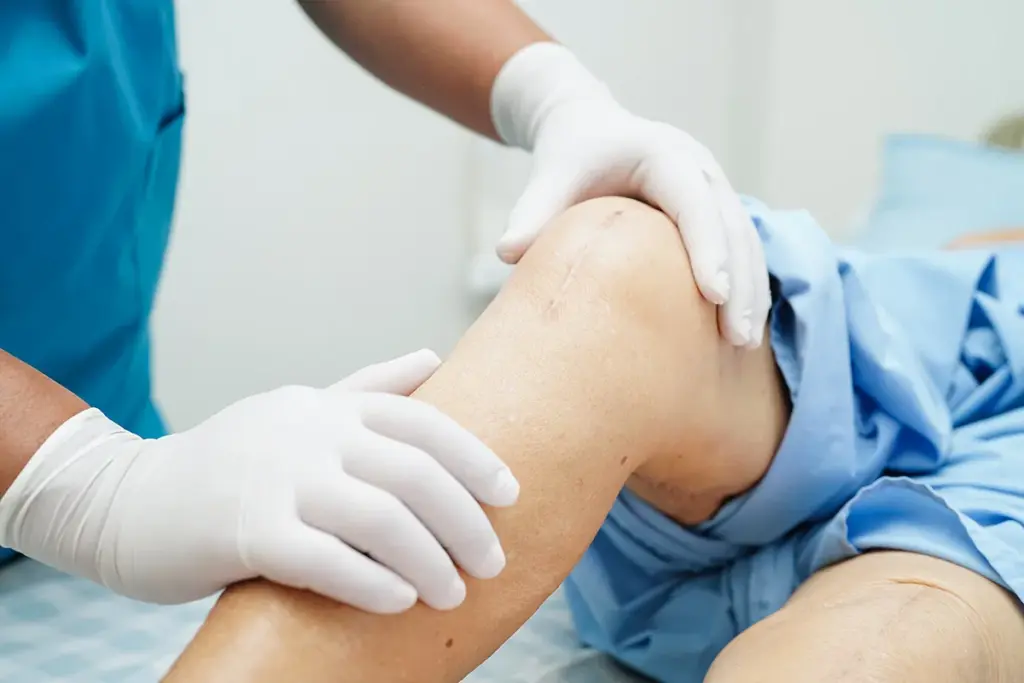
Tibiotalar joint effusion is when too much fluid builds up in the ankle. This causes swelling and pain. It often happens after injuries like sprains or fractures, or with diseases like rheumatoid arthritis.
At Liv Hospital, we understand how serious this is, mainly for athletes and those who are always on the move. If not treated, it can really hurt their performance and daily life.
Knowing what causes and shows ankle joint effusion is key to fixing it. We’ll look into what it is, its signs, why it happens, how to find out, and how to treat it.
Key Takeaways
- Understanding tibiotalar joint effusion is key to treating it well.
- The condition can come from injuries or diseases.
- Symptoms include swelling and pain in the ankle.
- There are good ways to treat this condition.
- Liv Hospital offers care focused on the patient for ankle joint effusion.
Understanding Tibiotalar Joint Effusion
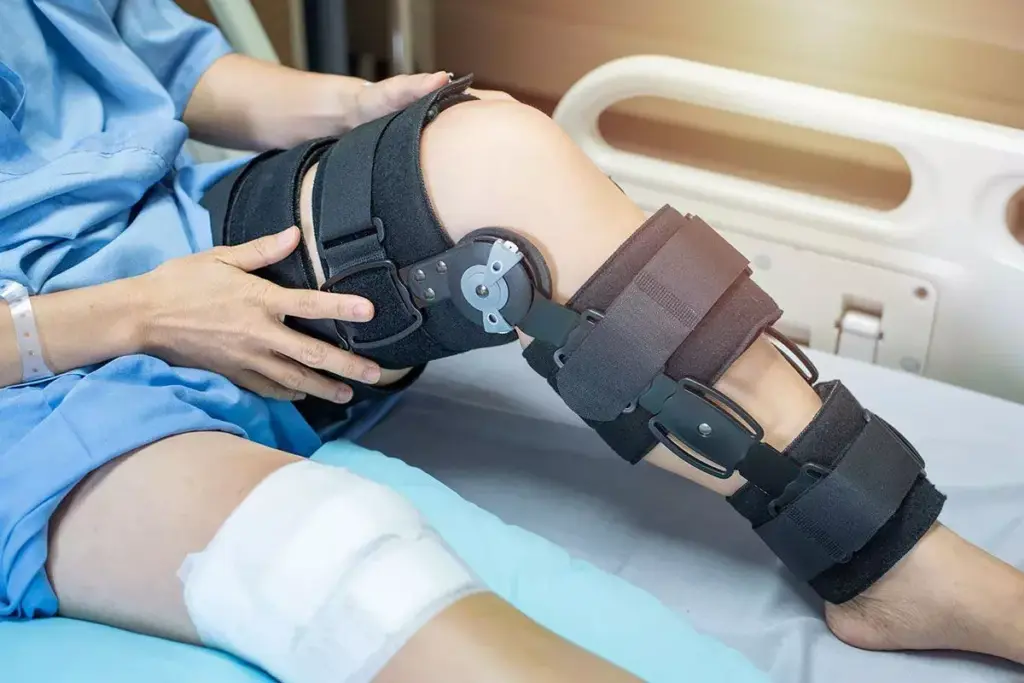
To understand tibiotalar joint effusion, we need to know about the ankle joint’s anatomy and what happens when fluid builds up. The ankle joint, or tibiotalar joint, is key for movement. When it’s affected by effusion, it can cause a lot of pain and make it hard to move.
Definition and Anatomy
The tibiotalar joint is a ginglymus joint made up of the tibia, talus, and fibula bones. It helps us move our feet up and down. When fluid builds up in this joint, it’s called tibiotalar joint effusion. This can happen because of injury, inflammation, or infection.
The joint’s anatomy is complex, with ligaments and tendons holding it together. When fluid builds up, it can cause swelling and pain. This can really affect a person’s life. So, ankle joint effusion is just too much fluid in the tibiotalar joint.
Symptoms and Clinical Presentation
The symptoms of tibiotalar joint effusion can vary. You might feel pain, swelling, and warmth in your ankle. You might also find it harder to move your ankle.
Depending on why the effusion happened, you might feel stiffness or instability. For example, a bad sprain or arthritis can cause fluid in the ankle. A doctor needs to check and diagnose to figure out the best treatment.
Common Causes of Tibiotalar Joint Effusion
Many things can cause tibiotalar joint effusion. Knowing what they are helps find the right treatment.
Traumatic Injuries
Traumatic injuries often lead to tibiotalar joint effusion. Ankle sprains and fractures can cause swelling and pain right away. When an ankle is hurt, the ligaments might stretch or tear, filling the joint with fluid.
People hurt in accidents usually feel a lot of pain and can’t move much. How bad the effusion is depends on the injury’s severity.
Inflammatory Conditions
Rheumatoid arthritis and osteoarthritis can also cause tibiotalar joint effusion. These diseases make the joint inflamed, leading to fluid buildup.
Patients with these conditions often get effusion again and again. It’s important to manage the condition to lessen effusion’s frequency and severity.
| Condition | Effect on the Joint | Common Symptoms |
| Rheumatoid Arthritis | Chronic inflammation, joint damage | Pain, swelling, stiffness |
| Osteoarthritis | Degeneration of joint cartilage | Pain, stiffness, limited mobility |
Joint Infections
Joint infections are a rare but serious cause of tibiotalar joint effusion. These infections can cause a lot of pain, swelling, and serious problems if not treated.
It’s very important to see a doctor right away if you think you have a joint infection. Quick diagnosis and treatment can make a big difference.
Treatment and Management of Tibiotalar Joint Effusion
Managing tibiotalar joint effusion requires a mix of tests and treatments. We’ll look at how we diagnose it, then discuss treatments and recovery times.
Diagnosis Methods
Getting a correct diagnosis is key. We use physical checks, imaging, and fluid analysis to find out what’s causing the effusion.
Tests like X-rays, CT scans, or MRI scans show us the ankle’s condition. They help us see how big the effusion is and if there are other issues.
- Physical Examination: We check the ankle’s stability, movement, and pain.
- Imaging Tests: X-rays, CT scans, or MRI scans help us see the joint and its surroundings.
- Joint Aspiration: We sometimes analyze the fluid to find the cause, like infection or inflammation.
Conservative Treatment Approaches
First, we try non-surgical treatments. This includes rest, ice, compression, elevation (RICE), and NSAIDs to lessen pain and swelling.
| Treatment Component | Description | Benefits |
| Rest | Avoiding activities that make it worse | Helps it heal by not irritating it more |
| Ice | Using ice packs on the area | Helps with pain and swelling |
| Compression | Wearing compression bandages or sleeves | Reduces swelling |
| Elevation | Keeping the ankle up above heart level | Helps with swelling by improving blood flow |
| NSAIDs | Using nonsteroidal anti-inflammatory drugs | Reduces pain and swelling |
Recovery Timeline and Prevention
How long it takes to recover from tibiotalar joint effusion varies. With the right treatment, symptoms can get better in a few weeks.
To avoid it coming back, staying healthy, avoiding hard activities, and wearing the right shoes are important.
Knowing how to diagnose, treat, and prevent tibiotalar joint effusion helps us manage it better. This improves patient outcomes.
Conclusion:
Tibiotalar joint effusion, also known as ankle joint effusion, is when fluid builds up in the ankle. This can happen due to injuries, inflammation, or infections.
Knowing the causes, symptoms, and how to diagnose it is key to treating it. We talked about starting with RICE and NSAIDs. More serious treatments might be needed later.
Getting the right diagnosis and treatment is vital to avoid lasting damage and help recovery. By understanding ankle joint effusion and treatment options, people can get the care they need.
Managing fluid in the ankle joint needs a detailed plan. This plan should consider the cause and how serious it is. With the right treatment, people can feel better and move their ankles as they should.
FAQ’s:
What is tibiotalar joint effusion?
Tibiotalar joint effusion is the accumulation of excess fluid within the ankle joint space between the tibia and talus bones.
What are the symptoms of tibiotalar joint effusion?
Symptoms include ankle swelling, pain, stiffness, warmth, limited range of motion, and discomfort while walking or bearing weight.
What causes tibiotalar joint effusion?
It can be caused by ankle injuries, overuse, infection, or inflammatory conditions such as Rheumatoid arthritis and Gout.
How is tibiotalar joint effusion diagnosed?
Diagnosis involves physical examination, medical history, imaging tests like X-ray, ultrasound, or MRI, and sometimes joint aspiration.
What are the treatment options for tibiotalar joint effusion?
Treatment may include rest, ice, compression, elevation (RICE), anti-inflammatory medications, physical therapy, joint aspiration, or treating the underlying cause.
What is the recovery timeline for tibiotalar joint effusion?
Recovery can range from a few days to several weeks depending on the cause, severity, and treatment approach.
How can tibiotalar joint effusion be prevented?
Prevention includes avoiding ankle injuries, using proper footwear, strengthening ankle muscles, and managing underlying joint conditions.
What is the difference between tibiotalar joint effusion and ankle sprain?
Tibiotalar effusion refers to fluid buildup inside the ankle joint, while an ankle sprain is a ligament injury that may sometimes cause secondary effusion.
Can tibiotalar joint effusion be a sign of an underlying infection?
Yes, it can indicate joint infection (septic arthritis), which requires urgent medical evaluation and treatment.
How does inflammatory arthritis contribute to tibiotalar joint effusion?
Inflammatory arthritis causes joint lining inflammation, leading to excess fluid production and swelling in the tibiotalar joint.
References:
National Center for Biotechnology Information. Evidence-Based Medical Insight. Retrieved from https://www.ncbi.nlm.nih.gov/books/NBK532279/[3



 Departments
 Related Videos
 Our Doctors
 News
News