Aortic valve stenosis is a serious heart condition that affects thousands of Americans each year. Luckily, a new treatment has come along: Transcatheter Aortic Valve Replacement (TAVR). This method is less invasive. It involves putting a new valve in the heart through a thin tube called a catheter.
TAVR is a different way to treat heart problems compared to open-heart surgery. It means patients can recover faster and face fewer risks. Knowing about TAVR helps patients choose the best treatment for them.
Key Takeaways
- TAVR is a minimally invasive procedure for replacing a narrowed aortic valve.
- It is an alternative to traditional open-heart surgery.
- TAVR offers a quicker recovery time and less risk of complications.
- The procedure involves delivering a replacement valve through a catheter.
- TAVR is a treatment for aortic valve stenosis, a serious heart condition.
Understanding Aortic Valve Disease
It’s key to understand aortic valve disease to diagnose and treat it. This condition affects the valve between the heart’s lower left chamber and the main artery. It can block or slow blood flow from the heart to the body.
The Function of the Aortic Valve
The aortic valve is vital for blood flow. It opens to let blood from the left ventricle into the aorta. Then, it closes to stop blood from flowing back. This ensures healthy blood circulation.
Aortic Stenosis and Its Progression
Aortic stenosis is a common valve disease. It narrows the valve opening, making the heart work harder. Symptoms like chest pain, fatigue, and shortness of breath can appear. If not treated, it can cause serious problems.
Symptoms of Aortic Valve Disease
Symptoms of aortic valve disease vary based on the condition’s severity. Common signs include chest pain, fainting, and shortness of breath. Spotting these symptoms early is important for timely treatment.
|
Symptom |
Description |
|---|---|
|
Chest Pain (Angina) |
Discomfort or pain in the chest, often triggered by physical exertion or emotional stress. |
|
Fainting (Syncope) |
Temporary loss of consciousness, usually due to reduced blood flow to the brain. |
|
Shortness of Breath (Dyspnea) |
Difficulty breathing or feeling winded even when sitting or doing light activities. |
What is a Transcatheter Aortic Valve?
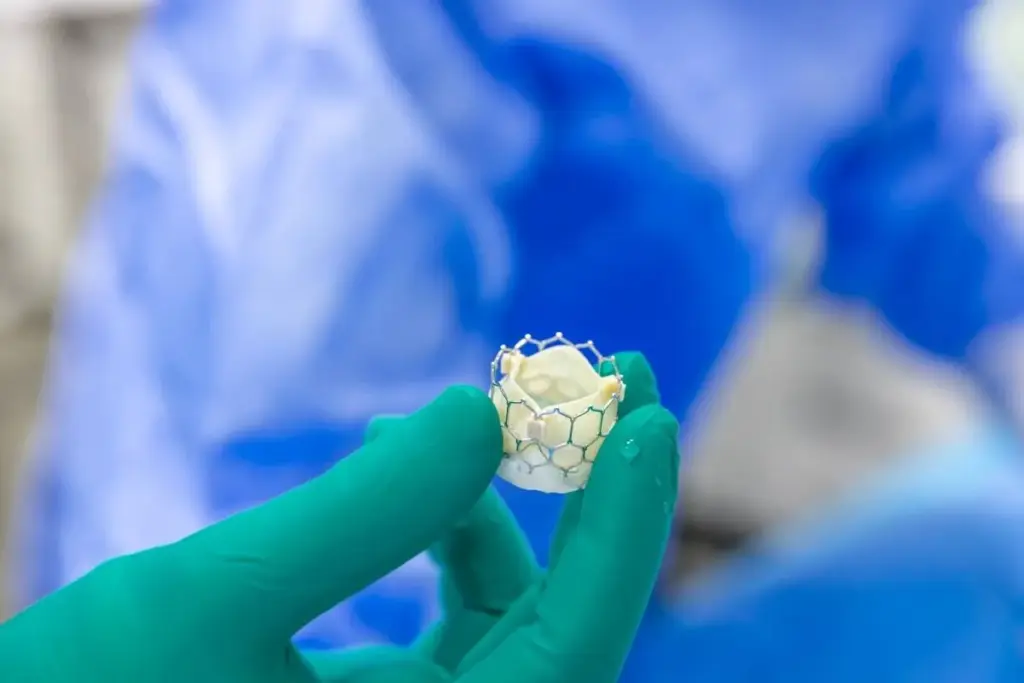
A transcatheter aortic valve is a medical device for a new way to replace aortic valves. It’s a less invasive option compared to traditional open-heart surgery. This technology has changed how we treat aortic stenosis.
Definition and Basic Concept
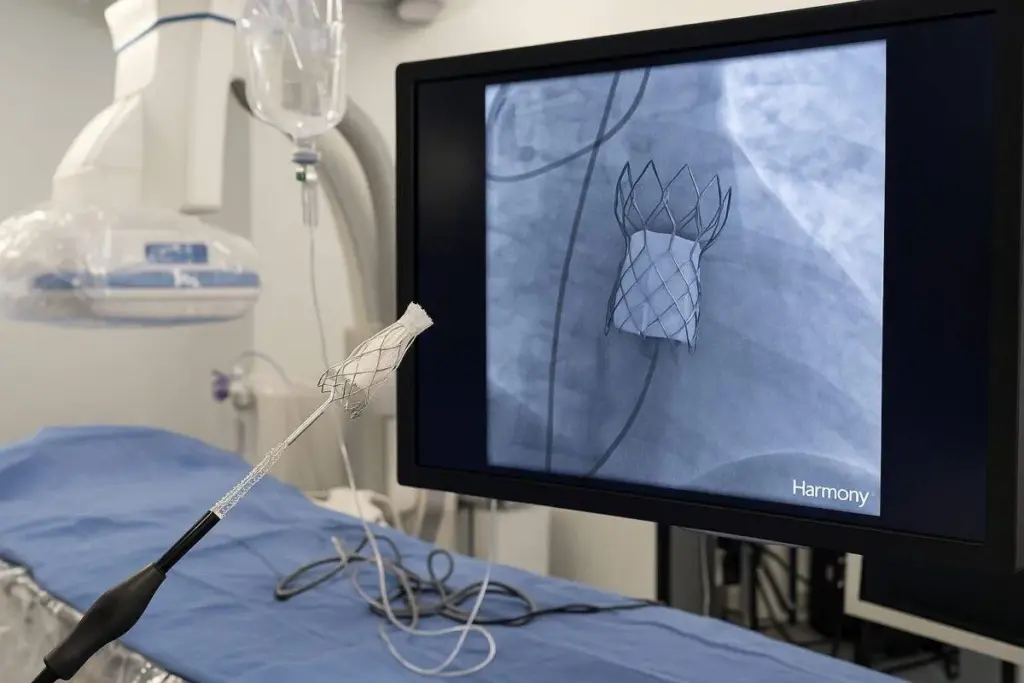
The transcatheter aortic valve is made from natural tissue, often from a cow or pig’s heart. This tissue is re-engineered and attached to a flexible, expanding mesh frame. This design lets the valve be small enough to go through a catheter, then expands once in place.
Components of a Transcatheter Valve
The parts of a transcatheter aortic valve are:
- The valve itself, made from biological tissue
- A metallic frame that supports the valve and allows it to be expanded
- A delivery system that enables the valve to be positioned correctly via a catheter
These parts work together to make sure the valve works right and is in the right spot in the heart.
Evolution of TAVR Technology
TAVR technology has grown a lot over time. Early devices were bigger and harder to fit right, but modern transcatheter valves are more advanced. They have designs that lower the chance of problems. Also, new delivery systems are more flexible and easier to use.
As TAVR tech keeps getting better, we’ll see better results for patients. We’ll also have more options for treating aortic valve disease.
Transcatheter Aortic Valve Replacement (TAVR) Explained
TAVR is a new way to fix a bad aortic valve without open-heart surgery. It uses a thin, flexible tube called a catheter. This tube goes into a blood vessel, usually in the groin or chest.
How TAVR Differs from Traditional Surgery
TAVR is different from old-school heart surgery. It’s a minimally invasive method that doesn’t need a big cut in the chest. The catheter is guided to the aortic valve using X-rays or other images.
This way, patients recover faster. It’s great for those who might face big risks with traditional surgery.
Types of Transcatheter Valves Available
There are a few kinds of transcatheter valves for TAVR:
- Balloon-expandable valves
- Self-expandable valves
Each type fits different patients better.
FDA Approval Status and History
The FDA has okayed several TAVR devices for use in the U.S. The first one was the Edwards SAPIEN valve in 2011. More devices have been approved, giving patients more options.
TAVR has changed how we treat aortic valve disease. It gives hope to those who couldn’t get surgery before.
The Heart Team Approach to TAVR
A team of experts plays a key role in choosing the best treatment for TAVR patients. This team makes sure all parts of a patient’s health are checked.
Multidisciplinary Evaluation Process
The team includes cardiologists, cardiac surgeons, imaging experts, and more. They look at the patient’s health history and test results to pick the best treatment.
The evaluation process includes:
- Reviewing the patient’s overall health and medical history
- Assessing the severity of aortic valve disease
- Evaluating the patient’s suitability for TAVR or other treatment options
Role of Cardiac Surgeons and Interventional Cardiologists
Cardiac surgeons and interventional cardiologists are vital to the team. Cardiac surgeons know about surgery, while interventional cardiologists are experts in TAVR.
They talk about the risks and benefits of treatments. This ensures the patient gets a plan that fits them best.
Shared Decision-Making with Patients
Shared decision-making is a big part of the team’s work. They work with the patient and their family to understand their options.
This way, the treatment chosen matches the patient’s needs and values.
The TAVR Procedure Process
The TAVR procedure is a complex medical intervention. It needs careful planning and a team of experts. The process includes several steps, from the first evaluation to aftercare.
Pre-Procedure Evaluation and Testing
Before TAVR, patients get a detailed check-up. They have tests like echocardiography and CT scans. These help the team understand the patient’s heart and plan the TAVR.
Step-by-Step Procedure Overview
The TAVR procedure has several key steps:
- Local anesthesia or sedation to reduce pain.
- Accessing the femoral artery for a catheter.
- Guiding the catheter to the aortic valve with imaging.
- Deploying the transcatheter valve in the native valve.
- Checking the valve’s function and position after deployment.
Access Routes for Valve Delivery
The access route is key for TAVR success. The most common is the transfemoral route. Other routes might be used based on the patient’s anatomy.
Transfemoral Approach
The transfemoral approach is the most common. It’s less invasive and involves the femoral artery in the groin.
Alternative Access Routes
When the transfemoral route is not possible, other routes are considered. These include transapical, transaortic, or transcarotid approaches. Each requires careful planning.
|
Access Route |
Description |
Considerations |
|---|---|---|
|
Transfemoral |
Access through the femoral artery |
Preferred due to minimal invasiveness |
|
Transapical |
Access through the apex of the heart |
Used when transfemoral is not feasible |
|
Transaortic |
Direct access through the aorta |
Alternative for patients with challenging vascular anatomy |
TAVR is a big step forward in treating aortic valve disease. It’s a good option for those at high risk for traditional surgery. Knowing about the procedure helps patients prepare for this life-changing treatment.
Benefits of Transcatheter Valve Procedures
TAVR has changed the game for patients with aortic stenosis. It’s a less invasive option compared to traditional surgery. This new approach has led to better results and opened doors for more patients, even those at high risk for open-heart surgery.
Minimally Invasive Advantages
TAVR is known for being minimally invasive. It uses smaller cuts than traditional surgery. This means less damage to tissues and fewer complications after surgery.
The procedure goes through an artery in the leg or a small chest incision. This avoids the big cut needed for open-heart surgery.
Reduced Recovery Time
One big plus of TAVR is the reduced recovery time. Patients usually stay in the hospital less and get back to normal faster than with traditional surgery. This is because TAVR is less invasive, causing less pain and fewer issues.
Outcomes for High-Risk Patients
TAVR is a game-changer for high-risk patients. These are people who aren’t good candidates for open-heart surgery because of age, health issues, or past surgeries. TAVR has been shown to improve survival rates and quality of life for these patients.
|
Outcome Measure |
TAVR |
SAVR |
|---|---|---|
|
30-Day Mortality Rate |
4.2% |
6.3% |
|
1-Year Survival Rate |
82% |
78% |
|
Hospital Stay Duration |
5 days |
8 days |
A study in a top cardiology journal found TAVR is a good alternative to traditional surgery for high-risk patients. It offers similar results but is less invasive. This shows TAVR’s big impact on improving patient care and outcomes.
“TAVR represents a paradigm shift in the management of aortic stenosis, providing a less invasive and highly effective treatment option for a broad range of patients.”
Potential Risks and Complications
It’s important for patients to know about the risks of TAVR before they decide to get it. TAVR has changed how we treat aortic valve disease. But, it’s not without its risks.
Procedural Risks
The TAVR procedure, like any invasive treatment, has its own set of risks. These can include bleeding, injuries to blood vessels, and issues with the new valve. A study in the Journal of the American College of Cardiology found that major vascular complications are common in TAVR patients.
“Major vascular complications were associated with increased mortality and morbidity after TAVR.”
Journal of the American College of Cardiology
Post-Procedure Complications
Patients may face complications after TAVR, such as stroke, heart rhythm problems, and the need for a pacemaker. Here’s a table of common complications:
|
Complication |
Description |
Frequency |
|---|---|---|
|
Stroke |
Neurological damage due to lack of blood flow |
2-5% |
|
Heart Rhythm Disturbances |
Abnormal heart rhythms |
10-20% |
|
Need for Pacemaker |
Implantation of a pacemaker due to conduction disturbances |
5-15% |
Long-Term Considerations
Long-term, patients need to think about how well the valve will last and if they’ll need more treatments. Regular follow-up with a doctor is key to keep an eye on the valve and heart health. Experts say, “Long-term follow-up data are essential to understand the durability of TAVR and to identify predictors of adverse outcomes.”
Candidacy for Transcatheter Aortic Valve Replacement
Deciding if someone is right for Transcatheter Aortic Valve Replacement (TAVR) takes a few important steps. TAVR is for people of all risk levels. It’s a good option for those with few other choices for fixing their aortic valve.
Risk Assessment Process
When checking if someone is good for TAVR, doctors look at their health. They check for any other health problems. This helps figure out if the treatment will work well.
|
Risk Factors |
Description |
Impact on TAVR Candidacy |
|---|---|---|
|
Age |
Being older can make surgery riskier |
It’s part of the risk check |
|
Comorbidities |
Having other health issues |
It changes how risky the procedure is |
|
Cardiac Function |
How well the heart pumps |
It affects if TAVR can be done |
Anatomical Considerations
The shape and size of the aortic valve are key for TAVR. Doctors also look for any unusual shapes or sizes. These details are very important.
Age and Comorbidity Factors
Age and other health problems are big parts of the decision. Being older might be a risk, but it’s not a total no-go. Doctors look at these health issues closely to see if TAVR is right.
By looking at these factors, doctors can pick the best candidates for TAVR. This makes sure the treatment helps those who need it most.
Recovery and Outcomes After TAVR
It’s important for patients and doctors to know about TAVR recovery and outcomes. The recovery starts right after the procedure. Careful monitoring and post-procedure care are key to success.
Hospital Stay Duration
The time spent in the hospital after TAVR varies. Some leave the next day, while others stay longer, sometimes in the ICU. Health, comorbidities, and how well the patient does during the procedure affect stay length.
Post-Procedure Care
Good care after TAVR is essential for recovery. This includes watching for complications, managing meds, and following a rehab plan. Patients usually get a recovery plan that includes diet, exercise, and follow-up visits.
Patient Experiences and Quality of Life Improvements
Many patients see big improvements in their life after TAVR. They feel less short of breath and chest pain. TAVR’s minimally invasive nature means quicker recovery, letting patients get back to life faster. While experiences vary, TAVR generally boosts survival and quality of life.
Long-term Survival Rates
Long-term survival after TAVR looks good, with better results than traditional surgery for some. Survival depends on health, comorbid conditions, and following care instructions. Ongoing research aims to improve our understanding of TAVR’s long-term effects.
Insurance Coverage and Costs in the United States
Many patients worry about the cost of TAVR, including insurance coverage. As more people need this life-changing procedure, knowing the costs and what insurance covers is key.
Private Insurance Considerations
Private insurance for TAVR varies by provider and policy. Patients should check their policies and talk to their insurers to understand their coverage.
Factors influencing private insurance coverage include:
- The specific terms and conditions of the insurance policy.
- The patient’s clinical condition and whether TAVR is deemed medically necessary.
- The presence of any pre-existing conditions that may affect coverage.
Out-of-Pocket Expenses
Even with insurance, patients might face extra costs for TAVR. These can include deductibles, copays, and costs for services not covered by insurance.
|
Expense Category |
Description |
Estimated Cost Range |
|---|---|---|
|
Deductibles |
Initial out-of-pocket expenses before insurance coverage kicks in. |
$1,000 – $3,000 |
|
Copays/Coinsurance |
Patient’s share of costs for the procedure and related care. |
10% – 30% of total costs |
|
Non-Covered Services |
Costs for services not covered by insurance, such as certain tests or rehabilitation services. |
Varies widely |
Knowing these costs and talking to healthcare providers and insurers can help patients manage the financial side of TAVR.
Conclusion: The Future of Transcatheter Aortic Valve Therapy
The future of TAVR looks bright, with new tech and techniques on the horizon. As TAVR grows, we’ll see better results for patients with aortic valve disease. This means more effective treatments for those in need.
Now, we have minimally invasive robotic surgery for heart issues, including aortic valve disease. New tech will make TAVR safer and more effective. This could mean faster recovery times and better long-term health for patients.
As research and innovation keep moving forward, TAVR will play a big role in treating aortic valve disease. It has already shown great success in improving patient outcomes. So, TAVR is set to remain a key treatment option for many.
FAQ
What is a transcatheter aortic valve replacement (TAVR) procedure?
TAVR is a treatment for aortic valve stenosis. This condition makes it hard for blood to flow from the heart to the body. It’s a minimally invasive way to fix this problem.
What is the difference between TAVR and traditional open-heart surgery?
TAVR is less invasive than open-heart surgery. It uses a catheter to put in a new valve. Open-heart surgery, on the other hand, opens the chest to replace the valve.
What are the benefits of TAVR?
TAVR is less invasive, which means less recovery time. It also works well for high-risk patients.
What are the risks and complications of TAVR?
Risks include procedural and post-procedure complications. There are also long-term concerns like valve durability and the need for more surgeries.
How is candidacy for TAVR determined?
Doctors assess risk factors like anatomy, age, and health conditions to decide if TAVR is right for you.
What is the recovery process like after TAVR?
Recovery starts with a short hospital stay. Then, you’ll need to follow up with care and monitoring. Most people see an improvement in their quality of life.
Is TAVR covered by insurance in the United States?
Yes, many private insurance plans cover TAVR. But, coverage and costs can vary based on your situation.
What is a transcatheter heart valve?
A transcatheter heart valve is a valve put in through a catheter. It’s used to replace a damaged heart valve, like in TAVR.
What is percutaneous aortic valve replacement?
Percutaneous aortic valve replacement is another name for TAVR. It’s a minimally invasive way to replace the aortic valve.
How has TAVR technology evolved over time?
TAVR technology has improved a lot. Advances in valve design, delivery systems, and imaging have led to better results and more treatment options.
What is the role of a heart team in evaluating patients for TAVR?
A heart team, including surgeons and cardiologists, evaluates patients for TAVR. They make decisions together about the best care.
What are the different access routes used for valve delivery in TAVR?
TAVR uses different routes for valve delivery. These include transfemoral, transapical, and transaortic approaches. Each has its own benefits and considerations.
What is catheter-based aortic valve replacement?
Catheter-based aortic valve replacement is another name for TAVR. It uses a catheter to deliver a new valve to the heart.
What is non-surgical aortic valve replacement?
Non-surgical aortic valve replacement is another term for TAVR. It highlights the minimally invasive nature of the procedure.
What is transcatheter valve implant?
Transcatheter valve implant refers to the procedure of putting in a new valve through a catheter, like in TAVR.
References
New England Journal of Medicine. Evidence-Based Medical Insight. Retrieved from https://www.nejm.org/doi/full/10.1056/NEJMoa1008232