What is urology? Learn about the most common procedure in urology and its vital health impact.
Urology is a branch of medicine that focuses on the urinary tract and male reproductive system. It deals with diagnosis, treatment, and surgery for disorders in these areas.
In modern healthcare, urology is key. It includes many procedures for the kidneys, bladder, prostate, and other organs.
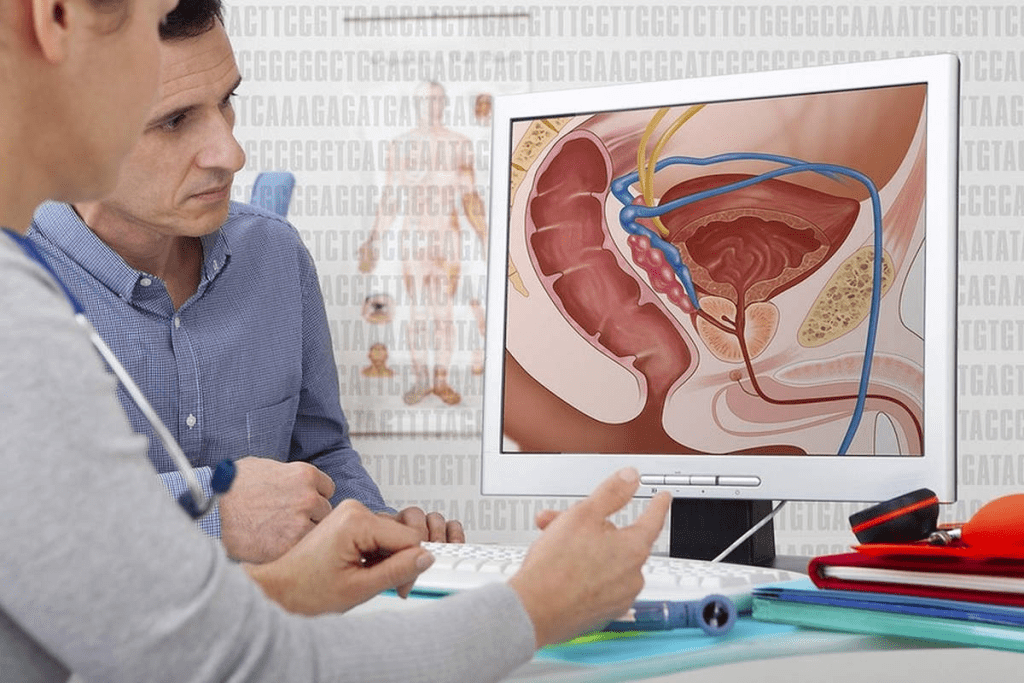
The most common procedure in urology is cystoscopy. It’s a minimally invasive technique used for both diagnosis and treatment. Cystoscopy lets urologists see inside the bladder and urethra. It’s essential for diagnosing and treating many urological conditions.
Key Takeaways
- Urology is a medical specialty focusing on the urinary tract and male reproductive system.
- Cystoscopy is the most common urological procedure globally.
- Urologists use cystoscopy for diagnostic and therapeutic purposes.
- Conditions affecting the kidneys, bladder, and prostate are treated through urological procedures.
- Urology plays a vital role in modern healthcare, addressing a wide range of urinary and reproductive disorders.
Understanding What is Urology and Its Scope
Urology is a special part of medicine that looks after the urinary tract and male reproductive organs. It offers full care for many urological problems. This field covers a lot, from urinary tract infections and kidney stones to prostate issues and male infertility.

Definition and Focus Areas of Urological Practice
Urology, or urological surgery, is about diagnosing, treating, and managing urinary tract and male reproductive system problems. Urologists can handle many issues, like urinary tract infections, kidney stones, and prostate problems.
Urological health is key to feeling good overall. We focus on personalized care for each patient. We use the latest tests and treatments to give our patients the best care.
Common Urological Conditions Requiring Medical Intervention
Some common urological issues are benign prostatic hyperplasia (BPH), prostate cancer, kidney stones, and urinary incontinence. These problems can really affect a person’s life, so quick and effective treatment is very important.
Studies show that cystoscopy, prostate biopsy, transurethral resection of the prostate (TURP), laparoscopic radical prostatectomy, and ureteroscopy with laser lithotripsy are among the top urological surgeries. At Norman Urology Associates, we aim to give the best care to men, women, and children. We use the latest tests and treatments.
Cystoscopy: The Most Common Urological Procedure Worldwide
Cystoscopy is the most common urological procedure worldwide. It plays a key role in diagnosing and treating urinary tract issues. We use it to look inside the bladder and urethra. This helps us find problems and treat them.
Procedure and Techniques
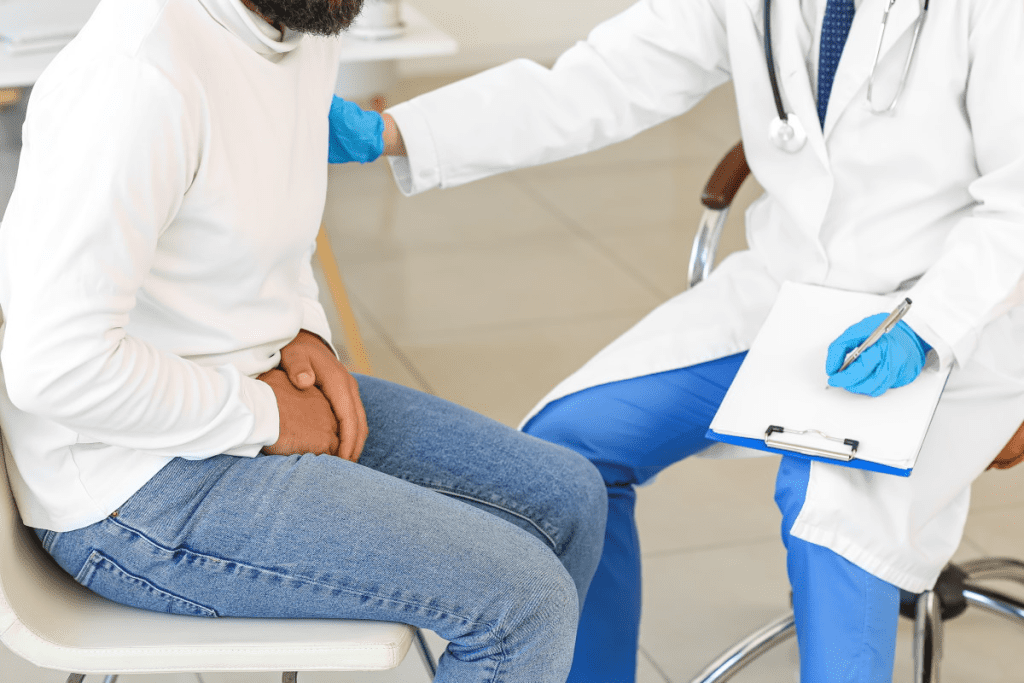
Cystoscopy uses a cystoscope, a thin tube with a light and camera. This minimally invasive endoscopic technique lets urologists examine and treat the urinary tract.
The procedure can be done with local anesthesia or sedation. The cystoscope is inserted through the urethra. This gives a clear view of the inside of the urinary tract. We can then look for any signs of disease or abnormalities.
Diagnostic Applications
Cystoscopy has many uses for diagnosis, including:
- Identifying the cause of urinary tract infections or bleeding
- Detecting bladder stones or tumors
- Examining the urethra and bladder for structural abnormalities
- Monitoring the progression of known conditions
By seeing the inside of the bladder and urethra, we get important information. This helps us make treatment decisions.
Therapeutic Uses
Cystoscopy is also used for treatments, including:
- Removing bladder stones or tumors
- Treating bladder conditions such as overactive bladder
- Performing biopsies of suspicious areas
- Injecting medications into the bladder or urethra
Cystoscopy’s ability to treat many urinary tract conditions makes it a key tool for urologists.
In conclusion, cystoscopy is a vital procedure in urology. It offers both diagnostic and therapeutic benefits. Its minimally invasive nature and versatility make it essential for urologists worldwide.
Transurethral Resection of the Prostate (TURP)
TURP, or Transurethral Resection of the Prostate, is a key treatment for BPH. It removes extra prostate tissue to fix urinary blockages.
The Procedure Explained
The TURP procedure is done under anesthesia. A resectoscope is inserted through the urethra. This lets the surgeon see the prostate and cut out tissue with an electrical loop.
This method is very good at easing symptoms of an enlarged prostate. For more info, check out theNational Center for Biotechnology Information. They have lots of details on urological treatments.
Statistical Trends in TURP Procedures
Recent numbers show TURP is often used, with 123,000 procedures in 2022 and 112,000 in 2024. This shows a slow move towards less invasive methods, but TURP is also a big help for BPH.
This trend is important. It shows how urological treatments are changing. Even though TURP is not as common as it used to be, it’s not going away. People are starting to like newer, less invasive options more.
Recovery and Outcomes After TURP
Recovering from TURP usually means a short stay in the hospital. Most people see big improvements in their urine flow. The results are usually very good, with less BPH symptoms.
But, like any surgery, there can be risks and side effects. It’s important to talk to your doctor about these. This way, you can understand the good and bad of TURP.
Rising Popularity of Minimally Invasive BPH Treatments
Minimally invasive procedures are changing how we treat BPH. They offer quicker recovery times and fewer side effects. This move towards less invasive treatments shows a bigger trend in urology towards options that are better for patients.
35.7% Market Share of All BPH Treatments
Now, 35.7% of BPH treatments are minimally invasive. This big change shows how urologists are moving towards new ways of treating prostate issues. Procedures like UroLift are leading this change, giving patients new choices instead of old surgeries.
Comparing Traditional TURP with Newer Alternatives
For a long time, TURP was the go-to for BPH. But, new, less invasive options are becoming more popular. They offer shorter recovery times and fewer risks. More and more, patients are choosing these new treatments to get back to their lives faster.
For more info on these new BPH treatments, check out Urology Times.
Patient Benefits of Minimally Invasive Approaches
Minimally invasive BPH treatments have many benefits. They include:
- Less chance of complications
- Less pain after surgery
- Shorter stays in the hospital
- Quicker return to daily activities
These perks make these treatments a great choice for those looking for effective BPH care without a big impact on their lives.
Other Common Urological Procedures
There are many urological procedures done beyond cystoscopy and TURP. These help diagnose and treat issues like prostate cancer and kidney stones.
Prostate Biopsy Techniques and Applications
A prostate biopsy is used to find prostate cancer. We use advanced biopsy techniques like transrectal ultrasound-guided biopsy. This method ensures we get accurate tissue samples from the prostate gland.
Prostate biopsy is often suggested when PSA levels are high or a DRE shows issues. The biopsy results show if cancer is present and how aggressive it is. This helps decide the next steps in treatment.
Ureteroscopy with Laser Lithotripsy for Kidney Stones
Ureteroscopy with laser lithotripsy treats kidney stones. This method involves using a small scope (ureteroscope) to find the stone. Then, a laser breaks the stone into smaller pieces that can pass out of the body.
“The use of laser lithotripsy has revolutionized the treatment of kidney stones, making it more effective and less invasive than old methods.” – A Urologist
Laparoscopic Radical Prostatectomy
Laparoscopic radical prostatectomy is a surgery for prostate cancer. This minimally invasive method uses small incisions in the abdomen. It removes the prostate gland while keeping surrounding tissues to help with urinary and sexual functions.
Patients who have this surgery often have less pain and a quicker recovery than with open surgery. It’s great for those with early-stage prostate cancer.
Endourology and Stone Disease: A Major Focus Area
Endourology has changed how we treat stone disease. It offers patients better and less invasive treatments. This shift in urology is driven by new technology and the desire for better patient care.
Statistical Insights
Between 44% to 49% of urologic surgeons focus on endourology. This shows its big role in the field. It’s not just a trend but a need for better, less invasive treatments for urinary issues like kidney stones.
Looking at endourology specialization, we see important trends:
- More urologists are using endourology techniques
- There’s a big demand for less invasive procedures
- New technology is changing endourology
Technological Advancements in Stone Management
Technologies like ureteroscopy with laser lithotripsy have changed stone disease management. They offer less invasive and effective treatments.
Some key advancements include:
- Better laser tech for precise stone breaking
- New imaging for clearer views during surgery
- Advanced ureteroscopes and tools
These changes have made treatments better and faster. They make care more accessible and convenient. As we keep innovating in endourology, we’ll see more progress in treating stone disease and other urinary issues.
We’re committed to top-notch care through endourology advancements. Our focus on minimally invasive methods and staying tech-savvy ensures our patients get the best treatments.
Conclusion: The Evolution of Urological Procedures
Looking at urology today, we see big changes. Urology is all about studying, diagnosing, and treating urinary and male reproductive issues. It’s important to understand what urology means to both patients and doctors.
Urological procedures are getting less invasive and more focused on the patient. For example, treatments for Benign Prostatic Hyperplasia (BPH) are now less invasive. This has made patients recover faster and better. Places like Liv Hospital are leading the way with these new methods.
As urology keeps improving, we’ll see even more effective treatments for urinary and reproductive health. This progress shows the dedication to top-notch healthcare and support for international patients.
FAQ
What is urology?
Urology is a medical field that deals with the urinary tract and male reproductive system. It involves diagnosing, treating, and performing surgery for related disorders.
What is a urological condition?
Urological conditions affect the kidneys, bladder, prostate, and other organs. Examples include urinary tract infections, kidney stones, prostate issues, and male infertility.
What is cystoscopy?
Cystoscopy is a procedure that lets urologists check the bladder and urethra for problems. It helps diagnose and treat conditions.
What is TURP, and what is it used for?
TURP stands for Transurethral Resection of the Prostate. It’s a surgery to remove extra prostate tissue. This helps relieve symptoms of Benign Prostatic Hyperplasia (BPH).
What are the benefits of minimally invasive BPH treatments?
These treatments have many advantages. They reduce recovery time, cause less pain, and have fewer complications than traditional TURP.
What is a prostate biopsy?
A prostate biopsy removes small tissue samples from the prostate gland. These samples are examined to diagnose prostate cancer or other conditions.
What is ureteroscopy with laser lithotripsy?
This procedure treats kidney stones by breaking them up with a laser. Then, it removes the fragments.
What is laparoscopic radical prostatectomy?
Laparoscopic radical prostatectomy is a surgery to remove the prostate gland. It’s often used to treat prostate cancer.
What is endourology?
Endourology is a part of urology that uses minimally invasive techniques. It focuses on treating urinary tract disorders with endoscopic procedures.
How has technology advanced the treatment of stone disease?
Technology has greatly improved stone disease treatment. Now, patients have more effective and less invasive options like laser lithotripsy and ureteroscopy.
What are some common urological procedures?
Common procedures include cystoscopy, TURP, prostate biopsy, ureteroscopy with laser lithotripsy, and laparoscopic radical prostatectomy. There are many more.
Reference
- “Cystourethroscopy is one of the most common procedures performed by a urologic surgeon. (StatPearls). StatPearls.https://www.ncbi.nlm.nih.gov/books/NBK493180/
- “Urology outpatient procedures by physician associates and nurse practitioners ¦ A urologist in training should know the repertoire of ambulatory performed procedures ¦ All procedures were linked to their unique Common Procedure Terminology (CPT) codes ¦ we examined ¦ procedures filed by urologists, PAs, and NPs ¦ standard outpatient urological procedures. BMC Urology.https://bmcurol.biomedcentral.com/articles/10.1186/s12894-024-01658-7