

Weight training is a way to exercise that uses weights to make muscles stronger. It also helps improve your overall health.Wondering ‘what is weight exercise‘? Our simple guide gives the best, easy-to-understand explanation, benefits, and amazing beginner routines.
At Liv Hospital, we focus on giving you advice based on solid research. Studies show that weight training does more than just build muscles. It also lowers the chance of dying early and boosts heart health.
Adding weight training to your daily routine can bring these benefits to you. We’re here to offer you reliable, patient-focused advice. This will help you reach your health goals.
Key Takeaways
- Weight training reduces the risk of premature death by up to 20%.
- It improves cardiovascular health and bone strength.
- Weight training enhances mental wellbeing and metabolic function.
- Incorporating weight training into your routine can have significant health benefits.
- Evidence-based guidance is available to support your health needs.
Understanding Weight Training Fundamentals
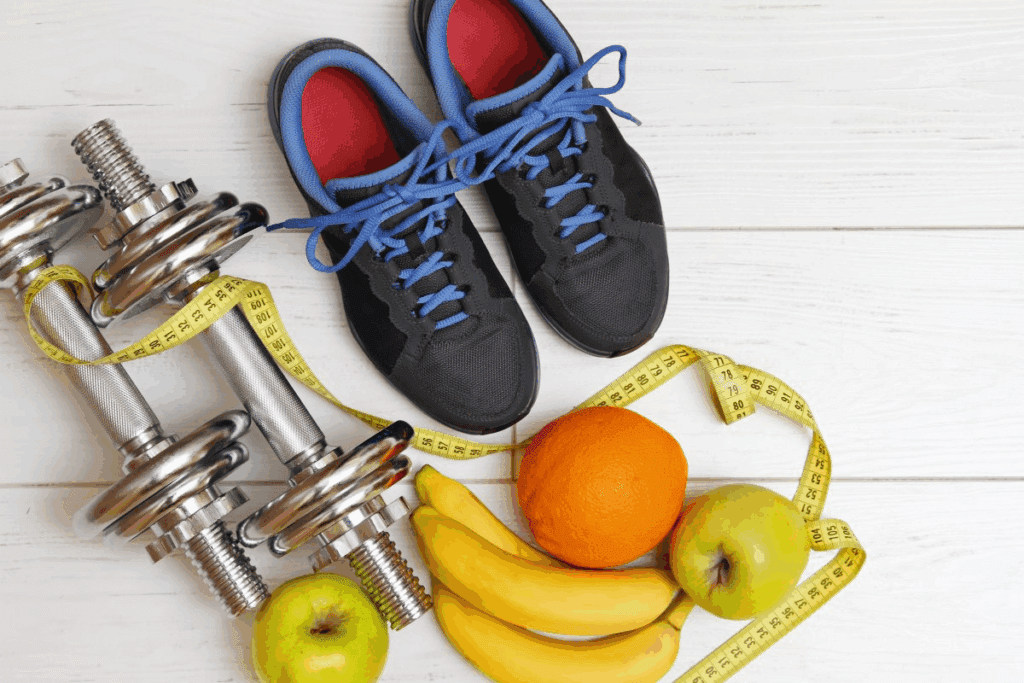
Weight training uses weights, bands, or your body to build muscle and strength. We’ll look at the key parts that make it great for getting stronger.
Definition and Basic Principles
Weight training is a way to get stronger by working out against resistance. It’s based on progressive overload and specificity. These mean you get harder workouts and focus on your goals.
The main goal is to make muscles grow and get stronger. You can use free weights, machines, or your body. It’s important to do it right to avoid injury and get the best results.
The Science Behind Muscle Development
Muscle growth happens when muscles get used to hard work. Weight training causes tiny tears in the muscles. Then, the body fixes these by making muscles bigger and stronger.
This process involves many steps, like cell changes and hormone actions. It’s complex but important for getting stronger.
Muscle Contraction Type | Description | Example Exercise |
Concentric | Muscle shortens under load | Bicep curl (lifting phase) |
Eccentric | Muscle lengthens under load | Bicep curl (lowering phase) |
Isometric | Muscle contracts without moving | Plank hold |
Knowing about different muscle contractions helps make a good workout plan. Mixing them up helps build muscles all over and keeps you fit.
What Is Weight Exercise and Its Various Forms

Weight exercise is key to staying fit. It comes in many forms to challenge and strengthen the body. Each person can pick what works best for them, based on their goals and likes.
There’s a big plus to the variety in weight exercises. It lets people make their workouts fit their needs. The main types are free weights, machine training, body weight exercises, and resistance bands.
Free Weights vs. Machine Training
Free weights, like dumbbells and barbells, are great for many exercises. They help build strength, flexibility, and coordination. Machine training, on the other hand, is good for beginners or those focusing on specific muscles.
Free weights and machines both have their benefits. Free weights work many muscles and boost balance and coordination. Machines offer a safer, guided workout.
Feature | Free Weights | Machine Training |
Muscle Engagement | Multiple muscle groups | Isolated muscle groups |
Coordination and Balance | Improves balance and coordination | Limited impact on balance |
Safety | Requires proper form to avoid injury | Guided movement reduces injury risk |
Body Weight Exercises
Body weight exercises use your own weight as resistance. Push-ups, squats, and lunges are common and don’t need any equipment. They’re a great way to stay fit without needing a gym.
These exercises can be changed to fit different fitness levels. They also work the core, boosting overall strength and stability.
Resistance Bands and Alternative Methods
Resistance bands are light, easy to carry, and versatile. They’re perfect for working out at home or on the go. They offer a unique resistance that can be used in many ways.
Other options like suspension training and kettlebell exercises also challenge the body and improve fitness. They add variety to workouts, keeping them interesting and preventing boredom.
In summary, weight exercises come in many forms, each with its own benefits. By exploring these options, people can find the best fit for their fitness goals and preferences.
The Remarkable Health Benefits of Weight Training
Weight training offers many health benefits, affecting our overall well-being. Adding weight training to our fitness routine can greatly improve our health.
It’s not just about building muscle. Weight training also boosts our metabolic health, strengthens bones, and improves mental health. The benefits of weight training are vast and significant.
Muscle Mass Preservation and Growth
Weight training helps keep and grow muscle mass. As we age, we naturally lose muscle, a condition called sarcopenia. Weight training fights this by:
- Stimulating muscle protein synthesis
- Increasing muscle fiber size
- Enhancing neuromuscular connections
By keeping or growing muscle, we boost our metabolism, improve physical function, and lower the risk of diseases like diabetes and osteoporosis.
Metabolic Improvements and Fat Loss
Weight training also boosts our metabolic health. Building muscle increases our resting metabolic rate (RMR), helping our body burn more calories at rest. This leads to:
- Improved fat loss
- Enhanced insulin sensitivity
- Better overall metabolic health
It also helps us manage our weight better, reducing obesity-related health risks.
Hormonal Benefits
Weight training positively affects our hormones. It can:
- Increase production of growth hormone and testosterone
- Improve insulin sensitivity
- Enhance the body’s natural response to stress
These hormonal benefits improve our health, physical performance, and lower the risk of chronic diseases.
In conclusion, weight training offers many health benefits. It improves muscle mass, metabolic health, and hormonal balance. Adding weight training to our lifestyle enhances our overall well-being.
Weight Training for Longevity and Mortality Reduction
Weight training is key for living longer and lowering death risk. It’s not just about looking good or getting stronger. It offers many health benefits.
Research on All-Cause Mortality Reduction
Many studies have looked at weight training and death rates. They show that weight training can lower death risk from all causes. This means it can help prevent death from many diseases, not just heart problems.
A study in the Journal of the American Heart Association found weight training lowers death risk. It showed that even a little weight training, with some cardio, can greatly improve life span.
“The incorporation of weight training into a complete exercise program can lead to a longer, healthier life.”
Study | Sample Size | Findings |
Journal of the American Heart Association | 10,000 adults | Weight training associated with lower all-cause mortality |
Medicine & Science in Sports & Exercise | 5,000 older adults | Resistance training linked to improved cardiovascular health |
Gender-Specific Benefits for Cardiovascular Health
Research has looked at how weight training helps men and women differently. Both can get big health benefits, but in different ways.
For men, weight training can lower heart disease risk. For women, it can help the heart and lower heart disease risk, more so after menopause.
In conclusion, weight training is a key part of a good exercise plan for living longer and reducing death risk. It offers big health benefits for everyone, no matter their gender.
Bone Health and Weight Training
Resistance training greatly improves bone density. As we get older, keeping our bones strong is key to avoiding osteoporosis. Weight training is a great way to help keep our bones healthy.
Mechanisms Behind Bone Strengthening
Weight training makes bones stronger by encouraging bone tissue growth. When we do resistance exercises, we create tiny breaks in our bones. Our body then makes these areas stronger, making our bones denser and more robust over time.
Key mechanisms include:
- Mechanical loading, which stimulates bone growth
- Increased muscle mass, which supports bone health
- Hormonal responses that promote bone density
Research on Bone Density Improvements
Many studies show that weight training boosts bone density. It can significantly increase bone mineral density (BMD) in both men and women, at all ages.
“Resistance training is a potent stimulus for improving bone density, particularlly in older adults at risk of osteoporosis.” – Journal of Bone and Mineral Research
A detailed look at studies on resistance training and bone health is shown in the table below:
Study | Population | Duration | Findings |
Smith et al., 2018 | Postmenopausal women | 12 months | Significant increase in BMD |
Johnson et al., 2020 | Older men | 6 months | Improved bone density in lumbar spine |
Lee et al., 2019 | Young adults | 9 months | Enhanced bone strength |
In summary, adding weight training to your workout routine can greatly benefit your bone health. By understanding how it strengthens bones and looking at research, we see its value in keeping our bones strong as we age.
Cardiovascular Benefits Beyond Traditional Cardio
Weight training is more than just building muscle. It also boosts your heart health in big ways. Many think heart health comes from running, cycling, or swimming. But, weight training is a key player too.
Blood Pressure Regulation
Doing weight training regularly can help control blood pressure. Studies show it can lower both systolic and diastolic blood pressure as much as cardio exercises do.
A study in the Journal of the American Heart Association found weight training lowers hypertension risk. It improves blood vessel function and helps the body manage blood pressure better.
“Resistance training is a valuable adjunct to traditional cardio exercises for maintaining cardiovascular health.” – Medical Expert, Cardiovascular Specialist
Cholesterol Management Through Strength Training
Weight training also helps with cholesterol levels. It increases muscle and boosts metabolism, lowering bad cholesterol and raising good cholesterol.
Cholesterol Type | Effect of Weight Training | Benefit |
LDL (Bad) Cholesterol | Decreased | Reduced risk of plaque buildup |
HDL (Good) Cholesterol | Increased | Enhanced removal of excess cholesterol |
Adding weight training to your routine offers a full package for heart health. It works alongside cardio to improve blood pressure and cholesterol levels.
Getting Started with Weight Training
Starting weight training can be thrilling and a bit scary. But with the right help, you can do great. It’s important to know the basics to reach your fitness goals.
Essential Equipment for Beginners
You don’t need a lot of gear to start. Here are the basics:
- Dumbbells: They’re good for many exercises.
- Kettlebells: Perfect for full-body workouts.
- Resistance Bands: They’re great for adding resistance to exercises.
- A stable bench or mat for support.
Getting a good pair of weightlifting gloves can also help. They make gripping easier and more comfortable.
Creating Your First Workout Plan
Creating a workout plan might seem hard, but it’s not. First, figure out what you want to achieve:
- Decide what you want to get from weight training, like muscle gain or losing fat.
- Pick exercises that work big muscles, like squats and bench press.
- Start with 2-3 times a week and add more as you get used to it.
Remember, being consistent is important. Stick to your plan and adjust it if needed.
Safety Considerations and Proper Form
Always put safety first when weight training. Here are some key safety tips:
- Warm up before each workout to avoid injuries.
- Make sure you’re using proper form to work the right muscles and avoid injuries.
- Begin with lighter weights and slowly add more as you get stronger.
By following these tips, you’ll be on the right path with weight training. Remember, the most important thing is to keep going and be patient.
Common Weight Training Myths Debunked
Many people believe wrong things about weight training. This can stop them from reaching their fitness goals. Misinformation and a lack of understanding often spread these myths.
Let’s look at some common myths and the facts that prove them wrong.
“Lifting Weights Makes Women Bulky”
One big myth is that weight training makes women bulky or masculine. But, women usually don’t have as much testosterone as men. This makes it hard for them to build a lot of muscle without the right training and diet.
Actually, weight training can help women get a toned and lean body. It’s about resistance training that boosts muscle strength and endurance, not just lifting heavy.
“You Need to Train Every Day”
Another myth is that you must train every day to see results. But, rest and recovery are key to any good weight training program. Too much training can cause injuries and burnout, which can ruin your goals.
Having enough rest days lets muscles recover and get stronger. The right training frequency varies based on goals and experience. But, 3-4 times a week is a good start for many.
“Weight Training Is Only for Young People”
It’s a myth that weight training is only for the young. But, weight training is great for older adults. It helps keep muscle, bone density, and function as we age.
Studies show older adults can greatly benefit from resistance training. It improves health and lowers the risk of age-related diseases.
By clearing up these myths, we can get more people to add weight training to their fitness plans, no matter their age or gender.
Integrating Weight Training into Your Lifestyle
To make weight training a part of your life, you need a balanced plan. This plan should include different exercises and the right food. It’s key to mix strength training with other activities and eat well.
Balancing Strength Training with Other Exercise
It’s important to mix strength training with other exercises for a full fitness plan. Cardio, stretching, and other activities should go with weight training to keep you fit and avoid injuries.
- Cardiovascular exercises: Aim for at least 150 minutes of moderate-intensity or 75 minutes of vigorous-intensity cardio per week.
- Flexibility training: Incorporate stretching exercises to improve flexibility and range of motion.
- Other physical activities: Engage in activities like yoga or Pilates to enhance core strength and overall physical fitness.
Fitness experts say a mix of strength, cardio, and flexibility is best for health and fitness.
“Exercise is a celebration of what your body can do, not a punishment for what you ate.” – Unknown
Nutrition Considerations for Weight Training
Good nutrition is key for weight training success. Enough protein is needed for muscle repair and growth. Also, staying hydrated and eating the right mix of foods helps with performance and recovery.
- Protein intake: Aim for 1.2 to 1.6 grams of protein per kilogram of body weight daily.
- Hydration: Drink plenty of water throughout the day, specially before, during, and after workouts.
- Balanced macronutrients: Make sure your diet has carbs, proteins, and healthy fats.
By adding weight training to your life with a balanced routine and good nutrition, you can reach your fitness goals. This will also improve your overall health.
Conclusion: Taking the First Step Toward Strength
Weight training is great for your health and strength. It’s important to know the basics and different types of exercises. This helps you decide if strength training is right for you.
Starting weight training is a big step towards better health. We suggest making a workout plan and getting help from fitness experts. Embrace the journey to becoming stronger and healthier.
Adding weight training to your routine can boost muscle, metabolism, and bone health. Remember, sticking to it and being patient are essential to reach your goals.
FAQ
What is weight training?
Weight training, also known as resistance training or strength training, is a way to build muscle. It uses weights, bands, or body weight to challenge muscles and help them grow.
What are the benefits of weight training?
Weight training helps keep and grow muscle, boosts metabolism, and aids in fat loss. It also has hormonal benefits and can reduce the risk of chronic diseases.
Is weight training suitable for older adults?
Yes, weight training is great for older adults. It helps keep muscle and bone strong, reducing fall and fracture risks. It also improves health and function.
What is the difference between free weights and machine training?
Free weights, like dumbbells, offer more movement and work many muscles at once. Machines focus on specific muscles and are easier for beginners. Both are good for building strength.
Do I need to train every day to see results from weight training?
No, you don’t need to train every day. Rest days are key for muscle recovery and growth. Aim for 2-3 training days a week, with rest in between.
Will weight training make me bulky?
Weight training can build muscle, but it won’t make you bulky unless you aim for it. For most, it tones and strengthens muscles, not makes them too big.
How do I get started with weight training?
Start by talking to a healthcare professional or certified trainer. They can create a safe, effective workout plan for you.
What are some common mistakes to avoid when starting a weight training program?
Avoid poor form, not warming up or cooling down, and not resting enough. Start with manageable weights and gradually increase them.
How does weight training impact bone health?
Weight training boosts bone density, lowering osteoporosis and fracture risks. It’s vital for older adults to maintain function and reduce falls.
Can weight training help with cardiovascular health?
Yes, weight training improves blood pressure, cholesterol, and overall heart function. It reduces chronic disease risks.
What are some nutrition considerations for weight training?
Good nutrition is key for weight training. Eat enough protein for muscle growth and recovery, and enough calories for energy. Stay hydrated and eat a balanced diet.
Reference
National Center for Biotechnology Information. Evidence-Based Medical Guidance. Retrieved from https://www.ncbi.nlm.nih.gov/pmc/articles/PMC3155202/