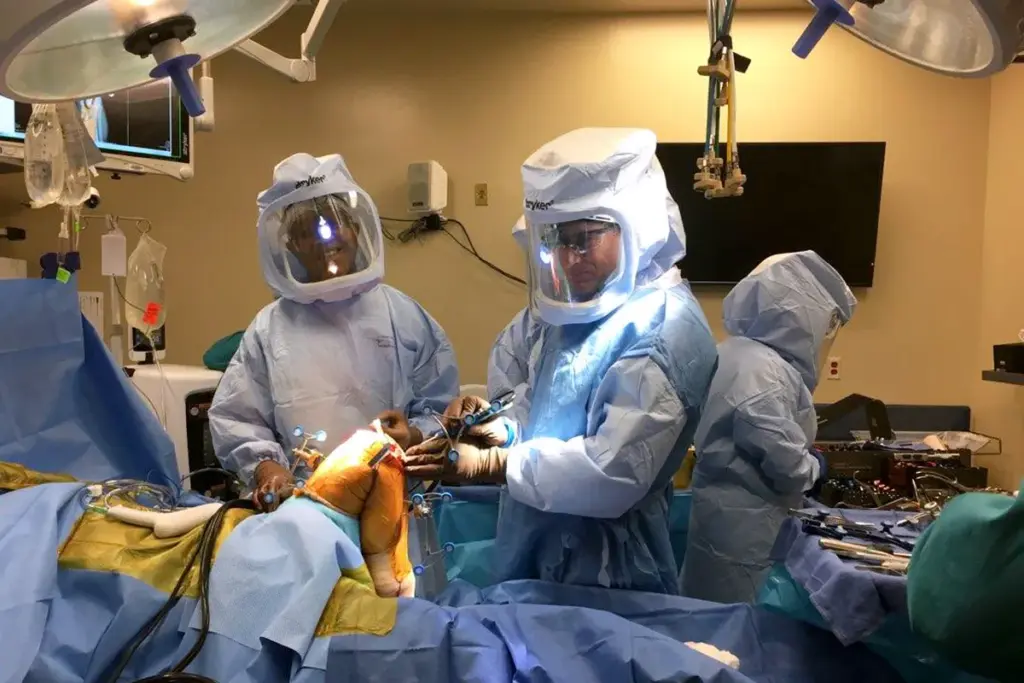
Joint replacement surgeries are becoming increasingly common for treating severe joint damage or arthritis. Over 1 million joint replacement procedures are done every year in the United States alone. Discover what knee surgery has the longest recovery time. Learn elite ways to manage negative pain for a miraculous healing journey.
Recovery ease varies significantly depending on the joint involved. We will explore the different types of joint replacement surgeries and their recovery processes. This will help patients make informed decisions about their treatment options.
Understanding the differences between these surgeries is key for patients. It helps them set realistic recovery expectations.
Key Takeaways
- Joint replacement surgeries are common procedures for treating severe joint damage or arthritis.
- Recovery ease varies depending on the joint involved.
- Understanding the differences between joint replacement surgeries is key for patients.
- Patients should set realistic recovery expectations based on the type of joint replacement.
- Comparing recovery difficulties associated with different joint replacements helps patients make informed decisions.
Understanding Joint Replacement Surgery
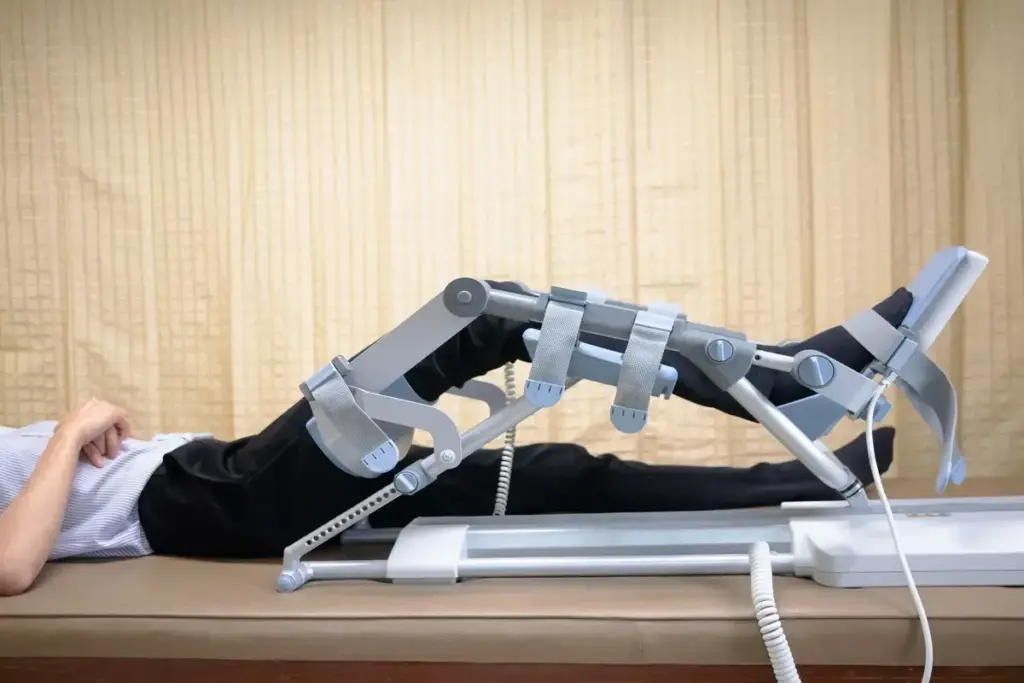
Joint replacement surgery is a big step for those considering it. It replaces a damaged or arthritic joint with an artificial one. This aims to ease pain and improve function.
Common Types of Joint Replacements
Hip, knee, and shoulder replacements are the most common. Each type helps with different joint problems. They offer relief and better mobility for those with arthritis or joint damage.
- Hip replacements help with severe hip arthritis or fractures.
- Knee replacements are for those with significant knee damage or arthritis.
- Shoulder replacements are for severe shoulder arthritis or fractures.
Why Joint Replacements Are Performed
These surgeries aim to reduce pain, improve function, and enhance life quality. They’re considered when other treatments fail to help.
Choosing to have joint replacement surgery is a big decision. It’s made after talking with healthcare experts. They consider the patient’s health, condition severity, and personal wishes.
General Recovery Expectations
Recovery times vary based on the surgery type, patient health, and rehabilitation follow-up. Most patients see a big improvement in their condition. They experience less pain and better mobility.
But, recovery can be affected by several things. These include age, pre-surgery health, and any other health issues. Knowing these factors and having realistic hopes is key for a good recovery.
What Is the Easiest Joint Replacement to Recover From?
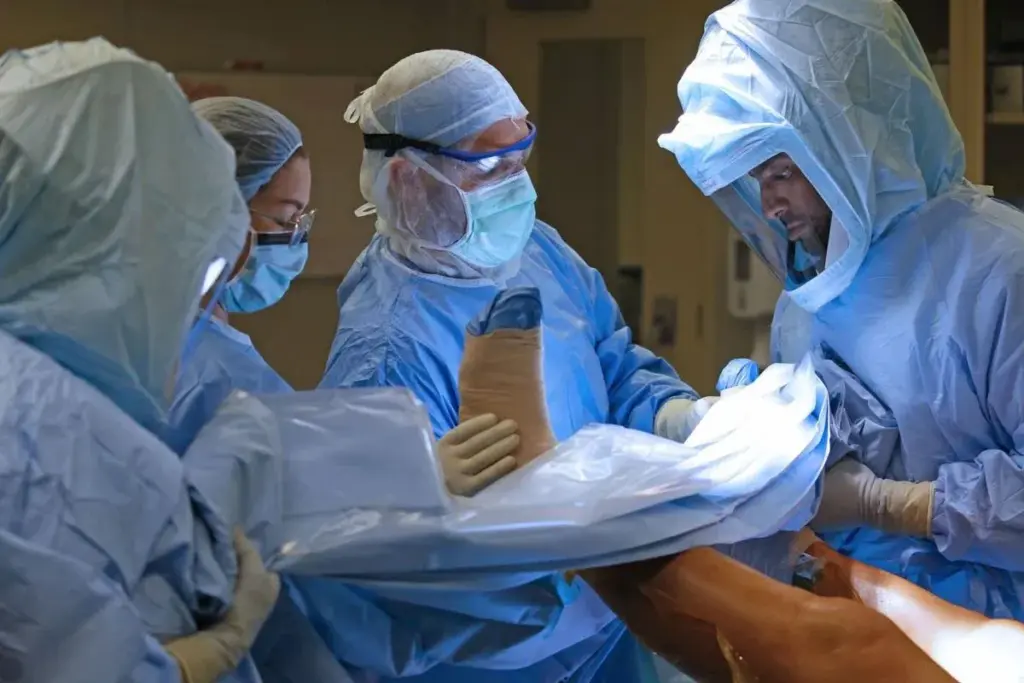
Medical technology and surgery have improved a lot. This makes recovering from joint replacements easier for some joints than others. Knowing about the recovery process is key when thinking about surgery.
Comparing Recovery Difficulty Across Joints
Different joints have different levels of complexity for replacement surgery and recovery. For example, hip and knee replacements are common but have different recovery times. We’ll look at these differences to find out which joint replacement is easiest to recover from.
The recovery difficulty depends on many things. These include the surgical approach, the patient’s health, and the surgeon’s techniques. We’ll look at important factors that make recovery easier for different joint replacements.
Hip Replacement: Often Considered Easiest
Hip replacement surgery is often seen as one of the easiest to recover from. This is because the surgery is relatively simple and the body responds well. Minimally invasive techniques and advanced prosthetic designs also help with faster recovery.
- Reduced trauma to surrounding tissues
- Improved pain management protocols
- Enhanced rehabilitation programs
Factors That Make Some Recoveries Easier
Several factors make some joint replacements easier to recover from. These include:
- Surgical technique: Minimally invasive surgeries tend to have faster recovery times.
- Post-operative care: Advanced pain management and rehabilitation protocols play a big role.
- Patient health: Patients with fewer health issues and better physical condition before surgery often recover faster.
Understanding these factors and how they apply to different joint replacements helps patients prepare for recovery. It also helps them make better decisions about their care.
Hip Replacement Recovery Process
Understanding the recovery process after hip replacement surgery is essential for setting realistic patient expectations. The recovery involves a few weeks of rest and then physical therapy.
Typical Recovery Timeline
The time it takes to recover from hip replacement surgery varies. It depends on your health and the surgery type. Here’s a general outline:
- Immediate post-surgery recovery (1-2 weeks): Focus on pain management and initial mobility.
- Early recovery phase (2-6 weeks): Gradually increase mobility and strength through physical therapy.
- Mid-recovery phase (6-12 weeks): Continue to improve mobility and strength, with a focus on returning to normal activities.
Pain Management and Mobility
Managing pain is a big part of recovery. Doctors give pain meds to help. Physical therapy is also key to improve strength and movement.
Why Hip Replacements Often Have Easier Recoveries
Hip replacements tend to have easier recoveries than other joint surgeries. This is due to the surgery method and your health.
Anterior vs. Posterior Approach Impact
The surgery method affects recovery. The anterior approach, from the front, leads to quicker recovery and less damage. The posterior approach, from the back, might take longer.
|
Surgical Approach |
Recovery Time |
Tissue Damage |
|---|---|---|
|
Anterior |
Faster |
Less |
|
Posterior |
Longer |
More |
Knowing the differences helps patients prepare better for their recovery. It helps them make informed decisions about their care.
Knee Replacement: A More Challenging Recovery
Knee replacements are harder to recover from than hip replacements. This is because the knee is more complex and bears a lot of weight. The recovery time can vary, depending on if it’s a partial or total replacement.
Partial vs. Total Knee Replacement Recovery
The type of surgery affects how fast you can recover. Partial knee replacement is quicker and less painful. It only replaces the damaged part of the knee.
Total knee replacement is more extensive. It takes longer to recover but has improved thanks to new techniques and rehab programs.
Pain Levels and Management
Managing pain is key after knee surgery. Patients usually feel a lot of pain at first. Effective pain management strategiesinclude medicines, physical therapy, and sometimes nerve blocks.
The pain level can differ between partial and total replacements. Total replacements often cause more pain because they are more invasive.
Mobility Challenges During Recovery
Mobility is a big challenge after knee surgery. Patients often face stiffness, swelling, and limited movement. Physical therapy is vital for getting back on your feet.
Early and structured rehab programs are important. They help avoid complications and improve outcomes.
Patient Satisfaction Rates
Despite the challenges, most patients are very satisfied with their recovery. Studies show they see big improvements in pain and function. Satisfaction depends on pain management, rehab quality, and overall health.
What Knee Surgery Has the Longest Recovery Time?
Many people wonder which knee surgery takes the longest to recover from. The answer depends on the surgery’s complexity and how invasive it is. Knowing this helps set realistic recovery goals.
Recovery Timelines for Different Knee Surgeries
Total knee replacement is a common and major surgery. It has a long recovery time. Recovery can take several months, and full recovery might take up to a year.
|
Surgery Type |
Typical Recovery Time |
Full Recovery |
|---|---|---|
|
Total Knee Replacement |
3-6 months |
Up to 1 year |
|
Complex Knee Revision |
6-9 months |
1-2 years |
|
Bilateral Knee Replacement |
6-12 months |
1-2 years |
Complex Knee Revision Surgery Recovery
Complex knee revision surgery is more challenging. It involves fixing a previous knee replacement. This surgery needs more time for rehabilitation and physical therapy.
“Revision knee surgery is more challenging than primary knee replacement, often requiring a longer recovery period due to the complexity of the procedure and the patient’s previous condition.”
– Orthopedic Surgeon
Bilateral Knee Replacement Recovery
Bilateral knee replacement involves replacing both knees at once. This surgery has a long recovery time. Patients must rehabilitate both knees at the same time.
Factors That Extend Knee Surgery Recovery
Several factors can make knee surgery recovery longer. These include the patient’s health, age, and following the rehabilitation plan. Complications like infections or blood clots can also extend recovery.
Understanding these factors and typical recovery times helps patients prepare for their recovery.
Knee Surgery Recovery Timeline in Detail
Knowing the recovery timeline for knee surgery is key for patients. It helps them manage their expectations and the rehab process. The recovery has several phases, each with its own challenges and milestones.
Immediate Post-Surgery (1-2 Weeks)
The first recovery phase is critical and needs careful management. Right after surgery, patients are watched in the recovery room for hours. Pain management is a top priority, with medication given to ease discomfort. It’s important to:
- Rest and elevate the knee to reduce swelling
- Start gentle exercises as advised by healthcare providers
- Follow a medication plan for pain and infection prevention
Early Recovery Phase (2-6 Weeks)
In the early recovery phase, patients see improvements. Physical therapy is key, helping restore knee function and strength. Important activities include:
- Going from assisted walking to walking alone
- Doing exercises to improve knee movement
- Strengthening muscles around the knee
Mid-Recovery Phase (6-12 Weeks)
By the mid-recovery phase, most patients have made big strides. They can do daily tasks more easily and may start more challenging activities. Rehabilitation protocols focus on:
- Boosting knee strength and flexibility
- Improving balance and proprioception
- Increasing activity levels gradually
Long-Term Recovery (3-12 Months)
The long-term recovery phase sees continued improvement. Some may return to pre-surgery activity levels. Patients should:
- Keep up with a regular exercise routine for knee health
- Watch their knee for any complications
- Follow up with healthcare providers as needed
Recovering from knee surgery is a journey needing patience, commitment, and support. By understanding the recovery timeline and following rehab guidelines, patients can achieve the best outcomes and confidently return to their activities.
Knee Surgery Recovery Exercises and Rehabilitation
Rehabilitation is key for a good recovery after knee surgery. Exercises help improve strength, balance, and how well you sense your body position. This leads to a successful recovery.
Essential Early Phase Exercises
Start with gentle exercises early on to help your knee heal and avoid stiffness. Straight leg raises and quad sets are good. They keep your muscles toned without stressing your knee too much.
- Straight Leg Raises: Lie on your back, tighten your thigh muscles, and lift your leg a few inches off the bed. Hold for 5 seconds and repeat 10-15 times.
- Quad Sets: Sit with your leg straight out, tighten your thigh muscles, and hold for 5-10 seconds. Repeat 10-15 times.
Progressive Strengthening Protocols
As your knee gets better, start doing exercises that make your muscles stronger. Resistance band exercises and leg pressare great for this. They help strengthen the muscles around your knee.
- Resistance Band Exercises: Use resistance bands to perform leg curls and leg extensions, gradually increasing resistance as strength improves.
- Leg Press: Perform leg press exercises to target the quadriceps, hamstrings, and gluteal muscles, making your knee more stable.
Balance and Proprioception Training
Exercises that improve balance and how well you sense your body position are important. Single-leg stands and balance boards are good for this. They help you regain function and prevent injuries.
“Balance training is an often-overlooked aspect of knee rehabilitation that is vital for long-term success and injury prevention.” – Rehabilitation Specialist
Return to Activity Progression
Going back to normal activities slowly is important to avoid injury and ensure a good recovery. Start with low-impact activities like swimming and cycling. Then move to more challenging activities like running and jumping.
- Phase 1: Gentle activities like walking and swimming.
- Phase 2: Progress to low-impact aerobics and cycling.
- Phase 3: Gradually introduce high-impact activities like running and jumping.
By following a detailed rehabilitation plan, patients can get the best results after knee surgery.
Shoulder Replacement Recovery Considerations
The journey to recovery after shoulder replacement surgery varies. It depends on the type of surgery and the patient’s health. We’ll dive into these details to help you know what to expect.
Anatomical vs. Reverse Shoulder Replacement Recovery
There are two main types of shoulder replacement surgeries. Anatomical shoulder replacements try to keep the shoulder’s natural shape. Reverse shoulder replacements change the shoulder’s shape to help with certain rotator cuff issues.
Anatomical replacements focus on getting back the shoulder’s natural movement and strength. Reverse replacements might need a different recovery plan because of the changed anatomy.
Unique Challenges in Shoulder Recovery
Recovering from shoulder surgery comes with its own set of challenges. Patients often face stiffness and limited range of motion. This can be improved with specific physical therapy exercises.
Managing pain is also a big challenge during recovery. We’ll look at ways to handle pain while recovering from shoulder surgery.
Timeline for Return to Normal Activities
The time it takes to get back to normal after shoulder surgery varies. Most people start to see big improvements in 3 to 6 months after surgery.
- Right after surgery (0-6 weeks): Focus on managing pain and basic movement.
- Early recovery (6-12 weeks): Start strengthening and improving range of motion.
- Advanced recovery (3-6 months): Gradually return to more active tasks and sports.
Sleeping and Daily Function Challenges
Sleeping and daily tasks can be tough after shoulder surgery. Patients often need to change how they sleep and do daily activities to help their shoulder heal.
Using adaptive equipment and adjusting daily tasks can make things easier. It’s a good idea to talk to healthcare experts to create a plan for managing daily life during recovery.
Ankle and Other Joint Replacements: Recovery Comparisons
Other joints like ankles, wrists, and elbows also get replaced. Each has its own recovery challenges. It’s key to understand these unique recovery processes.
Ankle Replacement Recovery Process
Ankle replacement surgery replaces the damaged joint with an artificial one. The recovery is tougher than for hips or knees because the ankle bears weight.
Patients must elevate their foot for weeks to reduce swelling. They start with light weight-bearing activities. Physical therapy is vital for ankle strength and mobility.
Wrist and Elbow Replacement Recovery
Wrist and elbow replacements are less common but vital for those with severe arthritis. Recovery involves immobilization, physical therapy, and rehabilitation.
Wrist patients often wear a splint at first. Elbow patients focus on regaining movement and strengthening muscles.
Comparing Recovery Difficulty
It’s hard to compare recovery difficulty across joints. Each has its own challenges. Weight-bearing joints like ankles face tougher recoveries due to the need for gradual weight-bearing.
|
Joint Replacement |
Typical Recovery Time |
Weight-Bearing Status |
|---|---|---|
|
Ankle |
3-6 months |
Non-weight-bearing initially |
|
Wrist |
2-4 months |
Non-weight-bearing initially |
|
Elbow |
2-4 months |
Variable weight-bearing |
Weight-Bearing Considerations
Weight-bearing is key in joint replacement recovery, more so for lower extremity joints like the ankle. It affects the rehab plan and when you can return to normal activities.
Ankle patients are often non-weight-bearing or partial weight-bearing for weeks. Wrist and elbow patients focus on movement and strength.
Factors That Influence Joint Replacement Recovery
Recovery from joint replacement surgery is complex. It depends on many factors. Knowing these can help patients and doctors improve recovery.
Age and Overall Health
Age and health are key in recovery. Younger, healthier patients usually recover faster. But, new medical tech and care help older or sicker patients too.
Important health factors include:
- Pre-existing medical conditions such as diabetes or heart disease
- Physical condition before surgery, including muscle strength and flexibility
- Nutritional status, as good nutrition aids healing
Pre-Surgery Conditioning
Being in good shape before surgery helps a lot. Patients who exercise and do physical therapy:
- Get back to moving faster
- Feel less pain after surgery
- Stay in the hospital less time
These exercises strengthen muscles and improve fitness.
Surgical Technique and Approach
The surgery method also matters. Minimally invasive surgery causes less damage, less pain, and quicker healing than open surgery.
Doctors choose based on the patient’s health and the joint. The method affects:
- How long recovery takes
- How much pain there is after surgery
- The chance of complications
Post-Surgery Rehabilitation Commitment
Commitment to rehab is vital for a good recovery. Rehab includes physical therapy and lifestyle changes. It helps the joint work right and lowers complication risks.
Following rehab plans leads to better results. Patients get better joint function and lower complication risks.
Practical Tips for Knee Surgery Recovery
To recover well from knee surgery, you need the right strategies and support. It’s not just about the surgery. You also need a plan for preparation, pain management, and rehabilitation.
Home Preparation Before Surgery
Getting your home ready before surgery can really help your recovery. Simple changes can make a big difference in your comfort and safety.
- Clearing clutter and securing loose rugs to prevent falls
- Setting up a comfortable recovery area with necessary items within reach
- Installing handrails or grab bars in strategic locations
Pain Management Strategies
Managing pain well is key to a smooth recovery. We suggest a mix of medication, physical therapy, and alternative therapies like acupuncture or massage.
- Following the prescribed medication regimen carefully
- Engaging in gentle exercises as recommended by your healthcare provider
- Exploring alternative pain relief methods
Adaptive Equipment and Modifications
Adaptive equipment can really help your recovery by easing the strain on your knee. Essential items include a walker, crutches, or a knee scooter for moving around. Tools like reachers or grabbers are also helpful for daily tasks.
Nutrition and Hydration for Optimal Healing
Eating well is important for healing. A diet full of nutrients, vitamins, and minerals is key. Drinking plenty of water is also vital for recovery and to avoid complications.
- Eating a balanced diet with fruits, vegetables, lean proteins, and whole grains
- Drinking lots of water all day
- Avoiding too much caffeine and alcohol
By using these tips, you can make your knee surgery recovery better. This will help you have a smoother and more successful recovery.
Common Complications That Can Extend Recovery Time
After joint replacement surgery, several complications can prolong recovery. Joint replacement surgeries are usually successful. But, knowing about possible complications is key for a smooth recovery.
Infection and Wound Healing Issues
Infection is a big complication that can slow down recovery. We do everything we can to avoid it. But, if it happens, we treat it quickly with antibiotics or more surgery.
Wound healing problems can also slow things down. Age, diabetes, or poor blood flow can make healing harder. So, we watch the wound closely and take good care of it.
Blood Clots and Circulation Problems
Blood clots are another issue after joint replacement. We use medicine and encourage moving around early to prevent them.
Problems with blood flow can also affect recovery. People with blood flow issues need extra care to avoid problems.
Implant-Related Complications
Though rare, problems with implants like loosening or wear can happen. Regular check-ups help catch these issues early.
Stiffness and Range of Motion Limitations
Stiffness and limited movement are common challenges after surgery. A good rehab plan is vital to get back to normal.
|
Complication |
Risk Factors |
Management Strategies |
|---|---|---|
|
Infection |
Poor wound care, diabetes |
Antibiotics, wound care |
|
Blood Clots |
Immobility, clotting disorders |
Anticoagulants, early mobilization |
|
Implant Loosening |
Implant quality, surgical technique |
Regular follow-ups, revision surgery if needed |
|
Stiffness |
Lack of rehabilitation, pre-existing conditions |
Physical therapy, pain management |
Conclusion
Knowing how to recover from different joint replacements is key for patients. This helps them get ready for surgery and rehab. We’ve looked at various parts of joint replacement recovery in this article.
Hip replacement is often seen as the easiest to recover from. It has a simpler recovery process. Knee replacement recovery, on the other hand, can be tougher. The recovery time varies based on the surgery type and the patient’s health.
Understanding these differences helps patients prepare for their recovery. This knowledge lets them make better choices for their care and rehab. It leads to the best possible recovery outcomes.
As medical tech and surgery methods get better, so does joint replacement recovery. We suggest patients talk to their doctors. This way, they can create a recovery plan that fits their needs.
FAQ
What is the hardest surgery to recover from?
The hardest surgery to recover from can vary. But, complex revision surgeries like knee revision are often very challenging. This is because they are complex and can cause a lot of tissue damage.
What is the most painful joint replacement surgery?
Pain is different for everyone, but total knee replacement is often seen as more painful than hip replacement at first. Thanks to better pain management, patients can now handle the pain better.
What knee surgery has the longest recovery time?
Bilateral knee replacement and complex knee revision surgery take longer to recover from than primary total knee replacement. These surgeries can take more than several months to fully recover from.
How long is the recovery period for knee surgery?
Knee surgery recovery times vary. Generally, patients see big improvements in 3-6 months. But, getting back to high-level activities can take up to a year or more, depending on the surgery and individual factors.
What are the factors that influence joint replacement recovery?
Several factors affect joint replacement recovery. These include age, health, pre-surgery fitness, surgical method, and post-surgery rehab. These elements greatly impact recovery and outcomes.
How can I prepare my home for knee surgery recovery?
To prepare your home, clear clutter and set up a comfy recovery area. Make sure important items are easy to reach. Using adaptive equipment like grabbers and raised toilet seats can also help.
What are the common complications after joint replacement surgery?
Common complications include infection, wound issues, blood clots, and implant problems. Knowing these risks and following post-op instructions can help avoid them.
How can I manage pain after joint replacement surgery?
Managing pain involves medication, physical therapy, and sometimes alternative therapies like acupuncture. A personalized pain plan with your healthcare provider can improve recovery.
What exercises are essential for knee surgery recovery?
Key exercises include early leg raises, strengthening, balance training, and gradual activity return. These exercises are part of a complete rehab plan.
How long does it take to return to normal activities after shoulder replacement surgery?
Shoulder replacement surgery recovery times vary. Most patients see big improvements in 3-6 months. But, getting back to high-level activities can take longer.
References
https://advanced.onlinelibrary.wiley.com/doi/full/10.1002/aisy.202300039