What is the minimum platelet count for chemo? Find out what level of platelets is dangerous and the crucial cutoff for major bleeding risk.
Thrombocytopenia is a condition where kids have a low platelet count. Platelets are key to blood clotting. Without enough, kids can face bleeding problems.
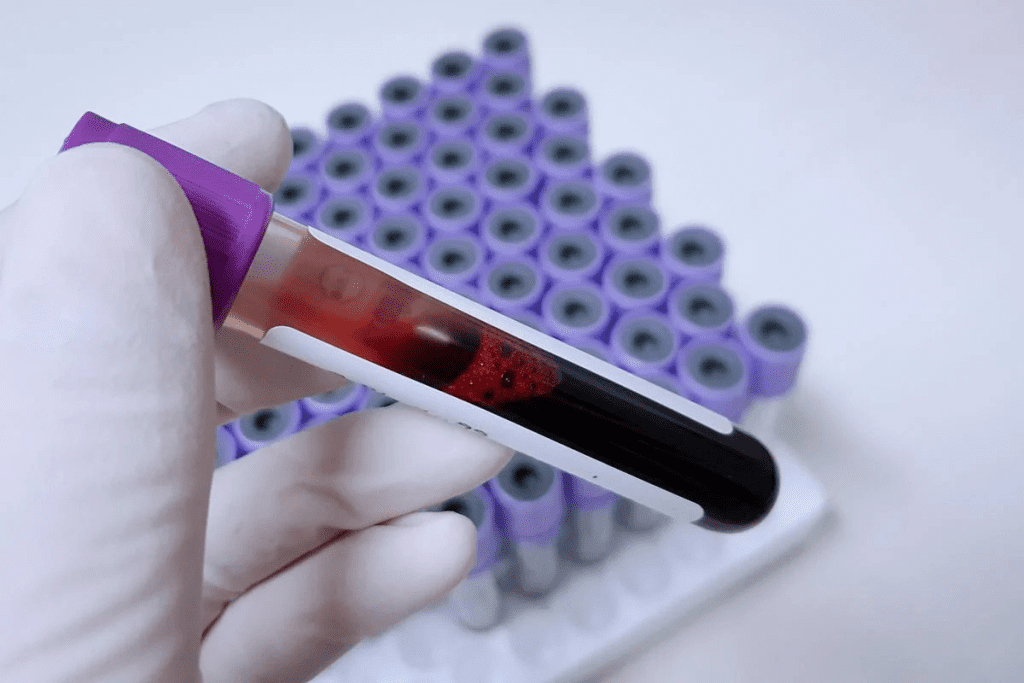
It’s important to know that thrombocytopenia affects about 8.3% of kids in the hospital. Parents and caregivers need to understand this to help their kids live better lives.
Key Takeaways
- Thrombocytopenia affects about 8.3% of hospitalized children.
- A low platelet count can lead to bleeding complications.
- Understanding thrombocytopenia is key to effective management.
- Platelet count is a critical factor in diagnosing thrombocytopenia.
- Knowing the normal platelet count range can help identify abnormalities.
What is Thrombocytopenia in Children?
Thrombocytopenia, or low platelet count, is a condition that can affect kids of all ages. It needs a detailed approach for diagnosis and treatment. We will look into what thrombocytopenia is, how common it is in kids, and its severity levels.
Definition and Normal Platelet Counts
Thrombocytopenia is when a child’s platelet count drops below 150 x 10^9/L of blood. Normally, kids have platelet counts between 150 and 400 x 10^9/L. These counts are checked through a complete blood count (CBC), which includes the PLT blood test. Knowing these numbers is key to spotting thrombocytopenia.
Prevalence: Affecting 8.3% of Hospitalized Children
Research shows thrombocytopenia impacts about 8.3% of kids in the hospital. The average age of kids with this condition is around 12 years.
Severity Classification in Pediatric Patients
The severity of thrombocytopenia depends on the platelet count:
- Mild: Platelet count between 100 and 150 x 10^9/L
- Moderate: Platelet count between 50 and 100 x 10^9/L
- Severe: Platelet count below 50 x 10^9/L
Primary Causes of Low Platelet Count in Kids
Thrombocytopenia in kids can be caused by infections, immune issues, and other factors. Knowing these causes helps doctors diagnose and treat the condition better.
Infections: Responsible for 91% of Cases
Infections are the main reason for thrombocytopenia in children, making up about 91% of cases. Viruses like Epstein-Barr virus (EBV) and cytomegalovirus (CMV) are common offenders. Bacterial infections also play a role. We’ll look at how these infections affect platelet counts and kids’ health.
Immune-Mediated Thrombocytopenia
Immune thrombocytopenia, like Immune Thrombocytopenia (ITP), happens when the immune system attacks platelets. This can cause very low platelet counts and bleeding. We’ll dive into how ITP affects kids.
Other Possible Causes in the Pediatric Population
Other things can also lower platelet counts in kids. These include some medicines, bone marrow problems, and genetic issues. We’ll go over these in more detail, focusing on their impact on kids.
Finding out why a child has thrombocytopenia is key to treating it right. By understanding the different causes, doctors can tailor treatments to help kids with thrombocytopenia.
Immune Thrombocytopenia (ITP): The Most Common Form
Immune thrombocytopenia (ITP) is a common condition in kids. It causes low platelet counts because of the immune system’s problems. We’ll dive into this topic, looking at how common it is, who it affects, and its types in children.
Incidence: Understanding the Frequency
ITP happens to 2“7 kids per 100,000 each year. It’s not very common but very important. This shows why we need to know about it and diagnose it right in kids.
ITP is an autoimmune disease. The immune system attacks platelets, causing low counts.
Age Distribution and Risk Factors
ITP can happen at any age in kids, but some ages are more common. Knowing this helps us catch it early and treat it better. Both genes and the environment can affect ITP.
Acute vs. Chronic ITP in Children
ITP in kids can be either acute or chronic. Acute ITP starts suddenly and usually goes away in a few months. Chronic ITP lasts more than 12 months.
We treat acute and chronic ITP differently. Knowing the difference helps us predict how it will go and support families better.
Managing ITP, whether it’s acute or chronic, needs a full plan. This includes medicine, lifestyle changes, and emotional support. By understanding ITP, we can help kids and their families more.
Recognizing Symptoms of Thrombocytopenia in Children
It’s important to know the signs of thrombocytopenia in kids. This condition means they have low platelets. It can cause bleeding problems that parents need to watch for.
Common Bleeding Manifestations
Children with thrombocytopenia might show certain signs of bleeding. These include:
- Easy bruising
- Petechiae (small, pinpoint spots on the skin)
- Nosebleeds
- Bleeding gums
- Prolonged bleeding from cuts or injuries
Most kids with Immune Thrombocytopenia (ITP) have mild bleeding signs. But it’s key to keep an eye on these symptoms. They can sometimes mean a more serious problem.

Mild Bleeding: Present in Up to 86% of Cases
Mild bleeding signs are common in kids with thrombocytopenia. They happen in up to 86% of cases. These can be easy bruising and petechiae. While these signs can worry you, they are usually treatable.
Key symptoms to watch for include:
- Petechiae on the skin, especially on the legs
- Easy bruising without apparent cause
- Nosebleeds that are hard to stop
Warning Signs Requiring Immediate Medical Attention
While many cases of thrombocytopenia have mild symptoms, some cases require quick medical help. These include:
- Severe bleeding that doesn’t stop
- Blood in the urine or stool
- Headaches or confusion, which could mean bleeding in the brain
If your child shows any of these serious symptoms, get medical help fast. Quick action can greatly improve their treatment and outcome.
Diagnostic Approach to Pediatric Thrombocytopenia
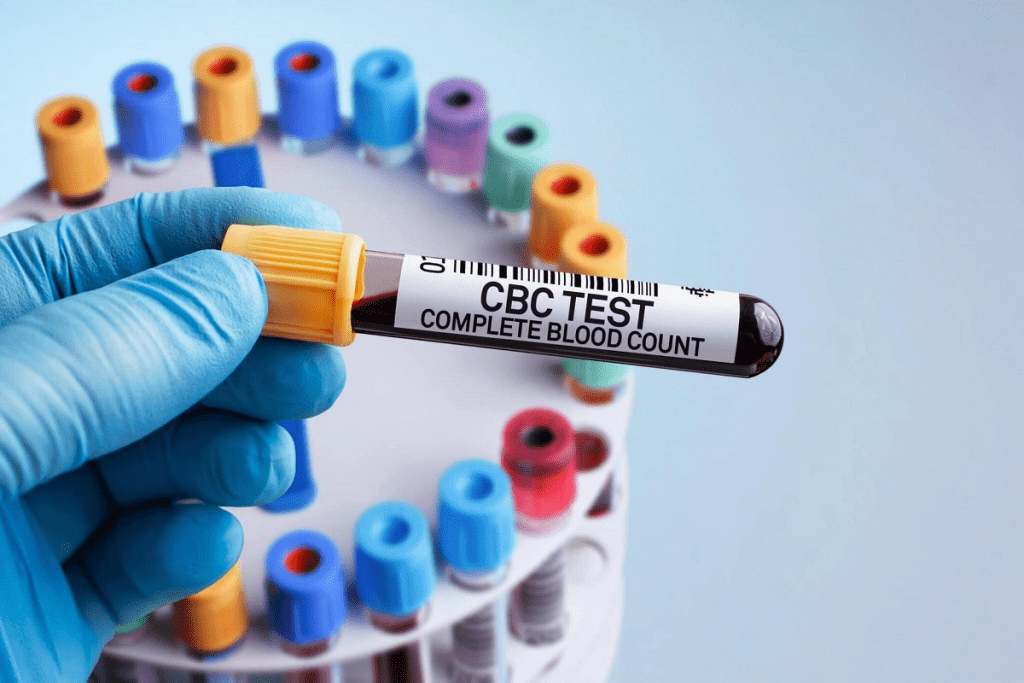
Diagnosing pediatric thrombocytopenia starts with a complete blood count. This test checks the platelet count. It’s key to see how severe the thrombocytopenia is and what steps to take next.
Complete Blood Count and Platelet Studies
A complete blood count (CBC) is the main tool for diagnosing thrombocytopenia. It counts the platelets, which are vital for making a diagnosis. A CBC also looks for other blood issues linked to thrombocytopenia.
Key components of a CBC include:
- Platelet count: To diagnose thrombocytopenia
- White blood cell count: To check for infections or other conditions
- Red blood cell count: To assess for anemia or other red cell disorders
Bone Marrow Examination: When Is It Necessary?
A bone marrow examination is not always needed, but is considered in some cases. It helps figure out the cause of thrombocytopenia, like when the diagnosis is unclear or when there’s a suspicion of bone marrow failure.
The decision to perform a bone marrow examination is based on:
- Severity of thrombocytopenia
- Presence of other abnormal blood cell counts
- Failure to respond to initial treatments
Ruling Out Other Conditions
Diagnosing thrombocytopenia also means checking for other conditions that might cause low platelet counts. This includes infections, autoimmune disorders, and certain medications.
Tests to rule out other conditions may include:
- Viral serologies to check for infections
- Autoimmune antibody tests to diagnose autoimmune thrombocytopenia
- Medication history to identify possible drug-induced thrombocytopenia
By using a systematic approach, doctors can accurately diagnose thrombocytopenia. They can also find the cause, which helps guide the right treatment.
Pediatric Thrombocytopenia Effects on Daily Activities and Quality of Life
Pediatric thrombocytopenia affects more than just a child’s health. It impacts their daily life and emotional well-being. Kids with this condition face challenges that affect their quality of life, from limited physical activities to emotional and psychological effects.
Physical Activity Restrictions and Safety Precautions
Children with thrombocytopenia often can’t play contact sports. This is because these activities increase the risk of bleeding. Safety precautions are key to preventing injuries. Wearing protective gear like helmets and knee pads can help.
Parents and caregivers must keep the child’s environment safe. This means making sure the home is free from hazards and being careful during playtime.
School and Social Participation Challenges
Thrombocytopenia can also affect a child’s school and social life. Kids might need to avoid certain activities or take breaks to rest. Communicating with teachers and school administrators is important to get the support they need.
Social interactions can be tough due to the need to avoid activities or because of visible bruises. Emotional support and open communication can help kids deal with these challenges.
Emotional and Psychological Impact
The emotional and psychological effects of thrombocytopenia on children should not be ignored. Living with a condition that requires constant care and might limit activities can be hard. Kids may feel different or left out, which can hurt their self-esteem.
Emotional support from family, caregivers, and mental health professionals is essential. Encouraging kids to share their feelings and concerns can help them cope better.
Understanding how thrombocytopenia affects daily life and quality of life helps us support children and their families better.
Treatment Options for Children with Low Platelet Counts
Managing thrombocytopenia in kids depends on the cause and how severe it is. We’ll look at different treatments, from simple to more complex ones.
Observation Strategy for Mild Cases
Kids with mild thrombocytopenia and few symptoms might just need to be watched closely. Their platelet counts are checked regularly. For kids with counts over 30,000/ µL and no big bleeding issues, just watching is often enough.
Parents should keep an eye out for signs of bleeding, like bruises or nosebleeds. It’s important to know when to call the doctor if bleeding is bad or if other symptoms are worrying.
Medication Interventions
For kids with serious thrombocytopenia or big bleeding problems, medicine might be needed. Corticosteroids are often the first choice. They help make more platelets and stop them from being destroyed. Medicines like prednisone are commonly used, given in doses of 1-2 mg/kg/day.
In some cases, other medicines like IVIG or anti-D immunoglobulin might be used. IVIG is good for quick platelet count boosts. The right medicine depends on why the platelet count is low and the child’s health.
Platelet Transfusions: Indications and Considerations
Platelet transfusions are for kids with very low platelet counts who might bleed a lot. They’re usually for kids with counts under 10,000/ µL or those at high risk of bleeding with counts under 20,000/ µL.
Deciding on a transfusion is a big deal. It involves thinking about the risks of reactions and infections. We balance these risks against the need to stop or control bleeding.
In conclusion, treating thrombocytopenia in kids is very specific. It depends on how bad it is, why it’s happening, and the child’s health. Knowing about the different treatments helps families deal with this condition better.
Age-Specific Considerations and Outcomes
Age is key in treating pediatric thrombocytopenia. It affects how the condition is managed in different age groups, from babies to teens.
Infants and Toddlers: Resolution Within 2 Months
Infants usually see their Immune Thrombocytopenia (ITP) clear up in 2 months. Research shows that younger kids often recover faster. Knowing this helps doctors plan better treatment.
Chronic ITP Risk: Lower in Infants (4%) vs. Toddlers
The chance of chronic ITP changes with age. Infants face a much lower risk, about 4%. This knowledge helps doctors tailor care for each child.
Adolescents with Thrombocytopenia: Special Considerations
Teenagers with thrombocytopenia face special challenges. They might deal with chronic ITP, affecting their quality. Treating them requires looking at both physical and emotional health.
Understanding age-specific aspects of pediatric thrombocytopenia helps doctors give better care. This targeted approach improves treatment results and boosts the quality of life for affected kids.
Guidance for Parents of Children with Thrombocytopenia
Caring for a child with thrombocytopenia is more than just medical treatment. It’s about their overall well-being. As a parent, you play a key role in managing their condition and improving their quality.
Home Care and Safety Measures
Making your child’s environment safe is essential. This means preventing injuries that could cause bleeding. Simple steps like padding furniture, using soft toys, and watching playtime can help a lot.
It’s also important to keep a close eye on your child for any signs of bleeding or bruising. Knowing when to get medical help quickly is key. Keeping records of platelet counts and symptoms helps doctors, too.
Communicating with Schools and Caregivers
Talking to your child’s school and caregivers is vital. Tell them about your child’s condition, the precautions needed, and emergency steps. Giving written instructions and healthcare team contact info is very helpful.
- Make sure school staff know about your child’s condition and how to handle bleeding.
- Talk about any special needs or changes to activities to keep your child safe.
Supporting Your Child’s Emotional Well-being
Thrombocytopenia can affect a child’s emotions deeply. It’s important to support their emotional well-being by talking openly about their feelings and condition. Encourage normal activities and socializing, while keeping safety in mind.
Looking for help from counselors or support groups can be beneficial. They offer guidance and a sense of community for your child and family.
Conclusion: Prognosis and Long-Term Outlook
We’ve talked about thrombocytopenia in kids, a condition that affects platelet counts. It can cause many problems. But, most kids with this condition get better fully.
The future looks good for kids with thrombocytopenia. It depends on the cause and how wethe ll treatment works. With the right care, most kids do well.
It’s important to know about the condition, its signs, and get medical help. Thanks to new treatments, many kids can live active lives. They face a few limits.
By teaming up with doctors and following a special treatment plan, families can help their kids. This way, they can have a bright future ahead.
FAQ
What is thrombocytopenia in children?
Thrombocytopenia is when a child has too few platelets in their blood. This can cause bleeding problems. It’s when the platelet count is less than 150 x10^9/L.
What are the normal platelet counts in children?
Normal platelet counts in kids are between 150 to 450 x10^9/L. Counts below 150 x10^9/L might mean thrombocytopenia.
What causes thrombocytopenia in children?
Thrombocytopenia in kids can be caused by infections, immune issues, and other factors. In most cases, about 91%, are due to infections.
What is immune thrombocytopenia (ITP), and how common is it in children?
ITP is when the immune system attacks and destroys platelets. This leads to low platelet counts. It affects 2-7 kids per 100,000 each year.
What are the symptoms of thrombocytopenia in children?
Symptoms range from small bruises and spots to serious bleeding. Up to 86% of kids show mild bleeding signs.
How is thrombocytopenia diagnosed in children?
Diagnosing it starts with a complete blood count to check platelet levels. Sometimes, a bone marrow test is needed.
How does thrombocytopenia affect a child’s daily life?
Kids with thrombocytopenia might have to avoid contact sports and take safety steps. It can also affect their mood and social life.
What are the treatment options for children with thrombocytopenia?
Treatments include watching mild cases, using medicines, and giving platelet transfusions. The right treatment depends on how severe it is and the cause.
How does the age of the child affect the outcome of thrombocytopenia?
A child’s age affects how thrombocytopenia is managed. Young kids often get better in 2 months, but teens might need special care.
What can parents do to care for a child with thrombocytopenia?
Parents can help by setting up home safety, talking to schools, and supporting their child’s emotional health.
What is the prognosis for children with thrombocytopenia?
With the right care, most kids with thrombocytopenia do well. It can be managed, and many kids fully recover.
What is a low MPV blood test, and how is it related to thrombocytopenia?
A low MPV test shows platelets are smaller than usual. It’s not a direct diagnosis, but it helps in checking thrombocytopenia.
Can thrombocytopenia be a sign of an underlying condition?
Yes, it can signal an infection, immune issue, or bone marrow problem. A detailed check is needed to find the cause.
References
- Urooj, H., et al. (2024). Characterization of thrombocytopenia in pediatric patients admitted postflood period: Frequency and severity. Indian Journal of Critical Care Medicine, 28(1), 20-26.https://pubmed.ncbi.nlm.nih.gov/39737628/
- Bennett, C., et al. (2023). Treatment landscape in pediatric immune thrombocytopenia: Current challenges and unmet needs. Pediatric Blood & Cancer, 70(7), e31758.https://onlinelibrary.wiley.com/doi/10.1002/pbc.31758