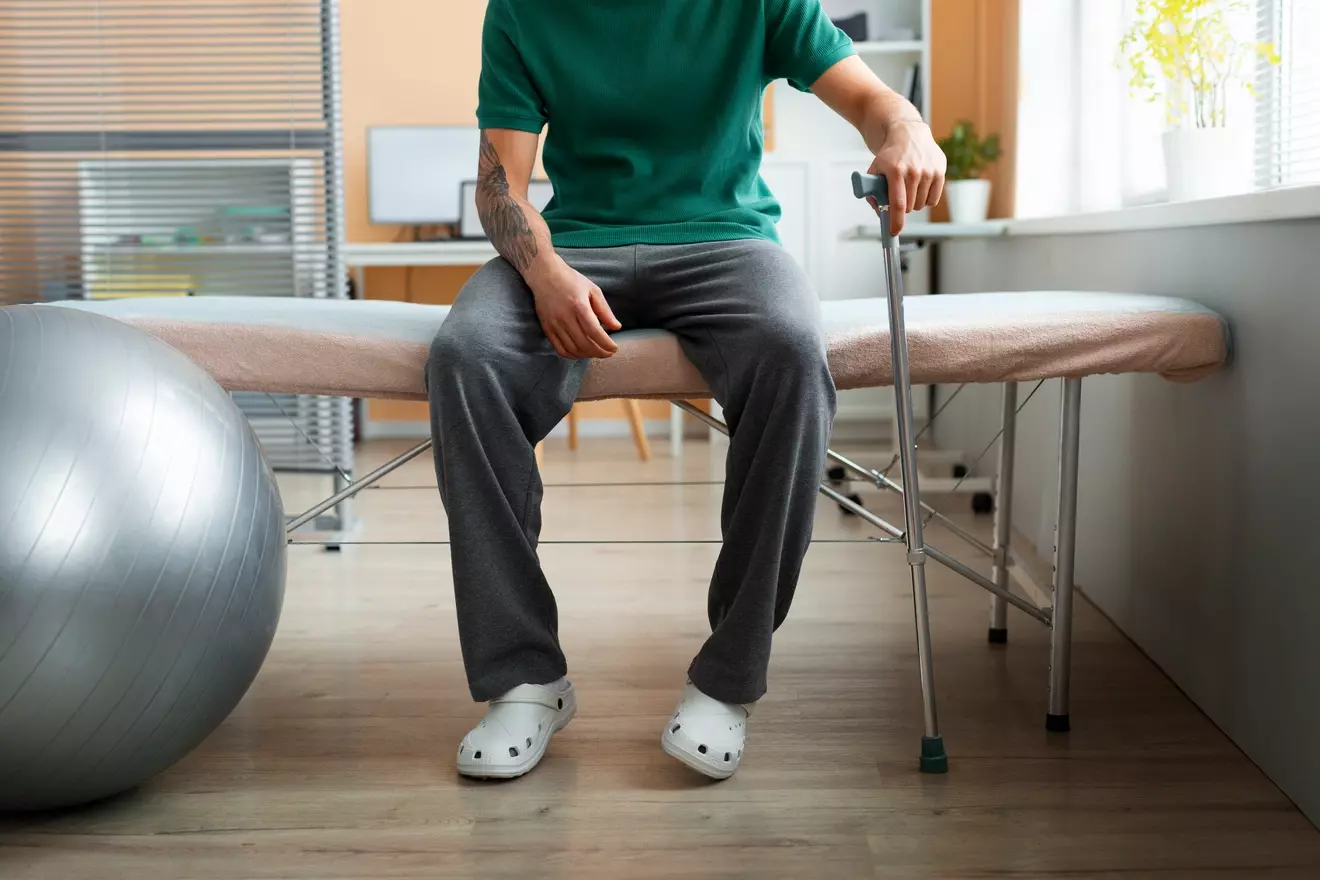
After knee replacement surgery, many patients wonder about safe movements. This includes kneeling and crossing legs. At Liv Hospital, we focus on your recovery with the latest care. Knowing about knee replacement recovery is key for a good outcome.
We help you through the recovery, focusing on safe movements. It’s best to avoid crossing legs for 6 to 8 weeks. Our team supports you, making sure your recovery is smooth and effective.
Key Takeaways
- Understand the recovery timeline after knee replacement surgery.
- Learn safe movements to avoid complications.
- Discover when you can resume activities like kneeling.
- Find out why crossing legs is generally not recommended for 6 to 8 weeks.
- Maximize your knee replacement success with proper care.
Understanding Your New Knee: The Basics of Knee Replacement Recovery
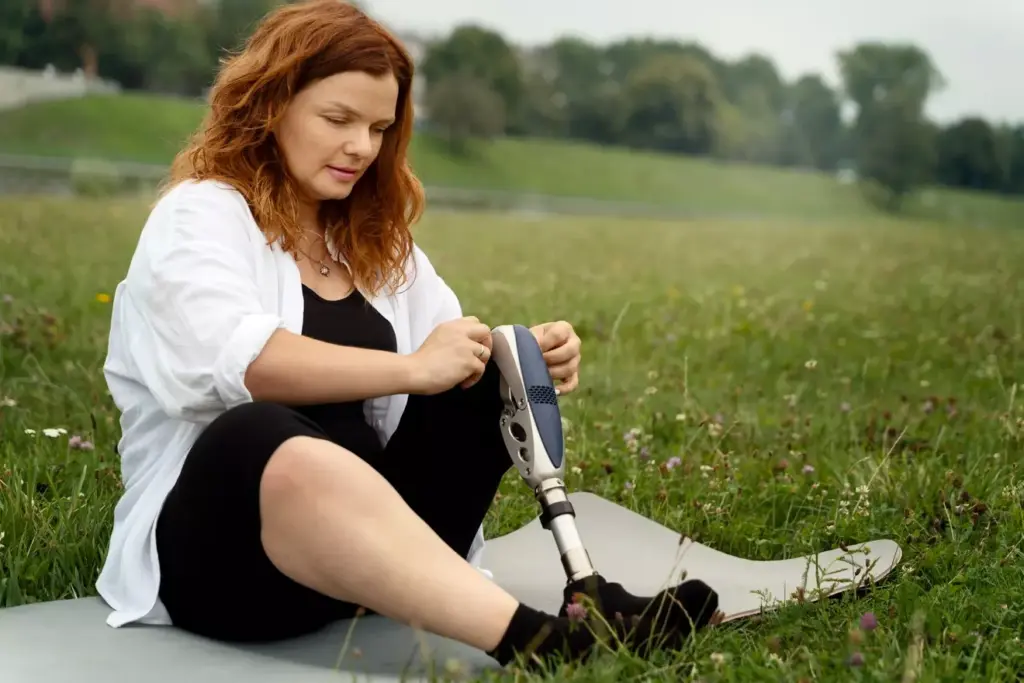
Recovering from knee replacement surgery starts with knowing your new knee. Your new knee is made of artificial parts that move like your old one. But, it’s different from your natural knee.
How Your Artificial Knee Differs from Your Natural Joint
Your artificial knee is strong and lasts long, but it’s not as flexible as your natural knee. The materials used are typically a combination of metal and plastic, chosen for their strength and body compatibility. Knowing these differences helps you set realistic recovery goals.
One big difference is in how the joint works. Your natural knee has many muscles and ligaments for support. But, your artificial knee depends on the surgery and materials used. This means some movements might be harder or need more care.
The Importance of Following Movement Guidelines
It’s key to follow movement guidelines after surgery for proper healing and to avoid problems. Your surgeon will give you specific advice based on your situation and surgery type. These guidelines help you build strength and mobility while avoiding risks.
Sticking to these guidelines is vital for a smooth recovery. Some positions or actions might stress your new knee too much. By following the guidelines, you can make your recovery easier and more effective.
Remember, recovery takes time. Being patient and sticking to your rehab plan is essential for the best results. Your healthcare team will watch your progress and adjust your plan as needed.
The Timeline of Recovery: What to Expect Week by Week
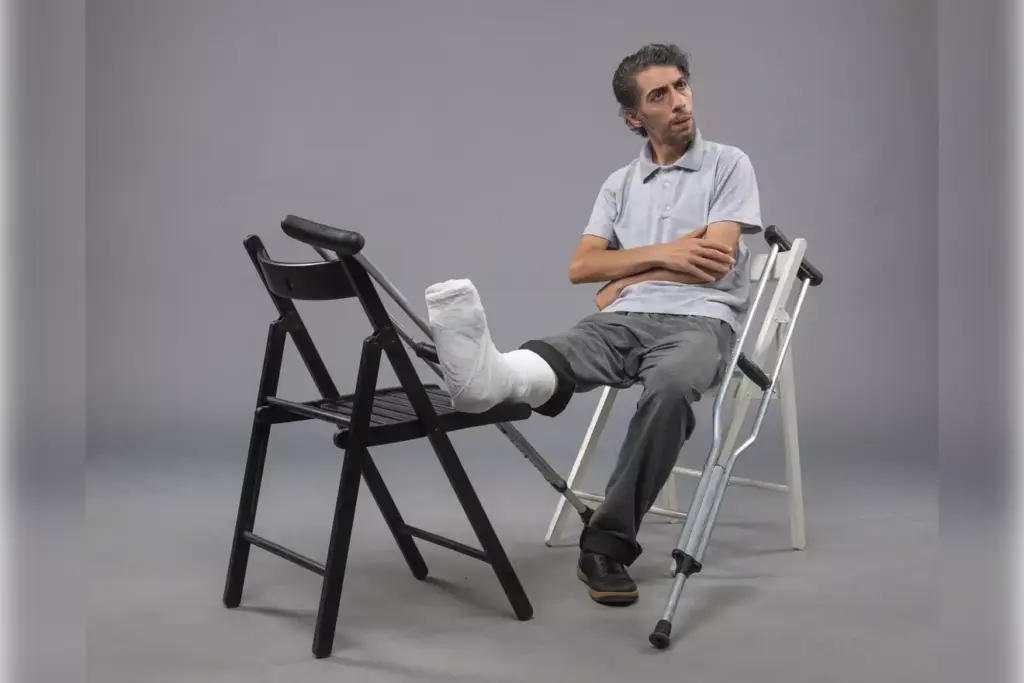
After knee replacement surgery, the recovery process unfolds in distinct stages, each with its own milestones. Understanding these stages is essential for managing expectations and ensuring a smooth healing process. We will guide you through the critical phases of recovery, from the initial healing period to long-term adaptation.
First 6 Weeks: Critical Healing Period
The first six weeks after knee replacement surgery are critical for initial healing. Your body is working to repair the surgical site and start rebuilding strength around the new knee. It’s normal to experience swelling, pain, and limited mobility.
“The first six weeks are critical,” as noted by orthopedic specialists, “because they lay the foundation for the rest of your recovery.” We recommend following a strict regimen of physical therapy exercises to enhance healing and minimize complications.
- Manage pain through medication and rest
- Perform gentle exercises to maintain range of motion
- Gradually increase weight-bearing activities
6 Weeks to 3 Months: Expanding Your Movement Range
Between 6 weeks and 3 months after surgery, you will start to notice significant improvements in your knee’s range of motion and overall function. This phase is characterized by expanding your physical activities and strengthening the muscles around your new knee.
At this stage, physical therapy becomes even more critical as it helps in regaining strength and improving flexibility. You may also start to resume more daily activities, though some caution is advised.
- Continue with physical therapy exercises
- Gradually increase the intensity of your activities
- Start to reintroduce more strenuous tasks
3+ Months: Long-term Recovery and Adaptation
Beyond three months, you will enter the long-term recovery phase, where your knee continues to adapt and strengthen. Most patients achieve significant recovery by this stage, with continued improvement in function and reduction in pain.
“With time and consistent rehabilitation, patients can achieve a remarkable level of function and quality of life after knee replacement surgery,” says a leading orthopedic surgeon.
During this phase, it’s essential to maintain a healthy lifestyle, including regular exercise and a balanced diet, to support your new knee and overall well-being.
Crossing Legs After Knee Replacement: Is It Safe?
Crossing legs is something many do without thinking, but is it okay after knee surgery? This is a big question for those recovering from knee replacement. The worry is real because some actions can mess with healing and the life of the artificial knee.
Why Surgeons Advise Against Crossing Legs Initially
Doctors tell patients not to cross their legs right after surgery. This is because it can put too much stress on the new knee. The artificial knee needs time to settle and bond with the bone and tissue around it. Crossing legs can put too much pressure, which can slow down healing.
At first, the goal is to let the knee heal without extra stress. Crossing legs involves bending, rotating, and putting stress on the knee from the side. This is hard for the new knee to handle, mainly in the early recovery days.
When You Might Be Able to Cross Your Legs Again
When you can start crossing your legs again depends on how well you’re recovering. Usually, doctors say to wait at least 6 to 8 weeks. During this time, it’s important to do exercises to strengthen the knee muscles and improve movement.
As the knee gets stronger, some movements might become safer. But, always check with your doctor or orthopedic surgeon before trying activities like crossing your legs. They can give advice based on your recovery and surgery details.
Why Can’t I Cross My Legs Knee Over Knee?
Knee-over-knee crossing is a big no-no because it puts a lot of stress on the knee. This position can cause the leg to align unnaturally, putting pressure on the artificial knee. This can lead to wear and tear on the artificial parts.
| Movement | Initial Recovery Phase | Long-term Recovery |
|---|---|---|
| Crossing Legs | Avoid | Possible with caution |
| Knee-over-Knee Crossing | Avoid | Generally advised against |
In conclusion, while it’s natural to want to cross your legs, it’s important to focus on the healing and stability of your new knee. By following the advice of healthcare professionals and being careful about the movements that can affect your knee replacement, you can have a smoother recovery.
Kneeling After Knee Replacement Surgery
Many patients wonder when they can kneel after knee replacement surgery. Kneeling can be hard for those with a knee replacement. This depends on the implant type and how well you’re recovering.
When Can You Kneel After Knee Replacement?
The time to kneel after surgery varies. Usually, doctors tell patients to avoid kneeling until their knee heals. It’s key to follow your surgeon’s advice on when to start kneeling again.
Talking to your healthcare provider about your recovery plan is a good idea. They can tell you when kneeling might be safe for you.
Why Can’t I Kneel on My Knee Replacement?
Kneeling puts direct pressure on the knee, which can be a problem. The artificial joint might not handle kneeling pressure like a natural knee does. The type of implant you have affects your ability to kneel.
Techniques for Safe Kneeling with Different Implant Types
Some knee implants make kneeling easier than others. Here are some tips for safe kneeling:
- Use a kneeling pad or cushion to reduce pressure on the knee.
- Avoid deep kneeling that puts extreme pressure on the knee joint.
- Keep your back straight and your core engaged to maintain balance.
| Implant Type | Kneeling Feasibility | Precautions |
|---|---|---|
| Total Knee Replacement | Generally possible with caution | Use kneeling pad, avoid deep kneeling |
| Partial Knee Replacement | May be more challenging | Consult with your surgeon, consider physical therapy |
| Mobile-Bearing Knee Replacement | Can be more comfortable for kneeling | Stil requires caution and proper technique |
Always talk to your orthopedic surgeon about kneeling. They can guide you based on your implant and recovery.
Bending and Elevating: Proper Leg Positioning
After knee replacement surgery, it’s important to know how to bend and elevate your leg safely. Proper leg positioning is key to recovery. It affects the healing of the knee joint and the surgery’s outcome.
Should You Force Your Knee to Bend After Surgery?
Forcing your knee to bend after surgery is not a good idea. Gentle, gradual bending exercises are part of the rehab process. But, they should be done with a healthcare professional or physical therapist’s guidance. Overexertion can lead to complications, such as swelling or pain.
At first, bending exercises may be limited. But as your knee heals, you’ll increase your range of motion. Patience is key during this time. Your healthcare team will give you personalized advice on bending exercises.
Can I Put My Legs Up After Knee Replacement?
Elevating your legs after knee replacement surgery can help reduce swelling and promote healing. It’s generally recommended to elevate your leg above the level of your heart to improve circulation and reduce swelling. But, it’s important to follow your surgeon’s specific instructions on leg elevation, as they may vary.
When elevating your leg, make sure it’s in a comfortable position. This position should not strain your knee or surrounding muscles. Using pillows or a wedge under your leg can help achieve a comfortable elevation.
Normal Range of Motion at 6 Weeks After Total Knee Replacement
At six weeks post-surgery, patients usually have a significant range of motion in their knee. A normal range is considered to be at least 90 degrees of flexion. This allows for daily activities like walking, climbing stairs, and sitting comfortably. But, the expected range of motion can vary based on individual factors.
It’s important to keep up with your rehabilitation exercises. Regular follow-ups with your healthcare provider will help monitor your progress and address any concerns or complications that may arise.
Daily Activities: What’s Safe and What’s Not
After getting a knee replacement, it’s important to be careful with daily activities. You need to know which ones are safe and how to do them right. This helps avoid any problems during your recovery.
Sitting and Rising from Chairs
When sitting, pick a chair with a firm seat and armrests. This makes standing up easier and less stressful on your knee. To get up, move to the edge of the chair, use the armrests, and stand up slowly.
Here are some tips to make sitting and standing safer:
- Use a raised toilet seat or a chair with a higher seat to reduce the depth of the sit.
- Avoid low, soft chairs that can make it difficult to stand up.
- Keep your operated leg straight out in front of you when standing up to reduce strain.
Getting In and Out of Bed
Getting in and out of bed can be tough after knee surgery. Here’s a safe way to do it: Sit on the edge of the bed first, then slowly lie back, keeping your operated leg straight. To get out, do the opposite, using your arms to push up and then stand.
Bathroom Activities and Safety
Bathroom activities can be risky after knee surgery, like slipping on wet floors. Make sure your bathroom has safety features like a non-slip mat in the shower or bathtub. Also, have grab bars near the toilet and shower.
| Bathroom Safety Feature | Purpose |
|---|---|
| Non-slip mat | Prevents slipping on wet surfaces |
| Grab bars | Provides support when getting in/out of the shower or toilet |
| Raised toilet seat | Reduces strain when sitting down or standing up |
Climbing Stairs After Knee Replacement
Climbing stairs is hard after knee surgery. Start by using a handrail and climb one step at a time. Lead with your non-operated leg going up and your operated leg going down.
As you get stronger, you can climb more stairs. But always use handrails and listen to your body. Stop if you feel pain or discomfort.
Returning to Lifestyle Activities
Knee replacement surgery is just the first step. The real challenge is recovering and getting back to your daily life. You’ll want to drive, wear your favorite shoes, and enjoy intimate moments again. We’re here to help you through this exciting and challenging journey.
Driving After Knee Replacement
Many patients wonder when they can start driving again. We usually say wait until you can move your leg easily and react quickly. This is usually 4-6 weeks after surgery, but it depends on the person and their surgery.
Before driving, remember a few things:
- Always check with your surgeon or healthcare provider for advice.
- Make sure you can lift your leg to use the pedals without pain.
- Practice sitting in the car and getting in and out without straining your knee.
Can You Wear Heels After a Knee Replacement?
Wearing high heels after knee replacement surgery is not recommended, as they can put stress on your new knee. We suggest wearing comfortable, flat shoes that support your knee. If you love heels, you can wear them sometimes, but be careful and don’t overdo it.
Sexual Activity Following Knee Surgery
Sex is an important part of many lives, and you might wonder when you can start again. We usually say wait 4-6 weeks or until you feel comfortable moving. Avoid positions that stress your knee too much. Talking with your partner is key to finding safe and comfortable ways to be intimate.
Here are some tips for starting again:
- Choose positions that don’t bend or twist your knee.
- Avoid putting direct pressure on your knee.
- Try different positions with your partner to find what works best.
Getting back to your normal life after knee replacement surgery takes time and patience. We’re here to support you, helping you enjoy your favorite activities while keeping your new knee safe.
Sports and Exercise: Things You Can’t Do After Knee Replacement
Knowing what sports and exercises are safe after knee replacement is key to a good recovery. Some activities can help your new knee last longer and work better. But, others might be risky. We’ll look at safe exercises, those to be careful with, and the ones to avoid.
Safe Exercise Options for Your New Knee
Choosing the right exercises after knee replacement is important. Low-impact activities like swimming, cycling, and brisk walking are good choices. These exercises keep your knee moving well and strengthen the muscles around it without too much stress on the new joint.
Swimming is great because it works your whole body without hard impact on your knee. Cycling is also good, whether on a stationary bike or outdoors, based on what feels comfortable to you.
Activities to Approach with Caution
Some sports and exercises need careful handling after knee replacement. Golfing, hiking, and dancing can be done but with some precautions. Always listen to your body and stop if you feel pain or discomfort.
For golfing, avoid twisting moves that could hurt your knee. When hiking, pick trails that are not too tough and avoid steep paths.
Activities to Avoid Permanently
High-impact activities should be avoided to protect your new knee. Sports like soccer, basketball, and tennis, which involve running, jumping, or quick changes in direction, are not recommended.
Also, avoid deep knee bends or heavy lifting. It’s important to keep your knee replacement healthy by choosing gentle activities.
By carefully choosing your activities, you can stay active and healthy while keeping your new knee safe.
Conclusion: Maximizing Your Knee Replacement Success
To get the most out of your knee replacement surgery, you need to understand the recovery process. You also need to follow movement guidelines and make lifestyle changes. By doing this, you can make your recovery better and enjoy the benefits of your surgery.
A successful recovery from knee replacement surgery needs a few key things. These include proper surgery, following a rehabilitation plan, and making lifestyle changes. We stress the importance of these steps to help you recover well and get the most from your surgery.
Knowing which movements are safe after surgery is important. For example, you should avoid kneeling or crossing your legs. Following the recommended recovery timeline helps your rehabilitation go smoothly. This way, you can get back to your daily life with confidence.
Can you cross your legs after knee replacement surgery?
Crossing your legs after knee surgery is not recommended, at least not at first. It can put too much strain on your new knee. We advise against it to help your knee heal properly.
Can you kneel after knee replacement surgery?
Kneeling after knee surgery is okay, but it depends on your recovery and the type of implant. Always talk to your surgeon about kneeling to make sure it’s safe for you.
When can you kneel after knee replacement?
You can kneel after knee surgery, usually around 6 weeks to 3 months later. But, always do it with your doctor’s okay.
Can you wear heels after a knee replacement?
Wearing heels after knee surgery is not a good idea. They can stress your knee too much. Wear low-heeled, comfy shoes instead.
Should I force my knee to bend after knee replacement?
No, don’t force your knee to bend after surgery. Gentle exercises and physical therapy are better. Forcing it can hurt your knee.
Can I put my legs up after knee replacement?
Elevating your legs can help reduce swelling after surgery. But, always follow your doctor’s advice on how to do it right.
What is the normal range of motion at 6 weeks after total knee replacement?
The range of motion at 6 weeks varies. Your doctor will check your progress and guide you. They’ll help you meet your goals.
Why can’t I kneel on my knee replacement?
Kneeling on a knee replacement is hard because of the artificial parts and surgery. Some implants are better for kneeling than others. Talk to your surgeon to find out what’s best for you.
Is crossing your legs bad for your knees?
Crossing your legs can harm your knees, even more so after surgery. It can cause uneven stress. It’s best to avoid it for proper healing.
What things can’t you do after knee replacement?
After surgery, avoid high-impact sports, heavy lifting, and bending. Your doctor will tell you which activities are safe and which to avoid.
Can you bend your knee after knee replacement?
Bending your knee is part of recovery. Do gentle exercises to improve flexion. But, don’t bend too far.
Can you drive after knee replacement?
You can drive again once your knee is strong enough. This is usually a few weeks after surgery. Always check with your doctor first.
Are there specific exercises to avoid after knee replacement?
Yes, avoid high-impact and stressful exercises after surgery. Your doctor or physical therapist can suggest safe exercises for you.
Can you engage in sexual activity after knee surgery?
You can resume sexual activity when you’re comfortable and mobile enough. Always follow your doctor’s advice for a safe return to normal activities.
References
- Do’s and Don’ts After Knee Replacement Surgery. Bone & Joint: Penn State Health. Retrieved from: https://www.boneandjoint.psu.edu/course/knee-replacement/recovery-after-surgery-1/dos-and-donts-after-knee (boneandjoint.psu.edu)