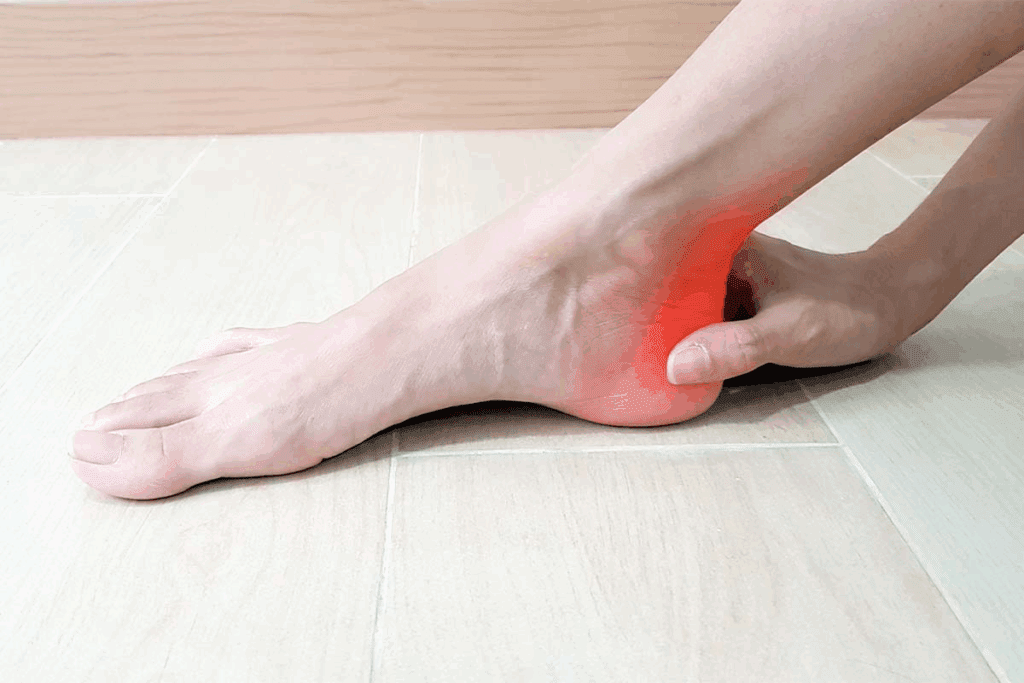
Achilles tendon injuries are on the rise, hitting athletes and those who do lots of physical activities hard. Ignoring the pain or pushing through it can lead to further damage and prolonged recovery times. It’s key to know how to handle Achilles pain right. What Not to Do Achilles Pain: 5 Dangerous Mistakes to Avoid
When you feel Achilles pain, it’s important to stay away from activities that make it worse. Continuing to stress the tendon can cause more severe injuries, such as tendonitis or even a rupture. The right approach includes rest, the right exercises, and sometimes, medical help.
Key Takeaways
- Rest and avoid activities that aggravate Achilles pain
- Don’t ignore the pain; it can lead to more severe injuries
- Appropriate exercise and stretching can help in recovery
- Consider seeking medical advice for proper diagnosis and treatment
- Proper management can reduce recovery time and prevent further damage
Understanding Achilles Tendon Pain
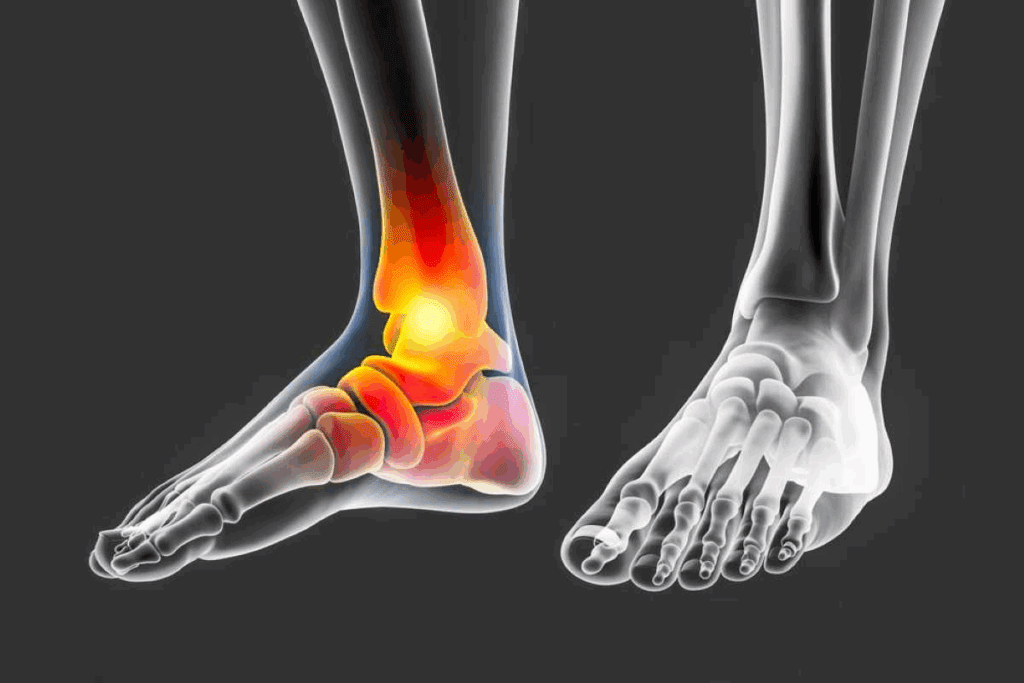
It’s important to know what causes and symptoms of Achilles tendon pain are. This knowledge helps in managing and preventing injuries. The Achilles tendon connects the calf muscles to the heel bone. It’s key for walking, running, and jumping.
Anatomy of the Achilles Tendon
The Achilles tendon is the biggest tendon in our body. It’s vital for our mobility. It’s made of collagen fibers and can handle a lot of stress. But, it can get hurt from too much use, bad training, or wrong shoes.
Common Causes of Achilles Pain
Achilles tendon pain can come from many things, like:
- Too much strain on the tendon
- Quick changes in exercise
- Bad shoes or foot shape
- Getting older
Research shows that too much use and sudden changes in activity lead to Achilles tendon pain. Knowing these causes helps in preventing and treating the problem.
Signs and Symptoms to Recognize
Spotting the signs and symptoms of Achilles tendon pain is key. Common signs include:
| Symptom | Description |
| Pain or stiffness | Aching or stiffness along the tendon, often in the morning or after rest |
| Swelling or thickening | Visible swelling or thickening of the tendon |
| Limited mobility | Hard time moving the foot or less range of motion |
Spotting these symptoms early helps in getting the right medical help. This can stop more damage and speed up recovery.
What Not to Do with Achilles Pain: Key Mistakes to Avoid
Knowing what not to do with Achilles pain is as important as knowing what to do. Many common mistakes can make the pain worse and slow down healing. It’s key to avoid these mistakes to manage the injury well.
Ignoring Early Warning Signs
Ignoring early signs of Achilles pain is a big mistake. Don’t ignore the first signs of discomfort as just tiredness or a small strain. This can cause serious damage later. Listening to your body’s signals early can help fix the problem before it gets worse.
- Recognize the early signs of Achilles pain, such as stiffness or mild discomfort.
- Understand that ignoring these signs can lead to further injury.
- Take proactive steps to address the pain early on.
Self-Diagnosing Without Professional Input
Trying to diagnose Achilles pain yourself without a doctor’s help is another mistake. While it’s easy to look up symptoms online, getting a correct diagnosis needs a doctor’s help. A healthcare professional can give a precise diagnosis and suggest the right treatment.
- Avoid relying solely on online resources for diagnosis.
- Consult a healthcare professional for an accurate assessment.
- Follow professional advice for treatment and recovery.
Delaying Proper Treatment
Waiting too long to get treatment for Achilles pain can slow down healing. Getting treatment quickly can stop the pain from getting worse and prevent more problems. It’s important to understand the need for quick action to manage Achilles pain effectively.
- Seek medical attention as soon as possible after identifying Achilles pain.
- Follow the recommended treatment plan to ensure proper healing.
- Be patient and allow the tendon sufficient time to recover.
Don’t Push Through the Pain
The “no pain, no gain” idea is very risky for Achilles injuries. Many athletes think they must push through pain to get better. But, this can cause serious problems with Achilles tendon pain.
Why “No Pain, No Gain” Is Dangerous for Achilles Injuries
Ignoring or pushing through Achilles pain can make the injury worse. The Achilles tendon is key to our movement. It needs rest and care to heal properly. Ignoring pain can damage it more, possibly needing surgery.
A gymnastics news story about Kazuma Kaya’s Achilles injury shows the dangers. It shows why we should listen to our bodies and treat pain quickly, not just push through it.
How Continued Activity Worsens Tendon Damage
Being active with Achilles pain doesn’t let the tendon heal. The constant stress can cause small tears. These can grow into a full tear, which is very serious.
Achilles pain is a warning sign we should not ignore. Pushing through it can make things worse. This might mean surgery or a long recovery.
So, it’s important to listen to your body and act when you feel Achilles pain. This means getting help, changing how you move, and letting the tendon heal.
Avoid Running with Achilles Pain
Achilles pain is a sign that you need to change your running habits. Running more can make the injury worse, causing more damage.
Impact of Running on Injured Achilles
Running with Achilles pain can make it worse and increase the risk of more injury. The Achilles tendon gets a lot of stress from running, which can slow down healing. A study found that changing how you run can affect injury risk a single run could put you at risk for an overuse injury.
| Activity | Impact on Achilles | Recommendation |
| Running | High stress on Achilles tendon | Avoid during acute pain |
| Swimming | Low impact, minimal stress | Safe alternative |
| Cycling | Low to moderate stress | Can be used as alternative |
Alternative Exercises During Recovery
When recovering from Achilles pain, it’s key to stay fit without hurting the injury more. Swimming, cycling, or using an elliptical machine are good options. These activities put less stress on the Achilles tendon, helping it heal.
When It’s Safe to Return to Running
It’s important to start running again slowly. You can safely start running when your Achilles tendon is strong and flexible again. You should also be able to do daily activities without pain. Start with short runs and gradually increase the distance to avoid getting hurt again.
Don’t Jump or Perform High-Impact Activities
Doing activities that involve jumping can make Achilles tendon injuries worse. If you have Achilles pain, it’s key to change how you move to not make it worse.
Why Jumping Exacerbates Achilles Injuries
Jumping and other high-impact activities add stress to the Achilles tendon. If this tendon is already hurt or inflamed, these actions can cause more damage. This can lead to longer recovery times or even long-term problems.
The mechanics of jumping mean the calf muscles contract quickly. This can strain the Achilles tendon a lot. For people with Achilles tendon issues, this strain can increase inflammation and pain.
Sports and Activities to Temporarily Avoid
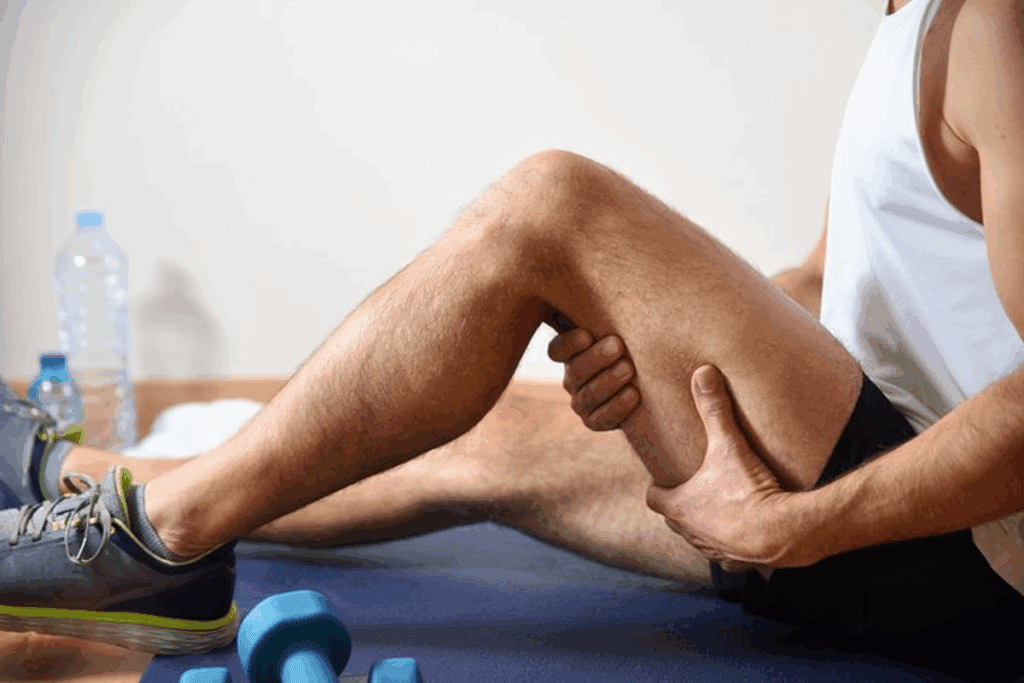
Some sports and activities are hard on the Achilles tendon and should be skipped when you’re in pain. These include:
- Basketball and volleyball, which involve frequent jumping
- Running on hard surfaces or uphill, which can strain the Achilles tendon
- Dance forms that involve jumping or quick changes in direction
- High-impact aerobics or plyometric exercises
Staying away from these activities can help manage pain and let the tendon heal. It’s important to listen to your body and adjust your activities based on how you feel.
Knowing how high-impact activities affect Achilles injuries helps you manage your condition better. This can make your recovery smoother.
Avoid Improper Footwear Choices
Choosing the right shoes is key to managing Achilles tendon pain. The right pair can offer support and lessen strain. But, the wrong shoes can make the pain worse. It’s important to know how different shoes affect Achilles pain.
Don’t Wear High Heels with Achilles Pain
High heels can put a lot of strain on the Achilles tendon. They shorten the calf muscles and tendons, causing more tension when you walk. Avoiding high heels is a good idea if you have Achilles pain to avoid making it worse.
Avoid Completely Flat Shoes Without Support
Flat shoes without arch support can also be harmful. They can cause your foot to overpronate or supinate, adding stress to the Achilles tendon. Choosing shoes with proper arch support is important to reduce strain.
The Problem with Worn-Out Athletic Shoes
Worn-out athletic shoes lose their cushioning and support. They can’t absorb shock well, which means more impact on the Achilles tendon with each step. It’s important to replace worn-out shoes regularly to keep them supportive and cushioned.
| Footwear Type | Impact on Achilles Tendon | Recommendation |
| High Heels | Increases tension by shortening calf muscles | Avoid |
| Flat Shoes Without Support | Causes overpronation/supination, adding stress | Choose shoes with arch support |
| Worn-Out Athletic Shoes | Loss of cushioning, increased impact | Replace regularly |
Don’t Walk Barefoot with Achilles Pain
Achilles pain needs careful handling. One important thing is to avoid walking barefoot, even at home. Walking without shoes can stress the Achilles tendon more, making pain worse and recovery longer.
How Barefoot Walking Affects the Achilles
Walking barefoot means your foot doesn’t get the support it needs. This can cause your foot to twist or move in ways that hurt the Achilles tendon. For those with Achilles pain, this extra stress can lead to more injury or slow healing.
The Impact on Recovery
Walking barefoot affects the Achilles tendon and recovery. Without support, the tendon faces extra stress, which can slow healing. This is a big worry for those already in pain and with inflammation.
Proper Home Footwear During Recovery
Wearing supportive shoes at home is key during recovery. Shoes or slippers with good arch support and cushioning help reduce tendon strain. Look for ones with a strong heel counter and soft, cushioned insoles.
| Feature | Benefit | Recommendation |
| Arch Support | Reduces strain on the Achilles tendon | Look for shoes with good arch support |
| Cushioning | Absorbs shock and reduces impact | Choose shoes with a cushioned insole |
| Heel Counter | Provides stability and support | Opt for shoes with a sturdy heel counter |
Choosing the right shoes helps those with Achilles pain recover better. It’s not just about not walking barefoot. It’s about supporting healing with the right footwear choices.
Avoid Standing for Long Periods
For those with Achilles pain, it’s key to avoid standing for long times. Standing for too long can stress the Achilles tendon more, making the pain worse.
Impact of Prolonged Standing on Recovery
Standing for long periods can strain the Achilles tendon, slowing down healing. When you stand a lot, your tendon is always under stress. This can make inflammation and pain worse.
It’s important to take breaks to rest and elevate your legs. Even a short walk or a few minutes of rest can help reduce tendon strain.
Workplace Modifications for Achilles Pain
Changing your workspace can help with Achilles pain from standing too long. Using an anti-fatigue mat can help by providing a cushioned surface.
- Adjust your workstation to a comfortable height to avoid straining your tendon further.
- Use a chair or stool when possible to give your legs a break.
- Limit the time spent standing by alternating between sitting and standing.
These changes can help in recovering from Achilles pain by lessening the effects of standing for too long.
Don’t Perform Aggressive Stretching
Aggressive stretching can harm those with Achilles tendon pain. It’s key to stretch carefully when recovering from Achilles tendon injuries.
Why Overstretching Damages Healing Tendons
Overstretching can slow down the healing of the Achilles tendon. When injured, the tendon needs time to mend. Aggressive stretching can make it worse by causing more damage.
Key reasons to avoid overstretching include:
- Further irritation to the tendon
- Increased inflammation
- Prolonged healing time
Inappropriate Stretches to Avoid
Some stretches can make Achilles tendon pain worse and should be skipped during recovery. These include:
- Deep calf stretches that put significant strain on the Achilles tendon
- Toe stretches that involve bending or flexing the foot excessively
- Any stretch that causes pain or discomfort in the Achilles area
Gentle Mobility Exercises That Are Safe
While you should avoid aggressive stretching, gentle exercises can help. These should be low-intensity and not painful.
Examples of safe exercises include:
- Gentle ankle circles
- Slow, controlled dorsiflexion and plantarflexion movements
- Short walks or light swimming to maintain mobility without high-impact stress
Always listen to your body and stop if you feel pain. Getting advice from a healthcare professional or physical therapist can help find safe exercises for recovery.
Avoid Inappropriate Self-Treatment Methods
Achilles pain needs careful handling. Some self-treatment methods can make it worse. Knowing which methods to avoid is key.
Don’t Massage a Swollen Achilles Tendon
It might seem right to massage a swollen Achilles tendon to ease tension. But, aggressive massage techniques can harm the tendon. This can lead to more inflammation and pain.
Try gentle exercises instead. They help with healing without stressing the tendon too much.
Avoid Direct Ice Application on the Tendon
Cold therapy is used to reduce swelling. But, direct ice application on the Achilles tendon can be harmful. The extreme cold can damage tissues.
Use an ice pack wrapped in cloth to protect your skin. Or, look for other cold therapy options that are safer.
Don’t Use Heat Therapy During Acute Inflammation
Heat therapy can make inflammation worse when applied to an acutely inflamed Achilles tendon. Heat therapy is better for long-term conditions or after the inflammation goes down. During the acute phase, cold therapy or other professional recommendations are safer.
Knowing the right self-treatment for Achilles pain is vital for recovery. Avoiding harmful methods and choosing evidence-based treatments helps manage the condition better.
Don’t Skip Rest Periods During Recovery
When dealing with Achilles pain, rest is key. It’s essential for healing, letting the tendon mend without irritation.
Rest isn’t just doing nothing. It’s an active healing process. During Achilles pain recovery, rest periods are as important as any treatment plan.
The Importance of Adequate Rest for Healing
Rest is vital for several reasons. It lets the tendon start repairing without stress. Activities, like high-impact ones, can make the injury worse, leading to longer recovery times or chronic issues.
- Reduces further irritation to the tendon
- Allows the body to initiate natural repair processes
- Helps in managing pain and inflammation
Rest isn’t just avoiding bad activities. It’s also about creating a healing environment. Getting enough sleep is a big part of this.
Creating a Balanced Rest and Activity Schedule
A balanced schedule mixes rest with gentle activity. Gentle exercises, approved by a doctor, are part of this balance. It’s important to listen to your body and not ignore pain.
A balanced approach might include:
- Gentle mobility exercises during the day
- Rest periods in between activities
- Adequate sleep at night
Low-impact activities, like swimming or cycling, are also good. But always with a healthcare provider’s guidance.
Quote from a Specialist:
“Rest is a critical component of the healing process. It’s not just about taking a break; it’s about giving your body the opportunity to repair and rebuild. In the case of Achilles tendon injuries, adequate rest can significantly reduce the risk of further damage and promote a faster recovery.”
Understanding rest’s importance and adding it to your recovery plan helps heal Achilles pain better and faster.
Avoid Hard and Uneven Surfaces
Many people don’t think about how hard and uneven surfaces affect Achilles tendon recovery. The surface you walk on can greatly impact your tendon’s healing. Hard surfaces, in particular, can make tendon stress worse, slowing down recovery or causing more injury.
Impact of Surface Types on Achilles Recovery
Walking on hard surfaces like concrete puts more stress on your Achilles tendon. This is because hard surfaces don’t absorb impact, sending it straight to your joints and tendons. Softer surfaces, like grass or a treadmill, can reduce this strain, making them better for recovery.
Key considerations for surface types include:
- Hard surfaces (concrete, asphalt) can make Achilles pain worse.
- Softer surfaces (grass, dirt paths) are kinder to your tendon.
- Treadmills with cushioning are good for indoor walking.
Choosing Appropriate Terrain During Healing
When you’re recovering from Achilles pain, it’s not just about avoiding hard surfaces. You also need to pick terrain that’s even and stable. Uneven terrain can make you twist or strain your ankle, irritating your Achilles tendon more.
Tips for choosing the right terrain include:
- Choose flat, even paths for walking or running.
- Stay away from trails with loose gravel or uneven surfaces.
- Use orthotics or supportive shoes to stabilize your foot on different terrains.
Being careful about the surfaces you walk on and choosing softer, even terrain can help your Achilles tendon heal. Remember, recovery is not just about treating pain. It’s also about creating a healing environment.
Don’t Ignore Biomechanical Issues
Ignoring biomechanical problems can lead to Achilles pain. Issues like overpronation or supination stress the Achilles tendon. This can cause pain and injury.
How Poor Biomechanics Contribute to Achilles Problems
Poor biomechanics increase the risk of Achilles tendon injuries. Overpronation, for example, overworks the tendon, causing inflammation and pain. Runners with overpronation are more likely to get Achilles tendonitis.
Understanding biomechanical factors is key to treating Achilles pain. It involves looking at gait patterns and finding any issues that cause pain.
The Importance of Addressing Underlying Movement Patterns
Fixing movement patterns is vital for easing Achilles pain. This might include physical therapy to fix gait, exercises to strengthen the calf and Achilles, and orthotics for foot support.
| Biomechanical Issue | Effect on Achilles Tendon | Corrective Measure |
| Overpronation | Increased stress and inflammation | Orthotics, strengthening exercises |
| Supination | Increased strain on the tendon | Gait correction, supportive footwear |
| Poor gait pattern | Abnormal wear and tear | Physical therapy, gait analysis |
By tackling these biomechanical issues, people can lower their risk of Achilles tendon pain. This helps in effective healing.
Avoid Returning to Full Activity Too Soon
Going back to full activity too fast after Achilles pain can cause more harm. It’s important to find a balance between staying active and letting your tendon heal.
Signs You’re Not Ready to Resume Normal Activities
Before you start doing normal things again, check if your Achilles tendon is healed. Important signs you’re not ready include ongoing pain, swelling, or stiffness in the Achilles area. If you see these, your tendon is stressed and needs more time to mend.
- Pain when walking or doing everyday tasks
- Swelling or redness around the Achilles tendon
- Stiffness, mainly in the morning or after resting
Ignoring these signs can lead to more serious injuries, like tendon ruptures. These might need surgery. It’s important to be patient and not rush the healing process.
Proper Progression for Safe Return to Activity
For a safe return to activity after Achilles pain, follow a gradual and structured plan. This means starting with low-impact exercises and then moving to more demanding ones. This lets your Achilles tendon get used to the stress.
- Start with low-impact activities like swimming or cycling
- Slowly add weight-bearing exercises, such as walking or jogging
- Only move to intense activities, like running or jumping, if you feel no pain
It’s key to watch how your body reacts to more activity. If you notice any bad symptoms, slow down and talk to a healthcare expert for advice.
Conclusion
Managing Achilles pain and recovering from Achilles tendinitis needs a full plan. Knowing the causes and symptoms is the first step. This helps start the right path to healing.
Staying away from activities that make pain worse, like running, is key. Choosing the right shoes and doing gentle exercises also helps. Avoiding long standing and keeping movements smooth are important too.
Recovering from Achilles tendinitis takes time and a good plan. Avoiding too much stretching and self-treatment is important. Also, start slowly returning to activities to avoid injury.
By following these tips and being careful, you can manage Achilles pain well. This reduces the chance of more injuries and keeps your tendons healthy for a long time.
FAQ
What are the common mistakes people make when dealing with Achilles pain?
People often ignore early signs of pain. They also try to diagnose themselves and delay treatment. Pushing through pain and rushing back to activities too soon are other mistakes.
Why is it harmful to push through Achilles pain?
Ignoring Achilles pain can cause more damage. It stops the tendon from healing right. This can lead to worse tendon problems.
Can I stil run with Achilles pain?
No, running with Achilles pain can make it worse. It’s best to stop running until the pain goes away. Try other exercises instead.
What types of activities should I avoid with Achilles pain?
Avoid high-impact activities like jumping and running. These can hurt your Achilles tendon more.
How does footwear affect Achilles pain?
Bad footwear, like high heels or worn-out shoes, can hurt your Achilles. Choose the right shoes for your activities.
Is it okay to walk barefoot with Achilles pain?
No, walking barefoot can harm your Achilles tendon. Wear proper shoes at home to help it heal.
How does standing for long periods impact Achilles pain recovery?
Standing for too long can strain your Achilles tendon. Changing your work setup can help your recovery.
Can stretching help with Achilles pain?
Stretching can help, but be gentle. Aggressive stretching can hurt your healing tendons. Try gentle exercises instead.
What self-treatment methods should I avoid for Achilles pain?
Don’t massage a swollen Achilles tendon or apply ice directly. Heat therapy is also bad during inflammation.
Why is rest important during Achilles pain recovery?
Rest is key for healing. It lets your tendon repair itself. Find a balance between rest and activity.
How do different surface types affect Achilles recovery?
Hard and uneven surfaces can slow healing. Choose easy terrain during recovery.
Can ignoring biomechanical issues contribute to Achilles problems?
Yes, ignoring biomechanics can lead to Achilles problems. Fixing your movement patterns is important for recovery.
How do I know when it’s safe to return to full activity after Achilles pain?
Watch for signs like pain, swelling, or limited mobility. Follow a safe plan to get back to activities.
What are some alternative exercises I can do during Achilles pain recovery?
Try low-impact exercises like swimming or cycling. They don’t strain your Achilles tendon as much.
Reference
- National Library of Medicine. (2023). Rotator cuff problems: MedlinePlus Medical Encyclopedia.
https://medlineplus.gov/ency/article/000438.htm