The world of medical imaging has grown a lot. The global PET market is now worth USD 2.67 billion in 2024. This shows how much we rely on PET scans for health checks.
Positron Emission Tomography (PET) is a top-notch imaging method. It shows how active body tissues are. Patients often ask what parts of the body a PET scan covers, since it can be used to check the brain, heart, and whole body for different conditions. This helps doctors find and track health issues.
Key Takeaways
- PET scans are essential tools for detecting and monitoring various health issues.
- The global PET market is expected to grow at a CAGR of 6.60% during the forecast period.
- PET scans give important info on body tissue activity.
- This method is key for spotting health issues by showing active areas.
- PET scans are a vital tool in today’s medical world.
Understanding PET Scan Technology
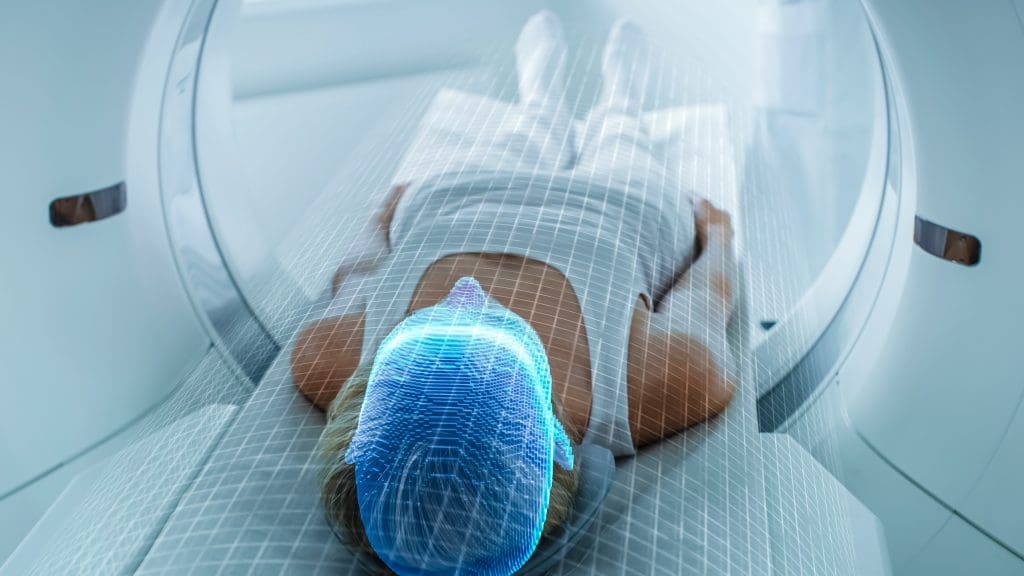
PET scan technology uses radioactive tracers to look inside the body. It’s great for checking on health in areas like cancer, heart, and brain.
What is a Positron Emission Tomography (PET) scan?
A PET scan is a special nuclear medicine imaging method. It uses a radioactive tracer to see how the body works. Unlike other scans, PET scans show how tissues and organs function.
First, a tiny amount of radioactive tracer is injected into the body. Then, the PET scanner picks up signals from the tracer. This creates detailed images of the body’s metabolic activities.
How PET scans differ from other imaging techniques
PET scans are different from CT or MRI scans. While those show the body’s structure, PET scans show how it functions. They give a functional view of the body.
PET imaging is great for finding diseases early. It can spot problems before they show up in other scans.
Basic principles of metabolic imaging
Metabolic imaging with PET scans works on a simple idea. Diseased tissues have different metabolic rates than healthy ones. By using the right tracers, PET scans can find these differences.
This is key for diagnosing and tracking diseases like cancer, brain disorders, and heart issues.
How PET Scan Imaging Works
The PET scan imaging process starts with injecting a radioactive tracer. This tracer is key for seeing how active cells are in the body.
The Science Behind Positron Emission Tomography
Positron Emission Tomography (PET) scans work by detecting cell activity. They use a radioactive tracer that sends out positrons. These positrons meet electrons, creating gamma rays that the scanner can detect.
PET scans rely on nuclear medicine. They measure how active the tracer is to understand body functions.
Radioactive Tracers and Their Function
Radioactive tracers are substances with a bit of radioactive material. Injected into the body, they go to areas with lots of activity, like growing cancer cells.
Fluorodeoxyglucose (FDG) is a common tracer. It’s a radioactive glucose molecule. Cancer cells, which use more glucose, take up FDG, making them visible to the scanner.
The Detection Process
PET scanning detects gamma rays from the tracer’s positrons and body electrons.
The scanner’s detectors catch these gamma rays. They then make images of where the tracer is in the body.
Image Reconstruction Techniques
After collecting data, the scanner uses advanced techniques to make detailed images.
These techniques use complex algorithms to turn the data into images. These images show the body’s metabolic activity.
The images help doctors diagnose and manage conditions like cancer and neurological disorders.
Whole-Body PET Scan Coverage
Whole-body PET scans help find cancer and other diseases in the body. They are key for diagnosing and treating many health issues.
Defining a “Whole-Body” Scan
A whole-body PET scan looks at the body from the skull to the mid-thigh. It checks major systems and finds problems in organs and tissues.
Standard Coverage Areas in Full-Body PET Imaging
Standard scans cover the brain, neck, chest, abdomen, and pelvis. This wide scan is vital for finding cancer, seeing if it has spread, and checking treatment results.
Limitations of Whole-Body Scanning
Whole-body PET scans have some limits. They don’t usually scan arms and legs unless needed. Also, they might not show details as clearly as other scans for some parts.
When Full-Body Scans Are Recommended
Full-body PET scans are best for cancer detection and figuring out how far it has spread. They’re also used for other diseases and to see if treatments are working.
Knowing what whole-body PET scans can and can’t do helps doctors make better plans for patients. This way, care is more tailored to each person’s needs.
Brain and Neurological PET Scans
PET scans have changed how we diagnose and treat neurological disorders. They help us understand brain metabolism, which is key for many conditions.
Brain Coverage and Visualization
PET scans show detailed brain activity and metabolism. This is vital for spotting and treating brain function issues. They give doctors clear images to see brain metabolism and find abnormal areas.
Neurological Conditions Diagnosed with Brain PET Scans
Brain PET scans help diagnose and manage several conditions, including:
- Alzheimer’s disease
- Dementia
- Parkinson’s disease
These conditions are hard to spot with other scans. PET scans offer functional details that other scans can’t.
Advantages of PET for Brain Imaging
PET scans are great because they show brain activity. This is super helpful in neurology, where knowing how the brain works is key.
Alzheimer’s and Dementia Assessment
PET scans are key for checking Alzheimer’s and dementia. They spot brain metabolism patterns that show these diseases. They help diagnose early and track how the disease grows.
In summary, brain and neurological PET scans are top-notch tools. They give deep insights into brain function and metabolism. This makes them essential for diagnosing and treating brain disorders.
Cardiac PET Scan Applications
Cardiac PET imaging is key for checking heart function and spotting coronary artery disease. It shows how the heart works and helps doctors find and treat heart problems better.
Heart Visualization Capabilities
Cardiac PET scans give clear views of the heart’s shape and how it works. This is great for checking blood flow and if the heart muscle is alive. It helps doctors find and fix heart disease.
Cardiac Conditions Diagnosed with PET Imaging
PET imaging spots many heart issues, like heart attacks and heart failure. It looks at how the heart uses energy. This helps doctors see how bad the damage is and plan the best treatment.
PET scans in cardiology have big pluses. They check blood flow and if the heart muscle is alive. This info is key for treating heart disease right.
Benefits Over Other Cardiac Imaging Methods
PET scans beat other heart imaging in many ways. They show the heart’s energy use clearly, helping doctors make better diagnoses and plans. They’re also top for checking if heart muscle can be saved.
Myocardial Perfusion Assessment
Checking blood flow to the heart muscle is a big job for PET scans. They help doctors find and handle heart disease. This info also helps see if treatments work and guides patient care.
In short, cardiac PET scans are essential for heart disease diagnosis and care. They give detailed views of the heart’s activity. This makes them a big plus in cardiology, better than other imaging methods.
Thoracic and Pulmonary PET Scan Coverage
In the field of thoracic and pulmonary medicine, PET scans are unmatched in their diagnostic power. They are key for checking the chest area, like the lungs, heart, and nearby tissues.
Lung and Chest Visualization
PET scans give clear images of the lungs and chest. They help spot issues like tumors, inflammation, and infections. This is vital for finding lung cancer and seeing how far it has spread.
“The use of PET scans in lung cancer staging has greatly improved treatment plans and patient results,” says a top oncologist. This shows how critical accurate diagnostic tools are in today’s medicine.
Respiratory Conditions Evaluated with PET Scans
PET scans check on many respiratory issues, like lung cancer, COPD, and pulmonary embolism. They look at how active the lungs are, helping doctors diagnose and keep track of these conditions.
- Lung cancer staging and assessment
- Detection of mediastinal abnormalities
- Evaluation of solitary pulmonary nodules
Lung Cancer Staging and Assessment
PET scans are key in cancer detection and staging, mainly for lung cancer. They spot high activity areas, showing how far cancer has spread. This guides treatment plans and boosts patient success.
Recent studies show PET scans in lung cancer staging lead to better diagnoses and treatment plans. This highlights the importance of PET scans in thoracic and pulmonary medicine.
Detection of Mediastinal Abnormalities
The mediastinum, between the lungs with the heart, trachea, and lymph nodes, can have issues like tumors and infections. PET scans find these problems, giving doctors the info they need for diagnosis and treatment.
In summary, PET scans are a top tool in thoracic and pulmonary medicine. They give deep insights into lung and chest issues. Their role in cancer detection and staging, mainly for lung cancer, is very important.
Abdominal and Digestive System PET Imaging
PET scans are key in diagnosing and managing abdominal and digestive issues. They help guide treatment decisions. The abdominal and digestive systems include the liver, pancreas, and gastrointestinal tract. PET imaging is vital for checking these organs’ health and function.
Liver, Pancreas, and Digestive Tract Coverage
PET scans are great for checking the liver and pancreas for cancer. They also look at the stomach, small intestine, and colon for problems. It’s important to prepare well for a pet scan to get clear images.
Gastrointestinal Conditions Evaluated
PET scans can check for inflammatory bowel disease (IBD) like Crohn’s and ulcerative colitis. They help see how bad the inflammation is. This helps doctors decide the best treatment.
Detection of Abdominal Malignancies
PET scans are very good at finding cancers in the abdomen. This includes cancers of the liver, pancreas, and digestive tract. They help doctors know how far the cancer has spread and if treatment is working. Early detection is key for better cancer treatment outcomes.
Inflammatory Bowel Disease Assessment
PET scans give important info on IBD’s activity and spread. This info is vital for managing IBD well. It helps doctors decide on treatment, including if more pet scan prep is needed.
In summary, PET imaging is a powerful tool for diagnosing and managing abdominal and digestive system disorders. It offers detailed info on organ function and disease activity. This makes it a must-have for healthcare providers.
Musculoskeletal System PET Scan Applications
PET scans help us see how bones and joints work. They give us detailed info on their activity. This helps doctors diagnose and treat many orthopedic problems.
Bone and Joint Visualization
PET scans show us the bones and joints in great detail. They can spot problems that other tests miss. This is really helpful for finding inflammatory and infectious diseases in the musculoskeletal system.
Orthopedic Conditions Diagnosed
PET scans help find many orthopedic issues. This includes osteomyelitis, septic arthritis, and prosthetic joint infections. Their ability to spot changes in metabolism is key to early detection.
- Detection of bone metastases
- Assessment of prosthetic joint complications
- Evaluation of inflammatory and infectious diseases
Benefits for Inflammatory and Infectious Disease Detection
PET scans are great at showing where things are active. This is super useful for finding inflammatory and infectious processes in the musculoskeletal system. It helps doctors know how to treat these issues.
Evaluation of Prosthetic Joint Complications
PET scans are also key in checking on prosthetic joints. They help spot problems like loosening or infection. This info helps doctors make the best choices for treatment.
It’s important to understand PET scan results and how accurate they are. This helps doctors treat musculoskeletal problems effectively. PET scans are very reliable in medical practice.
The PET Scan Procedure: From Preparation to Completion
To get the most out of a PET scan, patients must follow specific preparation guidelines. They need to know what to expect during the procedure. Proper preparation is key for a successful PET scan, including dietary restrictions and avoiding certain medications.
Pre-scan Preparation Requirements
Before undergoing a PET scan, patients must follow a specific preparation regimen. This includes:
- Dietary Restrictions: Patients may be asked to fast for a certain period before the scan. Or they may need to follow a specific diet to ensure clear and accurate images.
- Avoiding Certain Medications: Some medications may interfere with the PET scan results. Patients are advised to inform their doctor about any medications they are currently taking.
- Comfortable Clothing: Patients are encouraged to wear comfortable clothing. They should avoid wearing anything with metal, such as jewelry or clothing with metal parts.
The Step-by-Step PET Scan Process
The PET scan process involves several steps:
- A radioactive tracer is injected into the patient’s body, usually through a vein in the arm.
- The patient is then asked to wait for a certain period to allow the tracer to be absorbed by the body.
- The patient is then positioned on a scanning table, which slides into the PET scanner.
- The PET scanner captures images of the body, which are then reconstructed into detailed images.
Duration and Patient Experience
The duration of a PET scan can vary, but it typically takes around 30 minutes to an hour. The patient experience is generally comfortable. Some patients might feel a bit claustrophobic due to the enclosed nature of the scanner.
Post-scan Care and Precautions
After the PET scan, patients are advised to:
- Drink plenty of fluids to help flush out the radioactive tracer.
- Avoid close contact with pregnant women and young children for a certain period.
- Follow any additional instructions provided by their healthcare provider.
By understanding the PET scan procedure, from preparation to completion, patients can be better prepared. This ensures they get the most out of their scan.
Combining PET with CT or MRI for Enhanced Coverage
Hybrid imaging techniques, like PET/CT and PET/MRI, are powerful tools. They mix functional and anatomical info. This mix boosts accuracy by showing both metabolic activity and detailed structures.
PET/CT Fusion Imaging Benefits
PET/CT combines PET with CT scans. It gets both functional and anatomical data at once. This combo helps spot and stage cancers better and check how treatments work.
PET/CT scans are key in oncology. They show tumor activity and where it is.
PET/MRI Applications
PET/MRI mixes MRI’s soft-tissue detail with PET’s metabolic info. It’s great for complex areas like the brain and pelvis. PET/MRI is becoming more important in brain and cancer imaging. It gives deep insights into diseases.
Improved Diagnostic Accuracy with Combined Modalities
Using PET with CT or MRI boosts accuracy. These hybrid methods offer both functional and anatomical views. This helps in making accurate diagnoses and treatment plans.
The accuracy is very useful in tough cases. Detailed images are key there.
Future Developments in Hybrid Imaging
The hybrid imaging field is growing fast. Researchers are working on better PET/CT and PET/MRI. They aim for better detectors, new tracers, and improved algorithms.
These updates will make hybrid imaging even better for diagnosis.
Cancer Detection and Staging with PET Scans
PET scanning is key in fighting cancer. It shows metabolic activity, helping detect and stage cancer. This aids in planning treatments and tracking progress.
Identifying Cancerous Tissues
PET scans spot cancer by seeing metabolic changes in cells. Cancer cells use more energy than normal cells. This means they take up more of the radioactive tracer in PET scans.
This tracer, often FDG (fluorodeoxyglucose), is absorbed by cells based on their glucose use. Cancer cells, with their high glucose use, show up more on PET scans.
Cancer Types Most Effectively Detected
PET scans work well for many cancers, including:
- Lymphoma
- Lung cancer
- Colorectal cancer
- Breast cancer
- Melanoma
These cancers have high metabolic rates, making them easier to spot with PET scans.
Role in Treatment Planning and Monitoring
PET scans are vital for planning treatments. They give detailed info on cancer spread. This helps in:
- Accurate cancer staging
- Choosing the best treatment
- Tracking how well treatments work
- Finding cancer early if it comes back
They help doctors adjust treatment plans based on tumor activity before, during, and after treatment.
Limitations in Certain Cancer Types
While PET scans are great for many cancers, they have limits. Some cancers, like those with low activity or small size, are harder to find. Also, inflammation or infection can cause false positives.
Knowing these points helps use PET scans to their fullest in cancer care.
Accuracy and Reliability of PET Scan Results
PET scan accuracy is key in making medical decisions. It affects treatment plans and patient outcomes. Several factors influence PET scan results, including the tracer used, scanning equipment quality, and patient preparation.
Factors Affecting PET Scan Accuracy
Several factors can impact PET scan accuracy. Patient preparation is critical; eating or drinking before the scan can change tracer distribution. This might lead to wrong results. The type of radioactive tracer used also matters, as different tracers highlight different metabolic processes.
Other factors include the resolution of the PET scanner and the patient’s metabolic state. For example, high blood sugar can affect tracer uptake, possibly lowering image quality.
False Positive and False Negative Considerations
False positives and false negatives can happen with PET scans. False positives might lead to extra testing or treatment. False negatives can cause delays in diagnosis or wrong treatment plans.
It’s important to understand why these inaccuracies happen. For example, inflammation or infection can cause false positives by increasing tracer uptake in non-cancerous tissues.
Interpreting PET Scan Results
Interpreting PET scan results needs expertise and a deep understanding of the patient’s history and current condition. Radiologists and nuclear medicine specialists are key in accurately interpreting these results. They consider the clinical context and other diagnostic findings.
The integration of PET scan results with other imaging modalities, like CT or MRI, can improve diagnostic accuracy. This gives a more complete view of the patient’s condition.
When Additional Testing May Be Needed
In some cases, more testing is needed to confirm or clarify PET scan results. This might include repeated PET scans, other imaging modalities, or biopsy procedures.
Healthcare providers look at several factors when deciding on additional testing. These include the patient’s health, the condition being diagnosed or treated, and the initial PET scan findings.
PET Scan Limitations and Considerations
It’s important to know the limits of PET scans for them to work well in medical diagnosis. PET scans give us important clues, but their use depends on several things.
Body Parts with Limited Visualization
Some body parts are harder to see with PET scans. This is because of their high activity or being surrounded by thick tissue.
Patient Factors Affecting Scan Quality
Things like blood sugar levels, claustrophobia, and body size can affect PET scan images. To get the best results, patients need to prepare well. This includes not eating before the scan and avoiding exercise.
Getting ready for a PET scan, or “pet scan prep,” is key. Patients must fast, skip certain meds, and follow other directions from doctors.
Radiation Exposure Concerns
PET scans use small amounts of radiation. While safe for most, it’s a worry for pregnant women or kids. We must think about the scan’s benefits and risks.
Contraindications and Special Populations
Some people can’t have PET scans because of health issues or pregnancy. Kids, people with claustrophobia, and others with scanning anxieties need special care.
In summary, PET scans are a great tool, but we must understand their limits and needs for safe and effective use.
Conclusion: The Complete Nature of PET Scan Imaging
PET scan technology has changed medical imaging a lot. It gives detailed info about how the body works. This helps doctors find and treat diseases like cancer, brain problems, and heart issues.
PET scans cover the whole body and show things in detail. They work best when used with CT or MRI scans. This makes doctors more accurate in planning treatments and checking how well they work.
In short, PET scan imaging is key in today’s medicine. It helps us understand the body’s metabolic processes fully. As medical imaging gets better, PET scans will keep being important for diagnosing and managing diseases.
FAQ
How do I prepare for a PET scan?
Preparation for a PET scan includes fasting or a special diet. You might need to avoid certain medicines and arrive early. The exact steps depend on the scan type and the medical issue being checked.
Can PET scans be used to evaluate neurological conditions like Alzheimer’s disease?
Yes, PET scans can help with neurological conditions. This includes Alzheimer’s disease, Parkinson’s disease, and other dementias. They can spot specific brain activity and metabolism patterns linked to these conditions.
How are PET scans used in cancer detection and staging?
PET scans are key in finding and checking cancer. They’re often used for cancers like lymphoma, lung cancer, and colorectal cancer. They help spot cancer, see how far it has spread, and check how well treatments are working.
What are the limitations of PET scans?
PET scans have some limits. They might not show all body parts well. Scan quality can be affected by patient factors. There’s also concern about radiation exposure. Some people, like pregnant women, might not be able to have a PET scan.
How accurate are PET scan results?
PET scan accuracy can change based on several things. This includes the tracer used, scan quality, and the doctor’s skill. While PET scans are usually very accurate, sometimes they can be wrong. More tests might be needed to confirm the results.
What are the benefits of combining PET with CT or MRI?
Combining PET with CT or MRI gives more detailed information. This helps find cancer, check the heart, and look at the brain better. It’s a more accurate way to diagnose.
How long does a PET scan procedure take?
The time needed for a PET scan varies. It depends on the scan type and the medical issue being checked. Generally, it takes from 30 minutes to several hours, including getting ready and scanning.
What is the role of radioactive tracers in PET scans?
Radioactive tracers in PET scans help show how the body’s cells work. They are absorbed by cells and send out signals. The PET scanner picks up these signals, creating detailed images of the body’s inner workings.
How does a PET scan differ from other imaging techniques like CT or MRI?
PET scans show how the body’s cells work, unlike CT or MRI. They’re great for finding cancer, checking the heart, and looking at the brain. This makes them unique compared to other imaging methods.
What parts of the body can a PET scan cover?
A PET scan can look at many parts of the body. This includes the brain, heart, lungs, liver, and more. The exact areas checked depend on the scan type and the medical issue being looked at.
What is a PET scan, and how does it work?
A PET scan is a medical imaging tool that uses a radioactive tracer. It shows how the body’s cells work. The tracer is injected into the body and absorbed by cells. The PET scanner then picks up signals from the tracer, making detailed images of the body’s inner workings.