After a PET scan, it’s key to take steps to protect others from radiation. The tracer used in the scan stays in your body for a few hours. This means you need to be careful about how you interact with others.
Understanding the necessary precautions is vital for your safety and the safety of those around you. Understanding possible side effects and how to lower radiation exposure is crucial.
Key Takeaways
- Understand the importance of precautions after a PET scan
- Learn how to minimize radiation exposure to others
- Be aware of possible side effects after the scan
- Follow guidelines for safe interaction with others post-scan
- Know the typical duration of a PET scan and its implications
The Basics of PET Scan Technology
PET scan technology uses small amounts of radioactive tracers to diagnose and treat medical conditions. It’s a key tool in medical diagnostics. It gives healthcare providers the information they need to make the best decisions for patients.
What is a PET Scan?
A PET scan, or Positron Emission Tomography scan, is a type of imaging test. It helps doctors diagnose and monitor conditions. A small amount of radioactive glucose is injected into the bloodstream.
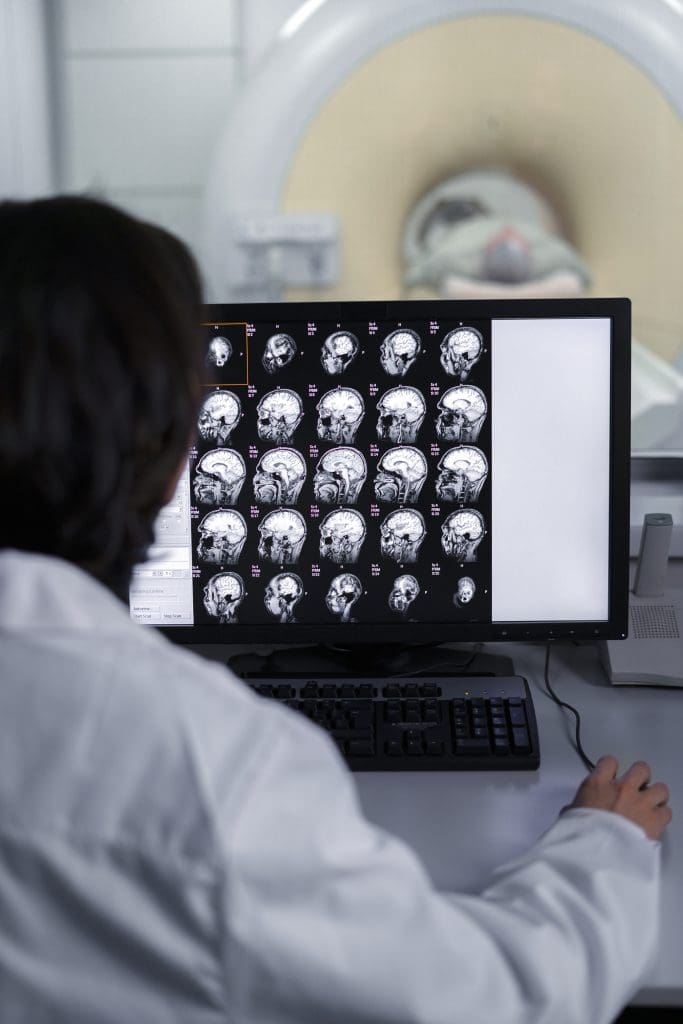
This glucose is then absorbed by the body’s cells. The PET scanner detects the signals from this glucose. It creates detailed images of the body’s internal structures.
PET scans are great for detecting cancer, neurological disorders, and cardiovascular disease. They show how active tissues and organs are. This helps doctors find areas of abnormal activity.
How Radioactive Tracers Work
Radioactive tracers emit positrons, which collide with electrons to produce gamma rays. These rays are detected by the PET scanner. This allows it to create detailed images of the body’s internal structures.
The most used tracer is Fluorodeoxyglucose (FDG), a radioactive glucose molecule. It provides functional information about the body’s tissues and organs. This is different from just anatomical images.
This makes PET scans great for monitoring treatment effectiveness and detecting diseases early.
Common Medical Applications
PET scans have many medical uses, including oncology, neurology, and cardiology. In oncology, they help diagnose and stage cancer. They also monitor treatment response.
In neurology, they diagnose and monitor neurological disorders like Alzheimer’s disease. In cardiology, they assess heart tissue viability and diagnose coronary artery disease.
PET scan technology is very versatile. It’s a key tool in modern medicine. It provides critical insights that guide treatment decisions and improve patient outcomes.
Pre-Scan Preparations That Affect Post-Scan Care
Getting ready for a PET scan is key to getting good results and feeling better afterward. Taking the right steps before the scan can lessen side effects and make you more comfortable.
Dietary and Medication Adjustments
Before your PET scan, you need to follow certain diet rules. Patients often have to fast before the scan, but this can change based on the scan type and where you go.
According to RadiologyInfo.org, you might need to skip certain foods or drinks. This is to make sure the scan works right. Also, tell your doctor about any medicines you take. Some might need to be changed or stopped before the scan.
| Dietary Adjustment | Purpose |
| Fasting | To ensure accurate tracer absorption |
| Avoiding sugary foods and drinks | To prevent interference with tracer uptake |
| Limiting caffeine intake | Understanding possible side effects and how to lower radiation exposure is crucial. |
Hydration Guidelines
Drinking enough water is important before, during, and after your PET scan. Drinking lots of water helps get rid of the radioactive tracer from your body. This can lower the chance of side effects.
“Proper hydration is key to eliminating the tracer from your system. Patients are advised to drink plenty of fluids after the scan.”
Drink at least 4-6 glasses of water in the first 24 hours after your scan. Try to avoid caffeinated and alcoholic drinks to lessen side effects.
What to Wear and Bring
On the day of your PET scan, wear comfortable, loose clothes without metal parts. You might need to change into a hospital gown. Wearing clothes that are easy to take off can make things easier.
Also, bring any medical records, a list of your medicines, and your insurance info to the facility. Leave jewelry or metal items at home to avoid delays.
By following these steps, you can make sure your PET scan goes well and you recover easily. Always listen to what your healthcare provider or the facility tells you to do.
The PET Scan Procedure Overview
The PET scan procedure is a detailed process that creates images of the body’s metabolic activity. It’s used to diagnose and manage many health issues, like cancer, neurological disorders, and heart disease.
Tracer Administration Process
The first step is giving a radioactive tracer. It’s injected into a vein in the arm. Sometimes, it’s inhaled as a gas or swallowed as a solution, depending on the scan type.
Key aspects of tracer administration include:
- The type of tracer used, which is determined by the healthcare provider based on the purpose of the scan.
- The method of administration, which is typically via injection but can vary.
- The waiting period after administration, during which the tracer distributes throughout the body.
The Scanning Environment
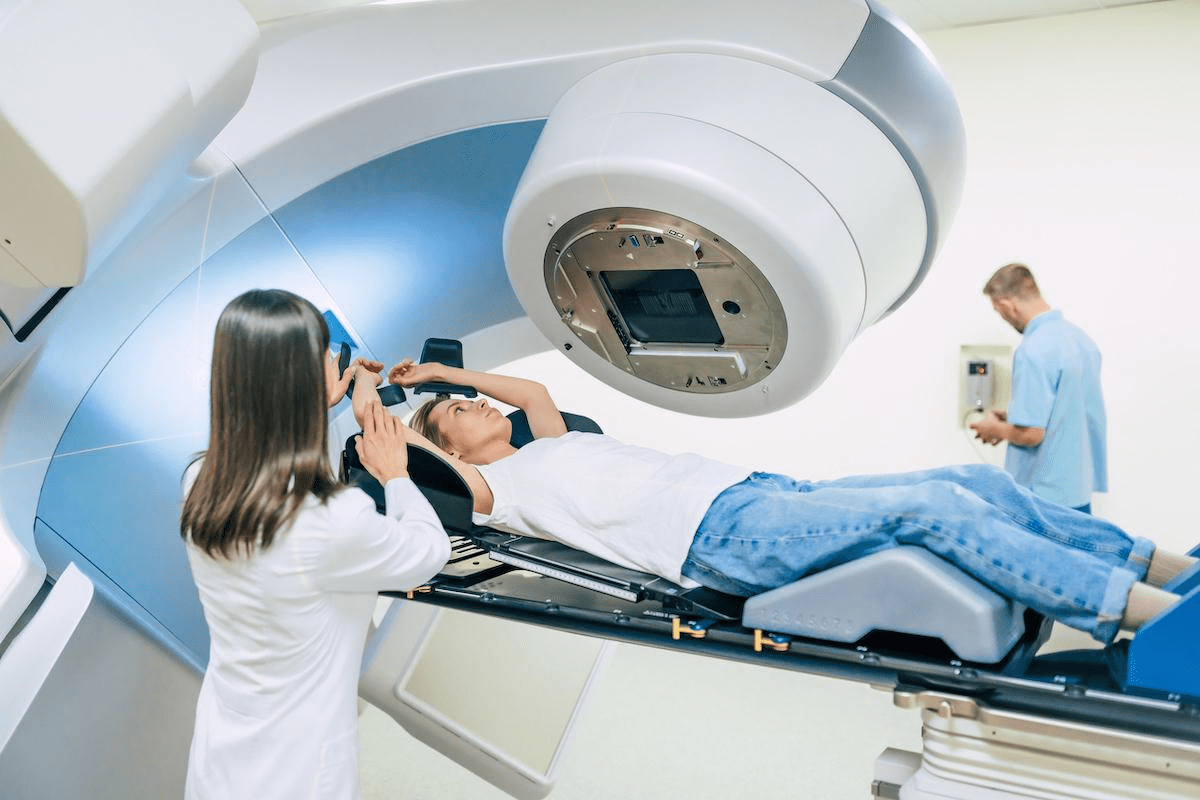
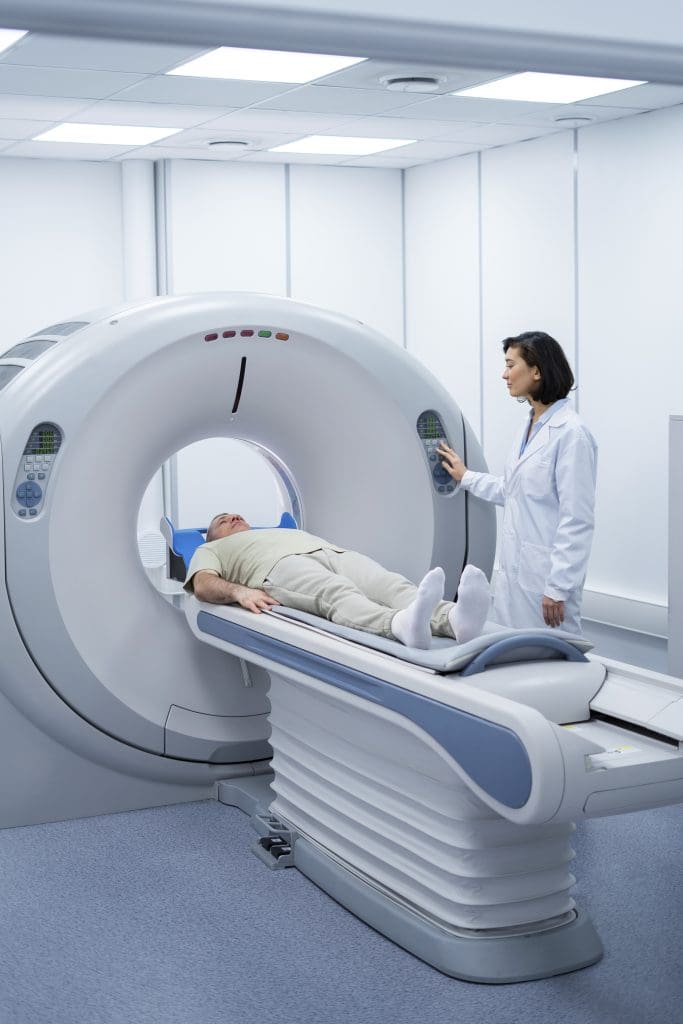
The PET scan happens in a special room with the PET scanner. This machine is shaped like a doughnut and detects the tracer’s radiation. Patients lie on a table that slides into the scanner, staying very quiet during the scan.
The scanning environment is designed to:
- Minimize radiation exposure to staff and others nearby.
- Provide a comfortable and calm space for the patient during the scan.
- Ensure optimal imaging conditions for accurate diagnostic results.
What Happens During Imaging
During the scan, the scanner captures the radiation from the tracer. It creates detailed, three-dimensional images of the body’s metabolic activity. The scan is usually painless and can last from 30 minutes to several hours.
Important aspects of the imaging process include:
- The need to remain very quiet during the scan to get clear images.
- The possibility of additional scans or imaging sequences as needed.
- The role of the imaging technologist in operating the scanner and monitoring the procedure.
Immediate Post-Scan Safety Measures
After a PET scan, it’s key to follow safety steps to lower radiation risk for others. The tracer used in the scan will break down and leave your body. But, taking some precautions can help lessen exposure to those nearby.
First 24 Hours After Your Scan
In the first 24 hours, keep a safe distance from others, like pregnant women and kids. They are more at risk from radiation. The American Cancer Society advises avoiding close contact during this time.
Here are some tips to reduce exposure:
- Drink lots of water to help get rid of the tracer.
- Stay away from others, mainly pregnant women and children.
- For the first night, sleep in a separate bed.
Transportation Considerations
When you’re ready to go home after a PET scan, think about how you’ll get there. It’s usually okay to drive yourself, but having someone with you is a good idea. If you’re feeling tired or confused, it’s safer to have someone else drive.
Avoid public transport if you can. It’s a small space where you could be closer to others.
Initial Activity Restrictions
Right after your PET scan, it’s wise to limit some activities to lower radiation risk. Avoid hard workouts, as they can spread the tracer in your body.
Start getting back to normal slowly. Talk to your doctor about when it’s okay to go back to your usual activities.
Radiation Exposure Management
It’s important to know how to handle radiation after a PET scan. The tracer used in PET scans stays in the body for hours. It emits radiation that can affect others nearby.
Duration of Radioactivity After a PET Scan
The tracer in PET scans loses its radioactivity fast. It’s mostly gone within a few hours.
Medical guidelines say it takes about 24 hours for the body to clear most of the tracer. But, this can change based on how hydrated you are and your metabolism.
Maintaining Safe Distances from Others
To keep others safe from radiation, stay far away, at least in the first few hours after the scan.
- Keep at least 3 feet away from others, like kids and pregnant women.
- Avoid hugging or kissing.
- Try to sleep in a separate bed if you can.
Precautions for Household Members
Household members should also take steps to avoid radiation. Simple actions can greatly reduce exposure risks.
| Precaution | Description |
| Use separate utensils and dishes | Don’t share eating utensils or dishes to avoid contact with the radioactive tracer. |
| Flush toilet twice after use | Flushing twice ensures any radioactive tracer in urine is properly disposed of. |
| Wash hands thoroughly | Washing hands well, after using the bathroom, can help lower exposure. |
By following these tips, you can manage radiation exposure after a PET scan. This helps keep you and those around you safe.
Hydration and Dietary Guidelines Post-Scan
After a PET scan, you need to do more than just rest. You should also pay attention to how much you drink and what you eat. Healthline recommends staying hydrated to help get rid of the radioactive tracer from your body.
Importance of Fluid Intake
Drinking enough water is key to getting rid of the tracer used in the PET scan. It helps lower your radiation exposure and speeds up recovery. You should drink at least 5 to 7 glasses of water or other recommended drinks in the 24 hours after your scan.
“Drinking plenty of water is one of the simplest and most effective ways to help your body eliminate the radioactive tracer,” says a medical expert. This practice not only helps in flushing out the tracer but also keeps you hydrated, which is essential for your overall well-being.
Recommended Beverages
Not all drinks are good for hydration after a scan. It’s best to stick to:
- Water: The best beverage for hydration.
- Herbal teas: Caffeine-free and gentle on the body.
- Clear broths: Can be soothing and help with hydration.
Avoid caffeinated and sugary drinks as they can have negative effects on your hydration status.
When to Resume Normal Eating
Going back to your usual diet after a PET scan should be done slowly. Unless your doctor tells you differently, you can usually go back to your normal diet within 24 hours. Listen to your body and adjust your food intake as needed.
It’s always a good idea to consult with your healthcare provider for personalized dietary advice after a PET scan.
Bathroom Safety Precautions
Keeping the bathroom safe after a PET scan is key to stop radioactive contamination. After the scan, your body will release small amounts of radiation. This radiation can be passed out through waste.
Proper Handling of Bodily Waste
To keep others safe, follow these steps for handling waste:
- Flush the toilet twice after each use to ensure that radioactive waste is properly disposed of.
- Wash your hands thoroughly with soap and water after using the bathroom.
- Use toilet paper carefully, and avoid touching the inside of the toilet bowl.
Cleaning Recommendations
Cleaning is key to keep the bathroom safe after a PET scan. Here are some tips:
- Clean the toilet seat, handle, and surrounding areas with a disinfectant daily.
- Wipe down bathroom surfaces that you come into contact with, such as the sink and faucet.
Duration of Special Bathroom Protocols
The time you need to follow special bathroom rules can change. It depends on the PET scan type and the tracer used. Usually, these rules last for 24 to 48 hours after the scan.
Here’s a summary table for better understanding:
| Precaution | Duration | Description |
| Double Flushing Toilet | 24-48 hours | Flush twice after each use |
| Hand Washing | 24-48 hours | Wash hands thoroughly after bathroom use |
| Bathroom Cleaning | Daily for 24-48 hours | Clean toilet, sink, and other surfaces daily |
By sticking to these bathroom safety tips, you can greatly lower the risk of radioactive contamination to yourself and others.
Managing Common Side Effects After a PET Scan
It’s important to manage side effects after a PET scan for a smooth recovery. PET scans are usually safe, but some people might feel side effects. These can be from the radioactive tracer or the injection itself.
Normal vs. Concerning Symptoms
Knowing the difference between normal and concerning symptoms is key. Common side effects include mild discomfort at the injection site, feeling tired, or an allergic reaction to the tracer. But, severe symptoms like trouble breathing, a fast heartbeat, or a big rash need quick medical help.
Normal symptoms might be:
- Mild pain or redness at the injection site
- Fatigue or feeling tired
- Mild allergic reactions such as itching or a rash
Concerning symptoms that need medical help:
- Severe allergic reactions, including trouble breathing or swallowing
- Rapid heartbeat or palpitations
- Significant rash or hives
Injection Site Care
Proper care of the injection site can help reduce discomfort and prevent complications. Using a cold compress can ease pain and swelling. It’s also good to keep the area clean and dry.
When to Seek Medical Attention
If you have concerning symptoms or if they get worse, seek medical help. Your healthcare provider can check your condition and guide you on what to do next.
| Symptom | Normal/Concerning | Action |
| Mild injection site pain | Normal | Apply cold compress, monitor |
| Severe allergic reaction | Concerning | Seek immediate medical attention |
| Fatigue | Normal | Rest, stay hydrated |
Understanding PET scan side effects and how to manage them can make recovery more comfortable and safe.
Special Precautions for Specific Patient Groups
Some patients need special care after a PET scan. This is to keep them safe and healthy. A PET scan is a useful tool, but some groups need extra steps to avoid risks.
Guidelines for Diabetic Patients
Diabetic patients must watch their blood sugar closely after a PET scan. The fasting needed for the scan can change glucose levels. They should resume their normal medication schedule as told by their doctor. Drinking lots of water is also key.
Having a snack or meal ready after the scan can help keep blood sugar stable. Also, report any changes in your condition to your doctor.
Considerations for Patients with Kidney Disease
Patients with kidney disease should be extra careful after a PET scan. The contrast dye used in some scans can strain their kidneys. Adequate hydration is important to flush out the dye. They should drink plenty of water as advised by their doctor.
It’s also vital for these patients to monitor their kidney function after the scan. Watch for signs like changes in urination or swelling. Any concerns should be shared with their healthcare provider.
Precautions for Immunocompromised Individuals
Immunocompromised patients, like those with HIV/AIDS or undergoing chemotherapy, should be cautious after a PET scan. Maintaining good hygiene practices, such as frequent handwashing, is essential. They should also avoid close contact with sick people.
It’s wise for these individuals to follow their healthcare provider’s guidance on post-scan care. This includes any advice on preventing infections.
Returning to Work and Daily Activities
After a PET scan, it’s important to follow certain guidelines. This ensures your safety and helps avoid risks. Health experts say you can usually go back to your normal activities soon after. But, it’s key to take some precautions.
Safe Timeline for Resuming Normal Routines
The time it takes to get back to normal after a PET scan varies. It depends on your health and the type of scan. Usually, people can start their daily routines within 24 hours. But, there are a few things to keep in mind.
- Avoid strenuous activities for the first 24 hours
- Follow a normal diet unless told not to by a healthcare provider
- Stay hydrated by drinking plenty of fluids
Workplace Considerations
When you go back to work, think about these points:
- If your job requires being close to others, keep a safe distance for 24 hours
- Stay away from vulnerable groups like the elderly or young kids for a day
- If you work with radioactive materials or in healthcare, follow your employer’s or healthcare provider’s rules
Tell your employer about your PET scan if your job is safety-sensitive or involves being close to others.
Exercise and Physical Activity Guidelines
When you start exercising again after a PET scan, do it slowly. Here are some tips:
- For the first 24 hours, skip intense workouts or activities that make you sweat a lot
- Start with light activities like walking when you feel okay
- Listen to your healthcare provider about any exercise rules
It’s important to listen to your body and not overdo it after a PET scan.
PET Scan Results: What to Expect
PET scan results are key in diagnosing and treating health issues. Knowing what to expect can make the process easier. After a PET scan, you might be eager to get your results and understand their meaning for your health.
How Long Do PET Scan Results Take?
The time to get PET scan results varies. The American College of Radiology says results are usually ready in a few hours to a few days. Several factors affect this time, like the scan type, the facility’s workload, and how urgent the case is.
Here’s what you can generally expect:
| Result Availability | Typical Timeframe |
| Initial Results | A few hours |
| Detailed Report | 1-3 days |
| Final Interpretation | Discussed during follow-up |
Understanding Your Imaging Report
It’s important to understand your PET scan imaging report. The report will show the scan’s findings, including any concerns or abnormalities. Reviewing the report with your healthcare provider helps you understand the results’ implications.
Key components of the report may include:
- Scan details and technical information
- Comparison with previous scans (if applicable)
- Identification of any abnormalities or areas of concern
- Recommendations for further testing or treatment
Follow-up Appointment Preparation
Preparing for your follow-up appointment is key. It’s a good idea to come with questions and concerns about your results. Understanding your PET scan results and the recommendations can greatly affect your treatment plan.
To prepare effectively:
- Write down your questions and concerns
- Bring any relevant medical records or previous scan results
- Discuss your symptoms or any changes in your condition
- Understand the next steps in your treatment or diagnosis
Being prepared ensures a productive discussion with your healthcare provider. This way, you can better understand your PET scan results.
Multiple PET Scans: Cumulative Precautions
When you need to have PET scans more than once, it’s important to think about the total radiation you get. This is key for those who have to get scans often. It helps to lower the risks to your health.
Spacing Between Repeated Scans
For those getting multiple PET scans, how long to wait between them matters a lot. Doctors say it’s best to wait a bit between scans to cut down on radiation effects. The right wait time depends on the scan type, what you’re being checked for, and your health.
Doctors need to decide if each scan is really needed. They must weigh the need for information against the risk of radiation.
Long-term Radiation Exposure Considerations
Getting PET scans over time means you’re exposed to more radiation. It’s important to know how this affects your body and how to lessen these effects. Talk to your doctor about your radiation history to get advice tailored to you.
- Know the total radiation dose you’ve gotten.
- Learn about the dangers of getting too much radiation.
- Follow your doctor’s advice on managing radiation.
Record-Keeping Recommendations
Keeping track of your PET scans and other tests that use radiation is very important. It’s a good idea to keep your own medical records. Include details like the scan date, type, and radiation dose.
- Ask your doctor for a copy of your PET scan report.
- Keep a log of all your tests that use radiation.
- Share your records with your doctors to help them understand your radiation history.
By knowing about spacing between scans, thinking about long-term radiation, and keeping good records, you can help protect yourself. This is important for those who have to get PET scans often.
Documentation and Communication with Healthcare Providers
Keeping in touch with your healthcare team is key after a PET scan. It’s important to make sure they know about your health, treatment, and any worries you have. This helps you recover smoothly.
Important Information to Share
When talking to your healthcare providers, share important details about your PET scan. This includes:
- Any symptoms or side effects you’ve experienced
- Changes in your medication or diet
- Concerns or questions about your results or care
Being open and detailed helps your healthcare team give you the best care. They can tailor it to your specific needs.
Questions to Ask Your Doctor
Make a list of questions for your doctor to cover all your concerns. Ask about:
- The meaning of your PET scan results for your treatment
- Any follow-up appointments or tests needed
- Managing side effects or symptoms from the scan
The National Cancer Institute says good communication is key for quality care. Don’t be shy about asking for clarification on anything you don’t get.
Creating a Personal Medical Record
Keeping a personal medical record is very helpful. It should include:
- Details of your PET scan and related procedures
- Your medical history, including past scans and treatments
- Any medications you’re taking now
Having this info ready helps your healthcare team make better decisions. It also lets you take a more active role in your health.
Conclusion: Ensuring a Safe Recovery After Your PET Scan
Following the right steps is key to a safe recovery after a PET scan. You need to know the safety measures, manage radiation, and talk to your healthcare team. This way, you can avoid risks and recover well.
It’s important to follow the aftercare instructions for your PET scan. Drink plenty of water, eat right, and avoid exposing others to radiation. These steps help prevent complications and keep you healthy.
By sticking to the safety tips, you can lower the risks of the PET scan. Good aftercare is essential for a successful experience. Your healthcare team is there to help and guide you during your recovery.
https://www.ncbi.nlm.nih.gov/books/NBK559089
FAQ
How long does a PET scan take?
A PET scan usually lasts about 30 minutes to an hour.
How long does the radioactive tracer stay in your system after a PET scan?
The tracer stays in your system for a few hours after the scan.
What precautions should be taken after a PET scan to minimize radiation exposure?
To reduce radiation exposure, keep a safe distance from others. Follow good hygiene and handle waste carefully.
How long are you radioactive after a PET scan?
You’re radioactive for a few hours after the scan. It’s important to follow guidelines to protect others.
What are the common side effects of a PET scan?
Side effects might include reactions at the injection site. It’s key to know the difference between normal and concerning symptoms.
How long do PET scan results take?
Getting PET scan results can take different amounts of time. It’s important to understand your report and prepare for your next appointment.
What are the guidelines for diabetic patients after a PET scan?
Diabetic patients should monitor their blood sugar and adjust their medication as needed.
Can you shower before a PET scan?
It’s best to follow specific hygiene guidelines before a PET scan. Always check with your healthcare provider.
How is a PET scan performed?
A PET scan involves giving a radioactive tracer and then scanning. This usually takes 30 minutes to an hour.
What does a PET scan machine look like?
A PET scan machine is a large, doughnut-shaped device. It uses a radioactive tracer to create detailed images of the body’s internal structures.
What is a PET scan used for?
PET scans are used to detect cancer, neurological disorders, and other conditions. They use a radioactive glucose molecule to create detailed images.
How long does it take to get PET scan results?
The time to get PET scan results varies. It’s important to talk to your healthcare provider for specific guidance.
What are the precautions for immunocompromised individuals after a PET scan?
Immunocompromised individuals should take extra precautions. They should follow specific guidelines provided by their healthcare provider to minimize infection risk.
How long should you wait between repeated PET scans?
The wait time between PET scans varies. It depends on the type of scan and individual patient needs. A healthcare provider should determine this.
What are the benefits of creating a personal medical record?
Creating a personal medical record helps track your medical history. It includes PET scan results and makes communication with healthcare providers easier.