A Left Ventricular Assist Device (LVAD) is a mechanical pump for those with advanced heart failure. It greatly improves survival and quality of life. But, not everyone is a good fit for this technology.
About 20% of heart failure patients might be eligible for LVAD therapy. This leaves a big group who can’t get it because of certain reasons. It’s important for both patients and doctors to understand these reasons.
Several things decide if someone is not a candidate for LVAD. These include severe health problems, damage that can’t be fixed, and personal issues. Knowing these is key to deciding if LVAD is right for someone.
Key Takeaways
- LVAD therapy is not suitable for all heart failure patients.
- Severe comorbidities can be a contraindication for LVAD.
- Irreversible end-organ damage may exclude patients from LVAD therapy.
- Psychosocial factors play a significant role in determining LVAD eligibility.
- Careful patient selection is key for good LVAD results.
Understanding LVAD Therapy and Its Purpose

Left Ventricular Assist Devices (LVADs) have greatly helped in managing heart failure. LVAD therapy is a key treatment for advanced heart failure. It supports the heart’s pumping function.
What is a Left Ventricular Assist Device?
A Left Ventricular Assist Device (LVAD) is a mechanical pump in the body. It helps the heart’s left ventricle pump blood. The left ventricle pumps blood to the body.
In heart failure, the left ventricle doesn’t pump well. This leads to poor blood circulation. An LVAD boosts the left ventricle’s pumping, ensuring organs get enough oxygen.
Types of LVADs and Their Functions
There are many types of LVADs, each with its own role. Some are for short-term use, others for long-term support. The main job of an LVAD is to ease the heart’s workload.
This lets the heart rest and possibly heal. LVADs also help patients live better by making daily tasks easier.
Bridge to Transplant vs. Destination Therapy
LVAD therapy has two main uses: Bridge to Transplant and Destination Therapy. As a Bridge to Transplant, an LVAD helps patients wait for a heart transplant. Destination Therapy uses an LVAD as a long-term solution for those not getting a transplant.
In both cases, LVAD therapy aims to improve survival and quality of life for patients.
The LVAD Patient Selection Process
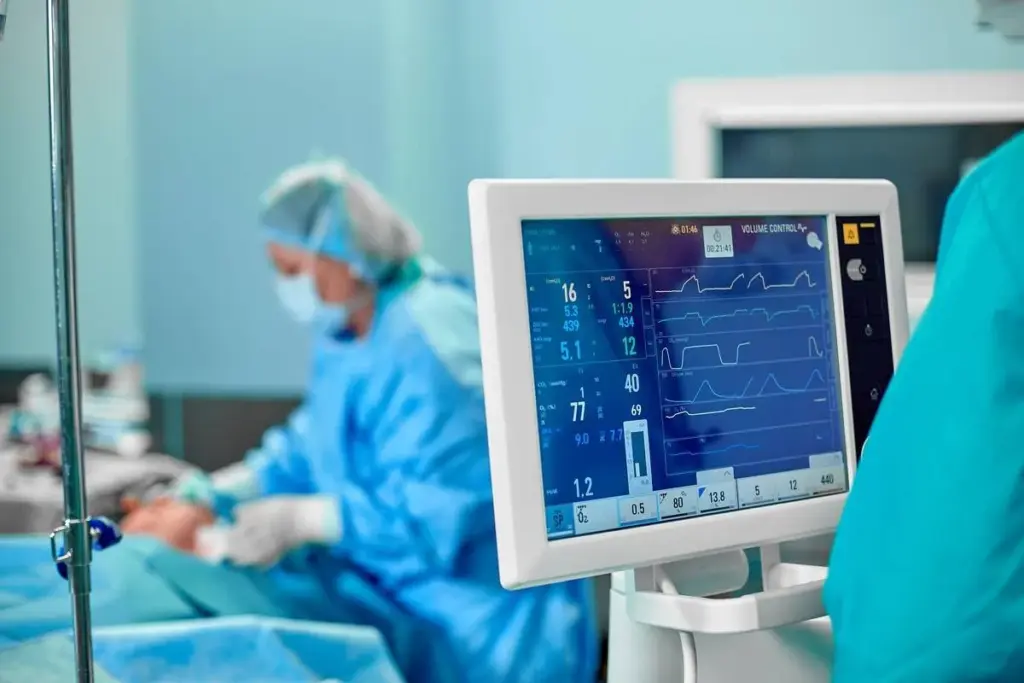
Choosing the right patients for LVAD therapy is a detailed process. A team of healthcare experts carefully assesses each candidate. This ensures only those who will likely benefit from the therapy are selected, while keeping risks low.
Multidisciplinary Team Approach
Choosing patients for LVAD therapy involves a multidisciplinary team approach. This team includes cardiologists, surgeons, nurses, and more. They look at the patient’s medical history, current health, and if they’re a good fit for LVAD therapy.
This team approach makes sure every aspect of the patient’s health is considered. They work together to decide if LVAD therapy is right for the patient.
Initial Screening and Evaluation
The initial screening and evaluation are key. They involve a deep dive into the patient’s medical history, lab tests, and imaging studies. This helps spot any issues and check the patient’s overall health.
The team checks the patient’s heart, kidneys, and other vital organs. They do this to see if LVAD therapy is a good option.
|
Evaluation Criteria |
Description |
Importance |
|---|---|---|
|
Medical History |
Review of patient’s past medical conditions and treatments |
High |
|
Laboratory Tests |
Blood tests and other laboratory evaluations |
High |
|
Imaging Studies |
Echocardiograms, MRIs, and other imaging tests |
High |
|
Cardiac Function |
Assessment of heart function and cardiac output |
Critical |
Risk Assessment Tools
Risk assessment tools are used to forecast possible complications and outcomes. These tools help identify patients at high risk of problems.
Using these tools, the healthcare team can make better choices. They can also plan ways to reduce risks for each patient.
Medical Contraindications for LVAD Therapy
Choosing to get an LVAD is a big decision. It involves looking at several medical reasons that might affect how well the therapy works. These reasons also impact the patient’s quality of life.
Severe Right Ventricular Failure
Severe right ventricular failure is a strong contraindication for LVAD therapy. The right ventricle helps the left ventricle do its job. Without it working right, the LVAD might not fill up or pump enough.
Patients with severe right ventricular failure might not get better with an LVAD. They need to address this issue first.
Advanced End-Organ Dysfunction
Advanced end-organ dysfunction, like liver and kidney disease, can make LVAD therapy tricky. Such conditions might raise the risk of bad outcomes.
Liver Disease and Cirrhosis
Liver disease, like cirrhosis, can really hurt a patient’s chances. Cirrhosis can cause bleeding problems, fluid buildup, and other issues. These problems might make an LVAD not a good choice.
Kidney Disease and Renal Failure
Kidney disease and renal failure are also big concerns. Patients with severe kidney problems might need dialysis before they can get an LVAD.
Active Infections and Sepsis
Active infections and sepsis are big no-nos for LVAD therapy. Having an infection can up the risk of getting infections from the device. This can lead to more problems.
Uncontrolled Coagulopathies
Uncontrolled coagulopathies are a big risk for LVAD patients. These bleeding problems can be a major worry after surgery.
Who is Not a Candidate for LVAD: Cardiovascular Exclusion Criteria
Cardiovascular exclusion criteria are key in finding out who can’t get an LVAD. These criteria help decide if a patient is right for an LVAD implant.
Irreversible Biventricular Failure
Irreversible biventricular failure means both heart ventricles are badly damaged and can’t get better. This makes it hard for an LVAD to work because it only helps the left ventricle. The right ventricle might need extra help.
Severe Valvular Disease
Severe valvular disease, like stenosis or regurgitation, can make an LVAD less effective. If the valves aren’t fixed, it could cause problems after the implant.
Uncorrectable Bleeding Disorders
People with uncorrectable bleeding disorders face more risks during and after LVAD surgery. These disorders can cause too much bleeding, making it hard to care for patients after surgery.
Recent Stroke or Neurological Events
Having had a recent stroke or neurological event might mean you can’t get an LVAD. It’s because there’s a risk of more damage or trouble managing the device. Checking the brain’s health is very important before deciding on an LVAD.
|
Cardiovascular Exclusion Criteria |
Description |
Impact on LVAD Therapy |
|---|---|---|
|
Irreversible Biventricular Failure |
Severe impairment of both heart ventricles |
LVAD may not be effective without additional right ventricular support |
|
Severe Valvular Disease |
Significant stenosis or regurgitation of heart valves |
Can lead to post-implantation complications if not corrected |
|
Uncorrectable Bleeding Disorders |
Conditions leading to uncontrollable bleeding |
Increases risk of surgical and post-surgical complications |
|
Recent Stroke or Neurological Events |
Recent neurological damage or events |
May contraindicate LVAD due to risk of further neurological damage |
Anatomical and Technical Limitations
LVAD candidacy is influenced by many factors. Healthcare providers must carefully evaluate these. They affect the success of LVAD therapy and the patient’s life after implantation.
Body Size Considerations
The size of the patient is key in LVAD implantation. Body surface area (BSA) helps decide if a LVAD is right. Smaller BSA patients might face issues with device size and fit.
Previous Cardiac Surgeries and Chest Anatomy
Patients with past cardiac surgeries face challenges. Changes in the heart and adhesions can make implantation hard. It’s important to check the chest anatomy before surgery.
Anatomical Abnormalities and Congenital Defects
Congenital heart defects or other issues can make LVAD therapy tricky. They might need special devices or surgery. A detailed check is needed to find the best approach.
In conclusion, anatomical and technical limits are key in LVAD eligibility. A thorough check of body size, past surgeries, and abnormalities is essential for successful therapy.
Comorbidities That May Disqualify LVAD Candidates
When considering LVAD therapy, doctors carefully check for comorbid conditions. These conditions can make it hard for a patient to get an LVAD. They can also affect the patient’s life quality and the therapy’s success.
Advanced Age and Frailty
Older adults and those who are frail face challenges with LVAD therapy. They often have other health issues that make treatment harder. A detailed check-up is needed to see if an older adult can get an LVAD.
Active or Recent Malignancies
Patients with cancer face special concerns when it comes to LVADs. Cancer can come back or spread, and LVADs can weaken the immune system. Doctors must carefully check if the benefits of an LVAD outweigh the risks for these patients.
Severe Pulmonary Disease
Severe lung diseases, like COPD, can make it hard to get an LVAD. These patients might have trouble breathing, making it tough to manage the LVAD. Doctors need to check the lungs before surgery and work to improve lung health.
Uncontrolled Diabetes and Metabolic Disorders
Diabetes and other metabolic problems can also be a barrier to LVADs. These issues can lead to infections and make it hard for the body to heal. Keeping blood sugar levels in check and managing metabolic issues is key to preparing a patient for an LVAD.
|
Comorbidity |
Impact on LVAD Candidacy |
Preoperative Evaluation |
|---|---|---|
|
Advanced Age and Frailty |
Increased risk of adverse outcomes |
Comprehensive geriatric assessment |
|
Active or Recent Malignancies |
Risk of cancer recurrence or metastasis |
Oncological evaluation |
|
Severe Pulmonary Disease |
Compromised respiratory function |
Pulmonary function tests |
|
Uncontrolled Diabetes and Metabolic Disorders |
Increased risk of infection and metabolic instability |
Glycemic control and metabolic management |
A study shows that
“The presence of comorbidities is a critical factor in determining the suitability of patients for LVAD therapy. A thorough evaluation of these conditions is essential to optimize patient outcomes.”
Managing comorbidities well is key to the success of LVAD therapy.
Psychosocial Contraindications
Psychosocial factors are key in deciding if a patient can get LVAD therapy. These factors affect how well a patient can handle the device and follow care instructions after implantation.
Substance Abuse Issues
Substance abuse is a big no-no for LVAD therapy. It can make it hard for patients to stick to their treatment plans and follow-up appointments. This raises the chance of serious problems.
Cognitive Impairment and Dementia
Patients with cognitive issues or dementia might struggle with LVAD care. They may find it hard to do things like change batteries or watch for alarm signals. This could make the therapy less effective.
Psychiatric Conditions
Some mental health issues, like untreated depression or psychosis, can make it tough for patients to follow their care plans. This is important for managing the LVAD system well.
Inadequate Social Support System
Having a good support system is vital for LVAD patients. Without enough support, managing the device and keeping up with care can be a challenge.
|
Psychosocial Factor |
Impact on LVAD Therapy |
|---|---|
|
Substance Abuse |
Increases risk of non-compliance and complications |
|
Cognitive Impairment |
Compromises ability to manage LVAD system |
|
Psychiatric Conditions |
Affects adherence to post-implant care |
|
Inadequate Social Support |
Difficulties in managing device and follow-up care |
Compliance and Lifestyle Considerations
Choosing to get a Left Ventricular Assist Device (LVAD) is more than just a medical choice. It also means making big lifestyle changes. How well a patient can follow these changes is key to the success of LVAD therapy.
Inability to Manage LVAD Care
Being able to take care of an LVAD is a big part of being a good candidate. This includes knowing how to handle the battery, keep the driveline clean, and fix any alarms. If a patient can’t or won’t do these things, they might not be right for an LVAD.
Medication Adherence Concerns
Sticking to medication is also very important with an LVAD. Patients need to take blood thinners and other meds to avoid serious problems. If a patient can’t follow their medication plan, they might not be a good fit for an LVAD.
Follow-up Appointment Requirements
Going to regular check-ups is a must for LVAD patients. These visits help doctors keep an eye on how the device is working and how the patient is doing. Patients need to be ready and able to go to these appointments, which can happen often, at least in the beginning.
Quality of Life Expectations
It’s also important to think about how an LVAD will affect a patient’s life. LVADs can greatly improve life for many people, but they do require big changes. Patients need to be ready to make these changes and understand what life with an LVAD will be like.
In short, how well a patient can handle LVAD care, follow their medication, go to appointments, and adjust to life with an LVAD is very important. Doctors use these factors to decide if someone is a good candidate for an LVAD.
Conclusion: Navigating LVAD Eligibility Decisions
Choosing to use a Left Ventricular Assist Device (LVAD) is a big decision. It needs careful thought about many things. Doctors look at the patient’s health, body, and mental state before deciding.
It’s important to check if a patient is a good fit for an LVAD. This check helps ensure the device will work well and improve the patient’s life. A team of doctors and experts work together to make this decision. They use special tools and look at any reasons why an LVAD might not be right.
Knowing what affects LVAD decisions helps doctors make better choices for patients. This leads to better care and results for those who get an LVAD.
FAQ
What are the primary contraindications for LVAD therapy?
Severe right ventricular failure and advanced end-organ dysfunction are big no-nos for LVAD therapy. So are active infections and uncorrectable bleeding disorders.
Can patients with severe valvular disease be considered for LVAD therapy?
No, patients with severe valvular disease usually don’t qualify for LVAD therapy. It doesn’t fix the root problem of the valve.
How does age impact eligibility for LVAD therapy?
Age can play a role in LVAD eligibility. Older patients might face more health issues and risks. But, age alone doesn’t rule out LVAD therapy.
What role does a patient’s social support system play in LVAD eligibility?
A strong social support system is key for LVAD therapy. It helps with managing the device and keeping up with doctor’s visits.
Can patients with active malignancies be considered for LVAD therapy?
Usually, those with active or recent cancers aren’t good candidates for LVAD therapy. The cancer can affect their survival chances.
How do substance abuse issues affect LVAD eligibility?
Substance abuse can make someone a poor candidate for LVAD therapy. It can make it hard to follow treatment plans and take meds.
What are the anatomical limitations that can affect LVAD eligibility?
Body size, past heart surgeries, and chest shape can limit LVAD eligibility. These factors might make the implantation tricky.
Can patients with severe pulmonary disease be considered for LVAD therapy?
People with severe lung disease often don’t qualify for LVAD therapy. It might not solve their lung problems.
How does cognitive impairment impact LVAD eligibility?
Cognitive issues can be a no-go for LVAD therapy. They can make it hard to handle the device and keep up with care.
What are the compliance requirements for LVAD therapy?
LVAD patients must stick to a strict treatment plan. This includes taking meds, going to doctor’s visits, and managing the device. They also need to watch for alarms and do regular maintenance.
References
National Center for Biotechnology Information. Evidence-Based Medical Insight. Retrieved from https://pubmed.ncbi.nlm.nih.gov/32726270/