

Did you know over 10 million echocardiograms are done every year in the U.S.? This test uses ultrasound waves to show detailed heart images. It’s key for spotting and tracking heart problems.
An echocardiogram, or cardiac ultrasound, is a must-have for doctors. It checks how well the heart works and finds any issues. Knowing how to get ready for it is just as important for good results.
Key Takeaways
- Understanding what an echocardiogram is and its significance in heart health.
- The role of echocardiography in diagnosing heart conditions.
- Preparation is key to ensuring accurate test results.
- Certain activities or foods may interfere with the test’s accuracy.
- Following specific guidelines can help ensure a smooth testing process.
Understanding Echocardiograms

An echocardiogram, or “echo,” is a key test for checking the heart’s health. It’s a non-invasive way to see how well the heart works. Knowing about echocardiograms helps patients understand their heart health better.
What is an Echocardiogram?
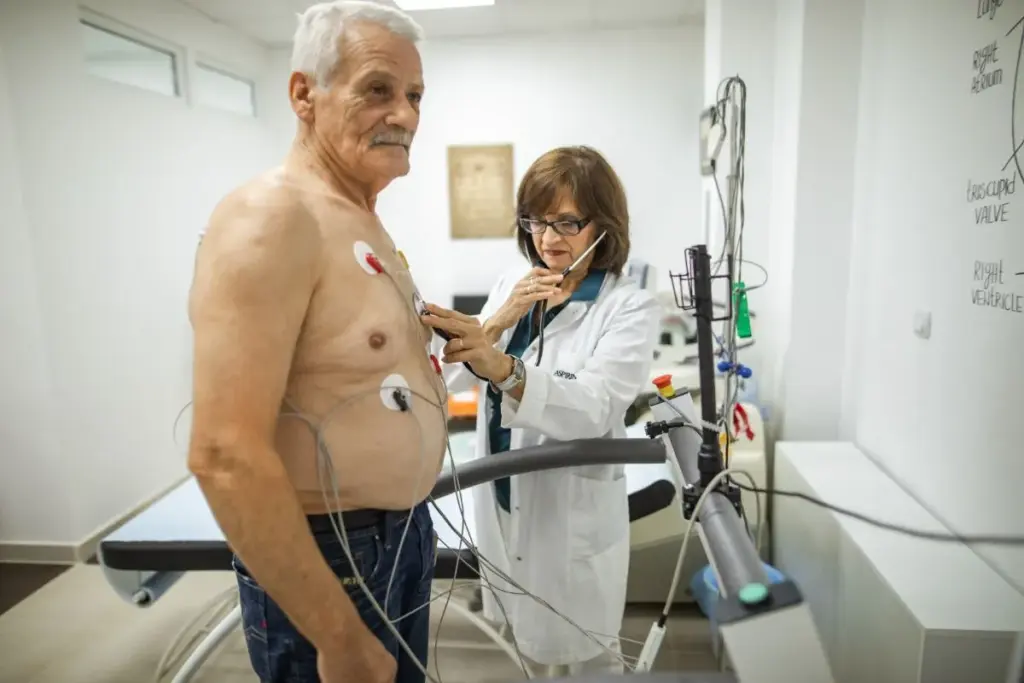
An echocardiogram is a ultrasound test that uses sound waves to show the heart’s images. It lets doctors see the heart’s parts and how they work. This test is vital for finding heart issues early.
Common Uses and Benefits
Echocardiograms help find heart valve issues, heart failure, and other problems. They are safe, don’t use radiation, and show the heart moving in real-time. This info helps doctors create the best treatment plans for each patient.
|
Common Uses |
Benefits |
|---|---|
|
Diagnose heart valve problems |
Non-invasive procedure |
|
Detect heart failure |
No radiation exposure |
|
Monitor heart health over time |
Provides real-time heart images |
Importance of Pre-Echocardiogram Instructions
Getting ready for an echocardiogram is more than just arriving on time. You need to follow specific instructions before the test. These steps help make sure the test results are accurate and useful for your doctor.
Why Following Instructions Matters
Following the instructions for your echocardiogram is key. It affects how good the test results will be. For example, some medicines, like blood thinners, might need to be stopped before the test. This is to avoid messing up the results.
Also, you might need to skip eating before the test. This is to make sure the test works best.
- Ensures accurate test results
- Helps in diagnosing heart conditions effectively
- Prevents the need for repeat tests due to non-compliance
Doctors stress how important it is to follow these instructions. By doing so, you help make sure your test results are good and useful for your doctor.
“The quality of the echocardiogram is directly related to the patient’s preparation. Proper preparation is key to obtaining high-quality images.”
Dr. Jane Smith, Cardiologist
Consequences of Non-Compliance
If you don’t follow the instructions, you might get test results that aren’t clear. This can make it harder to figure out what’s wrong and when to start treatment. It might also mean you have to do more tests, which can cost more and cause more stress.
Not following the instructions could mean you have to do the test again. This can be a hassle and might make it take longer to find out what’s wrong. So, it’s really important to follow what your doctor tells you to do.
- Read and understand the pre-echocardiogram instructions carefully
- Ask questions if you are unsure about any aspect of the instructions
- Comply with all dietary and medication restrictions as advised
By knowing how important these instructions are and following them, you help make sure your echocardiogram goes well. This helps your doctor take better care of you.
Preparing for Your Echocardiogram
To get the best results from your echocardiogram, follow your healthcare team’s prep steps. This helps get accurate test results and keeps you safe during the test.
Key Instructions from Healthcare Providers
Your healthcare provider will tell you how to get ready for your echocardiogram. They might say what foods or drinks to avoid, what medications to take, and what to wear. It’s important to listen to these instructions to avoid any problems or needing to do the test again.
Some common instructions include:
- Avoiding certain foods or drinks before the test
- Taking your medications as usual, unless told not to
- Wearing comfortable, loose-fitting clothing
Medical experts say it’s key to follow the prep steps given by your healthcare provider. This ensures the test results are accurate and helps in making the right decisions about your care.
The Role of Medications in Preparation
Medications are important when getting ready for an echocardiogram. Your healthcare provider will tell you if you should keep taking your medications or make any changes before the test. It’s important to tell your healthcare provider about all the medications you’re taking, including any over-the-counter drugs or supplements.
“It’s vital to tell your healthcare provider about all medications and supplements to avoid any problems during the echocardiogram.”
By following your healthcare provider’s instructions about medications and other prep steps, you help make sure your echocardiogram is done safely and well.
Common Mistakes Before an Echocardiogram
Before an echocardiogram, there are common mistakes to watch out for. Knowing these can help get accurate results and a smooth test. It’s important to avoid these mistakes for a good experience.
Dietary Restrictions
One key thing to remember is dietary restrictions. Some foods and drinks can mess with the test. Your healthcare provider will tell you what to avoid. For example, caffeine and heavy meals can change how your heart works.
Make sure to ask about any food limits early on. This way, you’ll be ready for the test and get the best results.
Clothing Guidelines
Following clothing guidelines is also important. Wear loose, comfy clothes for an easier test. You might need to change into a gown or show your chest for ECG leads.
Also, skip jewelry or items that could get in the way of EKG placement. Dressing right helps the test go smoothly.
Informing Healthcare Providers
Telling your healthcare providers about your health is key. Share any medical issues, allergies, or meds you’re on. This info keeps you safe and helps get accurate results.
Being honest with your healthcare team lets them tailor the test for you. This ensures the best results for you.
Avoiding Certain Medications
Getting ready for an echocardiogram is more than just showing up on time. It’s also about managing your medications. Some drugs can mess with the test’s results or interact with the procedure in unexpected ways. So, it’s key to know which medications to avoid or adjust for accurate results.
Blood Thinners and Their Impact
Blood thinners like warfarin, aspirin, and clopidogrel help prevent blood clots. But, they can impact the echocardiogram, mainly if it’s a stress test or a transesophageal echocardiogram (TEE). Your doctor might tell you to stop these medications before the test to reduce risks.
Other Medications to Avoid
Other than blood thinners, some cardiac medications might need to be adjusted or skipped. These can change heart rate or blood pressure, which could skew the test results. It’s vital to tell your healthcare provider about all your medications, including over-the-counter drugs and supplements, for tailored advice.
|
Medication Type |
Potential Impact |
Action Before Echocardiogram |
|---|---|---|
|
Blood Thinners (e.g., warfarin, aspirin) |
May increase risk of bleeding or affect test results |
May need to be stopped temporarily |
|
Cardiac Medications (e.g., beta-blockers, nitrates) |
Can alter heart rate or blood pressure |
Dosage adjustment may be necessary |
|
Over-the-counter Medications and Supplements |
Potential interactions with other medications or test results |
Inform your doctor; some may need to be avoided |
Dietary Restrictions Prior to the Test
Before getting an echocardiogram, knowing what to eat is key. Different tests and patients have different needs. But, there are some general tips to follow.
Foods to Avoid Before an Echocardiogram
Some foods and drinks can mess with the test. They might change your heart rate or make you uncomfortable. Here are some things to skip:
- Caffeine: In coffee, tea, chocolate, and some meds, it can speed up your heart and mess with the test.
- Heavy Meals: Big meals can make you uncomfortable and might affect your heart for a bit.
- Carbonated Drinks: They can cause discomfort and gas, which might get in the way of the test.
Importance of Fasting
Fasting is often needed before an echocardiogram, like for stress tests or with certain meds. You usually need to not eat or drink (except water) for 4 to 12 hours.
Fasting is important for a few reasons:
- Reduce the Risk of Complications: It lowers the chance of problems like nausea or aspiration during the test.
- Ensure Accurate Results: Fasting helps get more precise and reliable test results by controlling for food intake.
In short, sticking to dietary rules before an echocardiogram is vital. Avoiding certain foods and fasting helps your healthcare team get the info they need. This way, they can make better decisions about your heart health.
Lifestyle Changes Before the Procedure
To get the most out of your echocardiogram, we recommend making some key lifestyle adjustments beforehand. These changes can help ensure the test’s accuracy and your overall comfort during the procedure.
Exercise Limitations
Engaging in strenuous exercise or physical activity before an echocardiogram may impact the test results. We advise limiting vigorous exercise for at least 24 hours prior to the test. This ensures your heart rate and blood pressure are at a resting state. This allows for a more accurate assessment of your heart’s function.
Some examples of strenuous activities to avoid include:
- High-intensity workouts
- Running or jogging
- Lifting heavy weights
- Participating in competitive sports
Importance of Rest and Relaxation
Adequate rest and relaxation are key in the days leading up to your echocardiogram. Stress and fatigue can affect your heart rate and blood pressure, potentially influencing the test outcomes. We recommend getting plenty of rest and engaging in relaxing activities to help manage stress.
Some ways to promote rest and relaxation include:
- Getting at least 7-8 hours of sleep per night
- Practicing relaxation techniques such as deep breathing or meditation
- Engaging in light, leisurely activities like reading or taking a warm bath
- Avoiding stimulating activities or environments that could cause undue stress
By making these lifestyle adjustments, you can help ensure a successful echocardiogram. This contributes to a more accurate diagnosis and treatment plan.
Hydration Guidelines
When getting ready for an echocardiogram, knowing about hydration is important. It’s good to stay hydrated, but there are certain drinks to avoid.
Drinking Water: What You Need to Know
Drinking water is key for staying hydrated. But, how much and when you drink it matters before an echocardiogram. It’s usually best to drink water as you normally do, unless your doctor tells you differently. Always follow your doctor’s specific advice.
Some important things to remember are:
- Drink plenty of water a few days before your echocardiogram to stay hydrated.
- Don’t drink too much water right before the test unless your doctor says it’s okay.
Caffeine and Alcohol Restrictions
Caffeine and alcohol can change your heart rate and blood pressure. This might affect your echocardiogram results. It’s best to avoid or limit caffeine and alcohol before your test, as your doctor advises.
Here are some tips:
- Don’t have caffeine for a few hours before your echocardiogram, as it can raise your heart rate.
- Try to avoid alcohol for 24 hours before your test, as it can affect your heart.
- By following these hydration tips, you help make sure your echocardiogram goes well. This gives your healthcare team the best information to help you.
Timing Considerations
Knowing when to schedule an echocardiogram is key to its success. We suggest planning early to get the best timing.
Ideal Scheduling for the Test
When setting up your echocardiogram, think about your schedule and any big events coming up. It’s best to pick a time when you’re relaxed and not in a hurry. This can help you feel calmer and get better results.
Also, some medicines or activities might need to be skipped before the test. Your doctor will tell you what to avoid. But, it’s wise to not eat too much or do hard exercise right before.
Avoiding Last-Minute Changes
Changing your echocardiogram plans at the last minute can be stressful. Try to confirm your appointment a day or two before. This way, you can handle any last-minute issues easily.
If you must change your plans, tell your doctor right away. This helps avoid delays and finds a new time that fits your schedule.
Dress Code for the Procedure
What you wear for your echocardiogram matters a lot. The right clothes make the test easier and more comfortable.
What to Wear on the Day of the Echocardiogram
On echocardiogram day, wear comfortable and loose-fitting clothing. This makes it easier for the technician to do the test. Don’t wear tight clothes that might hurt during the test.
Stay away from clothes with metal parts. This includes zippers or metal buttons near your chest. They can mess with the echocardiogram equipment.
|
Clothing Item |
Recommendation |
|---|---|
|
Shirts/Tops |
Wear loose-fitting tops that can be easily removed or adjusted. |
|
Pants/Shorts |
Choose comfortable, loose-fitting pants or shorts. |
|
Dresses |
Loose-fitting dresses are acceptable, but be prepared to adjust or remove them for the test. |
Accessories to Avoid
Some accessories can get in the way of the echocardiogram. We suggest avoiding jewelry or accessories that might touch the equipment or block the technician’s view.
- Avoid wearing necklaces or pendants that hang near the chest area.
- Remove any earrings that may cause discomfort when lying on the examination table.
- Avoid wearing watches or any other accessories that may interfere with the equipment.
Dressing right and avoiding certain accessories helps make your echocardiogram go smoothly.
Emotional Preparedness
Getting ready for an echocardiogram means more than just physical steps. It’s also about the emotional side. Many people feel anxious when facing medical tests.
Managing Anxiety Before the Test
It’s key to manage anxiety before your echocardiogram. Deep breathing exercises and meditation can really help. Try these out a few days before to ease your nerves.
Knowing what the test is about can also ease worries. Talking to your doctor about your concerns can help a lot. They can tell you what to expect.
Importance of Support from Family
Having family support is very important. Emotional support from them can make you feel better. It can help lower your anxiety and fear.
Talk to your family about how you’re feeling. Their support can really help you get through this. Having someone with you at the test can also offer extra comfort.
With emotional readiness and family support, facing the echocardiogram becomes easier. We’re here to support you fully, including emotionally, on your healthcare journey.
Follow-Up Actions
After an echocardiogram, knowing what to do next is important. We’ll help you understand the follow-up actions. This ensures you get the most from your test results.
What You Should Not Do After the Echocardiogram
There are things you should avoid after an echocardiogram. These actions help keep the test results accurate and prevent complications.
- Avoid strenuous activities for the rest of the day. This reduces stress on your heart.
- Monitor your body for any unusual symptoms or reactions. Report them to your doctor.
- Follow your normal medications and diet unless your doctor tells you differently.
Most people can go back to their normal activities right after the test. But, some might feel minor side effects from the gel. If you’re worried, talk to your doctor.
Key Questions to Ask Your Physician
It’s important to talk to your doctor about your echocardiogram results. Here are some questions to ask:
|
Question |
Purpose |
|---|---|
|
What do my echocardiogram results indicate about my heart health? |
Understand the overall findings and any diagnosed conditions. |
|
Are there any areas of concern that need further evaluation or testing? |
Identify if additional tests or consultations are required. |
|
What treatment options or lifestyle changes are recommended based on the results? |
Learn about the necessary steps to manage or improve your heart health. |
|
How will my echocardiogram results impact my ongoing care and management plan? |
Understand how the results will influence your future healthcare decisions. |
“Clear communication with your healthcare provider is key to understanding your echocardiogram results and the next steps in your care.”
— American Heart Association
By asking these questions and following your doctor’s advice, you can take the right steps for your heart health.
Potential Risks of Ignoring Guidelines
Ignoring pre-echocardiogram guidelines can lead to serious risks. These risks can affect how accurate the test results are. If patients don’t follow the recommended steps, the quality of the echocardiogram might be compromised. This could lead to wrong diagnoses or the need for more tests.
Short-term vs. Long-term Effects
The effects of ignoring guidelines can be short-term or long-term. Short-term effects might include problems right away, like wrong test results or bad reactions to medicines. Long-term effects could be serious health issues because of wrong or late diagnoses.
|
Effects |
Short-term |
Long-term |
|---|---|---|
|
Inaccurate Test Results |
Immediate need for retesting |
Delayed diagnosis and treatment |
|
Adverse Reactions |
Reaction to medication or contrast agent |
Potential organ damage or chronic conditions |
Patient Stories and Experiences
Real-life examples show why following guidelines is key. For example, a patient didn’t tell about their medicines and had a bad reaction. Another patient didn’t eat right before the test and had to do it again because the pictures weren’t clear.
These stories stress how important it is for patients to follow instructions before an echocardiogram. Knowing the risks helps patients get ready for a good test.
Conclusion: Best Practices for a Successful Echocardiogram
To have a successful echocardiogram, it’s important to follow the advice of healthcare providers. We’ve talked about what to do before the test, like following dietary rules and making lifestyle changes. It’s also key to be emotionally ready.
Avoidable Actions for a Smooth Experience
Patients can make the test go smoothly by avoiding certain things. This means not taking blood thinners, drinking caffeine, or doing too much exercise.
The Role of Clear Communication
Talking clearly with healthcare providers is essential for a good echocardiogram. Patients should tell their providers about any medicines, allergies, or worries. This helps avoid risks and ensures the test results are accurate.
By sticking to these tips and keeping the lines of communication open, patients can have a successful echocardiogram. This leads to accurate diagnoses and effective treatments.
FAQ
What is an echocardiogram and why is it important?
An echocardiogram is a test that uses sound waves to see the heart. It helps doctors find and track heart problems. It’s key for checking heart health and planning treatment.
What should I avoid doing before an echocardiogram?
Before the test, avoid certain meds, foods, and activities. Your doctor will tell you what to skip. This might include blood thinners, caffeine, and hard exercise.
Do I need to fast before an echocardiogram?
Usually, you don’t need to fast for a regular echocardiogram. But, your doctor might have special rules for you. This could be because of your health or the type of test.
Can I drink water before an echocardiogram?
Yes, drinking water is okay before an echocardiogram. Staying hydrated is good. Just make sure to follow any special water instructions from your doctor.
What should I wear on the day of the echocardiogram?
Wear comfy clothes that let you move easily. Choose loose, easy-to-reach clothes for your chest. Don’t wear jewelry that could get in the way of the test.
How long does an echocardiogram take?
An echocardiogram usually takes 30 to 60 minutes. It depends on the test and your health.
Can I resume normal activities after an echocardiogram?
Yes, you can go back to your usual activities right after. Unless your doctor says not to, based on your health or test results.
What are the possible risks of ignoring pre-echocardiogram guidelines?
Ignoring guidelines can cause wrong test results, extra tests, or problems. It’s very important to follow your doctor’s advice.
How do I manage anxiety before an echocardiogram?
To calm down before the test, try deep breathing and relax. Having friends or family there helps. Talking to your doctor about your worries is also good.
What questions should I ask my physician after an echocardiogram?
Ask your doctor about the test results and what they mean for you. Find out about any next steps or treatments. Also, ask how to keep your heart healthy.
References
National Center for Biotechnology Information. Evidence-Based Medical Insight. Retrieved from https://www.ncbi.nlm.nih.gov/books/NBK558940/