
Knowing the signs of appendicitis is key. Delaying treatment can cause serious problems. Testing for appendicitis at home might seem good, but it has its limits and risks.
Appendicitis is common, hitting 8.6% of men and 6.7% of women at some point. It’s most common in young adults with lower belly pain. Getting a doctor’s opinion is vital for a correct diagnosis.
Using home tests or guessing on your own can be wrong. It might also slow down getting the help you need. We’ll help you understand appendicitis, its signs, and why you should see a doctor.
Key Takeaways
- Appendicitis needs quick medical help to avoid serious issues.
- Trying to diagnose yourself at home is not safe because it can be wrong.
- Knowing the symptoms of appendicitis is key to getting medical help fast.
- Seeing a doctor is important for a right diagnosis.
- Waiting too long to get treatment can cause big problems.
Understanding the Appendix: Location and Function
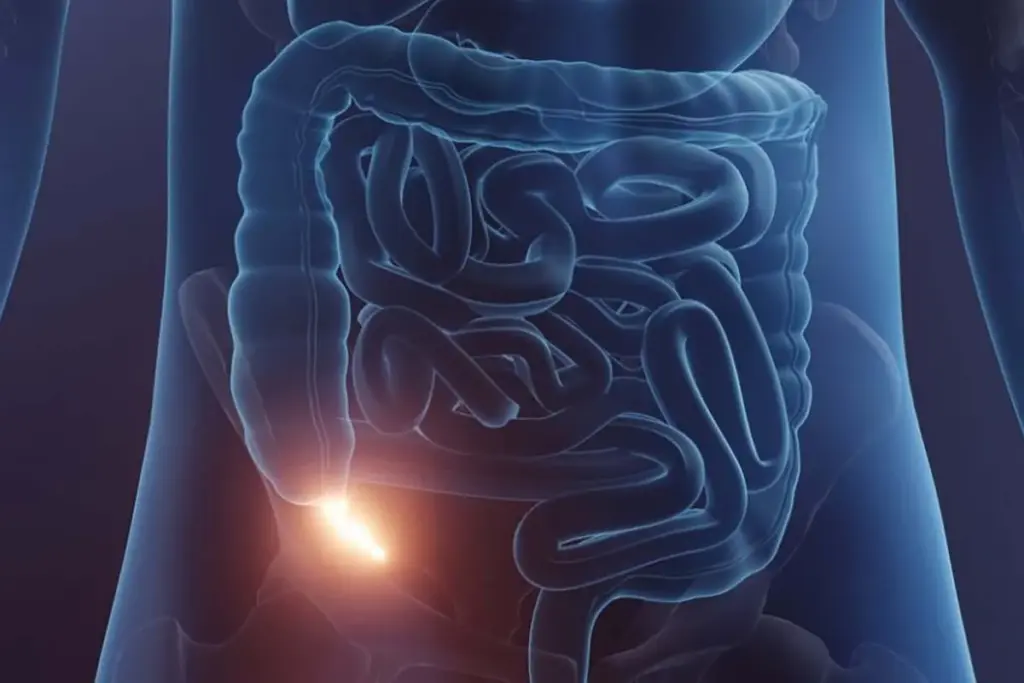
It’s important to know about the appendix and its role in our bodies. This knowledge helps us spot the signs of appendicitis early. The appendix is a small, tube-like part attached to the large intestine.
What Side Is the Appendix On?
The appendix usually sits on the right side of the abdomen. Its exact spot can vary, but it’s mostly found in the lower right area.
The Anatomical Position of the Appendix
The appendix is usually in the lower right abdomen. It’s near where the small and large intestines meet.
The Role of the Appendix in the Body
The appendix’s role in our bodies is not fully known. It’s thought to be a leftover from our ancestors, no longer needed. Yet, some studies hint it might help with our gut’s health.
|
Location |
Typical Position |
Variation |
|---|---|---|
|
Right lower abdomen |
Near the junction of small and large intestines |
Can vary slightly from person to person |
|
The appendix is usually located on the right side, but its exact position can differ. |
In summary, the appendix is on the right side of the abdomen. Knowing where it is helps in diagnosing appendicitis.
Recognizing the Warning Signs of Appendicitis
It’s important to know the signs of appendicitis to get help quickly. This serious condition needs fast treatment. If not treated, it can cause serious problems.
Early Symptoms of Appendicitis
The first signs of appendicitis can vary. They often include stomach pain, fever, nausea, and loss of appetite. The pain usually starts near the belly button and then moves to the lower right side. It’s key to remember that symptoms can differ from person to person.
How Symptoms Progress Over Time
As appendicitis gets worse, symptoms can get more severe. The pain in the lower right side can get stronger. Some people might also vomit, have constipation, or diarrhea. Watching these symptoms closely and getting medical help if they get worse is important.
Differences in Symptoms Between Adults and Children
While symptoms of appendicitis are similar for all ages, there are differences. Kids, and younger ones in particular, might find it hard to describe their pain. This makes diagnosing them more difficult.
Symptoms in Women vs. Men
Men and women can have different symptoms of appendicitis. Women might also feel pelvic pain or discomfort when they pee. It’s important for women to know these differences to get the right medical care.
Knowing these differences helps both people and doctors spot appendicitis sooner and more accurately.
What Side Is Your Appendix On: Understanding Pain Locations

Knowing where your appendix is can help you spot signs of appendicitis. The appendix is usually on the right side of your belly. Knowing this is key to spotting appendicitis symptoms.
McBurney’s Point and Its Significance
McBurney’s point is a key spot for diagnosing appendicitis. It’s in the right lower part of your belly, about one-third of the way from your hip to your belly button. Pain here is a big sign of appendicitis.
Appendix Location in Females vs. Males
The appendix’s spot can differ a bit between men and women because of pelvic shape. But, it’s usually near the small and large intestines junction for both.
How to Identify Right Lower Quadrant Pain
Pain in the right lower quadrant (RLQ) is a common sign of appendicitis. This pain often starts near the navel and moves to the lower right. Watching how severe and what the pain feels like is important.
Referred Pain and Atypical Presentations
Sometimes, appendicitis pain can feel like it’s coming from other places, like the back or pelvis. This is because the appendix’s spot can vary. Atypical symptoms make it harder to diagnose, so seeing a doctor is key.
|
Pain Characteristic |
Typical Appendicitis |
Atypical Appendicitis |
|---|---|---|
|
Pain Location |
Right Lower Quadrant |
Variable (Back, Pelvis, etc.) |
|
Pain Migration |
Often starts near navel, moves to RLQ |
May not follow typical migration pattern |
|
Severity |
Increasing severity |
Variable severity |
The Limitations of Self-Diagnosis for Appendicitis
Testing for appendicitis at home might seem like a good idea. But, it’s important to know the risks and limitations of self-diagnosis. Appendicitis is a serious condition that needs a doctor’s evaluation to be diagnosed correctly.
Why Home Testing Is Not Recommended
Home tests for appendicitis are not reliable. They can’t tell if you have appendicitis or not. Self-diagnosis can cause delays in getting medical help, which can lead to serious problems.
The Dangers of Delayed Medical Care
Waiting too long to get medical help for appendicitis can be dangerous. It can cause the appendix to burst, leading to infections and even death. It’s critical to get medical help right away to avoid these risks.
Conditions That Mimic Appendicitis Symptoms
Many conditions can have symptoms similar to appendicitis. This makes it hard to diagnose yourself. These include stomach problems, urinary infections, and inflammatory bowel disease. A doctor’s evaluation is needed to tell them apart from appendicitis.
|
Condition |
Symptoms |
Differential Diagnosis |
|---|---|---|
|
Gastroenteritis |
Diarrhea, vomiting, abdominal pain |
Appendicitis, inflammatory bowel disease |
|
Urinary Tract Infection |
Dysuria, frequency, abdominal pain |
Appendicitis, kidney stones |
|
Inflammatory Bowel Disease |
Abdominal pain, diarrhea, weight loss |
Appendicitis, irritable bowel syndrome |
In summary, while knowing the signs of appendicitis is good, don’t try to diagnose yourself. Getting medical help quickly is the best thing to do if you think you might have appendicitis.
How Medical Professionals Diagnose Appendicitis
Doctors use many tools and methods to find out if you have appendicitis. This careful approach helps them make sure they get it right and treat you fast.
Physical Examination Techniques
Checking you over is key in finding out if you have appendicitis. Doctors look for pain in the right lower part of your belly. They also check for signs of irritation in your belly lining.
Clinical Scoring Systems: Alvarado and RIPASA Scores
Doctors use scores like Alvarado and RIPASA to help figure out if you have appendicitis. These scores look at your symptoms, like where the pain is and if you’re feeling sick. A study on the National Center for Biotechnology Information website shows these scores help doctors decide what to do next.
Laboratory Tests and Their Significance
Lab tests, like blood counts and CRP levels, are very important. High white blood cell counts and CRP levels mean your body is fighting an infection. This helps doctors confirm if you have appendicitis.
Imaging Studies: Ultrasound, CT Scans, and MRI
Imaging tests help doctors see if you have appendicitis. Ultrasound is often the first choice, because it’s safe and doesn’t use radiation. CT scans give clearer pictures and are better for adults. MRI is used for pregnant women to avoid radiation.
When to Seek Immediate Medical Attention
Knowing when to get medical help is key for managing appendicitis. Appendicitis can quickly turn into a ruptured appendix. This makes treatment and recovery much harder.
Red Flag Symptoms That Require Emergency Care
Some symptoms mean you need to see a doctor right away. These include severe stomach pain, fever, and vomiting. If you have any of these, get medical help fast.
- Severe abdominal pain, mainly in the lower right abdomen
- High fever, usually over 101°F (38.3°C)
- Vomiting, often if it keeps happening or with other symptoms
Signs of a Possible Ruptured Appendix
A ruptured appendix is a serious emergency. Look out for sudden pain change, more stomach tenderness, fever, and feeling very sick.
How to Know if Your Appendix Has Burst
If your appendix has burst, symptoms can change quickly. Pain might first go down, then increase in stomach tenderness. You might also get fever and nausea.
The Golden Window for Treatment
The time from when symptoms start to when the appendix might burst is called the “golden window.” Getting medical help quickly during this time can greatly improve your chances of recovery.
|
Symptom |
Description |
Action Required |
|---|---|---|
|
Severe Abdominal Pain |
Pain in the lower right abdomen |
Seek immediate medical attention |
|
Fever |
Temperature over 101°F (38.3°C) |
Watch it and get medical help if it keeps up |
|
Vomiting |
Especially if it keeps going or with other symptoms |
Get a medical check-up |
Knowing these important signs and symptoms helps you decide when to get medical care. This can prevent serious problems.
Self-Care While Awaiting Medical Evaluation
If you think you might have appendicitis, there are steps you can take before seeing a doctor.
What You Should and Should Not Do
Knowing what to do and what not to do is key. Do not take laxatives or enemas because they can make the appendix burst. Also, don’t use heat on your belly, as it can also increase the risk of rupture.
Instead, keep an eye on your symptoms and be ready to tell your doctor all about them. Write down your temperature, pain levels, and any other symptoms you notice.
Pain Management Guidelines
Managing pain is important while you wait to see a doctor. Over-the-counter pain medications can help, but always follow the dosage instructions and talk to your doctor first.
Don’t take too much pain medication so you can’t feel if your pain gets worse. If your pain gets really bad or you have other worrying symptoms, get medical help right away.
Hydration and Positioning
Drinking plenty of water is key, even more so if you’re vomiting or have a fever. Drink clear fluids like water or electrolyte-rich drinks to keep your body’s fluids balanced.
Resting in a comfy position can also help ease your discomfort. Some people find lying on their side with knees up helps reduce belly strain.
When Self-Care Is Not Enough
Self-care can help with symptoms, but know when it’s not enough. If your pain gets worse, you have a fever, or other symptoms worry you, get medical help.
Treatment Options and Recovery from Appendicitis
The standard treatment for appendicitis is an appendectomy. This can be done in different ways. We will look at the treatment options and what to expect during recovery.
Surgical Approaches: Open vs. Laparoscopic Appendectomy
Surgery is the main treatment for appendicitis. There are two main types: open appendectomy and laparoscopic appendectomy.
Laparoscopic appendectomy is a less invasive method. It involves making small incisions in the abdomen. This method has benefits like less pain, shorter hospital stays, and faster recovery.
Open appendectomy, on the other hand, uses a larger incision. It might be chosen for complex cases or when laparoscopic tools are not available.
Non-Surgical Management in Select Cases
In some cases, antibiotics alone can manage appendicitis, if caught early. But, this isn’t right for everyone. A healthcare professional must decide.
Recovery Timeline and Expectations
Recovery from an appendectomy usually takes a few weeks. Most people can get back to normal in 2-4 weeks.
Post-Surgery Recovery Guidelines
- Follow the surgeon’s instructions for wound care and pain management.
- Gradually increase physical activity as tolerated.
- Attend follow-up appointments to monitor healing.
Potential Complications and Their Management
While safe, appendectomy can have risks like infection, bleeding, and adhesions. Quick medical help is key if symptoms get worse or don’t go away.
|
Complication |
Symptoms |
Management |
|---|---|---|
|
Infection |
Fever, redness, swelling |
Antibiotics, drainage |
|
Bleeding |
Severe pain, dizziness |
Blood transfusion, surgery |
|
Adhesions |
Abdominal pain, bowel obstruction |
Surgery to remove adhesions |
Conclusion: The Importance of Professional Medical Evaluation
Knowing the signs of appendicitis is key, but getting a professional medical check is even more important. It’s the only way to get a correct diagnosis and the right treatment.
Waiting too long can cause serious problems. If symptoms don’t go away or get worse, you need to see a doctor. Remember, you can’t diagnose yourself. Only a doctor can say for sure if you have appendicitis.
Going to the doctor quickly can really help. It can make your recovery better and lower the chance of serious issues. We’ve talked about how doctors play a big part in treating appendicitis. Their skills are what make sure you get the best care.
To wrap it up, knowing about appendicitis symptoms is good, but getting checked by a doctor is even more important. If you’re feeling sick, don’t wait. See a doctor right away. This way, you’ll get the right diagnosis and treatment you need.
FAQ
Where is my appendix located?
Your appendix is usually in the lower right abdomen. But, its exact spot can differ from person to person.
What are the common symptoms of appendicitis?
Signs include stomach pain, nausea, vomiting, loss of appetite, and fever. The pain often starts near the belly button and then moves to the lower right abdomen.
How can I identify right lower quadrant pain?
Right lower quadrant pain is felt in the lower right abdomen. It can be sharp, dull, or cramping. It may also come with nausea or fever.
Can I diagnose appendicitis at home?
No, you shouldn’t try to diagnose appendicitis at home. It needs a doctor’s evaluation to confirm and rule out other conditions.
What are the red flag symptoms that require emergency care?
Red flag symptoms include severe stomach pain, high fever, vomiting, and signs of shock. If you have these, get medical help right away.
How do medical professionals diagnose appendicitis?
Doctors use a physical exam, clinical scores, lab tests, and imaging like ultrasound, CT scans, or MRI to diagnose.
What are the treatment options for appendicitis?
Treatment usually involves removing the appendix (appendectomy). This can be done through open or laparoscopic surgery. Sometimes, non-surgical management is considered.
How can I manage pain while awaiting medical evaluation?
Follow pain management guidelines. Avoid pain meds that hide symptoms. Stay hydrated and get comfortable.
What are the possible complications of appendicitis?
Complications include a ruptured appendix, abscess, and peritonitis. Quick medical care is key to avoid these.
How long does it take to recover from appendicitis?
Recovery time varies. It depends on the treatment and individual factors. Generally, it takes a few weeks after surgery.
Can appendicitis be treated without surgery?
Sometimes, non-surgical treatment is considered if diagnosed early and the appendix hasn’t ruptured. But, surgery is usually the main treatment.
What is the difference between open and laparoscopic appendectomy?
Open appendectomy uses one large incision. Laparoscopic appendectomy uses several small incisions and a camera for guidance.
References
BMJ (British Medical Journal). Evidence-Based Medical Insight. Retrieved from https://www.bmj.com/content/357/bmj.j1703



 Departments
 Related Videos
 Our Doctors
 News
News