

Deciding when to have surgery for an ascending aortic aneurysm is complex. At Liv Hospital, we know how critical timely decisions are. The aneurysm size is key in choosing the right treatment.
Studies show that the size criteria for surgery depend on the patient’s health and other factors. Usually, surgery is needed when the aneurysm is over 5.5 cm. But, this can change based on the patient’s specific needs, like certain genetic conditions or family history of aortic issues.
We help our patients with care and knowledge, making sure they get the best treatment. Our team is committed to top-notch healthcare and support for patients from around the world.
Key Takeaways
- The size of the aneurysm is a critical factor in deciding whether surgery is necessary.
- Current guidelines recommend surgery when the aneurysm exceeds 5.5 cm in diameter.
- Individual patient factors can influence the recommended size threshold for surgery.
- Liv Hospital provides patient-centered care with expertise in aortic aneurysm treatment.
- Timely decisions about surgical intervention can significantly impact patient outcomes.
Understanding Ascending Aortic Aneurysms

It’s important to understand ascending aortic aneurysms to choose the right treatment. These aneurysms occur when the ascending aorta gets too big. If not treated, they can cause serious problems.
Definition and Anatomy
An ascending aortic aneurysm is when the top part of the aorta gets too wide. It’s the part that starts at the left ventricle and goes to the innominate artery. Measuring the aneurysm’s size is key for treatment.
Prevalence and Risk Factors
More people are getting ascending aortic aneurysms, thanks to better tests and older populations. High blood pressure, smoking, and certain genes like Marfan syndrome increase the risk. High blood pressure is a big risk factor because it puts more pressure on the aorta.
| Risk Factor | Description | Impact on Aneurysm Formation |
|---|---|---|
| Hypertension | High blood pressure | Increases pressure on the aortic wall |
| Smoking | Tobacco use | Damages the aortic wall, increasing the risk of aneurysm |
| Genetic Predisposition | Conditions like Marfan syndrome | Weakens the aortic wall, predisposing to aneurysm formation |
Natural History and Progression
The growth of ascending aortic aneurysms depends on their size and cause. Bigger aneurysms are more likely to burst or tear. It’s important to keep track of their size to know when to operate.
Knowing how aneurysms grow helps doctors decide when to operate. They weigh the risks of surgery against the dangers of the aneurysm bursting or tearing.
Diagnosis and Measurement of Ascending Aortic Aneurysm Size
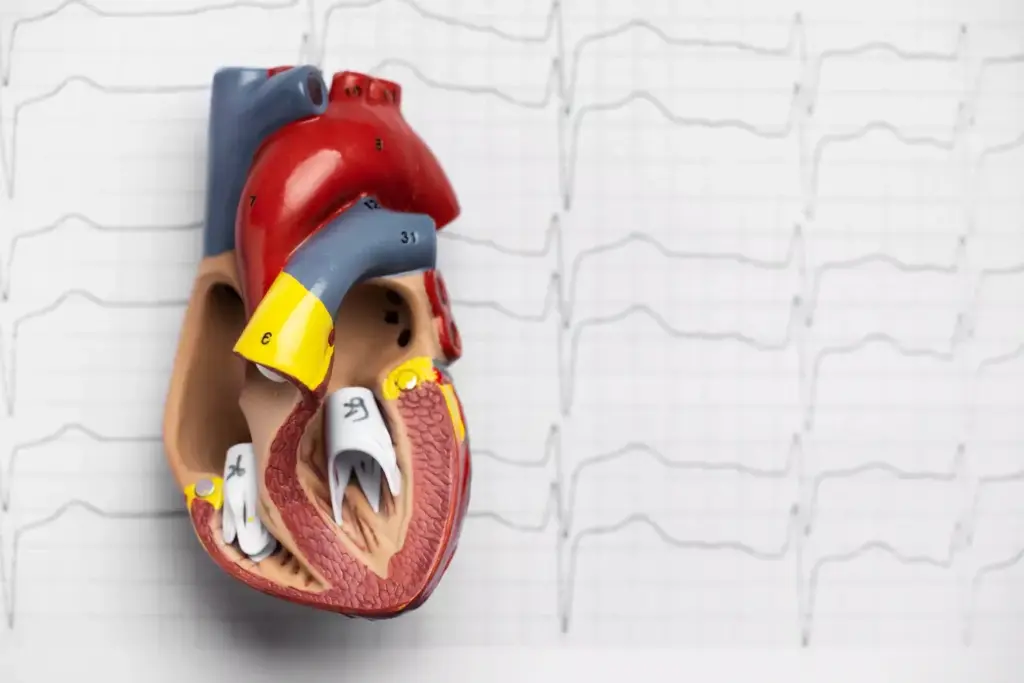
It’s vital for doctors to accurately diagnose and measure ascending aortic aneurysms. The size of the aneurysm helps decide the best treatment. So, getting the measurements right is key.
Imaging Modalities for Accurate Measurement
There are several ways to measure the size of an ascending aortic aneurysm. Each method has its own benefits. We use:
- Computed Tomography (CT) scans: They give detailed images for precise measurements.
- Echocardiography: It’s good for checking the heart and aneurysm size, mainly during follow-ups.
- Magnetic Resonance Imaging (MRI): It provides clear images without radiation, great for long-term checks.
The choice of imaging method depends on the patient’s health, the needed detail, and what’s available.
Proper Measurement Techniques
Getting the size of an ascending aortic aneurysm right needs careful steps. We focus on:
- Measuring perpendicular to the vessel axis to avoid mistakes.
- Using consistent imaging modalities for follow-ups to compare accurately.
- Ensuring proper calibration and standardization of imaging tools.
By sticking to these methods, doctors can make sure measurements are reliable and consistent. This helps in making better decisions.
Importance of Perpendicular Measurements to Vessel Axis
Measuring the aneurysm diameter straight across is key to avoid size overestimation. Oblique measurements can be wrong, affecting treatment choices. We suggest:
- Using multiplanar reconstruction to get accurate straight measurements.
- Training staff in correct measurement techniques to reduce errors.
Getting the diagnosis and measurement right is essential for managing ascending aortic aneurysms well. By using the best imaging methods and techniques, we can make sure patients get the right care based on accurate sizes.
Standard Size Criteria for Ascending Aortic Aneurysm Surgery
Medical guidelines help decide when to operate on an ascending aortic aneurysm. The decision is based on the aneurysm’s size, the patient’s health, and other risk factors.
Definition of Aneurysm
An ascending aortic aneurysm is when the aorta gets bigger than 4.0 cm. This size is important for further checks and treatment.
General Threshold for Surgical Intervention
Doctors usually suggest surgery when the aneurysm is over 5.5 cm. This is because the risk of rupture or dissection goes up a lot after this size.
Research shows big aneurysms, over 5.5 cm, are more likely to cause serious problems. A study in a top cardiovascular journal found a big increase in rupture or dissection risk for sizes over 5.5 cm.
| Aneurysm Size (cm) | Risk of Rupture or Dissection | Recommended Management |
|---|---|---|
| <4.0 | Low | Monitoring |
| 4.0-5.5 | Moderate | Regular Surveillance |
| >5.5 | High | Surgical Intervention |
Evidence Supporting Current Guidelines
The 5.5 cm size for surgery is backed by strong evidence. Studies show that fixing aneurysms at this size can greatly lower death rates.
Key studies have found that surgery for aneurysms over 5.5 cm leads to better survival rates than just watching and waiting.
Knowing the size criteria helps doctors make better choices for patients with ascending aortic aneurysms. It’s about weighing the risks and benefits of surgery.
Special Considerations for Connective Tissue Disorders
Connective tissue disorders make treating ascending aortic aneurysms more complex. They need special guidelines. Patients with these conditions face unique challenges and risks.
Marfan Syndrome Guidelines
Marfan syndrome affects the body’s connective tissue and the heart. It increases the risk of aortic dissection. So, doctors often recommend surgery at a lower aortic size.
Guidelines suggest surgery for Marfan patients when the aortic root is between 4.5-5.0 cm. This size is critical because the risk of dissection or rupture is high.
Loeys-Dietz Syndrome Considerations
Loeys-Dietz syndrome is a genetic disorder that affects connective tissue. It has a more aggressive vascular phenotype than Marfan syndrome. Managing aortic aneurysms in Loeys-Dietz syndrome requires a more aggressive approach.
Doctors often recommend surgery early. The size criteria may not be as important because the disease progresses quickly.
Ehlers-Danlos Syndrome Management
Ehlers-Danlos syndrome is a group of disorders affecting connective tissue. It causes skin hyperextensibility, joint hypermobility, and tissue fragility. Managing aortic aneurysms in these patients is challenging due to tissue fragility.
Deciding on surgery requires careful consideration. A team of specialists often helps make this decision.
| Condition | Surgical Threshold | Considerations |
|---|---|---|
| Marfan Syndrome | 4.5-5.0 cm | Family history, rate of progression |
| Loeys-Dietz Syndrome | Earlier intervention | Aggressive vascular phenotype |
| Ehlers-Danlos Syndrome | Variable | Tissue fragility, multidisciplinary approach |
Family History and Genetic Factors Influencing Surgical Thresholds
Family history and genetic testing are key in deciding when to operate on aortic aneurysms. Knowing a patient’s family history and genetic risks helps doctors make better choices.
Impact of Family History of Aortic Dissection
A family history of aortic dissection raises the risk of needing surgery. Research shows that those with such a history are more likely to have a dissection at a smaller size.
We suggest genetic testing for those with a family history of aortic dissection. This can help find genetic mutations that might be causing their condition.
Genetic Testing Considerations
Genetic testing can reveal a patient’s risk of aortic dissection. For instance, mutations in the FBN1 gene, linked to Marfan syndrome, greatly increase this risk.
The table below lists genetic syndromes that raise the risk of aortic dissection and their impact on surgical decisions:
| Genetic Syndrome | Gene Mutation | Surgical Threshold |
|---|---|---|
| Marfan Syndrome | FBN1 | 4.5-5.0 cm |
| Loeys-Dietz Syndrome | TGFBR1/2, SMAD3 | 4.0-4.5 cm |
| Ehlers-Danlos Syndrome | COL3A1 | Variable |
Lower Thresholds for Positive Family History
For those with a family history of aortic dissection, we consider surgery at a smaller size, usually between 4.5-5.0 cm. This is because their risk is higher, and early surgery can save lives.
By looking at both family history and genetics, we tailor care to each patient. This approach balances the risks and benefits of surgery.
Growth Rate as a Determinant for Ascending Aortic Aneurysm Size Intervention
The rate at which an ascending aortic aneurysm grows is key in deciding when to operate. This growth rate often decides the timing of surgery, even if the size is not yet critical.
Significance of Rapid Expansion
Studies show that fast growth, more than 0.5 cm per year, raises the risk of rupture. Rapidly expanding aneurysms need closer watch and might need surgery sooner. We see a growth rate over 0.5 cm/year as a red flag for careful review.
Monitoring Protocols
It’s vital to track the growth of ascending aortic aneurysms closely. We suggest regular scans, every 6 to 12 months, based on the aneurysm’s size and growth. Consistent measurement techniques are key for accurate tracking.
When Growth Rate Supersedes Absolute Size
In some cases, how fast an aneurysm grows is more important than its size. We consider surgery for aneurysms growing quickly, even if they’re not yet big enough. This tailored approach helps manage the aneurysm’s changing size.
By watching the growth rate and following guidelines, we can time surgeries better. This helps improve outcomes for patients with ascending aortic aneurysms.
Patient-Specific Factors Affecting Surgical Decisions
When deciding on surgery for ascending aortic aneurysms, we look at several key factors. These include the patient’s body size, age, and overall health. We tailor our care to meet each patient’s unique needs.
Body Surface Area Adjustments
We adjust surgical plans based on a patient’s body surface area (BSA). This approach helps us make decisions that fit each patient better. It’s very important for those who are much smaller or larger than average.
Research shows that using BSA can help find the right time for surgery. For example, someone with a smaller BSA might need surgery sooner because their aneurysm is bigger compared to their body size.
Age Considerations
Age also plays a big role in deciding when to operate. Younger patients might get surgery sooner because they have more years of life ahead. Older patients, on the other hand, face higher risks during surgery.
- Younger patients: Earlier intervention may be considered due to longer life expectancy.
- Older patients: Higher risk of surgical complications; careful risk-benefit analysis is necessary.
We carefully consider these factors to find the best time for surgery.
Comorbidities and Surgical Risk Assessment
Comorbidities like hypertension, diabetes, and heart disease can make surgery riskier. These conditions can also affect how well a patient recovers after surgery.
“The presence of comorbidities can significantly affect the outcome of surgical interventions. A thorough assessment is critical.”
We thoroughly check each patient’s health conditions. This helps us understand their surgical risk. Then, we create a care plan that’s just right for them.
By looking at body size, age, and health conditions, we make better choices about surgery for ascending aortic aneurysms.
Surgical and Non-Surgical Management Options
Ascending aortic aneurysms are a big challenge. They need both surgical and non-surgical treatments. The right choice depends on the aneurysm size, the patient’s health, and other risk factors.
Surgical Approaches for Ascending Aortic Aneurysms
Surgery is key for managing ascending aortic aneurysms. Open repair and endovascular techniques are the main surgical methods.
- Open repair means replacing the bad part with a graft through open-heart surgery.
- Endovascular techniques, like EVAR, are less invasive but might not work for all cases due to anatomy.
Perioperative Considerations
The time before and after surgery is very important for patients with ascending aortic aneurysms. Good planning and watching the patient closely are key to reduce risks.
“The perioperative management of patients with ascending aortic aneurysms requires a multidisciplinary approach to optimize outcomes.”
Important things to consider include:
- Checking the heart and other health issues before surgery.
- Watching and managing blood flow during surgery.
- Keeping a close eye on the patient in the ICU after surgery.
Medical Management for Sub-threshold Aneurysms
For small aneurysms, doctors focus on watching them and helping patients manage risks.
| Strategy | Description |
|---|---|
| Surveillance | Regular imaging to check the aneurysm size and growth. |
| Risk Factor Modification | Controlling blood pressure, quitting smoking, and making lifestyle changes. |
In conclusion, managing ascending aortic aneurysms needs a careful plan. It’s about weighing the pros and cons of surgery and other treatments. Knowing the options and the patient’s situation helps doctors give the best care.
Conclusion: Balancing Risks and Benefits in Aortic Aneurysm Management
Managing aortic aneurysms well means understanding the risks and benefits of surgery. We talked about when surgery is needed, special care for those with certain genetic disorders, and how each patient’s situation is unique. This helps decide the best treatment for them.
Studies show that making decisions based on each patient’s needs is key. We weigh the chance of the aneurysm bursting against the risks of surgery. This includes looking at the patient’s health, family history, and how fast the aneurysm is growing.
By tailoring care to each patient, we can improve outcomes and reduce problems. Our aim is to give each patient the care they need most. This way, we can get the best results in treating ascending aortic aneurysms.
FAQ
What is considered a large ascending aortic aneurysm?
A large ascending aortic aneurysm is usually over 5.5 cm in diameter. But, this size can change based on the patient’s health.
How is the size of an ascending aortic aneurysm measured?
Doctors use CT scans or echocardiography to measure the size. They take measurements straight across the vessel to get accurate readings.
What is the recommended size threshold for surgical intervention in patients with Marfan syndrome?
For those with Marfan syndrome, surgery is often suggested when the aneurysm is between 4.5-5.0 cm. But, this can vary based on the patient’s health and guidelines.
How does a family history of aortic dissection influence the decision for surgical intervention?
If there’s a family history of aortic dissection, surgery might be considered at a smaller size. Some guidelines suggest this at 4.5-5.0 cm.
What is considered a rapid growth rate for an ascending aortic aneurysm?
Rapid growth is when the aneurysm grows more than 0.5 cm per year. This is a big factor in deciding if surgery is needed.
How do patient-specific factors such as body surface area and age influence surgical decisions?
Doctors consider factors like body size, age, and health conditions. These help adjust the decision to operate and assess the risk.
What are the available surgical management options for ascending aortic aneurysms?
There are open repair and endovascular techniques for surgery. The choice depends on the patient’s health and the aneurysm’s characteristics.
What is the role of surveillance in managing sub-threshold ascending aortic aneurysms?
Regular imaging and monitoring are key for managing small aneurysms. This allows for quick action if the aneurysm grows or changes.
How do comorbidities impact the surgical risk assessment for ascending aortic aneurysm repair?
Comorbidities are very important in assessing surgical risk. They can greatly affect the risks and benefits of surgery.
What is the significance of genetic testing in managing ascending aortic aneurysms?
Genetic testing can reveal the cause of the aneurysm. It helps guide treatment and identify those who might need earlier intervention.
FAQ
What is considered a large ascending aortic aneurysm?
A large ascending aortic aneurysm is usually over 5.5 cm in diameter. But, this size can change based on the patient’s health.
How is the size of an ascending aortic aneurysm measured?
Doctors use CT scans or echocardiography to measure the size. They take measurements straight across the vessel to get accurate readings.
What is the recommended size threshold for surgical intervention in patients with Marfan syndrome?
For those with Marfan syndrome, surgery is often suggested when the aneurysm is between 4.5-5.0 cm. But, this can vary based on the patient’s health and guidelines.
How does a family history of aortic dissection influence the decision for surgical intervention?
If there’s a family history of aortic dissection, surgery might be considered at a smaller size. Some guidelines suggest this at 4.5-5.0 cm.
What is considered a rapid growth rate for an ascending aortic aneurysm?
Rapid growth is when the aneurysm grows more than 0.5 cm per year. This is a big factor in deciding if surgery is needed.
How do patient-specific factors such as body surface area and age influence surgical decisions?
Doctors consider factors like body size, age, and health conditions. These help adjust the decision to operate and assess the risk.
What are the available surgical management options for ascending aortic aneurysms?
There are open repair and endovascular techniques for surgery. The choice depends on the patient’s health and the aneurysm’s characteristics.
What is the role of surveillance in managing sub-threshold ascending aortic aneurysms?
Regular imaging and monitoring are key for managing small aneurysms. This allows for quick action if the aneurysm grows or changes.
How do comorbidities impact the surgical risk assessment for ascending aortic aneurysm repair?
Comorbidities are very important in assessing surgical risk. They can greatly affect the risks and benefits of surgery.
What is the significance of genetic testing in managing ascending aortic aneurysms?
Genetic testing can reveal the cause of the aneurysm. It helps guide treatment and identify those who might need earlier intervention.
References
- Circulation. 2022 ACC/AHA Guideline for the Diagnosis and Management of Aortic Disease. doi:10.1161/CIR.0000000000001106. Retrieved from https://www.ahajournals.org/doi/pdf/10.1161/CIR.0000000000001106 (AHJournals)
- JAMA Cardiology. Full article. Retrieved from https://jamanetwork.com/journals/jamacardiology/fullarticle/2796795
- European Society of Thoracic and Cardiovascular Surgeons / European Society of Cardiology. Thoracic Aortic Aneurysms: At What Size Should We Intervene? Retrieved from https://www.evtoday.com/articles/2017-nov/thoracic-aortic-aneurysms-at-what-size-should-we-intervene
- NCBI Bookshelf. NBK606128. Retrieved from https://www.ncbi.nlm.nih.gov/books/NBK606128
- UC Davis Health. Cardio‑Aortic Surgery. Retrieved from https://health.ucdavis.edu/surgery/specialties/cardiaortic_surgery.html
- European Society of Cardiology. Mechanical properties of human ascending aorta : >6 cm is the limit. (Via Eurovalve17 MONIN pdf) Retrieved from https://www.escardio.org/static-file/Escardio/Medias/working‑groups/valvular/Eurovalve17_MONIN.pdf (escardio.org)