
Gynecologists and OBGYNs are medical experts trained for surgeries of the female reproductive system. We provide advanced surgical care, focusing on the patient's needs. This approach helps us tackle many gynecological and obstetric issues.
Our surgical services cover both diagnostic and treatment procedures. We use the latest methods to ensure our patients get the best care. This includes everything from simple surgeries to more complex ones.
At places like Liv Hospital, we offer a wide range of gynecological and obstetric surgeries. Each patient’s needs are unique, and we tailor our care to fit. Our aim is to deliver top-notch healthcare, supporting patients from around the world.
Key Takeaways
- Gynecologists and OBGYNs perform a variety of surgeries related to the female reproductive system.
- Our surgical services include both diagnostic and therapeutic procedures.
- We utilize the latest techniques and protocols to ensure the best possible outcomes.
- Our care is tailored to meet the unique needs of each patient.
- We provide complete support for international patients.
The Surgical Role of Gynecologists and OBGYNs

Gynecologists and OBGYNs have the skills to handle many women’s health problems. They are trained to do surgeries, which is a big part of their job. This lets them give full care to their patients.
Training and Qualifications for Surgical Procedures
Gynecologists and OBGYNs get a lot of education and training for surgery. They learn both the theory and how to do surgeries. This training lets them do many kinds of surgeries, from small ones to big ones.
Our surgeons know the newest surgery methods, like laparoscopic and robotic-assisted surgeries. They also keep learning to stay up-to-date with the latest in gynecological surgery.
Difference Between Gynecologists and OBGYNs in Surgical Practice
Both gynecologists and OBGYNs can do surgeries for women’s health. But, they focus on different things. Gynecologists mainly do surgeries on the female reproductive system, like removing the uterus or treating fibroids. OBGYNs can do both gynecological and obstetric surgeries, like cesarean sections.
The main difference is in their training and what their patients need. Knowing this helps patients make better choices for their health.
Does a Gynecologist Perform Surgery? Understanding Their Surgical Scope
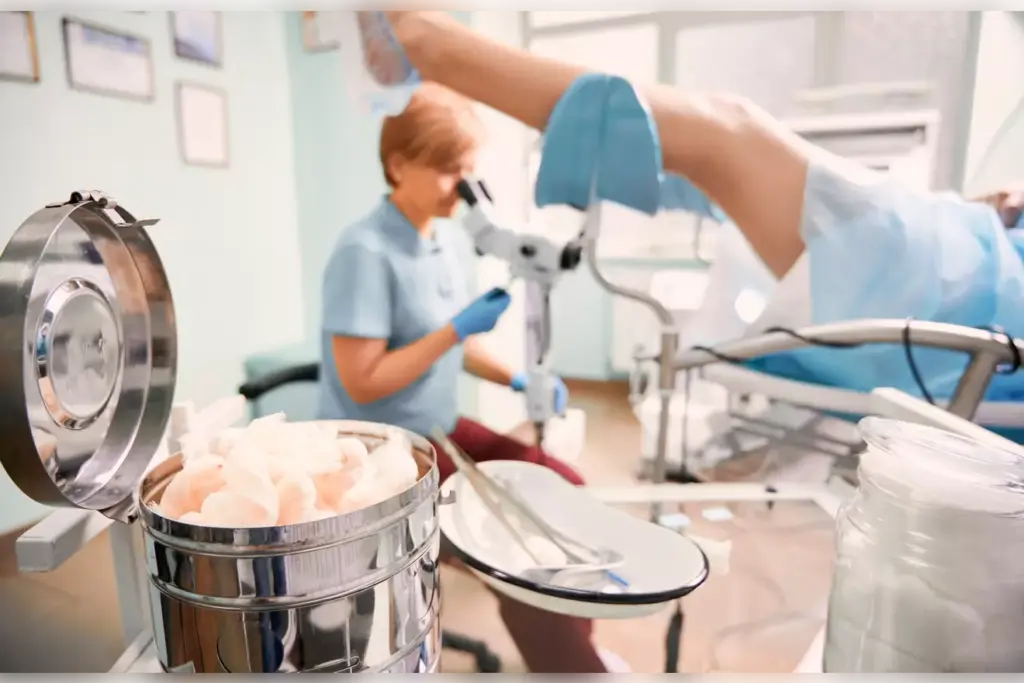
Gynecologists do a lot of surgeries to help women. They are doctors who focus on women’s health. They deal with problems in the female reproductive system.
We will look at the surgeries gynecologists can do. We will also see when they send patients to other doctors. Knowing this helps patients understand the care they get.
Types of Surgeries Within a Gynecologist’s Expertise
Gynecologists can do many surgeries. They range from simple to complex ones. Some common surgeries include:
- Diagnostic procedures like laparoscopy and hysteroscopy
- Therapeutic surgeries like hysterectomy and myomectomy
- Procedures for endometriosis and uterine fibroids
These surgeries help women with many health issues. The type of surgery depends on the patient’s health and the doctor’s choice.
When Gynecologists Refer to Other Specialists
Even though gynecologists can do many surgeries, they sometimes send patients to others. This happens when the case is too complex or needs special care.
| Condition | Specialist | Reason for Referral |
|---|---|---|
| Cancer requiring complex oncology surgery | Gynecologic Oncologist | Specialized training in oncological surgery |
| Complex urogynecological conditions | Urogynecologist | Expertise in urological aspects of female health |
| Severe pelvic floor disorders | Pelvic Floor Surgeon | Specialized knowledge in pelvic floor reconstruction |
Knowing when gynecologists do surgery and when they refer patients helps. It shows how medical care works together. It’s important to find the right specialist for your needs.
Diagnostic Surgical Procedures in Gynecology
Diagnostic surgical procedures are key in gynecology. They help doctors find and treat health issues in women’s reproductive systems. These steps are vital for checking symptoms, making sure of diagnoses, and planning treatments.
Laparoscopy for Diagnosis
Laparoscopy is a small surgery that lets doctors see inside the female reproductive system. A laparoscope is put through a small cut in the belly. This way, doctors can see the ovaries, tubes, and uterus. They can spot problems like endometriosis, adhesions, or ectopic pregnancies.
This method has made diagnosing better in gynecology. It means fewer big surgeries are needed. It also lets doctors fix some problems right then and there, making care better and outcomes better too.
Hysteroscopy as a Diagnostic Tool
Hysteroscopy looks inside the uterus. A hysteroscope goes through the cervix. Doctors can see the inside of the uterus, find problems like polyps or fibroids, and take tissue samples.
Hysteroscopy is great for checking on bleeding issues, infertility, and miscarriages. It gives a close look at the uterus. This helps doctors diagnose and treat many gynecological problems.
Colposcopy and Cervical Biopsies
Colposcopy checks the cervix, vagina, and vulva for disease signs. A colposcope, a special microscope, is used to look closely at the cervix. It helps find abnormal areas that might need a biopsy.
Cervical biopsies take a small tissue sample from the cervix. This is key for finding cervical cancer and other problems. It helps doctors start treatment early.
These procedures are vital in today’s gynecology. They give doctors the info they need to give top-notch care to their patients.
Common Therapeutic Gynecological Surgeries
Gynecological surgeries are key in treating women’s health issues. We’ll look at some common procedures. These surgeries aim to improve women’s lives by addressing health problems.
Hysterectomy: Types and Approaches
A hysterectomy removes the uterus. It’s a common surgery, with nearly 600,000 done in the U.S. each year. There are different types, like total and subtotal, and various ways to do them, like abdominal or laparoscopic.
The choice of method depends on the patient’s health and the surgeon’s skill. For example, laparoscopic hysterectomies are often chosen for their less invasive nature. This leads to quicker healing times.
Myomectomy for Fibroid Removal
Myomectomy removes fibroids without taking out the uterus. It’s key for women wanting to keep their fertility. The surgery can be done in several ways, like abdominal or laparoscopic, based on the fibroids’ size and location.
“Myomectomy is a highly effective treatment for symptomatic fibroids, providing relief from heavy bleeding and pelvic pain.” Choosing the right approach is important for a smooth recovery and fewer complications.
Endometrial Ablation Procedures
Endometrial ablation treats abnormal bleeding by removing the uterine lining. It’s less invasive than a hysterectomy. Techniques include thermal balloon and radiofrequency ablation.
This method is for women who’ve stopped having children and have heavy bleeding. It’s a good option when other treatments fail. But, it’s important to choose the right candidates for the best results.
Ovarian Cyst Removal
Ovarian cyst removal, or cystectomy, removes cysts from the ovaries. It’s often done laparoscopically for benign cysts. The goal is to remove the cyst while keeping as much ovarian tissue as possible.
“The laparoscopic approach for ovarian cyst removal has revolutionized the treatment of ovarian cysts, providing less postoperative pain and faster recovery.”
In conclusion, these surgeries are essential for treating many women’s health issues. Each procedure has its own benefits and risks. Personalized care is key in gynecological surgery.
Conditions Treated Through Gynecological Surgery
Gynecological surgery treats many conditions that affect women’s reproductive systems. Surgeons play a key role in managing these health issues. This improves women’s quality of life.
Surgical Management of Endometriosis
Endometriosis causes pain and discomfort when tissue grows outside the uterus. Surgery is needed when other treatments don’t work. We use laparoscopic surgery to remove these lesions.
This surgery reduces pain and improves life quality for many women. It involves removing affected tissue while keeping healthy tissue safe. This method also helps diagnose the condition’s extent.
Procedures for Uterine Fibroids
Uterine fibroids are non-cancerous growths that cause heavy bleeding and pain. Treatments include myomectomy and hysterectomy. Myomectomy removes fibroids without removing the uterus. Hysterectomy removes the uterus.
The choice of surgery depends on fibroid size, number, and location. It also considers the patient’s health and reproductive plans. We use minimally invasive techniques to reduce recovery time and scarring.
Addressing Abnormal Uterine Bleeding
Abnormal uterine bleeding (AUB) includes irregular or excessive bleeding. Treatments include endometrial ablation and hysterectomy. Endometrial ablation reduces or stops bleeding. Hysterectomy is for severe cases.
We choose the best surgery based on the cause of AUB, medical history, and fertility plans. This ensures the right treatment for each patient.
Treating Polycystic Ovary Syndrome (PCOS)
PCOS affects ovulation, causing irregular cycles and metabolic issues. Surgery is not the main treatment but laparoscopic ovarian drilling is an option. It makes small holes in the ovaries to stimulate ovulation.
This procedure is for women with PCOS who haven’t responded to other treatments. It offers a chance to improve fertility chances.
Minimally Invasive Gynecological Procedures
Minimally invasive gynecological procedures have changed women’s health for the better. They offer safer options than traditional surgery. These new techniques help patients heal faster and face fewer complications after surgery.
Laparoscopic Techniques in Gynecology
Laparoscopic surgery, or keyhole surgery, uses small cuts for a camera and tools. It helps treat many gynecological issues like endometriosis and fibroids. We use it for surgeries like hysterectomies and myomectomies, making them more precise and less painful for patients.
This surgery reduces pain, shortens hospital stays, and leaves less scarring. But, it needs special training and tools. Not all conditions can be treated this way.
Robotic-Assisted Gynecological Surgery
Robotic-assisted surgery is a big step forward in gynecology. It gives surgeons better views, control, and dexterity. This technology lets us do more complex surgeries with less invasion, improving results for tough cases.
Robotic surgery can mean less blood loss and quicker recovery for some patients. But, it’s important to choose the right patients for this technology. We consider the surgery’s complexity and the patient’s health.
Benefits and Limitations of Minimally Invasive Approaches
These new surgeries have many benefits. They reduce pain, blood loss, and recovery time. This leads to happier patients and better results. But, there are downsides too.
These include the need for special training and tools. They also might take longer to do. It’s important to know these things when deciding on surgery.
| Procedure | Benefits | Limitations |
|---|---|---|
| Laparoscopic Surgery | Less postoperative pain, shorter hospital stays, less visible scarring | Requires specialized training and equipment, limited applicability for complex cases |
| Robotic-Assisted Surgery | Improved precision, enhanced visualization, potentially for complex procedures | High initial cost, longer operating times, need for advanced training |
We keep improving in minimally invasive gynecology. Our goal is to give patients the safest and most effective treatments. By understanding the pros and cons, we can choose the best surgery for each patient.
Obstetric Surgical Procedures Performed by OBGYNs
OBGYNs handle many surgical procedures during pregnancy and childbirth. These include cesarean deliveries, cerclage procedures, and treatments for ectopic pregnancies. These steps are vital for the health of both the mother and the baby.
Cesarean Sections: Indications and Techniques
Cesarean sections, or C-sections, are common. They involve delivering a baby through incisions in the abdomen and uterus. A C-section is chosen when a vaginal delivery is not safe due to issues like fetal distress or previous uterine surgery.
To perform a C-section, a doctor makes an incision in the abdomen, usually horizontally. Then, they make another incision in the uterus to deliver the baby. The type of uterine incision depends on the placenta’s location and past surgeries.
Cerclage for Cervical Insufficiency
Cerclage, or cervical cerclage, is a surgery to close the cervix during pregnancy. It’s for women with a weak or insufficient cervix. It’s recommended for those with a history of cervical insufficiency or a short cervix.
The procedure involves stitching the cervix to keep it closed. It’s usually done between 12 and 14 weeks of pregnancy. The stitch is removed around 37 weeks to allow for a vaginal delivery.
Surgical Management of Ectopic Pregnancies
Ectopic pregnancy happens when a fertilized egg implants outside the uterus, often in a fallopian tube. Surgery is needed for ectopic pregnancies, mainly for bleeding or a large ectopic pregnancy.
The surgery is usually done laparoscopically to remove the ectopic pregnancy. Sometimes, the damaged fallopian tube is removed. The aim is to remove the ectopic pregnancy safely while keeping as much tissue as possible.
Choosing a Gynecological Surgeon: Important Considerations
Finding the right gynecological surgeon can seem hard. But knowing what to look for makes it easier. Your reproductive health depends on the surgeon you choose.
Evaluating Experience and Specialization
Experience and specialization are key when picking a surgeon. A surgeon with lots of experience in gynecological surgeries can handle problems better and get better results.
Ask about the surgeon’s qualifications and how many surgeries they’ve done. A specialist who does your surgery often will have a better technique. This can lead to a better outcome for you.
“The skill of the surgeon is one of the most significant factors in determining the success of a surgical procedure.” – Expert in Gynecological Surgery
Understanding Surgical Approach Options
There are different ways to do surgery, like open surgery, laparoscopic surgery, and robotic-assisted surgery. Knowing these options and talking to your surgeon can help you choose the best one for you.
- Laparoscopic surgery is less invasive and might mean a quicker recovery.
- Robotic-assisted surgery is precise and flexible, good for complex cases.
- Open surgery is sometimes needed for certain conditions, giving a direct approach.
Questions to Ask During Consultation
At your first meeting, ask important questions to see if the surgeon is right for you. Ask about their experience with your condition, the risks, and what to expect after surgery.
Key questions to ask include:
- What is your experience with this surgery?
- What are the possible risks and complications?
- How will pain be managed during and after surgery?
- What’s the expected recovery time, and what follow-up care will I get?
By looking at a surgeon’s experience, understanding your options, and asking the right questions, you can choose wisely. This ensures you get the best care for your needs.
Preparing for Gynecological Surgery: What Patients Should Know
Getting ready for gynecological surgery can feel overwhelming. But, knowing what to expect can make you feel more ready. We’ll walk you through the steps to prepare for surgery.
Pre-operative Consultations and Testing
Before surgery, you’ll have a pre-operative consultation with your doctor. You’ll talk about your health history, the surgery, and what you need to do. Pre-operative testing might include blood tests or imaging to check if you’re healthy enough.
“A successful surgery starts with good preparation,” says a top gynecological surgeon. “We look at each patient’s needs to reduce risks and improve results.”
Recovery Expectations for Different Procedures
Recovery times differ based on the surgery type. For instance, minimally invasive procedures like laparoscopy might have shorter recovery times than bigger surgeries like hysterectomy. We tell patients to rest well and have support during the first few days.
Knowing what to expect in recovery helps patients prepare. We give personalized advice to help you get back to normal life smoothly.
Potential Risks and Complications
While surgery is usually safe, there are risks and complications to watch out for. These could be infections, bleeding, or reactions to anesthesia. We do everything we can to avoid these and talk about them before surgery.
- Infection: We watch for signs and give antibiotics if needed.
- Bleeding: We teach patients how to manage it and when to get help.
- Adverse reactions: We discuss the risks of anesthesia and other medicines.
Knowing about these risks helps patients make better choices. Our team is here to support you every step of the way.
Conclusion: The Vital Surgical Role of Gynecologists and OBGYNs in Women’s Health
Gynecologists and OBGYNs play a key role in women’s health. They are experts in many surgical procedures. This is important for diagnosing and treating conditions in the female reproductive system.
These doctors offer complete care, from routine check-ups to complex surgeries. They are essential for treating problems like endometriosis, uterine fibroids, and abnormal bleeding. Their skills are vital.
Knowing what gynecologists and OBGYNs can do helps women make better health choices. Their work is critical for improving women’s health and quality of life.
Do gynecologists perform surgery?
Yes, gynecologists do perform surgery. They handle both diagnostic and therapeutic procedures. These help treat issues with the female reproductive system.
What is gynecological surgery?
Gynecological surgery is about treating conditions in the female reproductive system. This includes the uterus, ovaries, and cervix.
Can OBGYNs perform surgery?
Yes, OBGYNs can do many surgeries. This includes cesarean sections and hysterectomies, among others.
What is the difference between a gynecologist and an OBGYN in terms of surgical practice?
Both gynecologists and OBGYNs do surgeries. But, OBGYNs also handle obstetric surgeries. This means they can do cesarean sections, in addition to gynecological surgeries.
What are some common therapeutic gynecological surgeries?
Some common surgeries include hysterectomy and myomectomy. They also do endometrial ablation and ovarian cyst removal. These are for issues like uterine fibroids and abnormal bleeding.
What are minimally invasive gynecological procedures?
These procedures use smaller incisions. They include laparoscopic and robotic-assisted surgeries. They help diagnose and treat conditions with less recovery time.
How do I choose a gynecological surgeon?
Look at their experience and specialization. Also, consider their surgical approach. Ask questions during your consultation to find the best care.
What should I know when preparing for gynecological surgery?
Understand the pre-operative process. This includes consultations and testing. Also, know what to expect during recovery and the possible risks.
Are OBGYNs surgeons?
Yes, OBGYNs are surgeons. They are qualified to perform various surgeries, including obstetric and gynecological ones.
What is gynae surgery?
Gynae surgery is about treating conditions in the female reproductive system. It includes surgeries for the uterus, ovaries, and cervix.
Can a gynecologist perform laparoscopic surgery?
Yes, many gynecologists are trained in laparoscopic surgery. It’s a minimally invasive method for diagnosing and treating gynecological conditions.