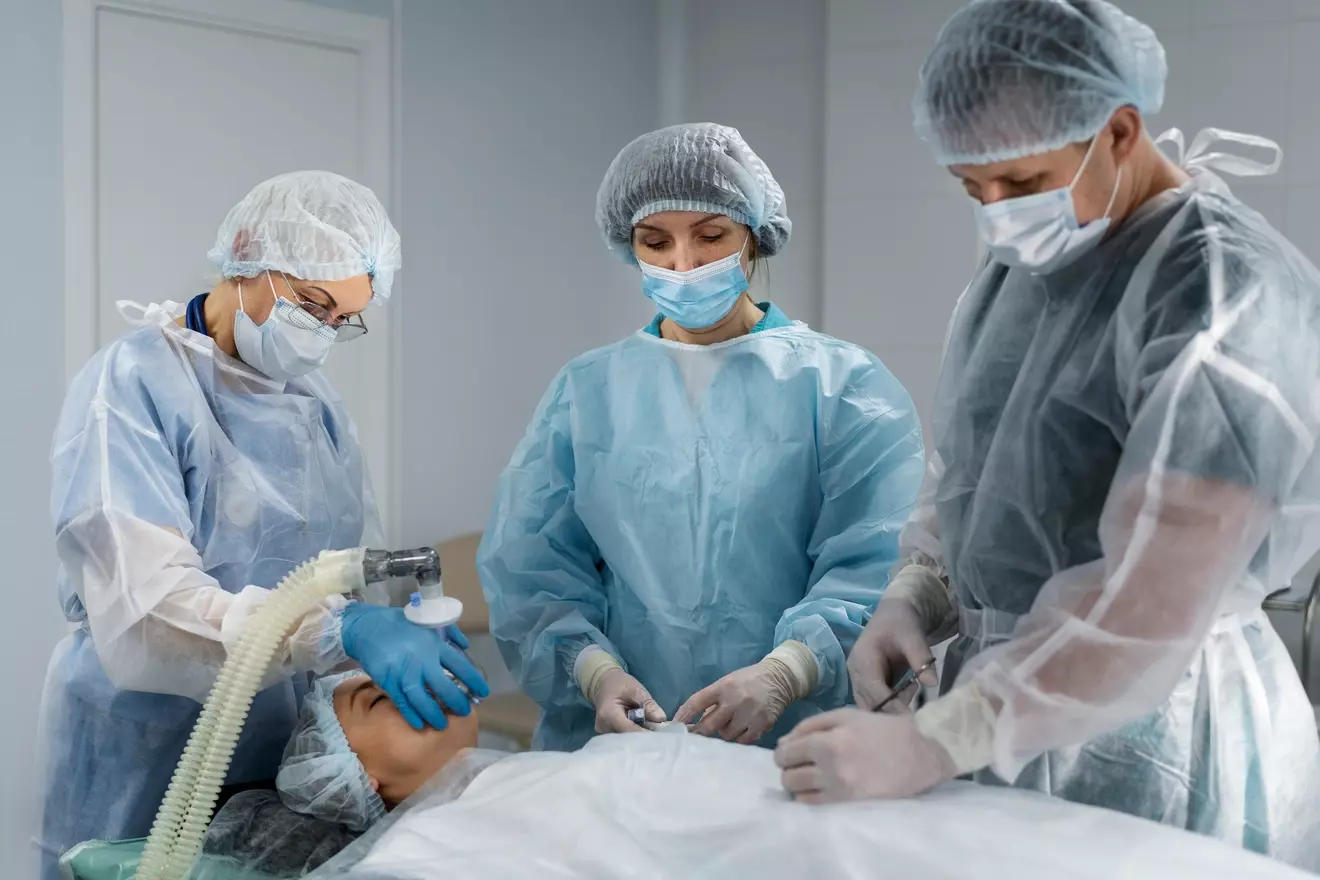
An obstetrician-gynecologist (OB-GYN) is a doctor who focuses on women’s health. They deal with the female reproductive system. Women’s health needs range from routine check-ups to surgeries.
A gynecologist, also known as an obstetrician-gynecologist, does surgeries for women’s health issues. At Liv Hospital, we care for our patients with compassion and confidence. We offer advanced treatments for women’s health.
Key Takeaways
- An obstetrician-gynecologist specializes in women’s reproductive health.
- Gynecologists perform surgeries related to women’s health conditions.
- Liv Hospital offers advanced treatments with a patient-centered approach.
- Understanding the role of a gynecologist is essential for women’s health.
- OB-GYN care includes both medical and surgical interventions.
The Role and Expertise of a Gynecologist

Gynecologists are doctors with specialized training in women’s health. They deal with the female reproductive system’s disorders and diseases. Their job includes surgery, preventive care, and health education for women.
To become a gynecologist, one needs a lot of education and training. This includes medical school and a residency in obstetrics and gynecology (OB-GYN). Board certification shows a gynecologist’s skill and dedication to quality care.
Specialized Training and Certification
Gynecologists get a lot of training to handle women’s health issues. They learn both theory and practical skills in surgery and non-surgery. To work as a gynecologist, getting board certification from a medical board is key. It proves their ability in the field.
Areas of Medical Focus
Gynecologists handle a wide range of women’s health needs. They manage menstrual problems, give preconception advice, and treat endometriosis and uterine fibroids. They also teach patients about healthy habits and prevention.
Knowing what a gynecologist does is important for women’s health. It helps women understand the importance of regular check-ups and seeking medical help when needed.
Does a Gynecologist Do Surgery? Understanding Their Surgical Capabilities
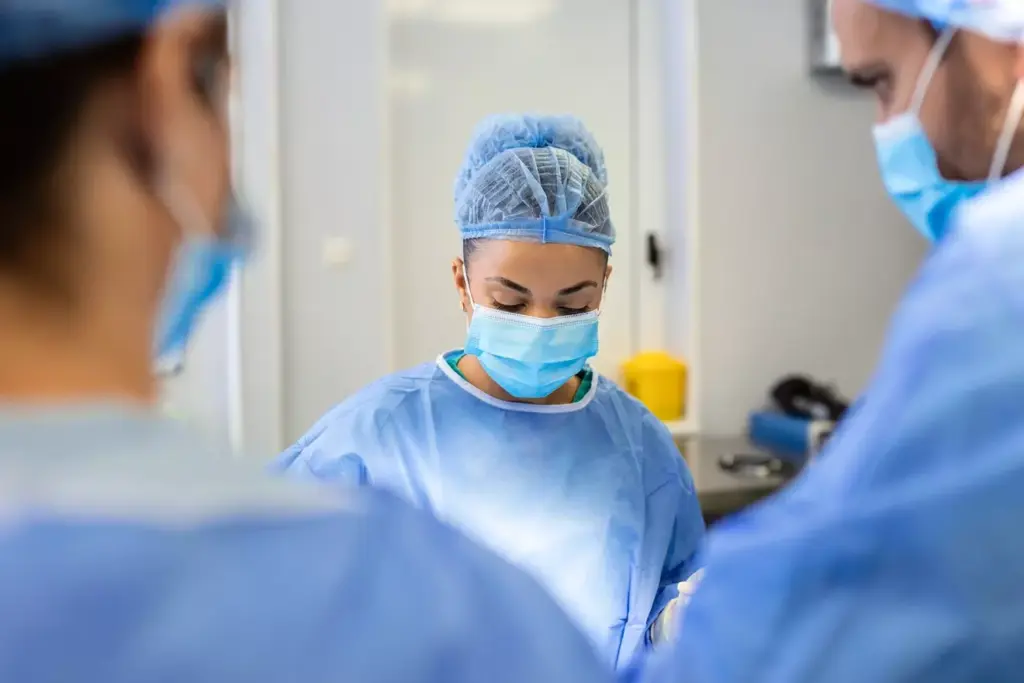
Gynecologists do more than just check-ups. They also perform surgeries to treat various health issues. They are trained to handle different surgeries for women’s health.
Range of Surgical Interventions
Gynecologists can do many surgeries. Here are a few examples:
- Hysterectomy: This is when they remove the uterus. It’s often done for uterine fibroids or cancer.
- Laparoscopy: It’s a small surgery to look inside the body. They use it to remove cysts or treat endometriosis.
- Myomectomy: This surgery removes fibroids but keeps the uterus. It’s for women who want to keep their fertility.
These surgeries help diagnose and treat women’s health issues. We pick the best surgery for each patient based on their health and needs.
Surgical Settings and Facilities
Surgeries can happen in hospitals or outpatient centers. The choice depends on the surgery’s complexity and the patient’s health.
We make sure patients get care in top-notch facilities. These places have the latest tech and skilled staff. This makes surgeries safer and recovery faster.
Key considerations for surgical settings include:
- The availability of advanced surgical equipment.
- Adequate staffing with trained surgical nurses and anesthesiologists.
- Appropriate post-operative care facilities.
We aim to give our patients the best care before, during, and after surgery. This includes choosing the right facilities and equipment.
Hysterectomy: The Most Common Gynecological Surgery
Hysterectomy is a surgery to remove the uterus. It’s a key option for treating many gynecological conditions. Obstetricians and gynecologists (ob/gyn dr) see its importance in improving women’s health.
Types of Hysterectomy Procedures
There are several types of hysterectomy procedures. Each has its own reasons and benefits. These include:
- Total Hysterectomy: Removal of the uterus and cervix.
- Partial Hysterectomy: Removal of the uterus, leaving the cervix intact.
- Radical Hysterectomy: Removal of the uterus, cervix, part of the vagina, and surrounding tissues, often performed in cases of cancer.
- Laparoscopic Hysterectomy: A minimally invasive procedure using small incisions and a camera.
Medical Indications for Hysterectomy
Hysterectomy is done for many medical reasons, including:
- Uterine Fibroids: Non-cancerous growths that can cause pain and heavy bleeding.
- Endometriosis: A condition where tissue similar to the lining inside the uterus grows outside, leading to pain and discomfort.
- Uterine Prolapse: When the uterus slips out of its normal position.
- Cancer: Hysterectomy is sometimes necessary in the treatment of cervical, uterine, or ovarian cancer.
Statistics and Prevalence in the United States
In the United States, hysterectomy is a common gynecological surgery. About 600,000 hysterectomies are done every year. It’s a big part of women’s healthcare. Knowing how common and why it’s done helps doctors give better care.
Healthcare providers talk about the risks, benefits, and other options with patients. This helps patients make informed choices.
Myomectomy: Surgical Management of Uterine Fibroids
Myomectomy is a surgery that removes fibroids but keeps the uterus. It’s key for women who want to keep their fertility or uterus intact.
Procedure Techniques and Approaches
There are different ways to do myomectomy, like open surgery, laparoscopic, and robotic-assisted. The choice depends on the fibroids’ size, number, and location, and the patient’s health and wishes.
We use the latest surgical tech for the best results. For example, laparoscopic myomectomy has smaller cuts and might mean less recovery time than open surgery.
Recovery and Outcomes
Recovery from myomectomy can vary. Patients might feel some pain, which we manage with meds. Recovery times range from a few weeks for laparoscopic to several weeks for open surgery.
Most patients see big improvements in symptoms after myomectomy. But, there’s a chance fibroids could come back. Regular check-ups are key to catch any recurrence early.
| Surgical Approach | Recovery Time | Potential Complications |
|---|---|---|
| Laparoscopic Myomectomy | 2-4 weeks | Infection, Adhesions |
| Open Myomectomy | 4-6 weeks | Infection, Blood Loss |
| Robotic-Assisted Myomectomy | 2-4 weeks | Infection, Technical Issues |
It’s important to know the differences between these surgeries to make the right choice. We’re here to support you every step of the way.
Laparoscopic Procedures in Gynecological Care
Laparoscopy is key in gynecology for both checking and fixing problems. It’s a small surgery that changes how we find and fix gynecological issues.
Diagnostic Applications
Laparoscopy helps find gynecological problems. It lets us see the uterus, ovaries, and fallopian tubes without a big cut. This is great for looking at endometriosis, pelvic pain, and infertility.
During a laparoscopy, we can spot problems, take samples, and sometimes fix them right then. This way, we avoid bigger surgeries and get a clear diagnosis.
Common Laparoscopic Surgeries
Laparoscopy is used for more than just checking. It’s also for treating many gynecological issues. Some common surgeries include:
- Laparoscopic hysterectomy: Removing the uterus.
- Laparoscopic myomectomy: Taking out uterine fibroids.
- Laparoscopic ovarian cystectomy: Removing ovarian cysts.
- Laparoscopic treatment of endometriosis: Getting rid of endometrial implants.
These surgeries use small cuts. This means less pain and quicker healing than big surgeries.
Benefits of Minimally Invasive Techniques
Laparoscopic surgery has many benefits. Less pain after surgery and shorter hospital stays are big pluses. Also, smaller cuts mean less scarring and a lower chance of infection. People usually get back to their normal life faster.
Also, laparoscopy gives a clearer view of the area being worked on. This leads to more precise surgery and better results. As technology gets better, so will laparoscopic care, making it even better for patients.
Hysteroscopy: Visualizing and Treating the Uterine Cavity
Hysteroscopy is a key tool in gynecology. It lets us see inside the uterus, find problems, and fix them without big surgery.
Diagnostic Hysteroscopy
Diagnostic hysteroscopy checks the uterus for issues like polyps or fibroids. A thin, flexible or rigid telescope is put through the cervix into the uterus. It has a camera and light, showing what’s inside on a screen.
We use it to look into symptoms like bleeding, infertility, or miscarriages. It helps us find the cause and plan treatment.
Operative Hysteroscopy Procedures
Operative hysteroscopy is for treating problems inside the uterus. Special tools are used through the hysteroscope for surgery.
Some common treatments include:
- Polyp removal
- Fibroid resection
- Adhesion lysis
- Septum resection
These surgeries are done under general anesthesia or sedation. They are less painful and have fewer risks than open surgery.
| Procedure | Description | Benefits |
|---|---|---|
| Polyp removal | Removing polyps from the uterine lining | Reduces abnormal bleeding |
| Fibroid resection | Removing fibroids within the uterine cavity | Improves fertility and reduces bleeding |
| Adhesion lysis | Breaking down adhesions within the uterus | Improves fertility and reduces risk of miscarriage |
Hysteroscopy has changed gynecology for the better. It’s a key part of our work as obstetrician gynecologists, helping us give our patients the best care.
Ovarian Surgeries: From Cyst Removal to Cancer Treatment
Ovarian surgery is key in women’s health care. It ranges from simple cyst removals to complex cancer treatments. Obstetricians and gynecologists (ob/gyn dr) perform these surgeries. They specialize in women’s health, including both obstetrics and gynecology.
Types of Ovarian Procedures
There are many ovarian surgeries, each for different reasons and methods. These include:
- Cystectomy: Removing ovarian cysts while keeping the ovary.
- Oophorectomy: Taking out one or both ovaries, often for cancer or severe endometriosis.
- Debulking surgery: Removing as much tumor as possible in ovarian cancer cases.
These surgeries can be done in different ways. This depends on the patient’s health and the surgery’s complexity. Methods include laparoscopy and laparotomy.
Indications and Considerations
Choosing ovarian surgery depends on several factors. These include symptoms, the condition of the ovaries, and reproductive plans. For example, a woman with a big cyst might get cystectomy. But someone with ovarian cancer might need more surgery, like debulking and oophorectomy.
| Procedure | Indications | Surgical Approach |
|---|---|---|
| Cystectomy | Benign ovarian cysts | Laparoscopy or Laparotomy |
| Oophorectomy | Ovarian cancer, severe endometriosis | Laparoscopy or Laparotomy |
| Debulking surgery | Ovarian cancer | Laparotomy |
It’s important to know about ovarian surgeries and when they’re needed. Choosing the right surgery helps patients get the best results for their health.
Advanced Surgical Technologies: Robotic-Assisted Gynecological Surgery
Robotic-assisted gynecological surgery is a new way to do surgery. It uses technology and medical skills together. This new method has changed gynecology for the better, helping both patients and doctors.
Precision and Minimally Invasive Techniques
Robotic systems have made surgeries more precise and less invasive. Robotic-assisted surgery lets doctors do detailed work with better results. We use these robots for complex surgeries, making them less painful and with less damage.
Common Robotic Procedures in Gynecology
Robotic technology is used for many gynecology procedures. Some common ones are:
- Hysterectomy
- Myomectomy
- Endometriosis treatment
- Sacrocolpopexy
These surgeries get better with robotic help. The technology gives doctors better control and vision, making the surgery more precise.
Future Directions in Surgical Innovation
Technology is always getting better, and so will robotic surgery. We expect to see better images, more realistic feedback, and AI help soon. These changes will make surgeries even safer and less invasive for patients.
It’s important to know the difference between obstetrics and gynecology. Obstetrics deals with pregnancy and childbirth. Gynecology is about women’s health, including surgeries. “OB-GYN” means both, showing how these areas work together.
Preparing for Gynecological Surgery: What Patients Should Know
Getting ready for gynecological surgery is more than just the surgery. It’s about getting care before, during, and after. We want to make sure you know what to expect for a smooth and successful surgery.
Pre-operative Consultations and Testing
Before surgery, you’ll have many tests and talks with your doctor. These talks are key to check your health and talk about the surgery’s risks and benefits.
We’ll look at your medical history and do physical checks. You might also have blood tests or imaging. It’s important to share your medical history and any medicines you take to avoid risks.
“The key to a successful surgical outcome lies in thorough preparation and clear communication between the patient and their healthcare provider.”
- Discuss your medical history and any medications with your surgeon.
- Undergo necessary pre-operative testing as recommended by your healthcare provider.
- Follow any pre-surgery instructions provided, such as fasting or medication adjustments.
Recovery Expectations and Planning
Knowing what to expect during recovery is key for a smooth healing. Recovery times vary based on the surgery, but you’ll likely need time off work and help at home.
We’ll give you all the details on caring for yourself after surgery. This includes managing pain, wound care, and when to come back for check-ups. Following these instructions is important for a quick recovery.
Being well-prepared and informed can help reduce anxiety and make your surgery better. Our team is here to support and guide you every step of the way.
Understanding Obstetrics: The Care of Pregnant Women
Obstetric care is key for women’s health, covering prenatal, labor, and postpartum care. It focuses on the health of pregnant women and their babies. This ensures the best outcomes for both.
Prenatal Care and Monitoring
Prenatal care is essential, with regular check-ups and health screenings. It helps track the pregnancy and spot issues early. We stress the need for a healthy diet and lifestyle during pregnancy.
Early detection of conditions like gestational diabetes is possible through prenatal care. Ultrasound and other tests help monitor the baby’s growth and spot any issues.
Labor and Delivery Management
Labor and delivery management is critical, balancing natural childbirth with necessary interventions. We use various methods to manage pain and monitor labor progress. This includes continuous fetal monitoring and deciding on assisted delivery methods.
Our approach is patient-centered, focusing on emotional support and clear communication. We prepare for emergencies and have protocols in place.
Postpartum Care
Postpartum care is vital for the mother’s physical and emotional recovery. We guide on managing pain, caring for the newborn, and breastfeeding. We also screen for postpartum depression and other mental health issues.
Effective postpartum care includes follow-up appointments to check on the mother’s recovery. This support helps new mothers adjust to their new role.
The Difference Between Obstetrics and Gynecology: Complementary Specialties
Obstetrics and gynecology are two medical fields that work together but have their own areas. They both focus on women’s health but in different ways.
Scope of Practice Comparison
Obstetrics deals with pregnancy, childbirth, and the time after giving birth. It ensures the health of the mother and the baby. It also handles any problems that might come up during these times.
Gynecology looks at the health of the female reproductive system. It includes routine check-ups, screenings, and treating problems with the reproductive organs.
Even though they are different, obstetricians and gynecologists often work together. This is known as OB-GYN. They are trained to handle both areas. This way, women get care from the start of their reproductive life to after childbirth.
When to See an Obstetrician vs. a Gynecologist
Choosing between an obstetrician or a gynecologist depends on your health needs. If you’re pregnant or planning to be, see an obstetrician for prenatal care and delivery.
For routine health check-ups or reproductive system issues, see a gynecologist. Many women, though, see an OB-GYN for both. This is because it’s convenient and covers all their needs.
The Value of Integrated OB-GYN Care
OB-GYN care has many benefits. It makes healthcare easier and more effective. Having one doctor for both areas means better care and health results.
Key advantages of integrated care include:
- Better coordination of care across different stages of a woman’s life
- Enhanced patient-provider relationship due to long-term interaction
- More complete understanding of a patient’s medical history
In conclusion, obstetrics and gynecology are different but work well together. Knowing the difference helps women make better choices for their health.
Conclusion: Advancing Women’s Health Through Specialized Surgical Care
The role of a gynecologist is wide-ranging, covering both surgery and overall women’s health care. Knowing what OBGYN stands for – obstetrics and gynecology – is key. It shows the focus on pregnancy and women’s reproductive health.
Specialized surgery is key for improving women’s health, and gynecologists lead this effort. They perform surgeries like hysterectomies and laparoscopic procedures. This shows the field’s progress. When looking for an ob/gyn dr, patients find expert and caring care.
At our institution, we offer top-notch healthcare, supporting international patients fully. We use the latest tech and methods to ensure the best results for women. Our goal is to keep improving women’s health through advanced surgical care.
What is the difference between obstetrics and gynecology?
Obstetrics deals with pregnancy, childbirth, and care after birth. Gynecology focuses on women’s health, including reproductive issues and menstrual problems.
What surgeries do gynecologists perform?
Gynecologists do many surgeries. These include hysterectomy, myomectomy, and laparoscopic procedures. They also do hysteroscopy and ovarian surgeries for issues like fibroids and endometriosis.
What is a hysterectomy, and when is it performed?
A hysterectomy removes the uterus. It’s often done for fibroids, cancer, or severe bleeding. It’s a big surgery, usually after other treatments fail.
What is the difference between a gynecologist and an obstetrician-gynecologist (OB-GYN)?
A gynecologist focuses on reproductive health. An OB-GYN handles pregnancy and childbirth too. They offer complete care.
What is laparoscopic surgery in gynecology?
Laparoscopic surgery uses small cuts and a camera. It’s used for treatments like endometriosis or removing cysts. It leads to less scarring and quicker healing.
What is hysteroscopy used for?
Hysteroscopy lets doctors see inside the uterus. They can diagnose and treat problems like polyps or fibroids.
What are the benefits of robotic-assisted surgery in gynecology?
Robotic surgery is precise and flexible. It allows for complex surgeries with small cuts. This means less blood loss and faster recovery.
How should I prepare for gynecological surgery?
Start with pre-op consultations and tests. Talk about your medications and allergies. Plan for recovery at home with support.
What is the role of obstetrics in pregnancy care?
Obstetrics is key in prenatal care. It monitors the health of mom and baby. It also manages labor and delivery, and postpartum care.
Why is integrated OB-GYN care important?
Integrated care covers all aspects of women’s health. It includes reproductive health, pregnancy, and gynecological conditions. This ensures complete and personalized care.