Embryo transfer is a key step in IVF. Knowing common mistakes after embryo transfer helps improve implantation chances.
Studies show that embryo quality and uterine readiness are key. Yet, some actions after transfer can help too. At Liv Hospital, we focus on you to get through this important time.
By following evidence-based post-transfer practices, you can make the best conditions for implantation. This boosts your chances of a successful IVF journey.
Key Takeaways
- Understand the importance of avoiding common mistakes after embryo transfer.
- Learn evidence-based post-transfer practices to support implantation.
- Discover how to create an optimal environment for IVF success.
- Navigate the two-week wait with confidence.
- Maximize your chances of a successful IVF outcome.
Understanding the Embryo Transfer Process
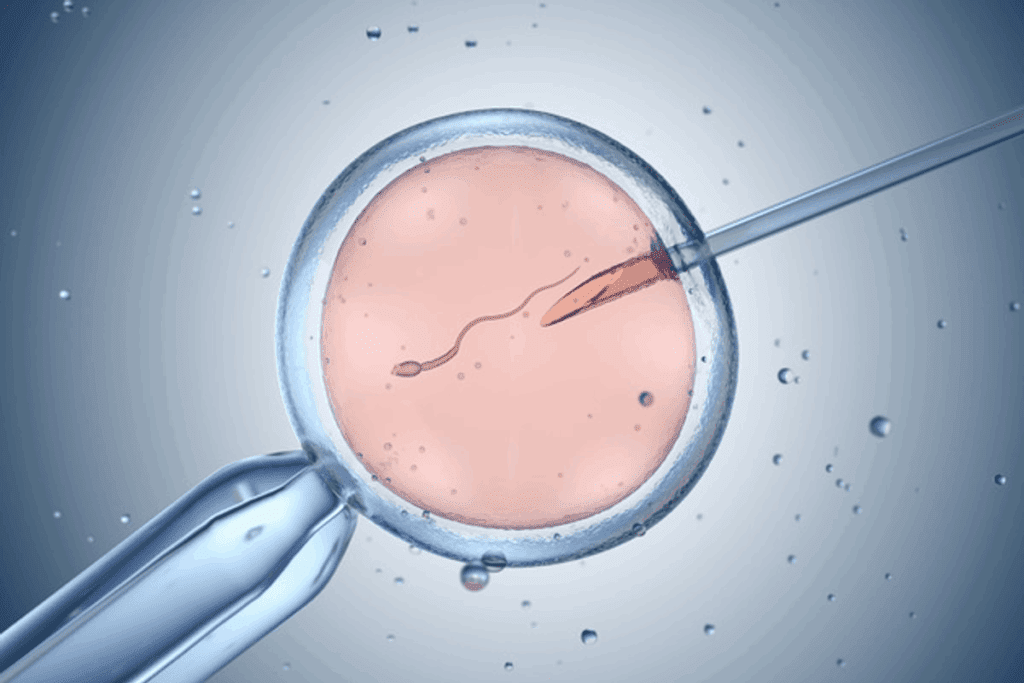
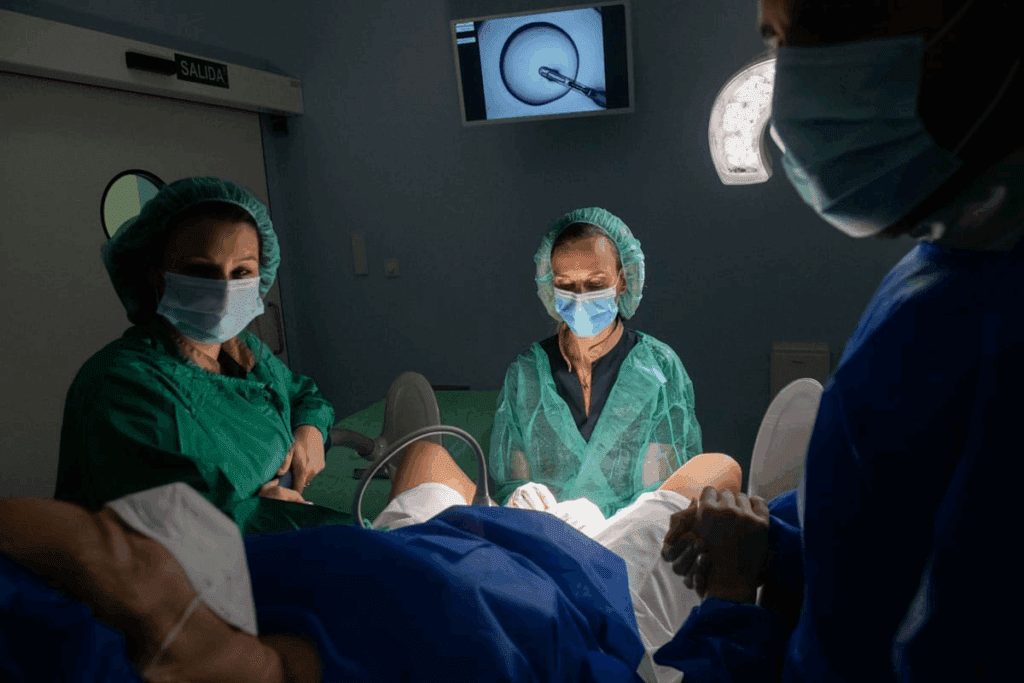
Embryo transfer is a key step in assisted reproduction. It moves the embryo from the lab to the uterus. This is the final step of IVF, where the chosen embryo is placed in the woman’s uterus.
What Happens During the Procedure
The embryo is carefully placed in the uterus using a thin catheter. This is done under ultrasound guidance for accuracy. The whole process is usually painless and quick, lasting about 5-10 minutes.
Key steps during the embryo transfer procedure include:
- Preparation of the embryo for transfer
- Insertion of the catheter through the cervix into the uterus
- Ultrasound guidance to position the catheter correctly
- Release of the embryo into the uterine cavity
- Removal of the catheter and verification of the embryo’s placement
The Critical Implantation Window
The implantation window is a critical time after the embryo transfer. It’s when the embryo must attach to the uterine lining. This usually happens 1-5 days after a blastocyst transfer.
Factors influencing the implantation window include:
- Uterine receptivity
- Hormonal support, like progesterone levels
- Embryo quality and developmental stage
The Science Behind Successful Implantation
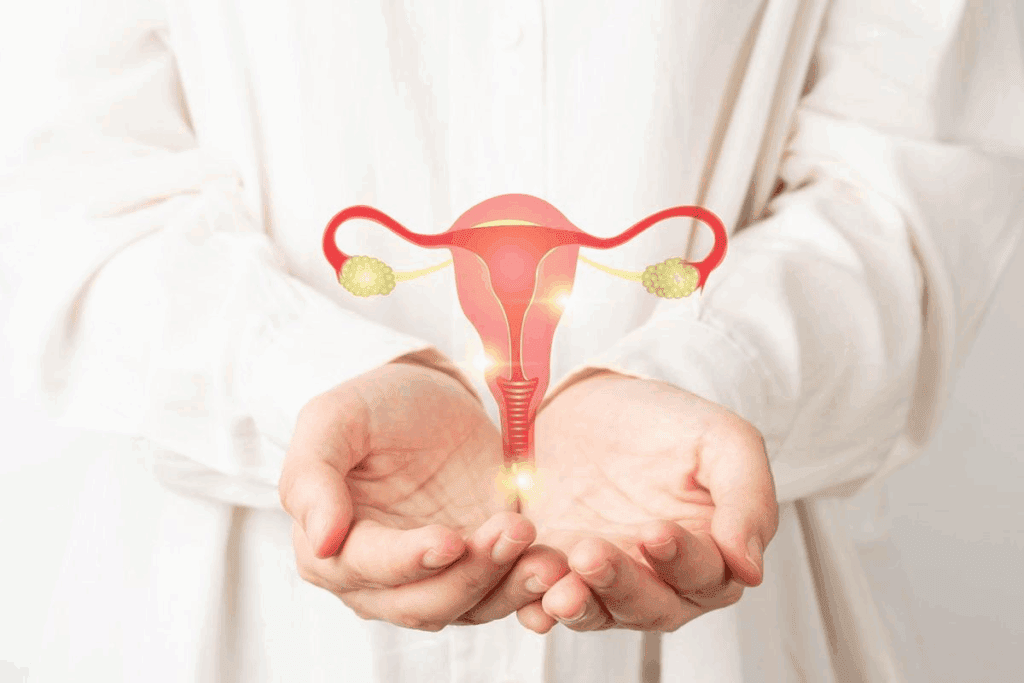
Implantation success depends on a balance of embryo quality, uterine readiness, and hormones. Knowing these factors can boost the chances of a successful pregnancy.
Embryo Quality Factors
The embryo’s quality is key to implantation success. Embryo grading helps evaluate embryo quality. It looks at cell number, cell division, and fragmentation.
“A high-quality embryo has a better chance of implanting successfully,” say fertility experts.
Uterine Receptivity Conditions
Uterine receptivity means the uterus is ready for an embryo. The uterine lining’s thickness and texture are important. Progesterone helps prepare the lining for implantation.
The implantation window is 6-10 days after ovulation. During this time, the uterus needs to be ready for implantation. It needs good blood flow and hormonal support.
Hormonal Support Importance
Hormonal support, like progesterone, is key for the uterine lining and early pregnancy. Progesterone makes the lining thick and ready for the embryo.
“Progesterone is essential for creating a favorable environment for implantation,” states a leading fertility expert.
Having enough progesterone is important for implantation success.
In summary, successful implantation needs good embryo quality, uterine readiness, and hormones. Understanding and supporting these can improve pregnancy chances.
What to Avoid After Embryo Transfer
Knowing what to avoid after embryo transfer is key to success. The time after the procedure is very important. Knowing what not to do can greatly affect the outcome.
Immediate Post-Transfer Restrictions
Right after the embryo transfer, it’s best to avoid hard activities. Resting for a short time helps the embryo implant better. There’s no proof that bed rest helps, but avoiding heavy lifting and exercise is wise.
Also, stay away from too much heat. No hot baths, saunas, or long times in hot places. Keeping your body at a comfortable temperature helps the implantation.
First Week Limitations
In the first week, keep avoiding hard activities and heavy lifting. Do light, gentle movements to keep blood flowing without stress.
Also, cut down on caffeine and don’t drink alcohol. Both can harm implantation, so drink little or not at all.
- Avoid high-impact exercises
- Limit caffeine to minimal levels
- Refrain from alcohol consumption
Second Week Considerations
In the second week, you can start doing normal, gentle things again. But, stay away from extreme temperatures and hard exercises. Listen to how your body feels and adjust what you do.
It’s also a good time to work on managing stress. Try meditation, deep breathing, or yoga to keep stress down. This helps with implantation.
By following these tips and adjusting your life, you can help the embryo implant well.
Debunking Common Myths About Post-Transfer Care
The two-week wait after embryo transfer is filled with myths. These myths can make recovery harder than it needs to be. It’s key to know what’s true and what’s not to reduce stress and get the best results.
Can Sneezing or Coughing Dislodge the Embryo?
Many worry that sneezing or coughing can kick out the embryo. But, research shows this is unlikely. The embryo is safely stuck in the uterine lining, and small movements like sneezing or coughing won’t harm it.
It’s normal to feel worried, but knowing the embryo is safe is important. Instead of stressing about sneezing or coughing, focus on staying healthy and following your doctor’s advice.
The Truth About Bed Rest Requirements
Some think they must stay in bed after embryo transfer. But, studies say getting back to normal activities can help with pregnancy. Long bed rest is not needed and can cause stress and discomfort.
It’s best to find a balance between rest and gentle activity. Short walks and light stretching are good. But, avoid hard exercise or heavy lifting.
Bathroom Use Concerns
Some worry that using the bathroom can harm the embryo. But, there’s no proof of this. Using the bathroom as usual is safe and won’t affect the embryo’s placement.
Staying healthy, including regular bathroom use, is important during this time. If you notice any unusual symptoms or discomfort, talk to your healthcare provider.
Knowing the truth can help patients feel more confident and less anxious during the post-embryo transfer period.
Physical Activity Guidelines Following Transfer
After an embryo transfer, knowing which exercises are safe is key. You want to help the embryo implant without stressing your body too much.
Safe Movement vs. Strenuous Exercise
It’s important to know the difference between safe and strenuous exercise after a transfer. Strenuous exercise is high-intensity and can make your heart rate and breathing heavy. We suggest avoiding these activities right after the transfer.
Safe movement means doing light activities that keep blood flowing without too much strain. These are okay and can help you feel better during this time.
Recommended Light Activities
Some light activities are safe and good after a transfer. These include:
- Short walks, which can help improve circulation
- Gentle stretching exercises, promoting flexibility and relaxation
- Light yoga or Pilates, focusing on breathing and gentle movements
These activities are low-impact and can help reduce stress. But, listen to your body and avoid anything that feels wrong or hurts.
When to Resume Normal Physical Activities
When to start normal activities again depends on you and your doctor’s advice. We usually suggest starting slow and gradually getting back to normal.
Most people should wait until after a pregnancy test or a confirmed pregnancy to do more intense activities. This careful approach helps make sure the embryo implants well and lowers the risk of problems.
Always talk to your fertility specialist about exercising after a transfer. They can give you advice that fits your needs and health history.
Temperature and Environmental Considerations
After embryo transfer, it’s important to watch your temperature and environment. These factors can affect how well the embryo implants. The right environment is key for the embryo’s growth and implantation.
Limiting Heat Exposure
High body temperatures, like those from hot baths or saunas, can harm implantation. High temperatures can disrupt the delicate balance needed for embryonic development. It’s best to stay away from extreme heat after the transfer.
Here are some heat sources to avoid:
- Hot tubs and saunas
- Very hot showers
- Direct sun exposure for extended periods
Safe Alternatives to Hot Baths and Saunas
While avoiding extreme heat is wise, there are safer ways to relax:
- Warm (not hot) baths
- Relaxation techniques like meditation or deep breathing exercises
- Gentle yoga or stretching
Environmental Toxins to Avoid
Staying away from environmental toxins is key for health and embryo development. Some chemicals and pollutants can harm implantation.
| Toxin | Common Sources | Precautions |
|---|---|---|
| Lead | Old paint, contaminated water | Use lead-free paint, filter water |
| Air Pollution | Traffic, industrial emissions | Stay indoors on high pollution days, use air purifiers |
| Chemicals in Cleaning Products | Household cleaners | Use eco-friendly, non-toxic cleaning products |
By being careful about these factors, you can help create a better environment for implantation. Making smart choices supports the success of the embryo transfer.
Nutrition and Dietary Guidelines Post-Transfer
The time after embryo transfer is very important. Eating well can help a lot. A diet full of nutrients can boost your chances of implantation and keep you healthy.
Foods That Support Implantation
Some foods are better than others for implantation. They are full of good stuff. Here are some:
- Fruits and Vegetables: They have antioxidants, vitamins, and minerals.
- Lean Proteins: They are key for health and growing embryos.
- Whole Grains: They give you fiber, vitamins, and minerals.
- Omega-3 Fatty Acids: In fish like salmon, they help with hormones and health.
Here’s a quick guide to nutrients and where to find them:
| Nutrient | Food Sources |
|---|---|
| Antioxidants | Berries, leafy greens, nuts |
| Lean Protein | Chicken, turkey, fish, beans |
| Omega-3 Fatty Acids | Salmon, sardines, walnuts |
| Folate | Leafy greens, citrus fruits, fortified cereals |
Foods and Substances to Avoid
It’s just as important to know what not to eat. Some things can hurt implantation and health:
- Excessive Caffeine: Too much can mess with implantation.
- Alcohol: It’s bad for embryo growth.
- Processed Foods: They have unhealthy fats, sugars, and salts.
- High-Mercury Fish: Shark and swordfish have too much mercury.
Hydration Recommendations
Drinking enough water is key after embryo transfer. Drinking enough water helps the uterine lining and health. Drink at least 8-10 glasses a day. More if you’re active or live in a hot place.
Eating right and staying hydrated helps create a good environment for implantation. It also supports your health during this important time.
Stress Management for 20% Higher Success Rates
Studies show that managing stress can boost IVF success rates by about 20%. We’ll look at how stress affects implantation, share relaxation tips, and talk about creating a supportive space.
The Link Between Stress and Implantation
Stress can mess with your body’s hormones, which might hurt implantation. Chronic stress can mess with the HPA axis, affecting hormone release. We’ll see how managing stress can help.
Scientists have found a link between stress and IVF success. Stress management can make the hormonal environment better for implantation.
Effective Relaxation Techniques
Relaxation techniques can lower stress. Here are some good ones:
- Deep Breathing Exercises: Calms the mind and lowers anxiety.
- Meditation and Mindfulness: Helps relax and clear your mind.
- Yoga: Mixes movement with deep breathing to reduce stress.
- Progressive Muscle Relaxation: Tenses and relaxes muscles to relax.
Creating a Supportive Environment
Having a supportive space is key for stress management after embryo transfer. This means:
- Building a Support Network: Surround yourself with loved ones for emotional support.
- Engaging in Calming Activities: Do things that relax you, like reading or listening to music.
- Maintaining a Healthy Lifestyle: Get enough sleep, eat well, and stay hydrated.
By using these stress management tips and creating a supportive space, women can boost their IVF success. It’s about making smart choices and taking steps towards a healthier, less stressful IVF journey.
Work, Travel, and Social Considerations
The time after embryo transfer is very important. Knowing how to handle work, travel, and social plans helps reduce stress and aids in recovery.
Returning to Work
Most people can go back to work after embryo transfer. But, it’s best to avoid hard work. Talk to your fertility doctor to figure out the best plan for you.
Key Considerations for Returning to Work:
- Check how you feel and adjust your job tasks.
- Don’t lift heavy or bend a lot.
- If your job is tough, start slow when returning to full duties.
Travel After Embryo Transfer
Traveling after embryo transfer is okay, but be careful. Long trips, like flying, need special care because of air pressure and sitting for long times.
| Travel Type | Considerations |
|---|---|
| Air Travel | Drink lots of water and move around to prevent blood clots. |
| Car Travel | Take breaks to stretch and move around. |
Navigating Social Obligations
Dealing with social plans after embryo transfer can be tough. It’s good to stay connected for emotional support. But, don’t push yourself too hard.
“Finding a balance between staying connected and not stressing too much is key. Resting and following your doctor’s advice helps you recover well.”
Navigating social events:
- Choose which events to go to carefully.
- Keep your time at events short if needed.
- Have a plan to leave if you feel too stressed.
Understanding how to manage work, travel, and social plans after embryo transfer helps patients recover better. It also reduces stress.
Intimate Relations and Personal Care
Dealing with intimate relations and personal care after embryo transfer can be tough. But knowing the rules can help a lot. This time is key, and knowing what to do can really help.
Guidelines for Sexual Activity
Many patients worry about sex after embryo transfer. We usually say no sex for a bit to avoid hurting the embryo. The exact time depends on your situation and what your doctor says.
It’s not just about the act itself. It’s also about not messing with the embryo’s chance to stick. Some research says orgasm can cause contractions, so be careful.
Personal Hygiene Recommendations
Keeping clean is important, but do it gently. Use mild soaps and avoid strong smells or harsh chemicals. Also, skip hot baths and tubs to avoid heat.
Use mild, unscented soap and warm water for baths. Wear loose, comfy clothes to keep warm.
“The key to successful implantation is not just about the embryo quality but also about creating a conducive environment for it to implant. This includes being mindful of personal care and hygiene practices.”
Beauty Treatments and Products to Avoid
Some beauty treatments and products are off-limits after embryo transfer. Stay away from hair dyes, chemical nail treatments, and harsh cosmetic procedures. This is to avoid toxins that could harm the embryo.
- Avoid saunas and steam rooms.
- Choose natural, chemical-free beauty products.
- Be careful with new skincare or haircare items.
Following these tips can help lower risks and make it easier for the embryo to implant.
When to Contact Your Fertility Specialist
It’s important to know when to see a doctor after an embryo transfer. You might have questions and worries. We’re here to help you know when to call your fertility specialist.
Warning Signs That Require Medical Attention
Some pain is okay after an embryo transfer. But, some signs mean you need to see a doctor right away. These include:
- Severe pain that can’t be eased by medicine
- Heavy bleeding or clotting more than usual
- Severe abdominal swelling or trouble breathing
- Fever over 100.4°F (38°C)
- Severe nausea or vomiting that stops you from eating or drinking
Normal vs. Concerning Symptoms
It’s key to know the difference between normal and serious symptoms after an embryo transfer. Normal signs might be mild cramping, spotting, or tender breasts. But, if you’re not sure or if it’s not a warning sign, talk to your fertility specialist.
Medication Side Effects to Monitor
IVF meds can cause side effects. You might feel bloated, have mood swings, or react to the injections. But, if you have severe side effects like severe headaches, dizziness, or allergic reactions, call your fertility specialist. Keeping a log of your meds and side effects is a good idea for your next visit.
Knowing these important points can make your IVF journey smoother. If you’re unsure, always reach out to your fertility specialist for help and support.
Conclusion: Navigating the Two-Week Wait with Confidence
The two-week wait after embryo transfer is filled with hope and uncertainty. By following the advice in this article, patients can feel more confident and less worried.
It’s key to follow post-transfer advice. This includes avoiding hard activities, managing stress, and eating well. These steps help increase the chances of a successful implantation.
Getting through the two-week wait takes patience, understanding, and a positive attitude. We suggest staying informed, following guidelines, and getting support when needed. By doing this, patients can face this time with confidence and hope.
FAQ
What are the most common mistakes to avoid after embryo transfer?
After embryo transfer, avoid hard exercise, heavy lifting, and bending. Also, limit heat exposure and avoid toxins. Eating well supports implantation.
Can sneezing or coughing dislodge the embryo after transfer?
Sneezing or coughing won’t dislodge the embryo. It’s safely attached to the uterine lining. These actions won’t affect its position.
Is bed rest necessary after embryo transfer?
Bed rest isn’t needed after embryo transfer. It can harm your health. Instead, do light activities and avoid hard exercise.
What are the guidelines for physical activity after embryo transfer?
Avoid hard exercise and heavy lifting after embryo transfer. Walking is okay. You can get back to normal activities in a few days.
Can I take a hot bath or sauna after embryo transfer?
No, hot baths and saunas are not good after embryo transfer. They can raise your body temperature. Use warm showers or baths instead.
What foods should I eat after embryo transfer to support implantation?
Eat a balanced diet with fruits, veggies, whole grains, and lean proteins. Foods with antioxidants, omega-3s, and folate are good.
Are there any specific foods or substances to avoid after embryo transfer?
Yes, avoid too much caffeine, alcohol, and processed foods. Also, limit soy and high-mercury fish.
How can I manage stress after embryo transfer?
Managing stress is key after embryo transfer. Try meditation, deep breathing, or yoga. They help reduce stress and support implantation.
Can I have sex after embryo transfer?
It’s best to avoid sex for a few days after embryo transfer. This helps with comfort and implantation.
When should I contact my fertility specialist after embryo transfer?
Call your fertility specialist for severe symptoms like heavy bleeding, pain, or fever. Also, report any medication side effects.
What are the warning signs that require medical attention after embryo transfer?
Seek medical help for severe pain, heavy bleeding, fever, or bad nausea and vomiting. Contact your specialist right away.
How long should I wait before resuming normal activities after embryo transfer?
You can start normal activities in a few days after embryo transfer. Listen to your body and avoid hard exercise or lifting until you feel ready.
References
National Center for Biotechnology Information. Embryo Transfer: Avoiding Mistakes to Improve IVF Implantation. Retrieved from https://www.ncbi.nlm.nih.gov/pmc/articles/PMC9522404/