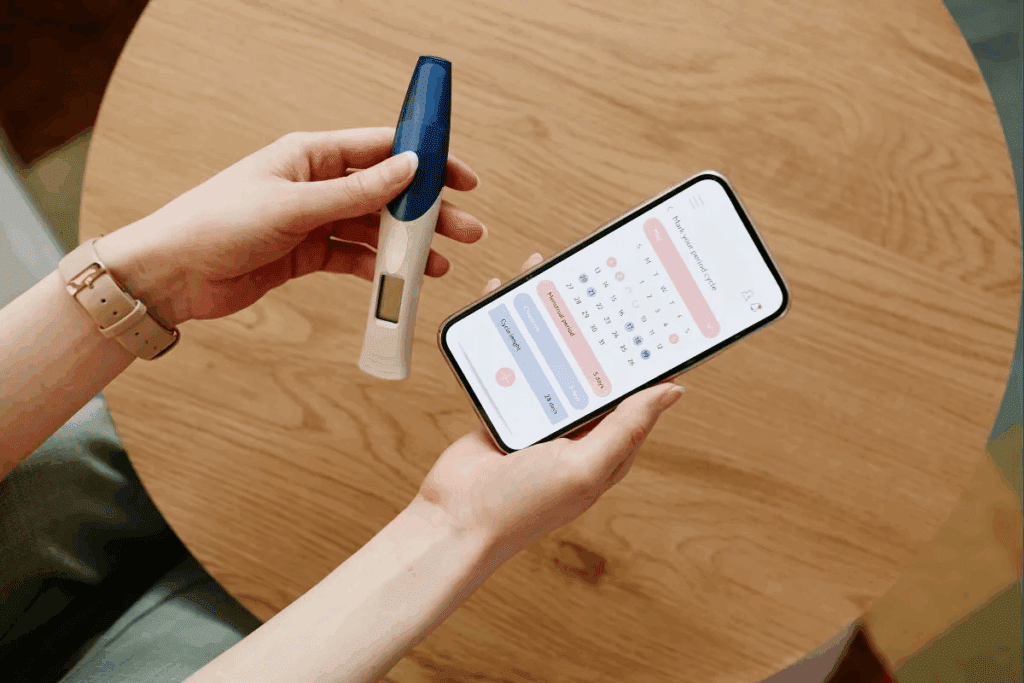
The two week wait (TWW) is a key time in reproductive health. It’s the period between ovulation and finding out if you’re pregnant. This time can last from 7 to 19 days, filled with hope and doubt, leaving many wondering what to do during implantation to support early pregnancy.
Knowing what to do and what to avoid during the TWW is very important. It helps make the best conditions for a healthy pregnancy. With advice from fertility experts, you can feel more confident and prepared.
By understanding how to make the most of the TWW, you can boost your chances of a healthy pregnancy. We’ll look at the best ways to use this time wisely.
Key Takeaways
- Understanding the significance of the two week wait in reproductive health.
- Learning strategies to optimize the TWW for a successful pregnancy.
- Identifying actions to take and avoid during this critical period.
- Gaining insights into managing the emotional challenges of the TWW.
- Discovering the importance of support from fertility specialists.
Understanding the Two Week Wait (TWW)

For those trying to conceive, the two week wait is a time of great emotional intensity. It marks the period between ovulation and when a fertilized egg might implant. This interval is key as it includes the critical steps of fertilization and implantation needed for pregnancy.
What Is the Two Week Wait?
The two week wait, or TWW, is the 14-day period after ovulation until pregnancy hormones are detectable. During this time, ovulation and fertilization happen. A mature egg is released from the ovary, starting the journey towards implantation.
Why the TWW Is Emotionally Challenging
The TWW is emotionally taxing due to the uncertainty and anticipation it brings. Those trying to conceive feel a mix of emotions, from hope and excitement to anxiety and disappointment. The waiting can feel like forever, making emotional support and understanding vital.
“The waiting game is hard, but knowing what to expect can make it a little easier.”
How Fertilization Occurs
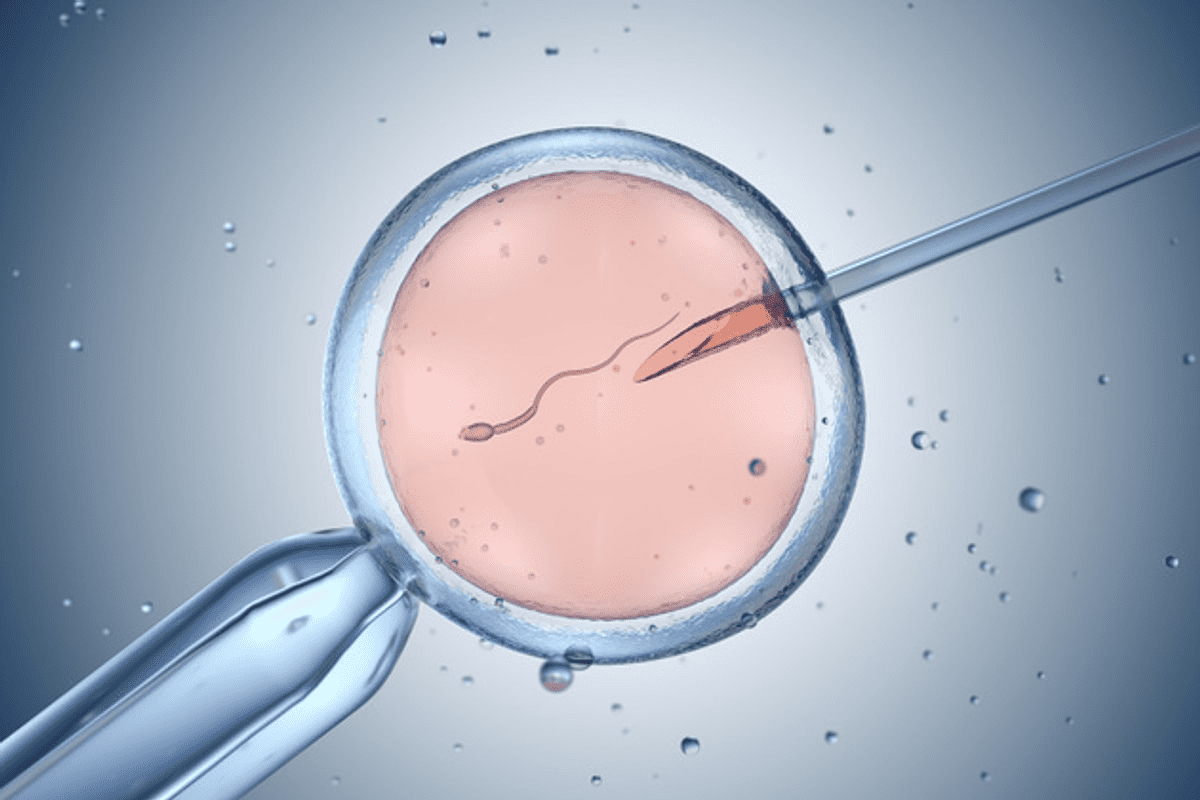
Fertilization occurs when a sperm cell merges with the egg in the fallopian tube. This union forms a zygote, which starts dividing and growing as it moves towards the uterus. The fertilization process is complex, depending on sperm health and egg viability.
| Factors Influencing Fertilization | Description |
|---|---|
| Sperm Health | Motility, count, and morphology of sperm |
| Egg Viability | Quality and maturity of the egg |
| Timing | Coincidence of sperm presence with ovulation |
The Journey of the Fertilized Egg
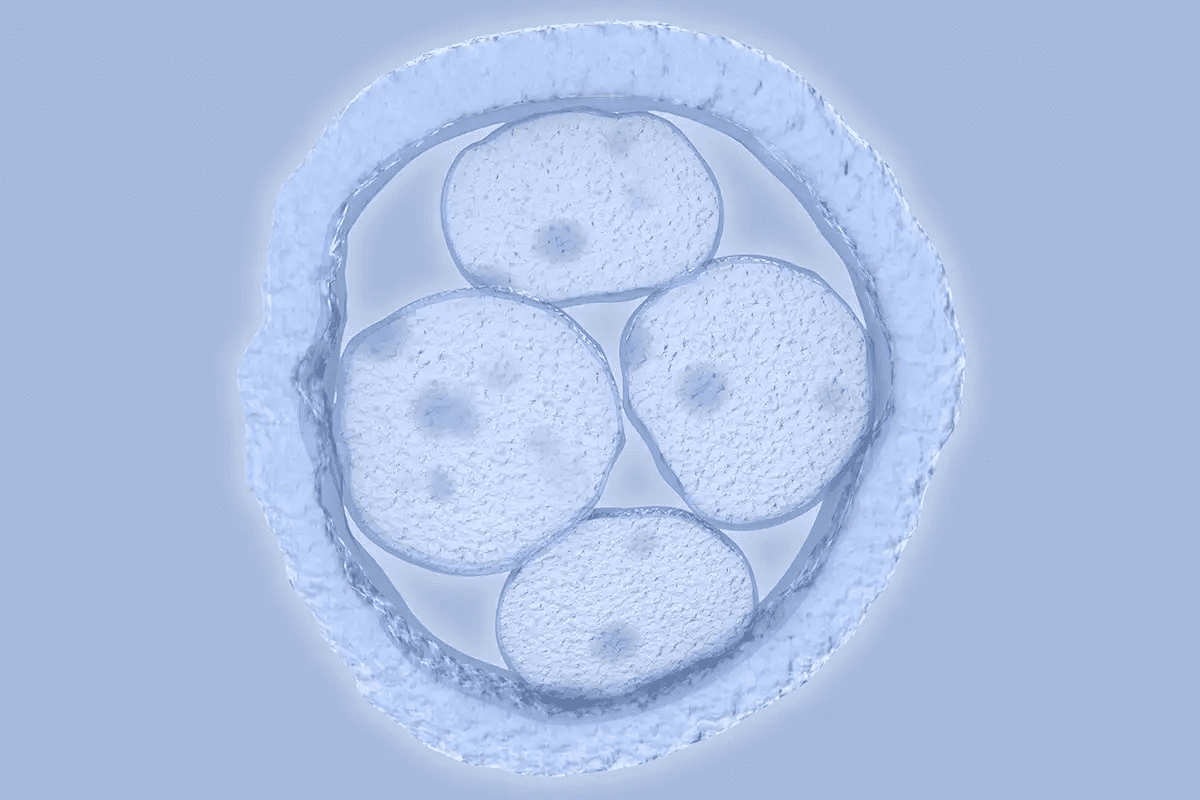
After fertilization, the zygote divides into a blastocyst as it reaches the uterus. Implantation happens when the blastocyst embeds in the uterine lining. This is a delicate step that needs a receptive uterine environment.
Understanding the two week wait and its biological processes helps those trying to conceive. Knowing what to expect and how to support their bodies can improve their chances of a successful pregnancy.
Physical Signs During the Two Week Wait
Knowing the physical signs during the two week wait can ease worries. The wait for a possible pregnancy is both thrilling and stressful. It’s hard to know what our bodies are trying to tell us.
Common Physical Sensations
Women might feel different things during the two week wait. They might notice their breasts are sore, feel very tired, or have mild cramps. These feelings can be like those before their period, making it hard to tell if it’s pregnancy or just PMS.
Common Symptoms:
| Symptom | Description |
|---|---|
| Breast Tenderness | Hormonal changes can cause breast swelling and sensitivity. |
| Fatigue | Increased progesterone levels can lead to feelings of tiredness. |
| Mild Cramping | Implantation of the fertilized egg can cause mild cramping. |
Distinguishing Between PMS and Early Pregnancy Symptoms
Telling PMS from early pregnancy symptoms can be tricky because they’re similar. But, some signs might point more to early pregnancy, like being really sensitive to smells or not wanting certain foods. Keeping a journal of your symptoms can help you see patterns and understand what’s happening.
When Symptoms Might Begin
Symptoms can start as early as a few days after conception. But, when they start can vary a lot from one woman to another. Implantation happens 6-10 days after fertilization, and that’s when some women first notice they might be pregnant.
Knowing about these signs and what they might mean can make the two week wait less scary. It can give women more confidence and less worry.
Exercise Guidelines During the TWW
Exercising during the two week wait can be good, but it’s important to do it safely. Staying active can help with stress and anxiety, which are common during this time.
Recommended Physical Activities
Moderate exercise is best during the two week wait. Safe choices include walking, swimming, and yoga. These keep you healthy without too much strain.
Exercise Intensity and Duration
Keep your exercise intensity and duration moderate. Avoid high-intensity workouts like HIIT and any that twist your pelvis or strain it. Moderate exercise makes your heart beat faster and you breathe harder, but you can talk.
Exercises to Avoid
There are exercises to steer clear of during the two week wait. These include:
- High-impact activities that could cause injury or excessive strain
- Exercises that involve heavy lifting or bending
- Any activity that involves significant pelvic twisting or pressure on the abdominal region
By sticking to these guidelines, you can stay active and healthy during the TWW. This supports both your physical and emotional health.
What to Do During Implantation
Implantation is a key step in early pregnancy. There are steps you can take to help this process. Your body is changing a lot to support the growing embryo.
Creating an Optimal Environment for Implantation
To help implantation, you need to create a good environment in your body. This means eating well and avoiding harmful things.
Keeping your health in check is important. This includes:
- Eating foods that help with fertility
- Drinking lots of water
- Doing some exercise
- Trying to stay calm and not stressed
Stress Management Techniques
Stress can hurt your body’s ability to support implantation. It can mess with your hormones and how you feel. So, it’s key to manage stress.
Here are some ways to handle stress:
- Try meditation and being mindful
- Do yoga or gentle exercises
- Practice deep breathing
- Do things that make you happy and relaxed
Sleep Quality and Quantity
Good sleep is important for your health and implantation. Bad sleep can mess with your hormones and fertility.
To sleep better, try these:
- Go to bed and wake up at the same time every day
- Have a calm bedtime routine
- Stay away from caffeine and screens before bed
- Make your bedroom a cozy place to sleep
Hydration and Its Importance
Drinking enough water is key for a healthy reproductive system. It helps the uterine lining and keeps your body working right.
| Hydration Tips | Benefits |
|---|---|
| Drink at least 8-10 glasses of water a day | Helps uterine health and body functions |
| Avoid sugary drinks and caffeine | Less risk of dehydration and hormonal issues |
| Eat hydrating foods too | Helps with hydration and nutrients |
By focusing on these areas, you can help implantation go well. This increases your chances of a healthy pregnancy.
Nutrition and Diet Recommendations
Eating a diet full of nutrients is key for women trying to get pregnant. A balanced diet boosts health, fertility, and supports early pregnancy.
Fertility-Boosting Foods
Some foods can help with fertility. Include lean proteins like chicken and turkey, fatty fish like salmon, and lots of vegetables and fruits. These foods support reproductive health.
- Leafy greens like spinach and kale
- Berries rich in antioxidants
- Nuts and seeds for healthy fats
- Whole grains for fiber and nutrients
Nutrients That Support Early Pregnancy
During the two week wait, focus on nutrients that support early pregnancy. Folic acid in leafy greens and fortified cereals prevents birth defects. Iron, calcium, and protein are also key for a healthy pregnancy.
Getting enough of these nutrients helps with implantation and early fetal growth.
Meal Planning During the TWW
Good meal planning is vital for a balanced diet. Plan meals around whole foods and aim for a variety of colors on your plate. This ensures you get lots of vitamins and minerals.
- Start your day with a nutritious breakfast
- Incorporate a source of protein and healthy fat in every meal
- Stay hydrated by drinking plenty of water
By eating a nutrient-rich diet and avoiding processed foods, you can prepare your body for conception and early pregnancy.
Substances and Medications to Avoid
During the two week wait, it’s key to know what can harm a growing embryo. Some substances and medications can mess with implantation. This is a critical time for your health and any possible pregnancy.
Alcohol and Its Effects
Drinking alcohol during the two week wait is a big worry. It can mess with ovulation and fertilization. If you’re pregnant, it can cause serious problems for your baby. It’s best to avoid alcohol to start your pregnancy off right.
Effects of Alcohol on Pregnancy:
| Alcohol Consumption Level | Potential Effects |
|---|---|
| Moderate Drinking | May affect ovulation and fertilization |
| Heavy Drinking | Increased risk of fetal alcohol spectrum disorders |
Smoking and Vaping
Smoking and vaping are bad during the two week wait. They can harm your reproductive health and lower fertility. Quitting can make your health better and help with a successful pregnancy.
“Quitting smoking is one of the best things you can do for your health, and it’s specially important during the two week wait.”
A health professional
Caffeine Limitations
While some caffeine is okay, too much is not. It can hurt fertility and increase miscarriage risk. Try to keep caffeine under 200mg a day, like in one 12-ounce cup of coffee.
Over-the-Counter Medications to Avoid
Some over-the-counter meds, like ibuprofen and aspirin, should be used carefully during the two week wait. They can mess with implantation and harm an embryo. Always check with a doctor before taking any medicine.
It’s always better to err on the side of caution when it comes to medication during this critical period.
Sexual Activity During the Two Week Wait
Understanding the impact of sex during the TWW is key for couples trying to conceive. The two week wait is filled with anticipation and questions. Many wonder if sex is safe during this time.
Is Sex Safe During the TWW?
Sex is usually safe during the two week wait unless a doctor says not to. “Sexual intercourse is a natural part of the reproductive process,” and it usually doesn’t harm chances of getting pregnant or early pregnancy.
Potential Benefits and Concerns
Sex during the TWW can keep partners emotionally close. But, there are worries too. Some think sex might mess with implantation or harm the embryo.
Studies show sex usually doesn’t mess with implantation. But, some health issues might mean you should be careful. For example, if you’ve had problems with your cervix or other pregnancy issues, a doctor might tell you to avoid sex.
When to Abstain
Always listen to your doctor, even more so if you have health issues. You might need to stop having sex during the TWW if:
- You’ve had miscarriages or cervical insufficiency
- You have infections or conditions that could get worse with sex
- Your fertility specialist or obstetrician gives specific instructions
As one expert says, “The most important thing is to listen to your doctor. They can tell you what’s best for you based on your situation.”
In short, sex during the TWW is usually okay, but be careful if you have special health concerns. Knowing the good and bad can help couples make choices that are best for them during this time.
Managing Emotional Wellbeing
Waiting for the results of fertility efforts is a big emotional challenge. The Two Week Wait can bring up a mix of feelings. You might feel hopeful, excited, anxious, or unsure.
Coping with Anxiety and Uncertainty
Handling the anxiety and uncertainty of the Two Week Wait needs a few strategies. Mindfulness practices like meditation and deep breathing can calm your mind. Doing things you enjoy, like hobbies or spending time with loved ones, can also help.
It’s okay to feel anxious and unsure during this time. Letting yourself feel these emotions is important for your emotional health.
“The greatest glory in living lies not in never falling, but in rising every time we fall.” – Nelson Mandela
Having a daily routine that includes relaxation and self-care can help with anxiety. This could be setting aside time for yoga or reading, or just enjoying a warm bath.
Support Systems and Resources
A strong support system is key during the Two Week Wait. This can be family, friends, or support groups online or in-person.
| Support System | Description | Benefits |
|---|---|---|
| Family and Friends | Emotional support and practical help | Reduced feelings of loneliness, emotional comfort |
| Support Groups | Community of individuals going through similar experiences | Shared understanding, advice, and camaraderie |
| Professional Counseling | Guidance from a mental health professional | Personalized coping strategies, emotional support |
Mindfulness and Relaxation Techniques
Mindfulness and relaxation techniques are great for managing stress and anxiety during the Two Week Wait. Deep breathing exercises can calm your nervous system. Progressive muscle relaxation can help release physical tension.
- Meditation and mindfulness practices
- Yoga and tai chi
- Deep breathing exercises
- Progressive muscle relaxation
These methods can be done alone or in a guided session. Regular practice can reduce stress and improve your overall wellbeing.
When to Seek Professional Help
While many people manage their emotional wellbeing with support from loved ones and self-care, sometimes professional help is needed. If anxiety or sadness is too much to handle or affects your daily life, seek help from a mental health professional.
Knowing when you need professional help is important. Look out for persistent feelings of hopelessness, anxiety that gets in the way of daily activities, or any thoughts of self-harm.
Pregnancy Testing: Timing and Options
Trying to conceive means understanding when and how to take a pregnancy test. The two week wait (TWW) is filled with anticipation. Knowing the right time and how to read the results can make a big difference.
When to Take a Pregnancy Test
The best time to take a test is on the first day of your missed period. This ensures the hCG hormone is detectable. hCG is made by the placenta after the embryo attaches to the uterine lining.
Testing too early can lead to false negatives. It’s important to wait and consider the test’s sensitivity.
Types of Pregnancy Tests
There are many pregnancy tests out there. They vary in sensitivity and cost. Your choice depends on your needs and budget.
- Highly Sensitive Tests: These detect hCG early, allowing for earlier testing.
- Digital Tests: They give clear results, making it easier to understand.
- Strip Tests: These are basic and less expensive, showing pregnancy through lines.
| Test Type | Sensitivity | Ease of Use |
|---|---|---|
| Highly Sensitive | High | Easy |
| Digital | Variable | Very Easy |
| Strip | Variable | Simple |
Understanding Test Results
Reading pregnancy test results can be tricky. A positive result usually means you’re pregnant. But, false positives can happen due to medical conditions or meds. A negative result usually means you’re not pregnant, but too early testing can lead to false negatives.
“The anticipation of pregnancy test results can be one of the most emotionally charged moments during the TWW,” says a fertility specialist. “Understanding how to interpret these results can help manage expectations and reduce anxiety.”
Dealing with False Negatives and Positives
False negatives are common when testing too early. If you think you’re pregnant despite a negative test, wait a few days and test again. False positives are rare but can be caused by certain meds or ovarian cysts. If you get a positive result, confirm it with a healthcare provider.
Knowing about timing, types, and interpreting pregnancy tests helps navigate the TWW. It aids in making informed decisions about reproductive health.
When to Contact Your Healthcare Provider
Knowing when to call your healthcare provider during the Two Week Wait is key for a healthy pregnancy. The TWW is a waiting period, but knowing when to seek medical help can ease your mind. It ensures you get help quickly if needed.
Concerning Symptoms During the TWW
Keep an eye on your body for any unusual or severe symptoms during the Two Week Wait. Some signs that mean you should call your healthcare provider include:
- Severe abdominal pain: Report pain that is severe or lasts a long time.
- Heavy bleeding: Heavy bleeding or severe cramping.
- Fever: A high fever could mean an infection.
- Severe nausea and vomiting: If you can’t keep fluids down.
If you notice any of these symptoms, call your healthcare provider right away. They can check your symptoms and offer the right care or reassurance.
Preparing for Your First Prenatal Appointment
Getting ready for your first prenatal appointment is important. Here’s how to prepare:
- Gather your medical history: Collect any important medical records, like past pregnancies, surgeries, and health conditions.
- List your medications: Make a list of all medications, supplements, or vitamins you’re taking.
- Prepare your questions: Write down your questions and concerns. This way, you won’t forget to ask them during your appointment.
Questions to Ask Your Doctor
Your first prenatal appointment is a chance to ask questions and get clear answers. Consider asking:
- What are the key milestones I should be aware of during my pregnancy?
- Are there any specific dietary recommendations or restrictions?
- What are the signs of possible complications I should watch for?
- How often will I need to come in for prenatal check-ups?
Being prepared and informed can make your pregnancy better. Don’t hesitate to reach out to your healthcare provider if you have any concerns or questions during the Two Week Wait or later.
Conclusion: Embracing the Journey
The two week wait journey can be tough and emotionally draining. We’ve looked at many parts of this time, from physical signs to keeping your mind strong.
As we wrap up, we stress the need for self-care and support. Taking care of yourself and your body can help a lot. Eating right and managing stress are key steps.
It’s important to face pregnancy with hope and positivity. We suggest getting help from doctors, family, and online groups. Having support can really help.
Being well-informed and ready can make the two week wait easier. We’re here to offer all the support and care you need.
FAQ
What is the two week wait (TWW) in pregnancy?
The two week wait is the time between when you ovulate and when your next period is due. It’s when a fertilized egg implants in your uterus.
What are the common physical sensations during the two week wait?
You might feel mild cramps, bloating, tender breasts, and mood swings. These can feel like PMS symptoms.
How can I distinguish between PMS and early pregnancy symptoms?
Early pregnancy symptoms can be stronger than PMS. Look for implantation bleeding, which is lighter than a regular period.
What exercises are safe during the two week wait?
Safe activities include walking, yoga, and swimming. Avoid high-intensity exercises and anything that bounces a lot.
What can I do to support implantation?
Try to manage stress with meditation, get good sleep, and drink plenty of water. This helps implantation.
Are there specific foods that can boost fertility and support early pregnancy?
Yes, eat foods high in antioxidants, omega-3s, and folate. Leafy greens, berries, and fatty fish are good choices.
What substances should I avoid during the two week wait?
Avoid alcohol, smoking, and too much caffeine. They can harm your fertility and early pregnancy.
Is sex safe during the two week wait?
Sex is usually safe, but be cautious if you’ve had miscarriages or cervical issues.
How can I manage emotional wellbeing during the two week wait?
Use mindfulness, talk to loved ones or join groups, and try relaxation techniques. They help with anxiety and uncertainty.
When is the best time to take a pregnancy test?
Wait until after a missed period or at least one to two weeks after ovulation. This gives more accurate results.
What are the options for pregnancy testing?
Home tests and blood tests by healthcare providers are available. Blood tests are more accurate and can detect pregnancy earlier.
When should I contact my healthcare provider during the two week wait?
If you have severe cramps, heavy bleeding, or fever, contact your healthcare provider. They can offer guidance and support.
References
National Center for Biotechnology Information. Navigating the Two Week Wait: A Reproductive Health Guide. Retrieved from https://www.ncbi.nlm.nih.gov/pubmed/8809114