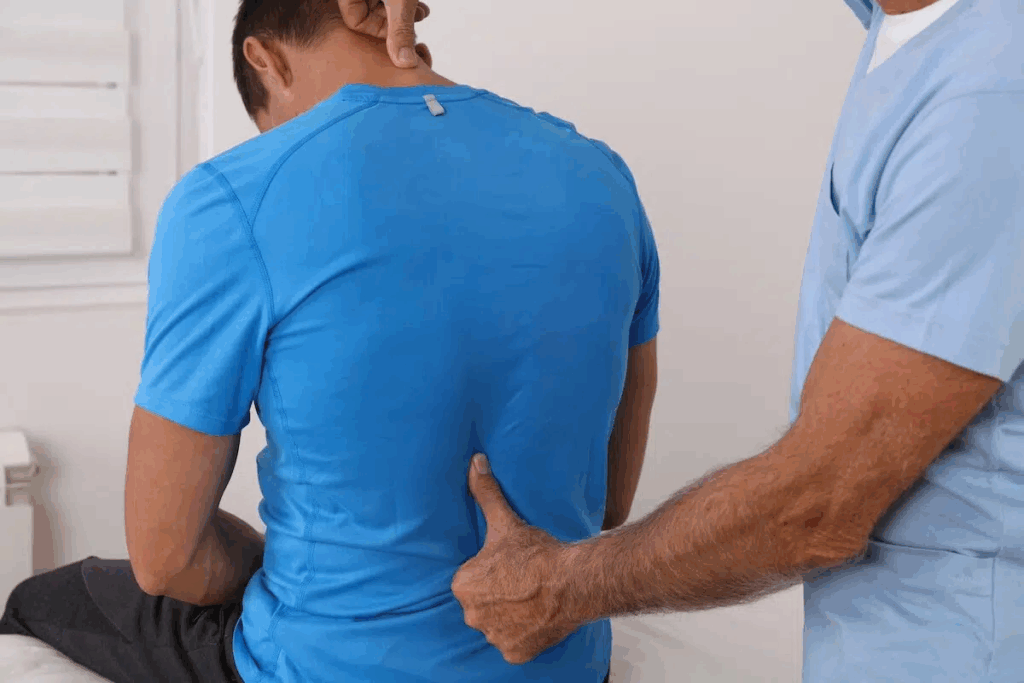
Complete guide on what to do for pulled back muscle injury, from immediate care to rehabilitation. A pulled back muscle, also known as a back strain or sprain, is a common injury. It affects millions worldwide. It can make daily life hard, causing pain, less mobility, and trouble with tasks.
But, with the right care, most people get better in a month. They see big improvements in just 2 weeks.
At Liv Hospital, we focus on care that’s backed by science and centered on you. Our guide will show you how to treat a pulled back muscle. You’ll learn the steps to take and when to see a doctor.
We’ll cover important recovery steps. These include rest, managing pain, gentle stretching, and professional physical therapy.
Key Takeaways
- Most people recover fully from a back strain within one month.
- Proper treatment and self-care can alleviate symptoms.
- Significant improvement is often seen within 2 weeks.
- Rest and pain management are key initial steps.
- Gentle stretching and physical therapy aid in recovery.
Understanding Pulled Back Muscles

It’s important to know what causes and how to deal with pulled back muscles. A pulled muscle in the back, also known as a back strain, happens when the muscle or tendon gets too stretched or torn.
What Exactly Is a Back Strain or Sprain
A back strain is when a muscle or tendon gets hurt. A back sprain, on the other hand, is when the ligaments get stretched or torn. Knowing the difference helps in getting the right treatment.
Back Strain: This is a common injury in the back. It happens when the muscle or tendon gets too stretched or torn. The damage can be mild or severe.
Back Sprain: This is when the ligaments get stretched or torn. It’s less common than strains but can be just as painful.
Common Causes and Risk Factors
Many things can lead to back strains and sprains. Poor lifting techniques and sudden awkward movements are big culprits. Also, overuse or repetitive strain can cause these injuries, mainly in jobs or activities that involve heavy lifting, bending, or twisting.
- Poor posture
- Weak core muscles
- Lifestyle factors such as smoking
- Pre-existing back conditions
Knowing these risk factors helps prevent future injuries and keeps your back healthy.
Recognizing the Symptoms
The symptoms of a pulled back muscle can vary. Common signs include:
- Pain and stiffness in the back
- Difficulty standing up straight
- Reduced range of motion
- Muscle spasms
Spotting these symptoms early is key to quick recovery. Understanding the causes, risk factors, and symptoms helps in healing and preventing future back strains.
What to Do for Pulled Back Muscle: First 24 Hours

Pulling a back muscle can be really tough. But, knowing what to do in the first 24 hours can help a lot. This time is key for managing pain and starting your recovery right.
The Critical RICE Protocol
The RICE protocol is a top choice for treating injuries like pulled back muscles. RICE means Rest, Ice, Compression, and Elevation.
- Rest: Stay away from activities that make the pain worse.
- Ice: Use ice packs on the hurt area for 15-20 minutes, a few times a day.
- Compression: A compression bandage can help lessen swelling.
- Elevation: Keep the hurt area higher than your heart to cut down swelling.
Pain Management Strategies
Managing pain well in the first 24 hours is key. You can try over-the-counter pain meds like ibuprofen or acetaminophen. They can help with pain and swelling.
Medication | Dose | Frequency |
Ibuprofen | 200-400 mg | Every 4-6 hours |
Acetaminophen | 325-1000 mg | Every 4-6 hours |
Proper Positioning and Posture
It’s important to keep good posture and position to avoid putting extra stress on the hurt muscle. Use a supportive mattress and a pillow under your knees when sleeping. This can help your lower back.
By following these steps, you can manage your pulled back muscle well in the first 24 hours. This will help you recover successfully.
Effective Home Treatment for Pulled Back Muscle
There are many ways to treat a pulled back muscle at home. These methods can help ease the pain and speed up healing. They are important in the early stages of injury.
Over-the-Counter Medication Options
Over-the-counter (OTC) pain meds are key in treating pulled back muscles. Nonsteroidal anti-inflammatory drugs (NSAIDs) like ibuprofen and naproxen are often suggested. They help reduce pain and swelling.
It’s important to take the right amount of medication. Always talk to a doctor if you have health concerns.
Compression Methods and Back Braces
Using elastic bandages or back braces can help. They support the injured area and reduce swelling. Back braces are great because they add extra support and stability.
Compression Method | Benefits | Precautions |
Elastic Bandages | Reduces swelling, provides support | Ensure proper wrapping to avoid circulation issues |
Back Braces | Offers additional support and stability | Should not be too tight, monitor skin for irritation |
Transitioning to Heat Therapy
After 48 to 72 hours, try heat therapy. It relaxes the muscle, improves blood flow, and aids in healing. Switching from cold to heat therapy is important for the best results.
Using these home treatments can help manage symptoms and aid in recovery from a pulled back muscle.
How to Ease Pulled Back Muscle Pain Naturally
To naturally ease pulled back muscle pain, try a holistic approach. This includes changing your diet, using topical treatments, and improving your sleep. These methods can help reduce pain and aid in healing.
Anti-Inflammatory Foods and Supplements
Eating right is key to reducing inflammation and helping muscles recover. Foods rich in omega-3 fatty acids, like salmon and sardines, are great for this. Also, foods high in antioxidants, such as berries and leafy greens, fight oxidative stress and support healing.
Supplements can also help manage inflammation. Turmeric, with its curcumin, is known for its anti-inflammatory effects. Ginger and omega-3 fatty acid supplements can also help reduce inflammation and pain.
“A well-balanced diet rich in anti-inflammatory foods can significantly aid in the recovery process of pulled back muscles.”
Topical Analgesics and Essential Oils
Topical treatments can offer localized pain relief. Topical analgesics, like creams or gels with capsaicin or menthol, can be applied directly to the affected area. Essential oils like arnica, eucalyptus, and peppermint have anti-inflammatory and analgesic properties. They can be used in massage oils or added to bath water.
Sleep Positions That Promote Healing
Getting enough rest and sleeping in the right position are vital for recovering from pulled back muscles. Sleeping on your back with a pillow under your knees can reduce strain on your spine and back muscles. Sleeping on your side with a pillow between your knees can also help maintain spinal alignment and reduce pressure on your back.
By using these natural methods—dietary changes, topical treatments, and optimal sleep positions—you can effectively ease pulled back muscle pain and support your body’s healing process.
Should You Massage a Pulled Back Muscle?
When you have a pulled back muscle, you might wonder if massage helps. Massage therapy is known for its healing benefits. It can reduce muscle tension and promote recovery. We’ll look at how massage aids in back recovery, its benefits, when to start, and home techniques.
Benefits of Massage for Back Recovery
Massage is great for back recovery. It reduces muscle tension and promotes blood flow. This flow brings oxygen and nutrients needed for healing. It also releases endorphins, which help with pain.
Regular massage can also improve flexibility and range of motion. This makes daily activities easier without hurting the injury. It also reduces stress and promotes relaxation, aiding in overall recovery.
When Massage Is Safe to Begin
Timing is key for massage therapy. It’s best to wait 48 to 72 hours after the injury. During this time, focus on rest, ice, compression, and elevation (RICE) to reduce inflammation and pain.
Once the acute phase is over, gentle massage can start. Begin with light, gentle strokes and gradually increase pressure as you feel comfortable. If massage causes more pain, stop and seek medical advice.
Self-Massage Techniques for Relief
Self-massage can help manage pain and aid in healing. Using a foam roller on the affected area can reduce tension and improve blood flow.
Applying pressure with your fingers or thumbs to tense areas is another method. You can also use massage balls against a wall for hard-to-reach spots.
Always listen to your body and adjust pressure as needed. If self-massage is too painful or not effective, see a professional massage therapist for targeted treatment.
Pulled Back Muscle Recovery Time Expectations
Knowing how long it takes for a pulled back muscle to heal is key. It helps manage expectations and guides the healing journey. The time it takes can vary a lot, depending on how bad the strain is. Understanding this can help people deal better with their injury.
Timeline for Grade 1 (Mild) Strains
Mild strains (Grade 1) heal faster. They cause little damage to the muscle fibers. Most people can get better in a few days to a couple of weeks with rest and care.
It’s important to follow the RICE protocol (Rest, Ice, Compression, Elevation) during this time. Also, start with gentle stretches to keep flexibility.
Recovery Process for Moderate to Severe Strains
Moderate to severe strains take longer to heal. They cause more damage to the muscle fibers. The healing time can be several weeks to a few months.
It’s important to be patient and not rush back to activity too soon. Rushing can cause re-injury or chronic problems.
Factors That Speed Up or Delay Healing
Many things can affect how fast a pulled back muscle heals. Age, overall health, and the treatment plan are big factors. Eating well and staying hydrated can help recovery.
On the other hand, smoking, poor nutrition, and not getting enough rest can slow healing down.
Understanding these factors and having realistic expectations helps in recovery. Most people fully recover from back strains in one month. But, they often see big improvements in 2 weeks.
How to Fix Pulled Muscle in Back with Exercise
Gentle exercises and stretches are key in treating a pulled back muscle. They help avoid stiffness and aid in healing. It’s important to mix rest with the right physical activity for a full recovery.
When to Begin Movement After Injury
Knowing when to start exercising after a pulled back muscle is important. You can start with gentle movements 48 to 72 hours after the injury, if it doesn’t hurt more. Gentle stretches can prevent stiffness and improve blood flow.
Gentle Stretches for Early Recovery
In the early stages of recovery, gentle stretches are very helpful. Some good stretches include:
- Knee to Chest Stretch: Helps to relax the lower back muscles.
- Cat-Cow Stretch: Promotes flexibility and reduces stiffness.
- Pelvic Tilt: Strengthens the abdominal muscles and supports the lower back.
Progressive Strengthening Exercises
When the pain gets better, start adding strengthening exercises. Exercises like:
- Bridges: Strengthens the core and gluteal muscles.
- Planks: Enhances core stability.
- Lat Pulldowns: Strengthens the latissimus dorsi muscles in the back.
are good to add to your routine. They help make your back muscles stronger, lowering the chance of future injuries.
Core Stability Training for Prevention
Core stability training is key in preventing back injuries. A strong core supports the spine and spreads the load evenly. Exercises like:
- Russian twists
- Bird dog
- Side planks
improve core stability. Adding these exercises to your routine can greatly lower the risk of a pulled back muscle.
Best Therapy for Pulled Back Muscle
The best treatment for a pulled back muscle combines different therapies. Professional physical therapy is key in making a treatment plan. It helps strengthen the injured area and improve posture.
Physical Therapy Approaches
Physical therapy is vital in healing pulled back muscles. Therapists create a custom exercise program. This program boosts flexibility, strength, and range of motion.
Techniques used include manual therapy, ultrasound, and electrical stimulation. Patients also learn about proper body mechanics.
Physical therapy offers many benefits:
- Less pain and swelling
- Better mobility and function
- Stronger back muscles
- Knowledge on posture and body mechanics
Chiropractic Care Considerations
Chiropractic care is also effective for pulled back muscles. Chiropractors use spinal manipulation and manual techniques. These methods help restore joint mobility, reduce pain, and improve function.
Here’s a comparison of physical therapy and chiropractic care:
Therapy | Primary Focus | Techniques Used |
Physical Therapy | Exercise and strengthening | Manual therapy, modalities, exercise programs |
Chiropractic Care | Spinal manipulation | Spinal adjustments, manual techniques |
Alternative Therapies with Evidence
Some alternative therapies are promising for pulled back muscle symptoms. These include acupuncture, massage therapy, and herbal supplements. While evidence varies, they can be used as complementary treatments.
Always talk to a healthcare professional before trying new therapies. This ensures they’re right for your condition.
When to Seek Medical Help for Back Strain
Knowing when to get medical help for back strain is key for a quick recovery and avoiding long-term harm. Many back strain cases can be treated at home. But, some symptoms and situations need a doctor’s check-up.
Red Flag Symptoms Requiring Immediate Attention
Some signs point to a serious issue that needs quick medical care. These red flag symptoms include:
- Severe pain that doesn’t get better with rest or medicine
- Numbness, tingling, or weakness in the legs
- Loss of bladder or bowel control
- Fevers or chills with back pain
- Recent back injury or trauma
If you see any of these signs, get medical help right away. Prompt evaluation can stop long-term damage and ensure the right treatment.
Signs Your Home Treatment Isn’t Working
If your back strain home treatment isn’t getting better or is getting worse, it’s time to see a doctor. Signs that home treatment isn’t working include:
- Increasing pain or discomfort
- Decreased mobility or stiffness
- Pain spreading to other areas, like the legs or buttocks
- Hard time doing daily tasks
Seeing a healthcare professional is a good idea if you notice these signs. They can check your condition and suggest alternative treatment options for recovery.
Diagnostic Procedures You Might Undergo
When you get medical help for back strain, your doctor might suggest different tests to find out what’s wrong. These tests include:
Diagnostic Procedure | Purpose |
X-rays | To check for fractures or bone problems |
MRI (Magnetic Resonance Imaging) | To see soft tissue injuries, like muscle strains or herniated discs |
CT (Computed Tomography) scan | To get detailed images of the spine and tissues around it |
These tests help doctors create a treatment plan that fits your needs.
Preventing Future Back Muscle Injuries
To keep your back healthy, follow some simple steps. Keep a healthy weight, exercise regularly, and always stand up straight. These actions can help avoid another pulled back muscle.
Good back care means making lifestyle changes. Doing exercises that strengthen your core can help keep your back stable. Also, being mindful of your posture and stretching often can ease back strain.
Knowing the risks and how to avoid them is key. Lift safely, don’t twist or bend suddenly, and be careful during physical activities. Taking these precautions can lead to a healthier, more active life.
By following these tips every day, you can lower the chance of back injuries. Remember, your back health is important. Take steps now to prevent future injuries.
FAQ
How long does it take to recover from a pulled back muscle?
Recovery time for a pulled back muscle depends on the strain’s severity. Mild strains might heal in a few days to a week. More severe strains could take weeks or even months to fully recover.
What are the best ways to ease pulled back muscle pain?
Rest, ice, compression, and elevation (R.I.C.E.) are great for easing pain. Over-the-counter pain meds, like NSAIDs, can also help with pain and swelling.
Should I massage a pulled back muscle?
Massage can help with back recovery, but wait until the pain and swelling go down. Gentle massage can aid in healing and relaxation.
How do I know if my pulled back muscle is healing?
Watch your pain levels, range of motion, and daily activities. If pain or numbness gets worse, see a doctor.
What are the signs that my home treatment isn’t working?
Look out for persistent or worsening pain, numbness, tingling, or trouble with bladder or bowels. If symptoms don’t get better with home care, see a healthcare professional.
How can I prevent future back muscle injuries?
Keep a healthy weight, exercise regularly, and maintain good posture. Core stability training and stretching can also help prevent injuries.
What are the benefits of physical therapy for pulled back muscle?
Physical therapy promotes healing, improves range of motion, and strengthens back muscles. A physical therapist can tailor exercises and stretches to prevent future injuries.
Can I use heat therapy for a pulled back muscle?
Yes, heat therapy can help a pulled back muscle, but wait until the swelling goes down. Heat can relax muscles and aid in healing.
What are the red flag symptoms that require immediate medical attention?
Severe pain, numbness, tingling, trouble with bladder or bowels, and fever are red flags. If you have these symptoms, seek medical help right away.