Scoliosis affects millions, causing back pain and lowering quality of life. It’s key to manage scoliosis well to ease pain and avoid more problems. We’ll show you the best scoliosis exercises and treatment choices. This will help you know what to do and what not to do for better spinal health.
Key Takeaways
- Understanding scoliosis and its impact on daily life
- Effective strategies for managing scoliosis and relieving back pain
- Recommended exercises for scoliosis patients
- Overview of available scoliosis treatment options
- Importance of professional guidance in scoliosis management
Understanding Scoliosis: Types and Severity Levels

Scoliosis is a complex spinal condition with different forms and severity levels. It requires a deep understanding for effective management.
Different Types of Scoliosis: Dextroscoliosis vs. Levoscoliosis
Scoliosis is mainly divided into two types: dextroscoliosis and levoscoliosis. Dextroscoliosis bends to the right, while levoscoliosis bends to the left. Knowing the type is key to finding the right treatment.
The difference between these types affects symptoms and treatment results. It also impacts the muscles and organs affected by the curvature.
Measuring Severity: The Cobb Angle Method
The Cobb angle method measures scoliosis severity. It calculates the angle from an X-ray image. This angle helps decide the treatment plan.
A higher Cobb angle means a more severe curvature. Severity levels are categorized as follows:
| Cobb Angle | Severity Level |
| 10° – 20° | Mild |
| 21° – 40° | Moderate |
| 41° – 60° | Severe |
| > 60° | Very Severe |
“The Cobb angle is a widely accepted measure for assessing the severity of scoliosis, providing a quantifiable metric that guides treatment decisions.”
Locations of Curvature: Thoracic, Lumbar, and Thoracolumbar
Scoliosis can occur in the thoracic, lumbar, and thoracolumbar areas. The thoracic spine is most common, often in dextroscoliosis. Lumbar scoliosis affects the lower back, leading to different symptoms and challenges.
The location of the curvature greatly affects symptoms and treatment. For example, thoracolumbar scoliosis needs a special treatment plan due to its unique location.
Knowing the specific location and type of scoliosis is vital. It helps create a tailored management plan for each patient’s needs and promotes spinal health.
How Scoliosis Affects Your Body and Daily Life
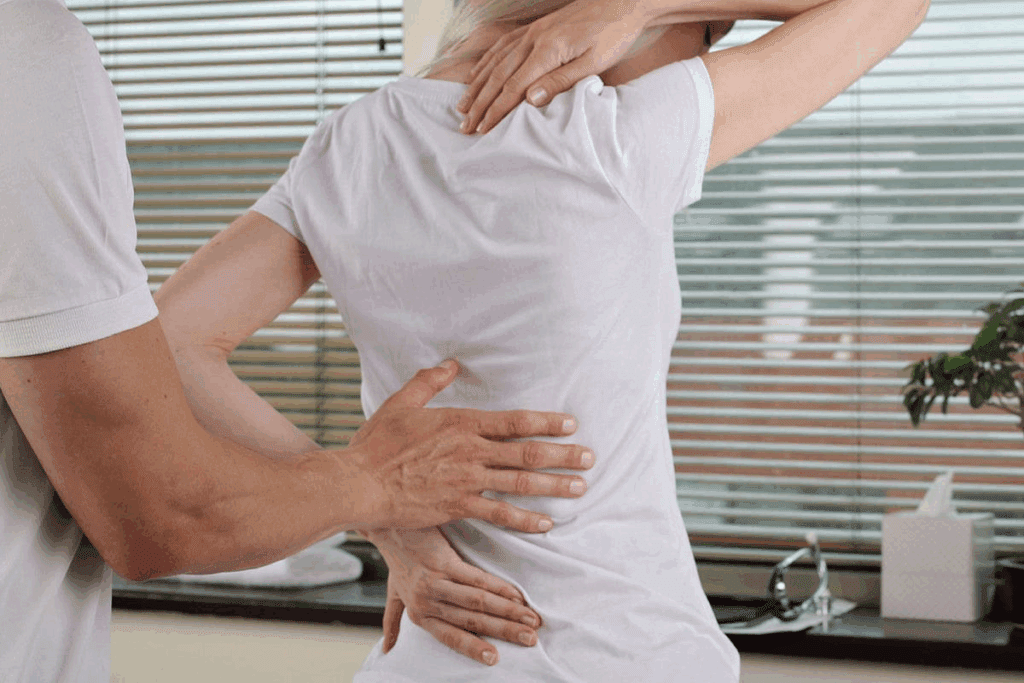
Scoliosis has many effects, changing how your body is aligned and causing symptoms. If not treated, it can lead to serious health problems. This condition, marked by an abnormal spine curve, can greatly affect your life quality.
Physical Impact on Posture and Alignment
Scoliosis changes your posture and alignment because of the spine’s abnormal curve. This curve can put uneven weight on the spine, straining muscles and joints. People with scoliosis may find it hard to stand up straight, making the problem worse.
It’s key to manage scoliosis with ultra-specialized care. Keeping the spine aligned is vital to avoid more problems and improve health.
Common Symptoms Beyond Visible Curvature
Scoliosis can cause symptoms like back pain, fatigue, and breathing issues. These symptoms can make everyday tasks hard, affecting your life quality.
Knowing these symptoms well is important for managing them. The table below shows common symptoms of scoliosis and how they can affect daily life.
| Symptom | Description | Impact on Daily Life |
| Back Pain | Chronic pain due to muscle strain and spinal curvature | Limits physical activity and affects sleep |
| Fatigue | Increased energy expenditure due to compensatory mechanisms | Reduces overall energy levels and productivity |
| Breathing Difficulties | Severe curvature can compress lungs and diaphragm | Impairs respiratory function and endurance |
Long-term Health Implications if Untreated
If not treated, scoliosis can cause serious health problems. These include more curvature, pain, and serious breathing and heart issues. The severity of these problems depends on the curve’s degree and your health.
Early treatment and proper care are key to avoiding these risks and improving outcomes. Knowing the long-term effects of untreated scoliosis shows why getting medical help and following treatment plans is so important.
What to Do When Your Back Hurts from Scoliosis
Managing back pain from scoliosis needs a mix of quick relief, lifestyle changes, and doctor visits. It’s key to have a plan ready to ease pain and avoid more problems.
Immediate Pain Relief Strategies
For quick relief from scoliosis back pain, try these:
- Stretching Exercises: Gentle stretches can ease tension and pain. Focus on back and hamstring exercises.
- Heat or Cold Therapy: Heat or cold packs on the area can help. Heat relaxes muscles, while cold reduces swelling.
- Over-the-counter Pain Relievers: Ibuprofen or acetaminophen can manage pain and swelling.
When to Seek Medical Attention
While quick fixes can help, sometimes you need a doctor. Get medical help if you have:
- Severe Pain: Pain that’s too much or stops you from doing daily things.
- Numbness or Tingling: Feeling in legs or arms that could mean nerve issues.
- Loss of Bladder or Bowel Control: A serious emergency needing quick doctor care.
Tracking Pain Patterns and Triggers
Knowing your pain patterns and what triggers it is key for managing pain. A pain diary can help you see:
| Activity | Time of Day | Pain Level (1-10) |
| Walking | Morning | 6 |
| Lifting | Afternoon | 8 |
| Sitting | Evening | 4 |
Tracking your pain helps you spot patterns and triggers. This lets you make better choices for managing your pain. For example, if pain gets worse after certain activities, you can change your routine.
Also, don’t overlook the importance of sleep in managing pain. A supportive mattress, like Saatva’s Rx Mattress, can help those with scoliosis.
Beneficial Exercises for Scoliosis Management
Exercise is key in managing scoliosis. It focuses on strengthening the core, gentle stretching, and improving balance and posture. A good exercise plan can ease discomfort, boost mobility, and enhance life quality for those with scoliosis.
Core Strengthening Exercises
Strengthening the core is essential for scoliosis management. It helps stabilize the spine and improve posture. Effective core exercises include:
- Planks: Holding a plank position strengthens the abdominal and back muscles.
- Bridges: This exercise targets the glutes and lower back, helping to stabilize the spine.
- Bird Dog: Strengthens the core and improves balance.
Gentle Stretching Routines
Gentle stretching can improve flexibility and reduce muscle tension from scoliosis. Recommended stretches include:
- Cat-Cow Stretch: Helps to flex and extend the spine, improving flexibility.
- Chest Stretch: Stretches the chest and shoulders, helping to counteract the forward leaning posture often associated with scoliosis.
- Lat Stretch: Stretches the latissimus dorsi muscles, which can become tight in individuals with scoliosis.
Balance and Posture Improvement Activities
Improving balance and posture is vital for managing scoliosis. Activities that can help include:
- Single-Leg Stance: Enhances balance and stability.
- Heel-To-Toe Walking: Improves balance and posture.
- Yoga and Pilates: Modified versions of these exercises can help improve posture, balance, and core strength.
| Exercise | Repetitions | Benefits |
| Plank | 3 sets of 30 seconds | Strengthens core, improves posture |
| Cat-Cow Stretch | 3 sets of 10 repetitions | Improves spinal flexibility |
| Single-Leg Stance | 3 sets of 30 seconds per leg | Enhances balance |
By adding these exercises to your daily routine, you can see big improvements in your symptoms and life quality. Always talk to a healthcare professional before starting any new exercise program.
Exercises and Activities to Avoid with Scoliosis
Managing scoliosis means knowing which exercises to skip to avoid worsening the condition. Some activities can make the curvature worse, leading to more pain. We’ll list the exercises and activities to steer clear of.
High-Impact Activities That May Worsen Curvature
High-impact activities put a lot of stress on the spine. For those with scoliosis, these can make the curvature worse. Here are some examples:
- Running or jogging: These activities stress the spine with repetitive impact.
- Jumping or hopping exercises: Trampolining or box jumping can also stress the spine.
- High-impact aerobics: Some aerobics classes with jumping or high-impact movements can be harmful.
It’s okay to do these activities, but talk to your doctor first. They can help you understand the risks and benefits.
Asymmetrical Sports and Their Effects
Asymmetrical sports, with uneven movements, can be risky for scoliosis patients. Here are some examples:
- Golf: Golf’s twisting motion can stress the spine unevenly.
- Tennis or squash: Racquet sports with lateral movements can affect spinal alignment.
- Bowling: Bowling’s one-sided motion can impact spinal symmetry.
While these sports aren’t completely banned, it’s important to be aware of the risks. Proper warm-up and cool-down routines can help.
Movements That Increase Spinal Compression
Some movements can compress the spine, making scoliosis worse. These include:
- Heavy lifting: Lifting heavy objects, without proper form, can compress the spine.
- Bending or twisting: These movements can also increase spinal compression.
- High-impact landings: Jumping and landing heavily can compress the spine upon impact.
Being careful with these movements and using proper techniques can help manage scoliosis.
Daily Posture Tips for Scoliosis Patients
Living with scoliosis can be tough, but good posture habits can help a lot. Keeping the right posture can ease pain, prevent more curvature, and make life better.
Proper Sitting and Standing Alignment
For those with scoliosis, sitting and standing right is key. When sitting, feet should touch the floor or a footrest. Knees should be at or below hip level, and back straight. A lumbar support can help your lower back stay curved right.
When standing, weight should be evenly on both feet. Shoulders should be back, and avoid leaning to one side.
Tips for Proper Alignment:
- Keep your head level, with ears in line with shoulders
- Maintain a straight spine, avoiding slouching or leaning
- Engage your core muscles to support your back
- Take regular breaks to stand, stretch, and move around
Sleeping Positions That Support Your Spine
Choosing the right sleep position is important for scoliosis patients. Sleeping on your back with a pillow under your knees helps keep your spine curved naturally. Side sleepers can use a pillow between their knees to align hips and ease spine strain.
Considerations for Sleeping Positions:
- Avoid sleeping on your stomach, as it can cause your neck to be twisted
- Use a supportive mattress, such as a Saatva mattress, designed to provide back support and relief
- Keep your spine in alignment by using pillows to support your body
Ergonomic Adjustments for Work and Home
Improving your workspace and home can greatly affect your posture and comfort. Make sure your workspace supports good posture. Your monitor should be at eye level, keyboard and mouse within reach, and chair adjusted for back support.
| Ergonomic Adjustment | Benefit |
| Monitor at eye level | Reduces strain on neck and shoulders |
| Keyboard and mouse within easy reach | Prevents reaching forward, reducing strain on shoulders and back |
| Chair adjusted to support back | Maintains natural curve of lower back, reducing discomfort |
By following these posture tips daily, you can manage your scoliosis better. This can reduce pain and improve your life quality.
Managing Specific Types: Levoscoliosis of the Thoracic and Lumbar Spine
Levoscoliosis needs a special plan, mainly for the thoracic and lumbar spine. This spinal curve to the left brings unique challenges. We’ll look at how to manage thoracic and lumbar levoscoliosis, including exercises for levoconvex curvatures.
Unique Challenges of Thoracic Levoscoliosis
Thoracic levoscoliosis is different because it’s in the middle spine. It can cause asymmetrical rib cage development, leading to breathing problems and pain. Knowing these issues is key to a good treatment plan.
Treatment Approaches for Lumbar Levoscoliosis
Lumbar levoscoliosis affects the lower back. It needs special treatment. Physical therapy and bracing are common. They aim to stop the curve from getting worse and ease pain.
“The key to managing lumbar levoscoliosis lies in early intervention and a personalized treatment plan.” – Scoliosis Specialist
Exercises Specific for Levoconvex Curvatures
Exercises for levoconvex curvatures aim to strengthen the muscles around the spine and boost flexibility. Some exercises include:
- Pelvic tilts to strengthen core muscles
- Gentle stretching to improve flexibility
- Posture correction exercises to reduce curvature
| Exercise | Benefit |
| Pelvic Tilts | Strengthens core muscles, improving spinal stability |
| Gentle Stretching | Enhances flexibility, reducing stiffness |
| Posture Correction | Helps in reducing the curvature by improving posture |
Scoliosis-Friendly Ergonomics: Chairs, Desks, and More
For those with scoliosis, setting up an ergonomic workspace is key. It’s not just about feeling comfortable. It’s about managing your condition well. A well-designed workspace can lessen discomfort, improve your posture, and boost your productivity.
Choosing the Best Desk Chair for Scoliosis
Finding the right desk chair is vital for scoliosis sufferers. An ergonomic chair offers the support needed for proper spinal alignment. This reduces back strain. Look for these features in a desk chair:
- Adjustable height and lumbar support
- A breathable fabric or mesh to prevent overheating
- Armrests that can be adjusted to fit your body
- A seat depth that allows you to sit with your back against the lumbar support
Top ergonomic chairs for scoliosis have high backrests and adjustable lumbar support. Brands focused on ergonomic furniture offer chairs for different body types and needs.
Ergonomic Tools and Accessories
Beyond a supportive chair, various ergonomic tools and accessories can improve your workspace. These include:
- Standing desks or sit-stand workstations to alternate between sitting and standing
- Monitor risers to position your screen at eye level
- Keyboard trays to keep your keyboard and mouse within easy reach
- Document holders to reduce neck strain from constantly looking down
These accessories help make a scoliosis-friendly workspace. They promote comfort and lower the risk of worsening your condition.
Setting Up a Spine-Friendly Workspace
Creating a workspace for scoliosis is more than just picking the right chair. Think about the layout’s impact on your posture and comfort. Here are some tips:
- Position your computer monitor directly in front of you, at a distance of about 20-25 inches
- Keep your keyboard and mouse close to your body to avoid reaching forward
- Place your feet flat on the floor or on a footrest, with your knees at or below hip level
- Take regular breaks to stand, stretch, and move around
By using these strategies and ergonomic tools, you can make a workspace that supports your spinal health and overall well-being.
Physical Therapy and Professional Treatment Options
Physical therapy is key in treating scoliosis. It helps reduce pain and improve spinal alignment. Patients get top-notch care, including advanced physical therapy.
Schroth Method and SEAS Approach
The Schroth Method and SEAS (Scientific Exercises Approach to Scoliosis) are special exercise therapies for scoliosis. The Schroth Method tailors exercises to fit each patient’s spinal curve. It aims to improve posture, lessen pain, and stop the curve from getting worse.
The SEAS approach focuses on exercises that are active and auto-correcting. They help improve spinal alignment. Both methods are effective when used with other treatments.
Manual Therapy and Massage Benefits
Manual therapy, like massage, is vital in managing scoliosis. It includes techniques like myofascial release and deep tissue massage. These help relax muscles, improve flexibility, and reduce pain.
Manual therapy also makes other treatments like bracing and exercises more effective. It ensures muscles are relaxed and ready for treatment. This leads to better results for patients.
Working with Specialists: What to Expect
When seeing specialists for scoliosis treatment, expect a detailed evaluation. They will assess your spinal curve, health, and needs. They’ll create a treatment plan that might include physical therapy, bracing, or other interventions.
It’s important to work closely with your healthcare team. This way, you can track progress, adjust the plan if needed, and address any concerns. This helps you get the most out of your treatment and achieve the best results.
Bracing and Support Options for Different Severity Levels
The right bracing and support can make a big difference in managing scoliosis. Bracing is often recommended for those with scoliosis, mainly during growth periods. It helps prevent the curvature from getting worse.
When Bracing Is Recommended
Bracing is usually suggested for scoliosis patients with a curvature between 25 and 40 degrees. This is more common in adolescents who are growing. The goal is to keep the spine stable and stop further curvature.
Types of Braces for Different Curvatures
There are several types of braces for scoliosis, each for different curvatures and needs. The most common include:
- Thoracic-Lumbar-Sacral Orthosis (TLSO): This is a common brace that covers the thoracic, lumbar, and sacral regions.
- Cervical-Thoracic-Lumbar-Sacral Orthosis (CTLSO): This brace goes higher to include the cervical region and is used for higher thoracic curvatures.
- Nighttime Braces: These are designed for nighttime use and are often more flexible than full-time braces.
| Brace Type | Curvature Location | Patient Needs |
| TLSO | Thoracic, Lumbar | Adolescents, Moderate curvatures |
| CTLSO | High Thoracic, Cervical | Severe curvatures, Higher thoracic involvement |
| Nighttime Brace | Varies | Patients requiring nighttime support, less severe curvatures |
Wearing Schedules and Expectations
The wearing schedule for a scoliosis brace varies based on the severity and type of brace. Patients are usually advised to wear their brace for 16 to 23 hours a day. It’s important to wear the brace as directed for it to work well.
Wearing a brace can be tough, both physically and emotionally. But with the right support and guidance, many patients can wear their braces as needed. This helps manage their scoliosis effectively.
Age-Specific Scoliosis Management Strategies
Managing scoliosis well means knowing how to tackle it at different ages. We need to adjust our treatment plans for kids, adults, and seniors. This ensures we meet their unique needs.
Scoliosis in Children and Adolescents
For kids and teens, our goal is to stop the curve from getting worse and help their spine grow right. Early action is vital. This might include watching them closely, using braces, and sometimes surgery.
- Bracing to prevent curvature progression
- Physical therapy to improve posture and reduce discomfort
- Regular monitoring to adjust treatment as needed
Adult-Onset Scoliosis Considerations
Adults with scoliosis face special challenges, like changes in their spine over time. Our strategies might include pain management, physical therapy, and sometimes surgery.
- Assessing the severity of curvature and its impact on daily life
- Implementing pain management strategies, including medication and alternative therapies
- Considering surgical options for significant curvature or debilitating symptoms
Managing Scoliosis in Seniors Over 50
Seniors with scoliosis have their own set of issues, like other health problems and changes in their spine. We aim to enhance their life quality, manage pain, and keep them mobile.
- Gentle exercises and physical therapy tailored to the senior’s abilities
- Pain management strategies, including medication and non-pharmacological interventions
- Adaptations to daily living to accommodate spinal curvature and prevent falls
By using age-specific plans, we can greatly improve life for those with scoliosis at any age.
Sports and Fitness with Scoliosis: What’s Safe and Beneficial
Scoliosis doesn’t have to stop you from enjoying sports and fitness. Many activities can be made safe and fun. The right exercises can boost your health, strengthen your back, and improve your life. We’ll look at sports and fitness that are good for people with scoliosis.
Swimming and Water Exercises
Swimming is great for scoliosis because it’s low-impact and water supports your spine. “Swimming can be an excellent way to strengthen your back muscles without putting excessive strain on your spine,” says a specialist. Water exercises also boost flexibility and muscle strength.
Princess Charlene of Monaco promotes water safety and swimming lessons. For those with scoliosis, swimming is more than physical benefits. It’s also good for your mind.
Modified Pilates and Yoga Approaches
Pilates and yoga are good for scoliosis if done right. They help with posture, balance, and core strength. It’s important to have an experienced instructor to tailor exercises for you.
- Focus on gentle, flowing movements that promote flexibility and strength.
- Avoid any exercises that cause discomfort or pain.
- Use props and modifications to support your spine and maintain proper alignment.
Weight Training Guidelines for Different Curvature Types
Weight training can be safe for scoliosis if done correctly. Knowing your curvature type and getting advice from a healthcare professional or trainer is key. This helps create a workout plan just for you.
Key considerations include:
- Avoiding heavy lifting and high-impact exercises that can worsen the curvature.
- Focusing on exercises that strengthen the core and improve posture.
- Using proper form and technique to minimize injury risk.
Choosing the right sports and fitness can help those with scoliosis enjoy exercise safely. Always talk to healthcare professionals before starting any new exercise program.
Scoliosis and Related Conditions: Arthritis, Stenosis, and More
It’s important to understand how scoliosis relates to conditions like arthritis and stenosis. Scoliosis is a complex spinal disorder that often comes with other spinal issues. This makes managing and treating scoliosis more challenging.
The Connection Between Scoliosis and Arthritis
Arthritis can affect people with scoliosis, causing joint pain and inflammation. The abnormal spine shape in scoliosis can wear down joints unevenly. This can make arthritis worse.
Degenerative arthritis is common in scoliosis patients. The spine’s altered shape puts extra stress on joints and discs. It’s key for those with both conditions to work with their doctors to find the right treatment.
This treatment plan might include physical therapy, pain management, and changes in lifestyle. These steps can help manage symptoms of both conditions.
Managing Scoliosis with Spinal Stenosis
Spinal stenosis, or a narrowed spinal canal, can make scoliosis harder to manage. It can cause numbness, tingling, and leg weakness. Effective management of scoliosis with stenosis needs a careful approach.
This might include a mix of non-surgical treatments and, in severe cases, surgery. Surgery aims to relieve pressure and stabilize the spine.
- Non-surgical treatments might include physical therapy, pain management, and lifestyle changes.
- Surgery could be an option for severe cases, focusing on relieving pressure and stabilizing the spine.
When Scoliosis Results from Injury or Trauma
In some cases, scoliosis is caused by injury or trauma to the spine. This can happen due to fractures, dislocations, or other spinal damage. Traumatic scoliosis presents unique challenges because it’s caused by an external force, not degeneration.
Seeking immediate medical help is vital if you think your scoliosis is due to an injury. Quick action can help prevent long-term problems and improve your outcome.
Preventing Progression: Strategies for All Severity Levels
For those with scoliosis, stopping the curve from getting worse is key. There are many ways to do this, depending on how severe it is. A good plan includes medical help, making lifestyle changes, and keeping an eye on things.
Early Intervention Approaches
Acting early is very important in fighting scoliosis. This might mean wearing a brace, doing physical therapy, or sometimes surgery. Bracing is often suggested for curvatures between 25° and 40°, to stop it from getting worse, mainly in teens.
- Observation and regular check-ups for mild curvatures
- Bracing for moderate curvatures
- Physical therapy to strengthen spinal muscles
Lifestyle Modifications That Make a Difference
Choosing a healthy lifestyle can really help manage scoliosis. This means staying at a healthy weight, doing the right exercises, and keeping good posture.
| Lifestyle Modification | Benefit |
| Maintaining a healthy weight | Reduces strain on the spine |
| Engaging in appropriate exercises | Strengthens spinal muscles and improves flexibility |
| Practicing good posture | Reduces curvature progression |
Monitoring and Follow-up Recommendations
Keeping an eye on scoliosis is vital to see if it’s getting worse. This means getting X-rays regularly, visiting your doctor often, and watching for any new symptoms.
By being proactive and well-informed, people with scoliosis can greatly lower the chance of their curve getting worse. This helps them keep a good quality of life.
Conclusion: Creating Your Personalized Scoliosis Management Plan
Managing scoliosis well means having a plan that fits you. Knowing your scoliosis type and how severe it is helps. This way, you can make a plan that really helps your life.
We’ve talked about ways to handle scoliosis, like exercises and good posture. Now, it’s time to talk to doctors to make a plan that’s just right for you.
Your plan should think about your age, the type of scoliosis you have, and your health. With the help of experts, you can make a plan. This plan should help with pain, stop the scoliosis from getting worse, and make you feel better overall.
Being active and informed about managing scoliosis is key. Making a plan that’s just for you is a big step towards being healthy.
FAQ
What is scoliosis and how common is it?
Scoliosis is a condition where the spine curves abnormally. It affects people of all ages, but is most common in kids and teens. About 2-3% of the world’s population has scoliosis.
What are the different types of scoliosis?
There are two main types: dextroscoliosis (curves to the right) and levoscoliosis (curves to the left). It can also be classified by where the curve is, like thoracic, lumbar, or thoracolumbar.
How is scoliosis severity measured?
Doctors use the Cobb angle method to measure how severe it is. This method looks at the curve on an X-ray. A Cobb angle of 10° or more is considered scoliosis.
What are the symptoms of scoliosis beyond visible curvature?
Symptoms include back pain, feeling tired, uneven shoulders or hips, and breathing problems in severe cases.
How can I manage back pain caused by scoliosis?
To relieve pain, try gentle stretching, heat or cold therapy, and over-the-counter pain meds. Keeping track of your pain and what triggers it helps create a plan just for you.
What exercises are beneficial for scoliosis management?
Exercises that strengthen your core, gentle stretching, and activities that improve balance and posture can help. They can make symptoms better and improve your life quality.
What exercises should I avoid with scoliosis?
Avoid high-impact activities, sports that are not symmetrical, and movements that press your spine more. These can make the curve worse or make symptoms worse.
How can I maintain good posture with scoliosis?
To keep good posture, sit and stand right, sleep in a way that supports your spine, and make ergonomic changes at work and home. These steps can help reduce discomfort.
Can I play sports with scoliosis?
Yes, some sports like swimming, modified Pilates, and yoga can be good for people with scoliosis. But, always talk to a doctor to find the best activities for you.
How can I prevent scoliosis progression?
Early treatment, making lifestyle changes, and regular check-ups can stop it from getting worse. Working with a doctor to make a plan just for you is key.
What is the connection between scoliosis and arthritis?
Scoliosis can raise the risk of arthritis, mainly in older adults. Managing scoliosis and related conditions needs a full approach to spinal health.
Can scoliosis be caused by an injury or trauma?
Yes, injury or trauma can cause scoliosis, mostly in adults. If you suddenly get scoliosis symptoms or they get worse, see a doctor right away.
What are the treatment options for scoliosis?
Treatments include physical therapy, bracing, and sometimes surgery. The Schroth method and SEAS approach are special physical therapy techniques for scoliosis.
How can I create a scoliosis-friendly workspace?
Choose the right desk chair, use ergonomic tools and accessories, and set up your workspace to support your spine. These steps can help reduce discomfort and improve posture.
References
1. Negrini, A., Parzini, S., Negrini, M. G., Romano, M., & Atanasio, S. (2009). Adult scoliosis can be reduced through specific SEAS exercises: a case report. Scoliosis, 4(1), 2. Available at: https://pmc.ncbi.nlm.nih.gov/articles/PMC2639536/