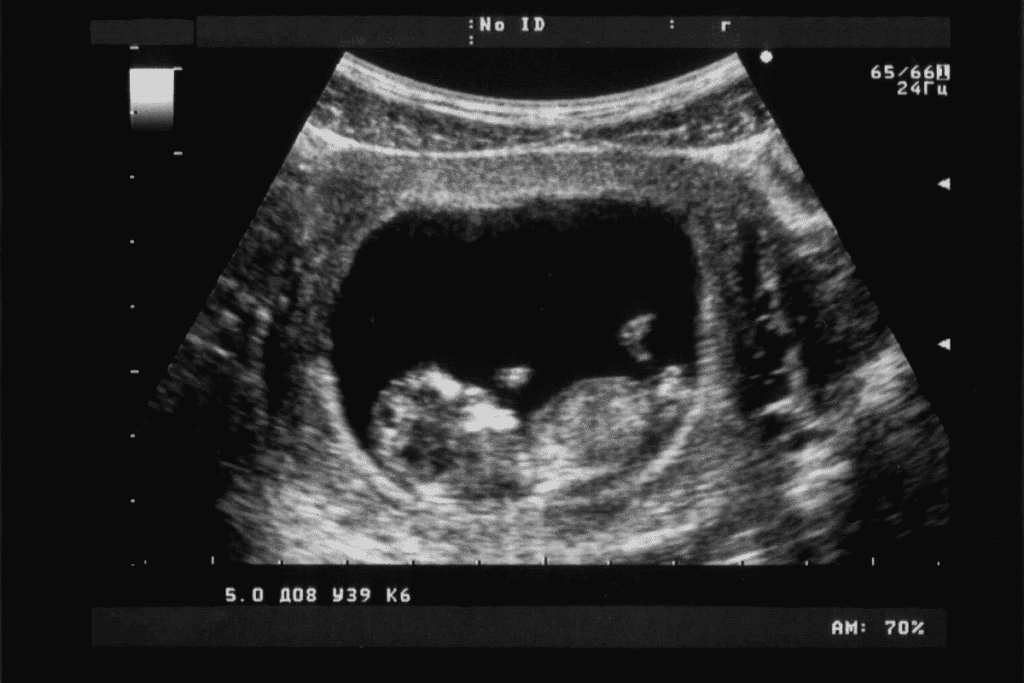
At 8 weeks pregnant, you’re in a key phase of fetal development. You’ll see big changes in your body and feel new emotions. Your baby is as small as a raspberry, about 16 millimeters long and weighs 0.04 ounces what to expect at eight weeks pregnant.
This week, you might feel both excited and uncomfortable. Your body is changing a lot. We’ll look at what’s happening with your baby and you, from fetal development to pregnancy symptoms.
Key Takeaways
- Fetal development accelerates at 8 weeks pregnant.
- Common symptoms include physical discomfort and emotional changes.
- The fetus measures approximately 16 millimeters long.
- Major developmental milestones occur during this period.
- Understanding these changes helps expectant mothers feel informed and prepared.
Understanding Your Pregnancy Timeline at 8 Weeks

Being 8 weeks pregnant is both exciting and overwhelming. It’s key to understand your pregnancy timeline. You might wonder how your pregnancy is going and what milestones your baby is hitting.
How 8 Weeks Pregnant Translates to Months
At 8 weeks, you’re about 2 months into your pregnancy. This is based on gestational age, counting from your last menstrual period (LMP). Knowing this timeline helps you better navigate your pregnancy.
Pregnancy is split into trimesters, each lasting about 3 months. So, at 8 weeks, you’re in your second month and in the first trimester. This is a critical time for your baby’s growth.
Difference Between Gestational Age and Fetal Age
It’s important to know the difference between gestational age and fetal age. Gestational age is from your LMP, while fetal age is from conception.
Gestational age is usually 2 weeks ahead of fetal age. This is because ovulation and conception often happen mid-cycle. So, at 8 weeks gestational age, your baby is about 6 weeks old in fetal age.
Key Milestones of the First Trimester
The first trimester is a time of fast growth and development for your baby. By 8 weeks, many important milestones have been reached. Major organs and body systems are starting to form, and your baby’s basic shape is taking shape.
Notable developments include the start of heart, lung, and liver formation. Also, brain and neural development are beginning. Knowing these milestones helps you see how fast your baby is growing.
Your Baby’s Size at 8 Weeks

At 8 weeks pregnant, your baby is growing fast. It’s exciting to learn about their size. This time is key as they develop many features and organs.
Comparing to Everyday Objects: The Raspberry Stage
At 8 weeks, your baby is as small as a raspberry. This helps parents see how tiny but fast-growing their baby is. Doctors often use the raspberry size to explain the baby’s size at this point.
Measurements and Weight
Your baby is about 16mm long and weighs 0.04 ounces. These numbers are averages, but they give a good idea of their size.
Growth Rate and Development Speed
Your baby’s growth at 8 weeks is amazing. They are quickly making major organs and body systems. Some important developments include:
- Formation of major organ systems
- Rapid brain and neural development
- Heart development and circulation improvements
- Limb development, including arms, fingers, legs, and toes
Remember, every baby grows differently. Your healthcare provider will keep an eye on your baby’s growth and development.
Remarkable Fetal Development at 8 Weeks
At 8 weeks, the fetus grows fast, with major organs forming. This is a key time for the baby’s systems to develop. These systems will support the baby’s growth for the rest of the pregnancy.
Formation of Major Organ Systems
By 8 weeks, the fetus’s organs start to form. The heart, lungs, and brain are key organs developing. The foundation laid now is vital for the baby’s health and growth.
- The heart starts to divide into four chambers.
- Lung development begins, preparing for future breathing.
- The brain and neural tube are forming, laying the groundwork for the nervous system.
Brain and Neural Development
The neural tube, which will become the brain and spinal cord, is critical at this stage. Proper closure of the neural tube is essential to prevent complications. The brain is starting to divide into different sections, and nerve cells are multiplying rapidly.
Heart Development and Circulation
Heart development is a significant milestone at 8 weeks. The heart is not only dividing into four chambers but also starting to pump blood through its chambers. This early circulation is vital for delivering nutrients and oxygen to the growing fetus. As the heart continues to develop, it will become a robust and efficient organ capable of supporting the baby’s needs throughout the pregnancy.
Expectant parents can take comfort in knowing that their baby’s major organs are developing as they should. Regular prenatal check-ups will continue to monitor this development, ensuring that the pregnancy is progressing healthily.
Your Baby’s Physical Features Taking Shape
Your baby’s body is changing fast at 8 weeks. Limbs and facial features are getting more defined. This is a key time for growth and development.
Limb Development: Arms, Fingers, Legs, and Toes
At 8 weeks, your baby’s limbs are growing quickly. Arms and legs are getting longer, and fingers and toes are starting to form. This is a big step towards being able to move and interact after birth.
The process of limb formation, called morphogenesis, is complex. It involves cells working together to shape the limbs. By the end of the eighth week, the main parts of the limbs are set.
Limb Feature | Developmental Stage at 8 Weeks |
Arms | Elbows are forming, and upper limb buds are visible |
Fingers | Finger buds are present, with digital rays starting to form |
Legs | Lower limb buds are developing, with the beginnings of toe formation |
Toes | Toe formation is just starting, with visible toe buds |
Facial Features Beginning to Form
Facial features are becoming clearer at 8 weeks. Eyes, nose, and mouth are taking shape, making your baby look more human. The process of forming these features is complex, involving many developmental pathways.
Early Eye Development and Pigmentation
The eyes are a key part of facial development at this stage. The retina starts to form, and pigmentation begins. This early eye development is vital for your baby’s vision.
By the eighth week, the basic structures for vision are being set up. This lays the foundation for further development.
What to Expect at Eight Weeks Pregnant: Common Symptoms
At 8 weeks pregnant, you might start noticing symptoms that change your daily life. These signs come from hormonal shifts and your body’s physical changes to support your growing baby.
Morning Sickness and Nausea Patterns
Morning sickness is a common symptom at 8 weeks. It includes nausea and vomiting, but it can happen at any time, not just in the morning. Up to 80% of pregnant women experience nausea. Hormonal changes, like the rise in hCG, are thought to cause it.
To handle morning sickness, try these tips:
- Eat small meals often to keep your stomach full
- Avoid foods and smells that make you feel sick
- Drink lots of water to stay hydrated
- Rest when you need to
Fatigue and Energy Levels
Feeling very tired is common at 8 weeks. Your body is working hard to support your baby’s growth. Resting when needed is key. Gentle exercise can also help, but talk to your doctor first.
Breast Changes and Tenderness
Hormonal changes can make your breasts tender and bigger. Some women notice their breasts getting larger or more sensitive. Wearing a supportive bra and avoiding tight clothes can help with discomfort.
Emotional Changes and Mood Swings
Hormonal shifts can lead to mood swings and emotional changes. Feeling more emotional or sensitive is common. Talking to loved ones about how you’re feeling can help. Stress-reducing activities like meditation or yoga can also help manage these feelings.
Digestive and Urinary Changes at 8 Weeks
At 8 weeks pregnant, hormonal changes can cause digestive and urinary issues. Your body is adjusting to the growing fetus, leading to some discomforts. These are common during this time.
Increased Urination Frequency
You might find yourself needing to pee more often. This is because your uterus is growing and pressing on your bladder. Increased urination frequency can be lessened by avoiding caffeine and fluids before bed.
Constipation and Digestive Slowdown
Hormonal shifts can slow down digestion, causing constipation. To help, eat more fiber from fruits, veggies, and whole grains. Also, drink plenty of water.
Food Aversions and Cravings
Many women feel food aversions and cravings at 8 weeks. These are often due to hormonal changes and are temporary. Eating a balanced diet and enjoying cravings in moderation can ease these symptoms.
Knowing about these changes can help you manage your symptoms better. It’s key to stay informed and talk to your healthcare provider if you’re feeling uncomfortable.
Your Changing Body at 8 Weeks
At 8 weeks pregnant, your body is changing a lot to support your baby. Your uterus is growing, and you might notice some physical changes. These can be surprising but also expected.
Physical Changes You May Notice
Your uterus is getting bigger, even if you can’t see it. Inside, your body is getting ready for your baby. You might notice your waist getting a bit thicker, and some women start to show a small bump. These changes are a natural part of pregnancy, showing your body is getting ready for the months ahead.
The American Pregnancy Association says, “The uterus is about the size of a grapefruit at 8 weeks pregnant, but it’s hidden behind your pelvic bone.”
“This period is key for your baby’s growth, and your body is working hard to support it.”
Weight Gain Expectations
Weight gain is a normal part of pregnancy. At 8 weeks, you might not have gained much yet. But this is just the start. Women usually gain 25-35 pounds during pregnancy, most in the second and third trimesters. It’s important to eat well to help your baby grow and keep you healthy.
Skin Changes and Pregnancy Glow
Many women notice their skin changes during pregnancy, known as the “pregnancy glow.” Hormones make your skin more oily and blood flow better. While some get acne, others look more radiant. Good skincare habits can help manage these changes and keep your skin healthy during pregnancy.
As your pregnancy goes on, knowing about these changes is key. Understanding what’s happening helps you enjoy this special time and take care of your growing baby.
Important Health Considerations at 8 Weeks
At 8 weeks pregnant, staying healthy is key for you and your baby. Focus on good nutrition, exercise, sleep, and safe meds. These habits can greatly affect your pregnancy.
Nutrition and Dietary Needs
A balanced diet is essential at 8 weeks. Key nutrients include folic acid, iron, calcium, and protein. These support your baby’s growth and your health. Eat leafy greens, lean proteins, whole grains, and dairy for these nutrients.
Drink lots of water to stay hydrated. Try to avoid processed foods, sugary snacks, and too much caffeine.
Nutrient | Importance | Food Sources |
Folic Acid | Prevents neural tube defects | Leafy greens, citrus fruits, fortified cereals |
Iron | Supports red blood cell production | Lean meats, beans, fortified cereals |
Calcium | Promotes fetal bone development | Dairy products, leafy greens, fortified plant-based milk |
Exercise Recommendations
Doing gentle exercises is good for your health and comfort. Prenatal yoga and brisk walking are great choices. Always listen to your body and avoid risky activities.
“Exercise during pregnancy can help reduce back pain, decrease the risk of gestational diabetes, and promote a healthier weight gain.” – American College of Obstetricians and Gynecologists
Sleep Positions and Quality
It’s best to sleep on your side during pregnancy. This improves blood flow and reduces risks. Use pillows for support and keep your sleep area comfy.
Medications and Supplements
Always check with your doctor before taking meds or supplements. Some can harm your baby, while others are safe with guidance.
By focusing on your health and making smart choices, you can have a healthy pregnancy. This sets you up for a positive outcome.
Your First Prenatal Visit Around 8 Weeks
Your first prenatal visit, usually around 8 weeks pregnant, is a key moment. It’s where we start watching your health and your baby’s growth. We also answer any questions you have, helping you get ready for what’s next.
What to Expect at Your First Doctor’s Appointment
At your first visit, we do a detailed check to see how you’re doing and if there are any risks. This includes:
- Talking about your medical history to find out about any past health issues or pregnancy problems.
- A physical check, like checking your blood pressure and doing a pelvic exam if needed.
- An ultrasound to make sure you’re pregnant and to guess how far along you are.
Common Tests and Screenings
During your first visit, we do several tests to make sure you and your baby are healthy. These might be:
Test/Screening | Purpose |
Blood Tests | To find out your blood type, Rh factor, and to check for infections or anemia. |
Urine Test | To see if you have a urinary tract infection or other problems. |
Ultrasound | To confirm the pregnancy, check for twins, and guess how far along you are. |
Questions to Ask Your Healthcare Provider
It’s a great time to ask questions and clear up any doubts at your first prenatal visit. You might want to ask about:
- What to eat and drink during pregnancy.
- Safe exercises and activities.
- What symptoms to watch for and when to get help right away.
- What your prenatal care plan will be and what to expect at future visits.
Being ready and informed makes your first prenatal visit a positive start to your pregnancy.
Potential Concerns and When to Call Your Doctor
At 8 weeks pregnant, knowing when to see a doctor is key for your health and your baby’s. Pregnancy is natural, but sometimes you need to talk to your healthcare provider.
Warning Signs at 8 Weeks Pregnant
It’s important to know the warning signs of complications. Some signs include:
- Severe bleeding: Heavy bleeding that doesn’t stop or is very painful.
- Severe morning sickness: Vomiting that makes it hard to keep food or fluids down.
- Severe abdominal pain: Pain that lasts or is very bad.
Understanding Spotting vs. Bleeding
Spotting and bleeding are often confused, but they mean different things during pregnancy. Spotting is light bleeding from implantation or minor issues. Bleeding is heavier and might be a serious problem.
If you see any bleeding, call your healthcare provider right away. They can figure out the cause and what to do next.
Managing Severe Morning Sickness
While morning sickness is common, severe cases can cause dehydration and other problems. To handle severe morning sickness:
- Eat small, frequent meals to keep your stomach from being empty.
- Avoid foods that make you feel sick.
- Drink lots of fluids to stay hydrated.
- Talk to your healthcare provider about medicine options.
If your morning sickness is very bad and stops you from eating or drinking, get medical help.
Conclusion: Embracing Your 8-Week Pregnancy Journey
Reaching 8 weeks pregnant is a big deal. It’s a time when your baby grows fast and develops a lot. We’re here to help and guide you through this important time.
At 8 weeks, your baby’s organs start to form, and their body shape becomes clearer. It’s exciting to learn about these changes. Make sure to talk to your healthcare provider about any questions or worries you have.
Remember, every pregnancy is different. Staying informed and supported helps you enjoy the ups and downs of pregnancy. We promise to give you top-notch care and support as you start this amazing journey.
FAQ
How big is a fetus at 8 weeks?
At 8 weeks, your baby is about the size of a raspberry. They measure about 16mm in length and weigh around 0.04 ounces.
How many months is 8 weeks pregnant?
At 8 weeks pregnant, you are in your second month of pregnancy.
What are the common symptoms at 8 weeks pregnant?
Common symptoms at 8 weeks pregnant include morning sickness, nausea, and fatigue. You may also feel breast tenderness and emotional changes.
What is happening to my baby’s development at 8 weeks?
At 8 weeks, your baby’s major organs are forming. This includes the heart, lungs, and brain. The neural tube is turning into the brain and spinal cord. The heart is also starting to divide into four chambers.
What should I eat at 8 weeks pregnant?
Eating a well-balanced diet is key. Focus on whole foods like fruits, vegetables, whole grains, lean proteins, and healthy fats. This supports your baby’s growth.
Can I exercise at 8 weeks pregnant?
Yes, gentle exercises like prenatal yoga are okay. They help keep you healthy. Always check with your healthcare provider before starting or continuing any exercise.
What are the warning signs at 8 weeks pregnant that I should watch out for?
Watch for severe bleeding, severe morning sickness, and other concerning symptoms. If you notice these, contact your healthcare provider right away.
What happens during the first prenatal visit?
At the first prenatal visit, your healthcare provider will do a physical exam and discuss your health history. They will also outline your prenatal care plan. It’s a chance to ask questions and address any concerns.
How often should I urinate at 8 weeks pregnant?
You may need to urinate more often at 8 weeks pregnant. This is due to your uterus expanding.
What sleep position is recommended at 8 weeks pregnant?
Sleeping on your side is recommended. It helps improve blood flow to the placenta and reduces the risk of complications.
References
National Center for Biotechnology Information. Evidence-Based Medical Guidance. Retrieved from https://www.ncbi.nlm.nih.gov/pmc/articles/PMC4928162/



 Departments
 Related Videos
 Our Doctors
 News
News